Why Ream National Park stands out
Ream National Park is best known for its remarkable diversity of coastal and terrestrial ecosystems contained within a single protected area. The park seamlessly integrates mangrove forests, freshwater wetlands, lowland evergreen forests, beaches, coral reefs, and marine environments, creating a complex ecological mosaic. Its significance is further enhanced by the presence of dugongs, a vulnerable marine mammal that inhabits the park's coastal waters. The park also contains substantial wildlife including populations of rhesus monkeys, several species of sea turtles, dolphins, and impressive birds such as the Sarus crane and various pelican species. The combination of accessible coastal scenery from Sihanoukville with genuine wilderness character makes Ream particularly notable among Southeast Asian protected areas.
Ream National Park history and protected-area timeline
Ream National Park was established in 1993 during a pivotal period in Cambodia's environmental policy development. Following the end of conflict in the early 1990s, the Cambodian government began systematically establishing protected areas as part of broader efforts to rebuild the country's institutions and address environmental concerns that had accumulated during decades of instability. The park was formally designated as a national park under Cambodia's protected area framework, receiving IUCN Category II status that reflects its primary function of protecting natural ecosystems while allowing for sustainable visitor use. In 2011, the government issued a specific legal update addressing land tenure within the park, establishing that approximately 84.5 hectares within Ream commune would be designated as a community area where land title certificates require prior approval from the Ministry of Environment. This legislative action reflects ongoing challenges in managing the interface between protected area boundaries and community land rights, a common issue across Cambodia's protected landscape. The park's management body continues to work with various stakeholders including local communities, conservation partners, and governmental agencies to balance the multiple demands placed on the park's resources.
Ream National Park landscape and geographic character
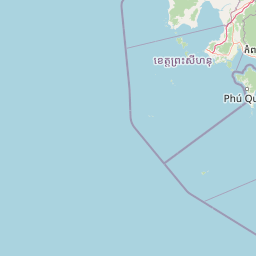
The physical landscape of Ream National Park displays a distinctive combination of coastal lowlands, rolling hills, and marine environments. Two prominent hills dominate the western portion of the park, with the highest peak known as Phnom Mollou rising to 277 meters above sea level while a second hill reaches 196 meters. These hills are separated by the Prek Sampouch watercourse and support evergreen forest cover that contrasts with the lower-lying wetlands below. The central feature of the park is the Prek Teuk Sap, a freshwater river that flows from the interior mountains through the park before entering the Gulf of Thailand through a mangrove-fringed estuary. Between the hills and this estuary lies a narrow belt of wetlands, protected by a thin fringe of degraded mangrove forest. The park's marine component includes sea grass beds and coral reef formations along the coast, while the eastern third of the protected area encompasses the islands of Koh Thmei and Koh Seh. This varied terrain creates distinct habitat zones that support different ecological communities, from hill forest species to mangrove specialists to marine organisms.
Ream National Park ecosystems, habitats, and plant life
The ecological character of Ream National Park is defined by the interaction between terrestrial and marine systems across multiple habitat types. The park contains lowland evergreen forest that covers the hills and higher ground, while Melaleuca forests occupy transitional zones between forest and wetland areas. Mangrove forests, though partially degraded, continue to provide critical ecosystem services along the estuary and coastal fringe, including sediment stabilization, carbon storage, and nursery habitat for marine species. Freshwater wetlands and the river system add additional habitat diversity, while sea grass beds and coral reefs support marine biodiversity in the coastal zone. This mosaic of habitats creates conditions favorable for high species diversity despite the park's relatively modest total area. The park's position along the Gulf of Thailand places it within a broader regional context of coastal ecosystems that support migratory species and maintain ecological connectivity with other protected areas in Southeast Asia.
Ream National Park wildlife and species highlights
Ream National Park supports a diverse assembly of wildlife species across its terrestrial, freshwater, and marine habitats. The park is home to populations of rhesus monkeys that inhabit the forest areas, while the smaller mouse-deer occupies understory habitats in denser vegetation. The marine environment holds particular significance for dugongs, a vulnerable marine mammal that grazes on sea grass beds within the park's boundaries. Sea turtles, including several species, utilize the park's beaches and coastal waters, while dolphins are occasionally observed in the nearshore zone. The bird population includes the impressive Sarus crane, a species of conservation concern, as well as various pelican species that frequent the wetland areas. This combination of terrestrial mammals, marine megafauna, and significant bird populations reflects the ecological richness that results from the park's diverse habitat mosaic. The presence of multiple threatened species underscores the importance of the protected area in maintaining viable populations of wildlife that face pressure from development and habitat loss across the wider region.
Ream National Park conservation status and protection priorities
Ream National Park serves as an important conservation anchor along Cambodia's rapidly developing southwestern coast. The park protects a representative sample of coastal ecosystem types that have become increasingly rare in Southeast Asia as coastal development accelerates. Its combination of mangroves, coral reefs, sea grass beds, and forest habitats provides ecosystem services that benefit both wildlife and human communities in the surrounding area. The presence of dugongs and sea turtles adds particular conservation significance, as these species face significant threats throughout their ranges and require protected habitat areas to maintain viable populations. However, the park faces considerable conservation challenges, including pressure from commercial logging, fishing activities, land speculation, and the needs of approximately 30,000 people living in communities that overlap or border the protected area. Management requires ongoing negotiation between conservation objectives and the legitimate needs of local stakeholders, a challenge common to protected areas throughout the region.
Ream National Park cultural meaning and human context
The landscape around Ream National Park has supported human communities for generations, with traditional livelihoods including fishing, small-scale agriculture, and collection of forest and mangrove products. Approximately 5,500 households spanning five communes live in areas that overlap with or border the park, representing roughly 30,000 people with connections to the land and resources within protected boundaries. The population growth rate of nearly 3 percent creates ongoing pressure for economic development and land use that must be reconciled with conservation objectives. Four communes lie directly on the park's boundary while thirteen villages have land within the designated protected area, creating a complex social landscape where conservation management must account for established community presence and traditional use patterns.
Top sights and standout views in Ream National Park
Ream National Park offers visitors a rare combination of accessible wilderness and ecological diversity along Cambodia's coast. The park's mangrove forests can be explored by boat along the Prek Teuk Sap river, where the interface between freshwater and saltwater creates productive habitat for diverse species. Beach access provides opportunities to experience relatively undeveloped coastline, while the islands of Koh Thmei and Koh Seh offer further exploration potential for those seeking more remote experiences. The presence of dugongs in the park's marine waters represents a particular draw for wildlife enthusiasts, though sightings cannot be guaranteed. The park's hills provide viewpoints over the mixed landscape of forest, wetland, and sea that illustrates the ecological complexity contained within this protected area.
Best time to visit Ream National Park
The optimal time to visit Ream National Park generally corresponds to the cooler, drier months from November through April, when lower rainfall facilitates travel within the park and visibility for wildlife observation tends to be improved. The monsoon season from May through October brings higher rainfall that can affect access to some areas and make certain activities less comfortable, though the wet season also brings lush green landscapes and increased bird activity in wetland areas. Year-round temperatures remain warm given the park's tropical coastal location. Visitors seeking to maximize their chances of encountering marine wildlife such as dugongs and turtles may find the dry season months more favorable, though these species can be present throughout the year and seasonal patterns are not absolute.