Why Kep National Park stands out
Kep National Park is best known for its panoramic viewpoints that span across the Gulf of Thailand to Phu Quoc island and the Bokor Ranges. The park's elevated mountain terrain provides rare coastal elevation within Cambodia's southern coastal zone, making it a distinctive geographic feature. Visitors come primarily for the views, the hiking trails through mixed forest, and the opportunity to experience a relatively untouched coastal-mountain ecosystem. The park also serves as an ecological corridor connecting coastal wetland habitats with interior forest zones.
Kep National Park history and protected-area timeline
Kep National Park was established in 1993 as part of Cambodia's post-conflict efforts to identify and protect significant natural areas throughout the country. During the decades of conflict that affected Cambodia through the 1970s and 1980s, many protected areas were abandoned or degraded, and the formal recognition of new protected areas became a priority in the 1990s as stability returned. The selection of this particular area for national park status reflected both its scenic qualities and its ecological significance as a coastal mountain environment. The park's establishment also responded to pressures from expanding agriculture and development along Cambodia's southern coast, creating a formal mechanism to retain the mountainous interior as protected land. Management of the park falls under the jurisdiction of Cambodia's Ministry of Environment, with practical management responsibilities handled through provincial authorities.
Kep National Park landscape and geographic character
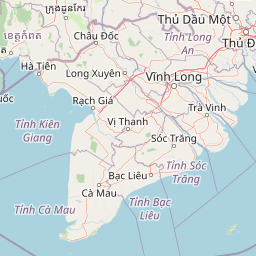
The landscape of Kep National Park is characterized by a small but distinct mountain range that rises from the coastal lowlands of Kep Province. The mountain terrain creates a hilly interior zone contrasting sharply with the flat coastal plains and wetland areas that surround the park's boundaries. The highest points within the park offer commanding views across the Gulf of Thailand, with clear sightlines to Phu Quoc island visible on the western horizon. To the north and west, the Bokor Ranges provide a distant mountainous backdrop, while the eastern side of the park overlooks the scattered islands belonging to Vietnam's Kiên Giang marine reserve. The combination of elevated viewing positions and coastal proximity gives the park a distinctive landscape character not found in Cambodia's larger mountain parks to the north and west. The vegetation cover ranges from dense forest on the slopes and ridges to more scattered vegetation in the drier lowland transition areas.
Kep National Park ecosystems, habitats, and plant life
The natural environment of Kep National Park reflects its position as a transition zone between coastal and interior ecosystems. The park contains forest communities that differ from both the mangrove wetlands of the immediate coast and the more extensive evergreen forests found in Cambodia's large northern and southwestern protected areas. The vegetation includes mixed deciduous and evergreen species adapted to the slightly drier conditions of this southeastern coastal region. The park's streams and drainage channels flow toward the coast, connecting the interior forest habitats with the downstream wetland areas. Bird life is present in the forest canopy and along the forest edges, with species typical of the Gulf coast region occurring within the park boundaries. The relatively compact size of the park means that the full range of habitats is accessible within a short distance from any trail entry point.
Kep National Park wildlife and species highlights
Wildlife in Kep National Park includes species typical of Cambodia's southeastern coastal forests, though the park's smaller size limits the range of habitats available compared to larger protected areas. Forest-dwelling birds represent the most observable wildlife, with various species present in the canopy and edge habitats throughout the year. Small mammals including several species of squirrel and civet occur in the forest, while larger mammals that may occasionally traverse the area include sambar deer and wild pig, though these are more commonly found in the larger forest complexes to the north. The park's streams support basic aquatic fauna adapted to the seasonal flow patterns of this coastal drainage system. Visitors are most likely to encounter birds and smaller forest animals during trail walks, with the early morning hours offering the best wildlife viewing opportunities.
Kep National Park conservation status and protection priorities
Kep National Park holds IUCN Category II designation, reflecting its classification as a national park with primary conservation objectives. The protected status helps preserve the mountain forest ecosystem as a remnant of the natural vegetation that once covered more of the Kep coastal area before agricultural expansion. The park serves as an important green space within a region that has experienced significant land use change, providing habitat for forest species and protecting the watershed functions of the mountain drainage systems. Conservation challenges include managing visitor impacts from the growing interest in the park as a tourism destination and addressing any pressure from surrounding land use activities. The park also contributes to Cambodia's commitments to maintaining representative protected areas across the country's diverse ecological zones.
Kep National Park cultural meaning and human context
The area surrounding Kep National Park has historical connections to the broader Khmer cultural landscape, though the park itself does not contain significant archaeological sites or religious structures. The town of Kep nearby was developed as a French colonial era coastal retreat in the early twentieth century, establishing the region's role as a destination for relaxation and recreation. The park's establishment in 1993 came during a period of renewed interest in Cambodia's natural heritage following the restoration of political stability. Local communities maintain connections to the broader landscape through traditional land use practices in the surrounding agricultural areas, though the mountain core of the park has historically remained less intensively used than the surrounding lowlands. The park contributes to the regional identity of Kep Province as a destination that combines coastal beach activities with natural landscape exploration.
Top sights and standout views in Kep National Park
The main highlights of Kep National Park center on its panoramic viewpoints that offer sweeping views across the Gulf of Thailand, with clear sightlines to Phu Quoc island, the Bokor Ranges, and the Vietnamese island chain to the east. The hiking trails through the mountain forest provide opportunities to experience a relatively intact coastal forest ecosystem within a compact and accessible protected area. The park's position as an elevated oasis within the flat coastal landscape gives it a distinctive scenic quality not found at other coastal sites in Cambodia. The relatively light visitor pressure compared to more famous Cambodian parks creates a more peaceful and natural recreation experience, with trails that allow for contemplative exploration of the mountain forest environment.
Best time to visit Kep National Park
The best time to visit Kep National Park falls within the dry season from November to April, when rainfall is minimal and trail conditions are most favorable for hiking. The clearer atmospheric conditions during these months also enhance the panoramic views from the mountain viewpoints, making visibility of Phu Quoc island and the distant mountain ranges more consistent. The hot season from March to May can be challenging for midday hiking due to high temperatures, so early morning visits are recommended during this period. The wet season from May to October brings increased rainfall that can make trails slippery and views less reliable, though the forest becomes more lush and green during this period. Year-round visitation is possible, but the dry season months generally offer the most consistent experience for visitors focused on hiking and scenic viewing.