Why U Minh Hạ National Park stands out
U Minh Hạ National Park is best known for its representation of the Mekong Delta's remaining freshwater wetland ecosystems, where extensive peat swamp forests and seasonal floodplains create a distinctive habitat type increasingly rare in Vietnam. The park protects significant stands of mangrove vegetation adapted to the region's complex hydrology, where freshwater flow from the Mekong River meets tidal influences from the Gulf of Thailand. The area is recognized for supporting populations of waterbirds, reptiles including various turtle species, and a diverse community of amphibians, all thriving within the seasonal flood pulse that inundates the forest floor for several months each year.
U Minh Hạ National Park history and protected-area timeline
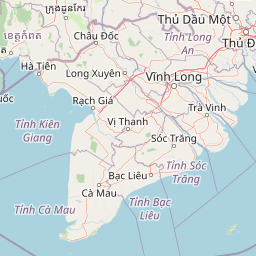
U Minh Hạ National Park was officially established on January 20, 2006, becoming the 28th national park in Vietnam's system of protected areas. The designation followed decades of increasing environmental concern regarding the degradation of wetlands across the Mekong Delta, where extensive areas of former peat swamp forest had been converted to agriculture or degraded through logging and drainage attempts. The park was created with a specific focus on protecting the low wetland ecosystem, representing a shift in Vietnam's conservation approach toward recognizing the importance of wetland habitats that had often been historically viewed as wastelands suitable for conversion. Management authority was delegated to the People's Committee of Cà Mau Province, reflecting the decentralized approach to protected area governance in Vietnam. The establishment also recognized the deep connections between local communities and the forest ecosystem, with the U Minh region having supported populations of honey producers, fishers, and fruit growers for generations.
U Minh Hạ National Park landscape and geographic character
The physical landscape of U Minh Hạ National Park consists of extremely flat, low-lying terrain that rarely exceeds a few meters above sea level, typical of the western Mekong Delta coastal zone. The park encompasses a mosaic of wetland types including peat swamp forest, freshwater marsh, and areas influenced by tidal salt water intrusion. The soil profile is dominated by peat soils in the interior areas, which accumulate from the partial decomposition of vegetation in the waterlogged conditions and represent a significant carbon store. In areas closer to the coast, the soils become more sandy and are influenced by periodic salt water intrusion during dry seasons. The vegetation varies from tall canopy forest in better-drained areas to more open marshland where water persists for longer periods, creating a complex mosaic of habitat types across the relatively small area of the reserve.
U Minh Hạ National Park ecosystems, habitats, and plant life
The ecological character of U Minh Hạ National Park is defined by its wetland nature, with vegetation communities adapted to seasonal flooding and variable water chemistry ranging from fresh to brackish. Mangrove species form the dominant vegetation in areas experiencing regular tidal influence, while freshwater swamp forest dominates the interior zones where peat soils accumulate. The ecosystem supports a complex food web driven by the annual flood pulse, which transports nutrients and provides breeding habitat for fish species that migrate into the flooded forest during the wet season. The wetland environment also supports significant populations of invertebrates, which form the base of the food chain for many vertebrate species. The combination of permanent water bodies, seasonal flood zones, and forested areas creates a diversity of microhabitats that support the park's biological richness.
U Minh Hạ National Park wildlife and species highlights
The wildlife community of U Minh Hạ National Park reflects the park's position at the transition between freshwater and coastal ecosystems, with species assemblages that include both riverine and marine-influenced components. Reptiles are well represented, with various turtle species inhabiting the wetland areas and snakes occupying both aquatic and terrestrial niches within the forest. Waterbirds are particularly notable, with the flooded forest providing important feeding and nesting habitat for species adapted to wetland environments. The amphibian community is diverse, with numerous frog and toad species breeding in the seasonal pools and flooded areas. Fish populations within the park's waterways include both resident species and migratory forms that move into the flooded forest during the wet season to spawn and feed.
U Minh Hạ National Park conservation status and protection priorities
U Minh Hạ National Park plays a crucial role in conserving what remains of the Mekong Delta's wetland ecosystems, a habitat type that has been heavily impacted by agricultural development, aquaculture expansion, and infrastructure projects across the region. The protected area helps maintain ecological processes including fish migration, nutrient cycling, and water filtration that provide benefits extending well beyond the park's boundaries. The peat swamp forests within the park store significant quantities of carbon, and their protection contributes to climate mitigation efforts while preventing the release of stored greenhouse gases that would result from drainage and conversion. The park also serves as a reference site for understanding the ecological dynamics of wetland systems in the Mekong Delta, supporting research and monitoring activities that inform conservation planning across the region.
U Minh Hạ National Park cultural meaning and human context
The communities living within and around U Minh Hạ National Park maintain deep connections to the forest ecosystem, with traditional livelihoods closely tied to the seasonal rhythms of the wetland environment. Local residents engage in beekeeping, fishing, eel catching, and fruit tree cultivation, practices that have been passed down through generations and are intimately connected to the health of the forest ecosystem. The beekeeping tradition is particularly notable, with honey production representing an important source of income that depends on the forest's flowering plants and the survival of native bee colonies. Fishers time their activities around the onset of the rainy season, when flooding transforms the forest into an extensive breeding ground that supports abundant fish catches. The local communities have historically been protective of their forest home, and their traditional practices generally represent sustainable use of the ecosystem's resources.
Top sights and standout views in U Minh Hạ National Park
The most distinctive feature of U Minh Hạ National Park is its representation of the Mekong Delta's vanishing freshwater wetland ecosystems, where the seasonal flood pulse creates a dynamic landscape that alternates between extensive flooding and dry season exposed terrain. The park protects one of the last remaining areas of peat swamp forest in southern Vietnam, a ecosystem type that once covered much of the western Delta but has been largely converted to other uses. The integration of mangrove vegetation at the tidal fringe with freshwater swamp forest in the interior creates a unique ecological gradient that supports diverse species assemblages. The cultural connection between local communities and the forest, particularly the traditional beekeeping and seasonal fishing practices tied to the flood cycle, provides a living example of human relationship with wetland ecosystems.
Best time to visit U Minh Hạ National Park
The optimal time to experience U Minh Hạ National Park corresponds to the transition between dry and wet seasons, typically from late October through November, when the first rains begin to refill the wetlands and the landscape begins its annual transformation. Visiting during the early wet season allows visitors to witness the dramatic change as water floods the forest floor, creating the aquatic environment that defines the park's ecological character. The period from December through April offers progressively drier conditions, with water levels receding and the forest becoming more accessible for land-based exploration. Wildlife viewing opportunities vary seasonally, with waterbirds most abundant during the dry season when remaining water bodies concentrate bird activity.