Why Phú Quốc National Park stands out
Phú Quốc National Park is particularly known for its dual terrestrial and marine protection, rare among Vietnam's national parks. The park protects significant populations of the dugong, a vulnerable marine mammal that inhabits the shallow coastal waters surrounding the island. The park's tropical forest ecosystems support biodiversity characteristic of the Gulf of Thailand region, while its designation as an IUCN Category II protected area places it within the global framework of national parks recognized for both conservation and sustainable use. The park's extensive coverage of Phú Quốc Island makes it unique among Vietnam's protected areas, preserving a substantial portion of the country's island wilderness.
Phú Quốc National Park history and protected-area timeline
Phú Quốc National Park was officially established in 2001 through Decision 91/2001/QĐ-TTg, signed by the Prime Minister of Vietnam on June 8, 2001. This decision upgraded the existing Northern Phú Quốc Islands Preservation Zone to national park status, reflecting Vietnam's growing investment in protected area management during the early 2000s. The park's establishment came during a period of expansion for Vietnam's national park system, as the country sought to strengthen biodiversity conservation across its diverse ecological zones. The governing body for the park rests with the People's Committee of Kiên Giang Province, which oversees management and protection activities within the protected area. The transition from preservation zone to national park brought increased resources and formal protection status, recognizing the island's ecological significance within Vietnam's broader conservation framework.
Phú Quốc National Park landscape and geographic character
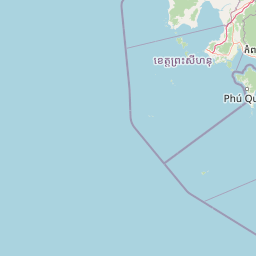
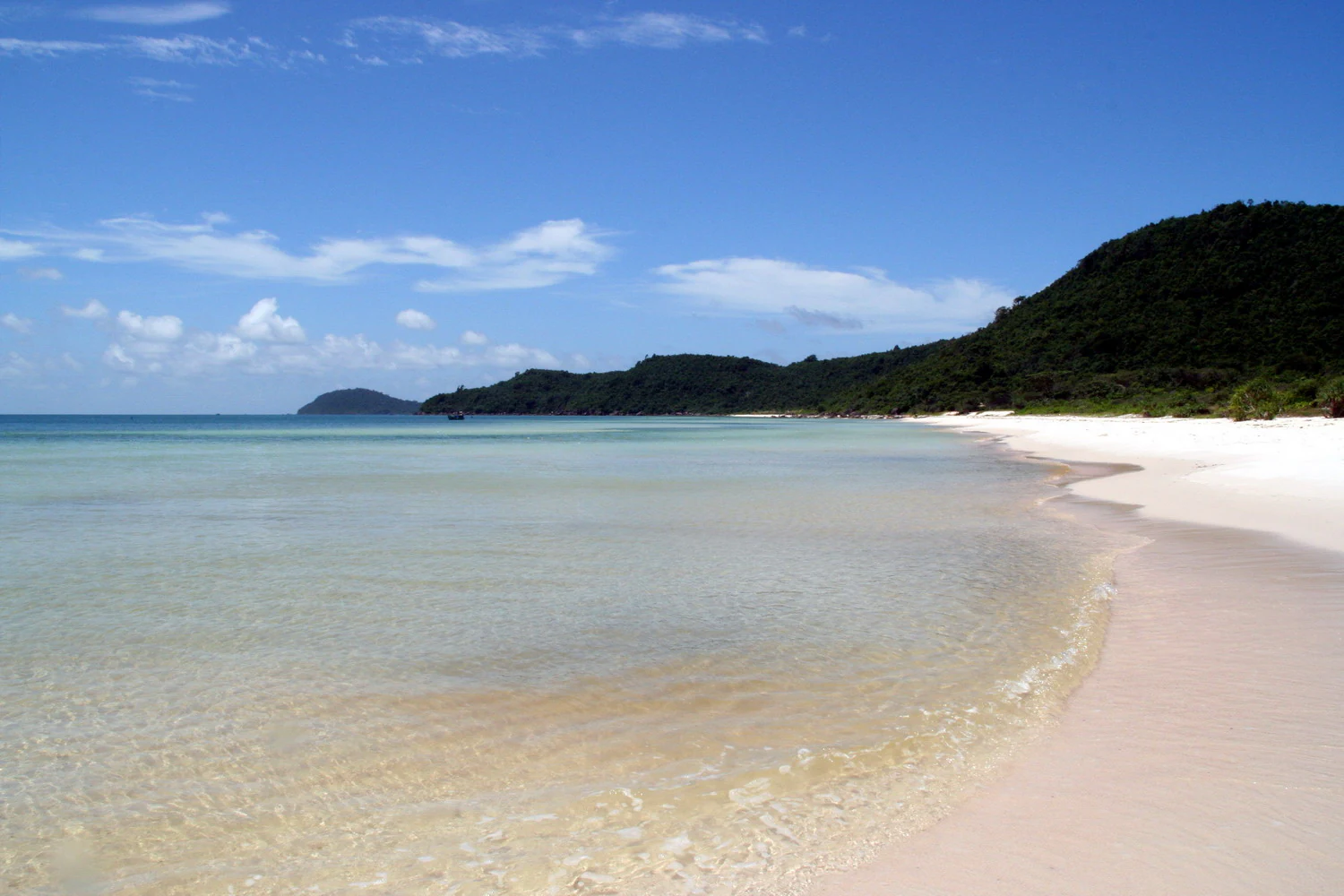
The physical landscape of Phú Quốc National Park encompasses the diverse terrain found across Phú Quốc, Vietnam's largest island. The park includes coastal areas along the Gulf of Thailand, rolling hills such as Ham Rong Mount, and the lowland tropical forests that historically covered much of the island. The marine component of the park extends into the surrounding waters, protecting the seabed, coral communities, and seagrass beds that support marine life. The island's position in the Gulf of Thailand places it within a tropical maritime environment characterized by warm waters and seasonal weather patterns. The park's boundaries encompass several communes including Gành Dầu, Bãi Thơm, Cửa Cạn, and portions of Cửa Dương, Hàm Ninh, Dương Tơ, and Dương Đông Township, creating a comprehensive protected area that spans the island's northern and central regions.
Phú Quốc National Park ecosystems, habitats, and plant life
The ecological character of Phú Quốc National Park reflects its position within the tropical Gulf of Thailand region, supporting ecosystems that differ from mainland Vietnam's more seasonal environments. The park's terrestrial areas feature tropical forest habitats that provide shelter for resident and migratory species, while the marine component protects the underwater environments that make the island's surrounding waters ecologically significant. The dugong represents the park's most notable marine species, depending on seagrass beds in shallow coastal waters for its survival. These marine herbivores serve as flagship species for the park's marine conservation efforts, indicating the broader health of the coastal ecosystem. The park's biological restoration area, encompassing the majority of its terrestrial territory, reflects a management approach that balances protection with ecological recovery in areas that have experienced human disturbance.
Phú Quốc National Park wildlife and species highlights
The wildlife of Phú Quốc National Park includes both terrestrial and marine species that depend on the island's diverse habitats. The dugong stands as the park's most internationally recognized species, a marine mammal that inhabits the shallow waters surrounding Phú Quốc Island. These gentle herbivores feed on seagrass beds in coastal areas, making the protection of marine waters essential for their survival. The park's terrestrial forests provide habitat for various bird species, small mammals, and invertebrates that constitute the island's native biodiversity. While specific species inventories would require more detailed source material, the park's designation as a protected area and its inclusion of both land and sea environments suggests a diverse assemblage of species adapted to tropical island conditions. The presence of a strictly protected zone within the park indicates areas set aside specifically for wildlife conservation where human disturbance is minimized.
Phú Quốc National Park conservation status and protection priorities
Phú Quốc National Park contributes to Vietnam's conservation framework as an IUCN Category II protected area, placing it within the global system of national parks recognized for their ecological significance and biodiversity protection. The park's dual protection of terrestrial and marine environments reflects an ecosystem-based approach that recognizes the connections between island forests and surrounding waters. The protection of dugong habitat represents a particular conservation priority, as this species faces pressures throughout its range in Southeast Asian waters. The park's zoning structure, with strictly protected areas, biological restoration zones, and administrative areas, demonstrates a management approach that balances conservation objectives with practical operational needs. The inclusion of marine waters within the park boundaries is particularly significant, as it allows for the protection of complete ecological communities rather than isolated terrestrial fragments.
Phú Quốc National Park cultural meaning and human context
Phú Quốc Island and its national park exist within a landscape shaped by human communities whose relationship with the island predates its protected area designation. The park encompasses several communes where local communities maintain traditional connections to the land and marine resources. The island's position near the Vietnamese coast in Kiên Giang Province places it within a region with distinct cultural traditions tied to fishing, agriculture, and maritime activities. While the national park designation imposes restrictions on land use within its boundaries, the presence of established communities within the park area reflects the complexity of integrating conservation with human settlement. The park's management by the People's Committee of Kiên Giang Province involves balancing conservation objectives with the needs of local residents who inhabit areas within and adjacent to the protected zone.
Top sights and standout views in Phú Quốc National Park
Phú Quốc National Park stands out as Vietnam's largest island national park, protecting approximately 70 percent of Phú Quốc Island along with its surrounding marine waters. The park's dual terrestrial and marine protection makes it distinctive within Vietnam's protected area system, preserving complete island ecosystems from forest to reef. The presence of dugongs in the park's coastal waters provides a flagship species that connects the park to broader marine conservation efforts in the Gulf of Thailand region. The park's establishment in 2001 reflects Vietnam's commitment to expanding protected area coverage to include island environments, representing a significant addition to the country's national park network.
Best time to visit Phú Quốc National Park
The best time to visit Phú Quốc National Park coincides with the dry season typically running from November through April, when lower rainfall and milder temperatures make outdoor exploration more comfortable. This period corresponds with cooler temperatures compared to the hot season from February to May, though the island maintains year-round tropical warmth. The marine areas surrounding the park are accessible throughout the year, though sea conditions may vary with seasonal weather patterns. Visitors interested in wildlife viewing, particularly marine species such as dugongs, may find certain seasons more favorable depending on animal movement patterns and water visibility.