Why Mũi Cà Mau National Park stands out
Mũi Cà Mau National Park is best known for its position as the southernmost point of Vietnam and its extensive mangrove forest systems that represent some of the most intact coastal wetland habitats in the Mekong Delta. The park protects critical mangrove ecosystems that serve as natural barriers against natural disasters and coastal storms, providing essential ecosystem services to the surrounding region. Its Ramsar Wetland designation reflects the international significance of its coastal wetlands, bird habitats, and fisheries support functions. The park also serves as a biodiversity hotspot in southern Vietnam, with particular importance for migratory waterfowl and coastal marine species.
Mũi Cà Mau National Park history and protected-area timeline
Mũi Cà Mau National Park traces its formal protection history to 1986, when Decision 194/CT established the Đất Mũi natural preservation zone, recognizing the ecological significance of the area's mangroves and coastal wetlands. This early protection effort reflected growing awareness in Vietnam of the need to preserve critical coastal ecosystems as development pressures increased across the Mekong Delta. The preservation zone remained the primary protective mechanism for the area for nearly two decades, during which time scientific understanding of the site's biodiversity and ecological importance grew substantially. In 2003, the Vietnamese government elevated the protection status by establishing Mũi Cà Mau National Park through Decision 142/2003/QĐ-TTg, signed by the Prime Minister on July 14 of that year. This elevation to full national park status acknowledged the site's regional and national importance while providing more robust legal frameworks for its management and conservation. A significant milestone came in December 2013, when the park received international recognition as a Ramsar Wetland, joining the global network of wetlands of international importance under the Ramsar Convention. This designation acknowledged the park's role as a critical habitat for waterfowl, its fisheries support functions, and its importance as a coastal wetland ecosystem.
Mũi Cà Mau National Park landscape and geographic character
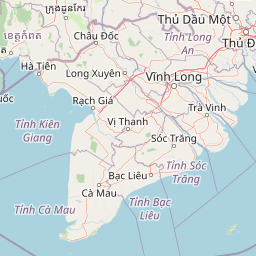
The landscape of Mũi Cà Mau National Park is defined by the dynamic interaction between land and sea in this coastal deltaic setting. The park spans two distinct zones: an inland area of approximately 15,262 hectares characterized by mangrove forests, freshwater wetlands, and low-lying terrain, and a coastal zone of approximately 26,600 hectares encompassing shallow marine waters, tidal flats, and the extensive mangrove-lined shoreline that marks the transition between terrestrial and marine environments. The terrain is predominantly flat, reflecting its deltaic origins, with elevation rarely rising above a few meters above sea level. Tidal channels and distributary waterways wind through the mangrove forests, creating a complex hydrological network that twice daily brings saltwater influence deep into the inland zones while also providing drainage for freshwater runoff from the surrounding landscape. The coastline features dense mangrove stands that form an almost continuous green barrier along the shore, their prop roots emerging from the muddy substrate to create a distinctive visual pattern visible from satellite imagery. This mangrove-lined coast transitions into open mudflats and shallow marine waters that extend into the Gulf of Thailand, particularly during low tide when vast areas of seabed are exposed.
Mũi Cà Mau National Park ecosystems, habitats, and plant life
The ecological character of Mũi Cà Mau National Park centers on its mangrove forest ecosystems, which represent some of the most biologically productive habitats in tropical regions. The mangroves at this site occur in multiple zones corresponding to tidal influence, with different species dominating from the water's edge inward and from the coastline toward the more terrestrial inland areas. These forests support complex food webs that begin with the detritus from mangrove leaves and organic material, which fuels vast populations of crustaceans, mollusks, and small fish that in turn support larger predators. The park's position at the southern tip of Vietnam places it along major migratory bird routes, making it an important seasonal habitat for waterfowl and shorebirds that use the wetlands as resting and feeding areas during their annual migrations. The marine component of the park encompasses shallow coastal waters with extensive seagrass beds and coral communities that add to the overall biodiversity. Water quality in the park is influenced by both freshwater inputs from the Mekong River system and saltwater tidal flows, creating a variable estuarine environment that supports specialized species adapted to fluctuating salinity conditions.
Mũi Cà Mau National Park wildlife and species highlights
Mũi Cà Mau National Park supports impressive biodiversity across multiple taxonomic groups, with official records indicating 26 species of mammals, 43 species of reptiles, 9 species of amphibians, 233 species of fish, and 93 species of birds within the protected area. The mammal community includes several species of bats, small rodents, and primates that inhabit the forest edges and mangrove areas, while the reptile population features various snake species, lizards, and turtles that utilize both terrestrial and aquatic habitats within the park. The fish community is particularly diverse, reflecting the estuarine nature of the environment and the presence of both freshwater and marine species that move through the area as part of their life cycles. Many of these fish species are of significant economic importance to local fishing communities, as the mangroves serve as critical nursery grounds where juvenile fish and shrimp develop before moving to deeper waters. The bird population includes numerous waterfowl and shorebird species that rely on the wetlands, with particular significance during migration seasons when the park hosts substantial numbers of migratory birds. Notable species include various herons, egrets, storks, and ducks that feed in the shallow waters and mudflats.
Mũi Cà Mau National Park conservation status and protection priorities
Mũi Cà Mau National Park holds significant conservation importance at both national and international levels, as evidenced by its Ramsar Wetland designation in 2013 recognizing its value as a wetland of international significance. The park protects what remains of Vietnam's southernmost coastal mangrove ecosystems, which have faced substantial pressure from aquaculture expansion, agricultural development, and other land-use changes across the Mekong Delta. Conservation efforts within the park focus on maintaining the integrity of the mangrove forest, protecting biodiversity, and supporting the ecosystem services that these wetlands provide to surrounding communities. A notable conservation initiative involves a five-year restoration plan targeting the replanting of approximately 150 hectares of mangroves by 2025, addressing both ecological restoration and disaster risk reduction. The mangroves serve as natural barriers against storms and coastal erosion, providing tangible protection to the delta's communities and agricultural lands, making their conservation a priority that extends beyond biodiversity concerns to direct human welfare. The park also plays a role in supporting sustainable fisheries by maintaining healthy nursery habitats for commercially important fish and shrimp species.
Mũi Cà Mau National Park cultural meaning and human context
Mũi Cà Mau National Park sits within a landscape shaped by generations of human interaction with the coastal environment, though the park's core protected zones maintain relatively limited direct human habitation. The surrounding region of Cà Mau province has a strong fishing and aquaculture tradition, with local communities depending on the marine resources that the park's ecosystems help sustain. The mangroves have historically provided local populations with wood, fish, crabs, and other products that support livelihoods, while also serving as a protective buffer during typhoons and storm surges that frequently affect the exposed coastline. The southernmost point of Vietnam, marked by the park's location, carries symbolic significance as a geographic extremity, representing the boundary where Vietnamese territory gives way to open water. This location has historical resonance as well, reflecting the broader relationship between Vietnamese society and the sea that has shaped much of the nation's history and economy.
Top sights and standout views in Mũi Cà Mau National Park
Mũi Cà Mau National Park offers visitors the opportunity to experience Vietnam's southernmost frontier, where mangrove forests create a unique green landscape against the backdrop of the Gulf of Thailand. The park provides excellent opportunities for birdwatching, particularly during migration seasons when significant numbers of waterfowl and shorebirds pass through the wetlands. The mangrove ecosystem itself is a striking feature, with its complex root systems emerging from tidal waters and supporting a rich community of crabs, fish, and other marine life visible at low tide. The park's Ramsar Wetland status reflects its international importance as a habitat for migratory birds and its role in supporting coastal fisheries. The natural beauty of the mangrove-lined coastline, with its intricate waterways and diverse wildlife, represents one of the most distinctive coastal landscapes in Vietnam. Conservation efforts focused on mangrove restoration demonstrate the park's ongoing ecological importance and its role in protecting the broader Mekong Delta from the impacts of climate change and sea-level rise.
Best time to visit Mũi Cà Mau National Park
The best time to visit Mũi Cà Mau National Park depends on what visitors hope to experience, though the dry season from December to April generally offers more comfortable conditions for exploration. During these months, rainfall is reduced and temperatures, while still warm, are somewhat less extreme than during the wet season. The dry season also corresponds with the peak of the bird migration season, making this an excellent time for birdwatching as numerous species pass through the wetlands. The wet season, from May to November, brings more frequent rainfall and higher humidity, but also supports the fullest expression of the mangrove ecosystem as water levels fluctuate more dramatically through tidal cycles. Visitors interested in wildlife viewing should note that the park's animals are present year-round, though early morning visits tend to offer the best chances of observing activity before the heat of midday. Regardless of season, the park's tidal patterns significantly influence the visitor experience, as the exposed mudflats and mangrove root systems visible at low tide create a distinctly different landscape than what appears at high tide.