

Mori Atlas logo
National parkBako National Park

Discover the mapped geography and unique biodiversity of Malaysia's oldest national park.

Bako National Park: Sarawak's Premier Protected Coastal Landscape & Ecosystem Atlas

(Taman Negara Bako)

Bako National Park, established in 1957 and located at the tip of the Muara Tebas peninsula within Kuching Division, Malaysia, represents a compact yet ecologically vital protected landscape. This oldest national park in Sarawak showcases millions of years of sandstone erosion that have sculpted a dramatic coastline of steep cliffs, rocky headlands, and sandy bays, featuring striking sea arches and seastacks. Within its approximately 27 square kilometers, Bako National Park remarkably encompasses seven distinct ecosystem types, offering a dense concentration of Borneo's natural diversity and making it a crucial site for understanding regional geography and protected-area mapping.

Coastal LandscapeRainforestProboscis MonkeysPitcher PlantsSea ArchesWildlife Watching

Bako National Park

National park

Park overview

Structured park overview, official facts, and landscape profile for Bako National Park

Bako National Park park facts, protected area profile, and essential visitor context
Review the core facts for Bako National Park, including designation, size, terrain, visitor scale, habitats, and operating context in one park-focused overview.

About Bako National Park

Bako National Park represents a remarkable example of ecological concentration within a compact area, protecting multiple distinct biomes that would typically require much larger territories to find together. Located at the northern tip of the Muara Tebas peninsula in Sarawak, the park sits at the confluence of the Bako and Kuching Rivers with the South China Sea, creating a landscape shaped by millions of years of sandstone erosion. The resulting terrain features a dramatic coastline of steep cliffs, rocky headlands, and white sandy bays, with wave action carving natural sea arches and distinctive seastacks along the shore. Despite its modest size of approximately 27 square kilometers, the park encompasses seven complete ecosystem types, making it a botanical treasure trove that contains nearly every plant species found across the entire island of Borneo. Visitors reach the park exclusively by boat from Kampung Bako, a journey of about 20 minutes that sets the tone for the park's secluded and natural character. The park offers 16 marked walking trails of varying lengths, allowing exploration of its diverse habitats, while additional beaches and geological features are accessible by boat. This combination of accessibility, diversity, and dramatic scenery has made Bako one of the most popular parks in Sarawak.

Quick facts and research context for Bako National Park

Bako National Park is located in Kuching Division, Sarawak, Malaysia, approximately 40 kilometers by road from Kuching city. Established in 1957, it is the oldest national park in Sarawak and one of the smallest at roughly 27 square kilometers. The park features a remarkable diversity of habitats including beach vegetation, cliff vegetation, kerangas heath forest, mangrove forest, mixed dipterocarp forest, padang grasslands, and peat swamp forest. The coastline displays dramatic sea arches and rock formations created by wave erosion, though the famous cobra-head stack collapsed in 2024. A network of 16 marked walking trails provides visitor access to the park's various landscapes and beaches.

Park context

Deeper park guide and search-rich context for Bako National Park

Bako National Park history, landscape, wildlife, and travel context
Explore Bako National Park through its history, landscape character, ecosystems, wildlife, conservation priorities, cultural context, and seasonal travel timing in a structured park guide built for atlas discovery and search intent.

Why Bako National Park stands out

Bako National Park is best known for its population of endangered proboscis monkeys, which are endemic to Borneo. The park is widely regarded as the best place in Sarawak to observe these distinctive primates in their natural habitat. Beyond the primates, the park is celebrated for its extraordinary concentration of ecosystems in a small area, featuring almost every type of vegetation found in Borneo across just 27 square kilometers. The dramatic coastal landscape with its sea arches, seastacks, and steep sandstone cliffs provides a visually striking backdrop that complements the ecological diversity. The presence of carnivorous plants, including multiple pitcher plant species, adds another dimension to the park's botanical significance.
Bako NP.jpg
Padang scrub at Bako National Park, with Nepenthes rafflesiana and N. gracilis climbing on shrub plant in foreground.

Bako National Park history and protected-area timeline

Bako National Park was established in 1957, making it the oldest national park in Sarawak and one of the earliest protected areas in Malaysian Borneo. Its creation marked a pioneering effort in conservation within the region, setting a precedent for the protection of Sarawak's natural landscapes. The park's establishment came at a time when awareness of the need to preserve unique ecosystems was growing, and Bako was designated specifically to protect its exceptional botanical diversity and coastal landscapes. Over the decades, the park has remained under the management of Sarawak Forestry, which has maintained its protection while developing visitor infrastructure. The park gained international attention when it served as the final Pit Stop location for The Amazing Race Asia 1, introducing the park to a broader international audience. More recently, a significant geological change occurred in 2024 when the park's most famous sea arch, shaped like a cobra's head and visible from boats and beaches, collapsed, ending one of the park's most recognizable natural landmarks.

Bako National Park landscape and geographic character

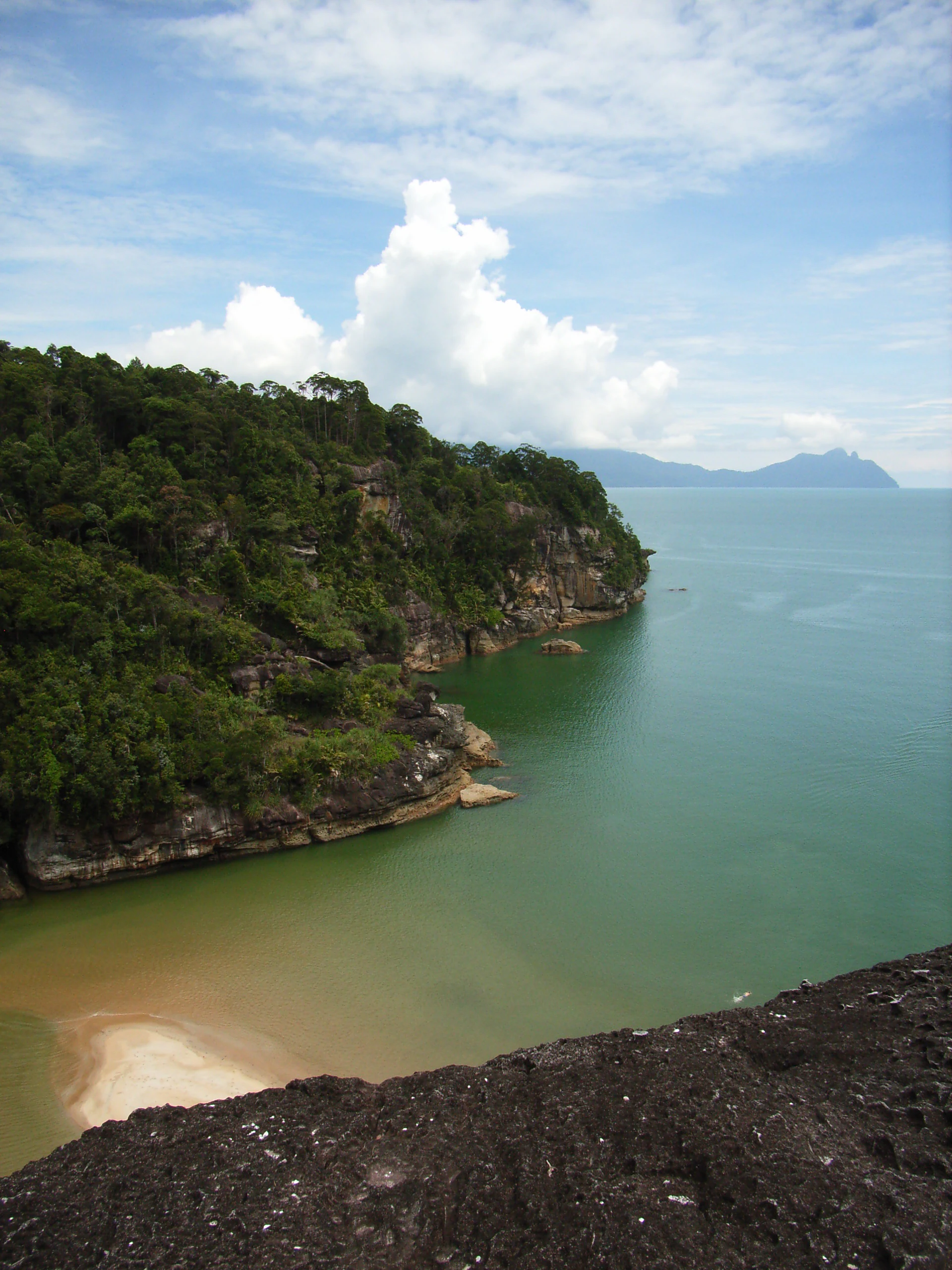
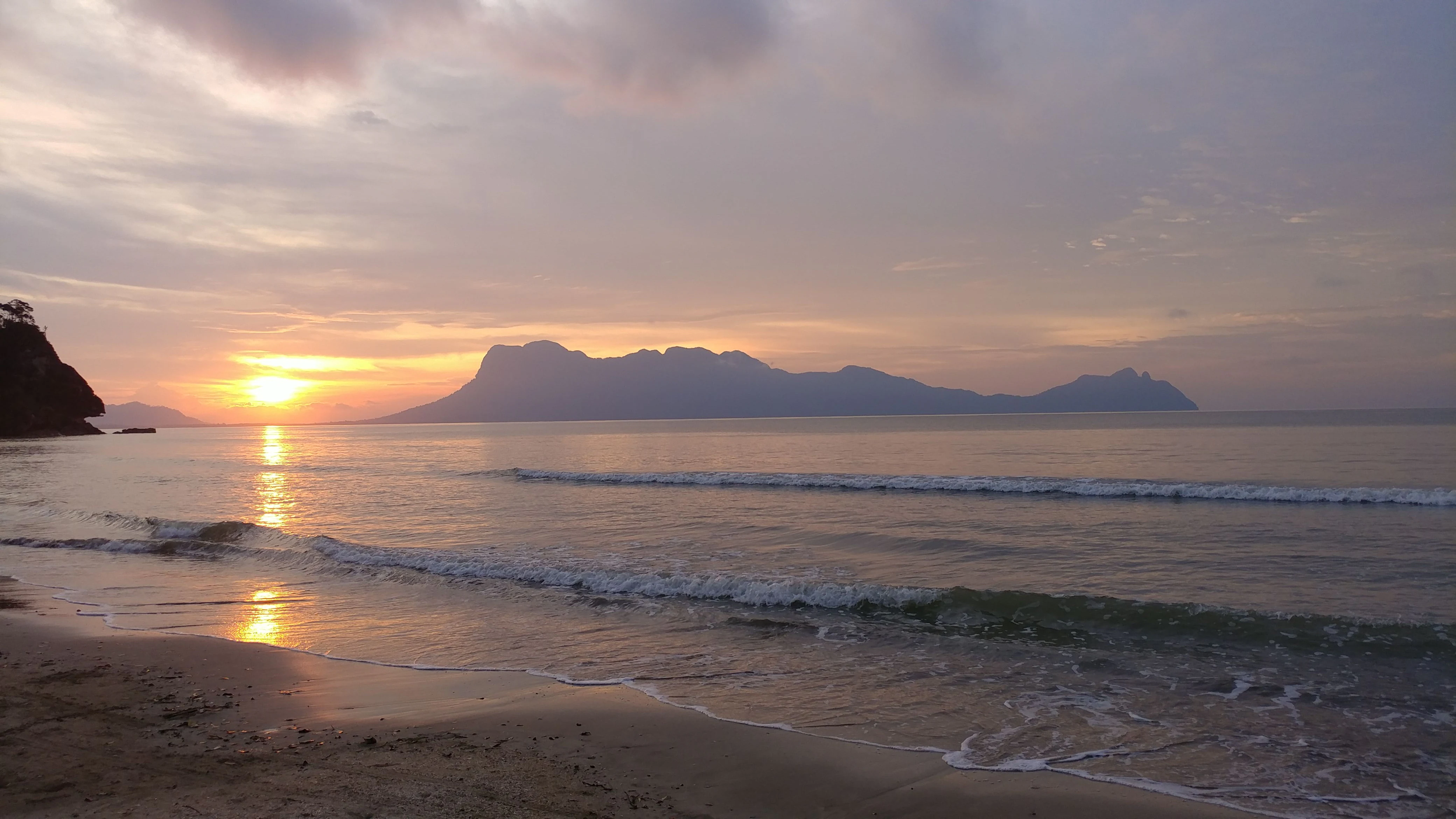
The landscape of Bako National Park is defined by its dramatic coastal geology, shaped by millions of years of erosion acting on sandstone formations. The coastline features steep cliffs that rise sharply from the sea, interspersed with rocky headlands that project into the water. Between these rocky promontories lie stretches of white, sandy bays that provide visitor access to the shore. Wave erosion at the base of the cliffs has carved numerous sea arches and seastacks, creating a visually spectacular shoreline that is among the most distinctive in Borneo. The famous cobra-head rock formation, which collapsed in 2024, was perhaps the most recognizable of these features, visible from both boat rides and from various beaches within the park. The inland areas feature undulating terrain covered by rainforest, with jungle streams and waterfalls adding to the landscape's diversity. The kerangas heath forest grows on nutrient-poor sandy soils, while peat swamp forests occupy lower-lying areas, creating a mosaic of forest types across the park's small footprint.
Bako National Park 2006
View from Bako National Park in Sarawak, Malaysia, Borneo.

Bako National Park ecosystems, habitats, and plant life

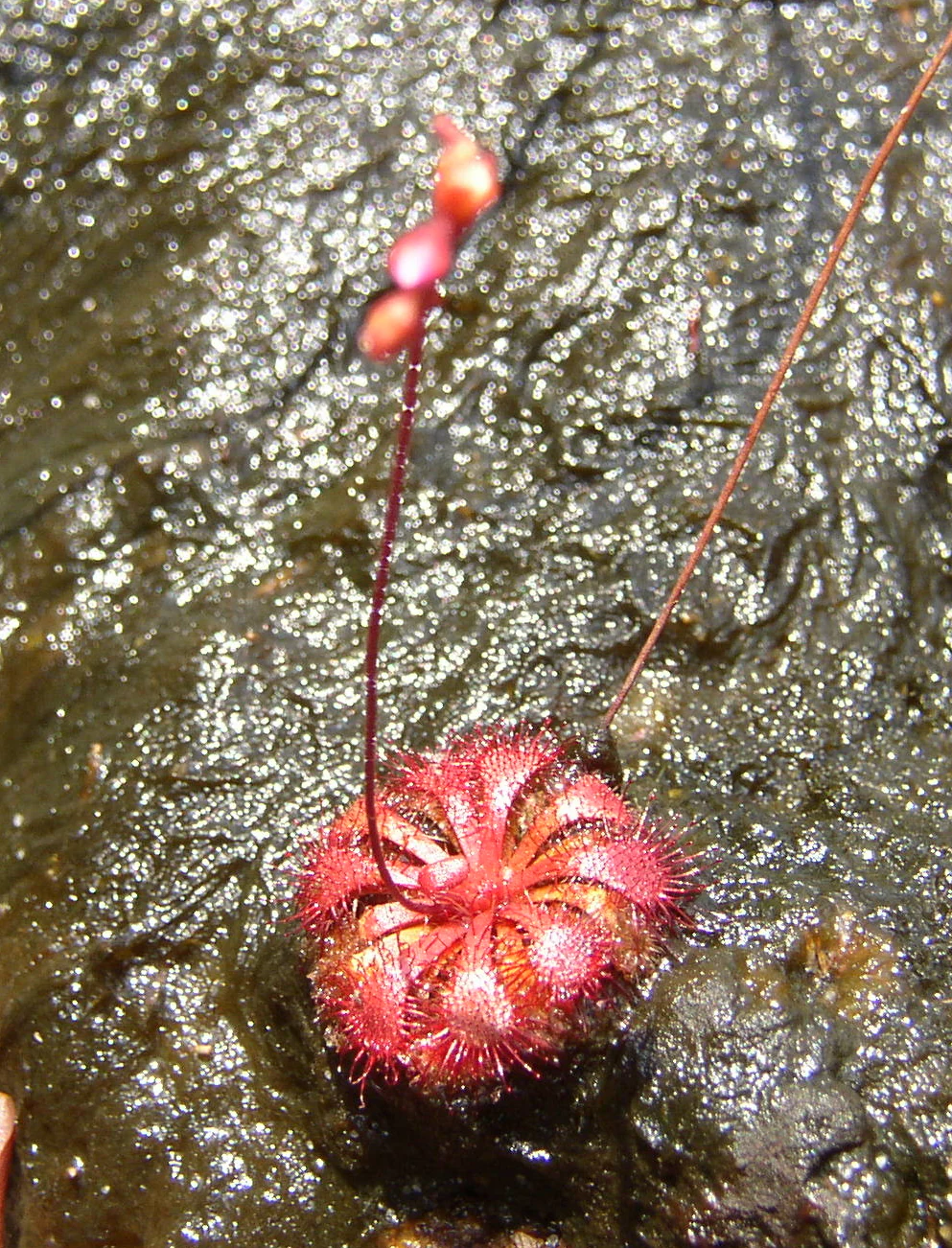
The botanical diversity of Bako National Park is extraordinary for its size, containing nearly every type of plant life found across Borneo within its 27 square kilometers. The park supports over 25 distinct vegetation types from seven complete ecosystems: beach vegetation along the shoreline, cliff vegetation on the steep coastal faces, kerangas or heath forest on the sandy soils, mangrove forest in the tidal zones, mixed dipterocarp forest in the lowland areas, padang or grassland vegetation, and peat swamp forest in the lower regions. This extraordinary concentration of habitats makes the park botanically significant far beyond what its modest size would suggest. The park is particularly notable for its carnivorous plants, including four species of pitcher plants, sundews, and bladderworts, which thrive in the nutrient-poor environments of the heath forests and peat areas. The variety of tree species and other plants is immense, with the Malaysian Wikipedia source recording 316 plant species within the park.
Beach outside park HQ
Beach located outside the park headquarters at Bako National Park.

Bako National Park wildlife and species highlights

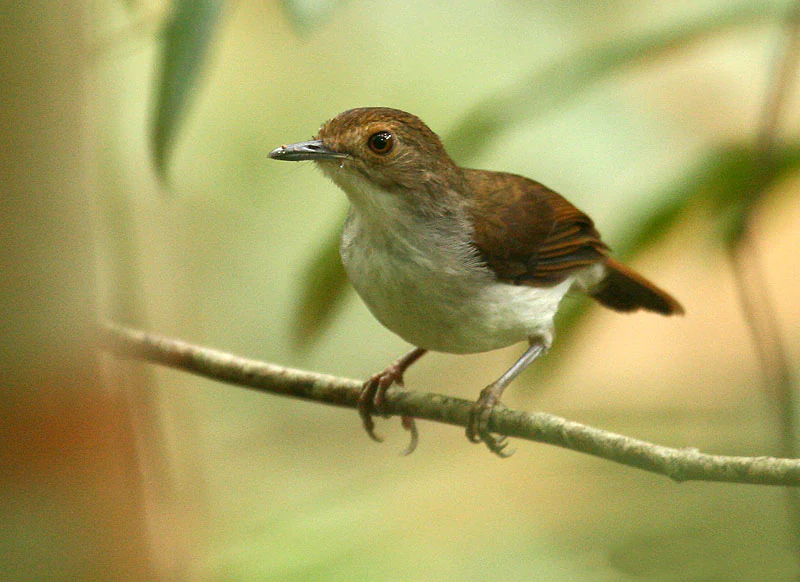
Bako National Park supports a remarkable array of wildlife, with approximately 150 endangered proboscis monkeys making the park their home. These distinctive primates, endemic to Borneo and recognizable by their large, dangling noses, represent the park's most famous animal residents, and Bako is widely considered the best place to see proboscis monkeys in Sarawak. The primate community also includes long-tailed macaques and silvered langurs, which are commonly observed in the forest and near the camp headquarters. Other mammals include the Bornean bearded pig, plantain squirrel, otter, colugo, pangolin, mousedeer, various bat species, tarsier, slow loris, and palm civet. The reptile population is diverse, with monitor lizards being commonly spotted, along with various snakes and lizards, most of which are harmless. Bird watching is particularly rewarding, with over 150 bird species recorded in the park. The nocturnal wildlife adds another dimension to the park's biodiversity, with several species only observable after dark.

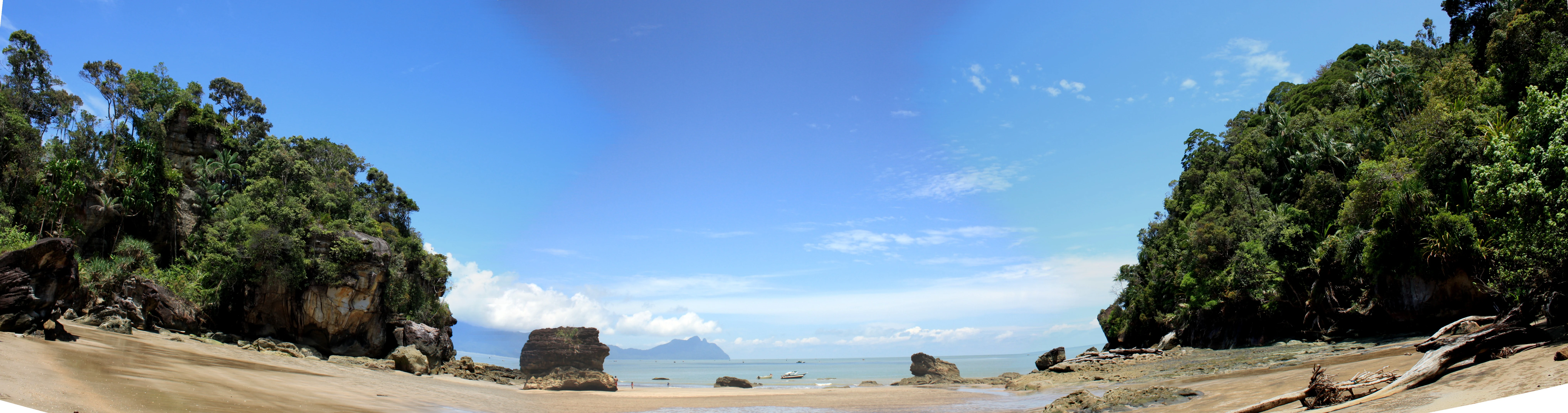
Bako National Park Panorama
Panorama of Bako National Park.

Bako National Park conservation status and protection priorities

Bako National Park was established in 1957 as the oldest national park in Sarawak, representing an early commitment to protecting the region's unique natural heritage. The park's conservation significance stems from its extraordinary botanical diversity, with seven complete ecosystems protected within a compact area, including rare kerangas heath forest and peat swamp forest habitats. The protection of proboscis monkeys is particularly important, as these endangered primates are endemic to Borneo and face habitat pressures across their range. The park's multiple ecosystem types and the presence of endangered species make it a priority area for conservation in Malaysian Borneo. The 1957 protection designation has ensured that the coastal landscapes, forest habitats, and wildlife have remained preserved despite development pressures in the surrounding region.

Bako National Park cultural meaning and human context

Bako National Park is situated within the traditional territory of Sarawak's indigenous communities, though the park itself is managed as a protected area under Sarawak Forestry. The local Malay and Melanau communities have historically interacted with the coastline and marine resources of the region. The village of Kampung Bako serves as the gateway to the park, with local boat operators providing the essential water transport that visitors require to access the park. This community relationship remains important to the park's operation, as the boat ride from Kampung Bako is the only practical means of reaching the park headquarters. The park's name in Malay, Taman Negara Bako, reflects its national park status within Malaysia's protected area system.
Juvenile Proboscis Monkey.jpg
Juvenile Proboscis Monkey in Bako National Park, Borneo, Malaysia

Top sights and standout views in Bako National Park

Bako National Park's highlights include its dramatic sea arch and seastack coastline, which showcases nature's erosive power over millions of years, though the famous cobra-head formation collapsed in 2024. The park's seven ecosystem types within a compact area represent an extraordinary concentration of biodiversity, with nearly every Borneo plant species represented. The endangered proboscis monkey population, approximately 150 individuals, provides the park's most iconic wildlife viewing opportunity, and Bako is recognized as the best place in Sarawak to observe these endemic primates. The network of 16 walking trails allows visitors to explore diverse habitats from beach to peat swamp forest, while the secluded beaches and boat-accessible coves offer additional exploration options. The presence of carnivorous plants, including multiple pitcher plant species, adds a botanical fascination that distinguishes the park from typical tropical forest reserves.
Monkey2.JPG
Long-tailed macaques eating a horseshoe crab in Bako National Park, Sarawak.

Best time to visit Bako National Park

The optimal time to visit Bako National Park is during the drier months from April to September, when conditions are less humid and rainfall is reduced. The park is generally open year-round, but the period from October to March corresponds with the monsoon season, bringing heavier rainfall and higher humidity that can make outdoor activities less comfortable. The dry season offers better conditions for walking the trails and observing wildlife, though visitors should still be prepared for the tropical environment. The park can be visited as a day trip from Kuching, but those wishing to fully explore the trail network and enjoy the beaches at different times of day may prefer to stay at the campground or forestry service bungalows.
Park location guide

Geography guide, regional context, and park location map for Bako National Park

Bako National Park park geography, regions, and map view in Malaysia
Understand where Bako National Park sits in Malaysia through a broader geographic reading of the surrounding landscape, nearby location context, and its mapped position within the national park landscape.

How Bako National Park fits into Malaysia

Malaysia is a federal constitutional monarchy located in Southeast Asia. The country consists of 13 states and three federal territories, divided by the South China Sea into Peninsular Malaysia on the Indochinese Peninsula and East Malaysia on the island of Borneo. With a population of over 34 million, it achieved independence from Britain in 1957 and became a modern federation in 1963. The country is recognized for its multicultural population, tropical climate, and significant economic role in the region.

Wider geography shaping Bako National Park in Malaysia

Malaysia occupies a strategic position in Southeast Asia, split by the South China Sea into two distinct regions. Peninsular Malaysia lies on the Indochinese Peninsula, sharing a land border with Thailand to the north and maritime borders with Singapore, Vietnam, and Indonesia. East Malaysia occupies the northern portion of Borneo, sharing land borders with Brunei and Indonesia, and maritime borders with the Philippines and Vietnam. The country's terrain includes coastal plains, mountain ranges such as the Titiwangsa in the peninsula, and extensive tropical rainforests.

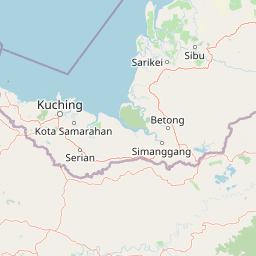
Map view of Bako National Park

Use this park location map to pinpoint Bako National Park in Malaysia, understand its exact geographic position, and read its mapped placement within the surrounding landscape more clearly.

Pigeon | © OpenStreetMap contributors

Location context for Bako National Park

Kuching DivisionSarawak
Park atlas

Explore the Regional Spread of Protected Landscapes, Comparing Parks Along Borneo's Coastline

Discover Other National Parks and Protected Areas Near Bako National Park
After exploring Bako National Park's unique coastal geology and rich ecosystems, broaden your geographic discovery by browsing other national parks and protected areas in the surrounding Borneo region. Compare their diverse landscapes, conservation features, and wildlife to understand regional protected-area geography beyond one park.
National parkSarawak

Rajang Mangroves National Park: Borneo's Premier Mangrove Protected Landscape

Explore the mapped geography and wetland conservation of this Sarawak national park.

Rajang Mangroves National Park is a significant protected area dedicated to preserving the intricate mangrove swamp ecosystems of Sarawak's Rajang River delta. Encompassing a vast expanse of tidal channels and riverine forests, this national park serves as a critical habitat for unique wildlife and plays a vital role in coastal ecological health. Its landscape is defined by the dynamic interface between riverine and marine environments, offering a prime example of wetland conservation within Borneo's broader natural geography and atlas context.

Area
107 km²
Established
2000
IUCN
II
National parkCentral Kalimantan

Bukit Baka Bukit Raya National Park: Central Kalimantan's Protected Montane Rainforest Landscape

Explore the geographic core of Borneo's Schwaner mountain range.

Bukit Baka Bukit Raya National Park is a critical national park situated in Central Kalimantan, Indonesia, recognized for its extensive montane tropical rainforests and rugged topography. The park's landscape is dominated by the Schwaner mountain range, featuring prominent peaks like Bukit Raya, and functions as a vital watershed and biodiversity corridor. This protected area offers a rich subject for understanding regional geography, mapped landscapes, and the significance of Borneo's natural heritage within an atlas context.

Area
1,810 km²
Established
1992
IUCN
II
Relief
Mountain
Nature reserveBrunei

Luagan Lalak Forest Recreation Park Nature Reserve: Brunei's Pristine Freshwater Swamp Landscape

Explore mapped protected-area geography and unique wetland terrain.

Luagan Lalak Forest Recreation Park, a protected nature reserve in Brunei, preserves a rare and visually distinctive freshwater swamp ecosystem. Characterized by dark, tranquil waters and vast fields of purun grass, this natural wetland offers a unique landscape context and is a prime location for observing its rich biodiversity, especially its notable birdlife. The park's preservation as an intact swamp environment within a recreational area highlights its ecological importance for regional geography and protected-area mapping.

Area
2.7 km²
Established
1980
IUCN
II
National parkNorth Kalimantan

Kayan Mentarang National Park: A Protected Landscape in North Kalimantan

Explore Borneo's critical protected area and its vast forest geography.

Kayan Mentarang National Park is an immense protected area in North Kalimantan, Indonesia, renowned for being a crucial part of the Heart of Borneo conservation initiative. This national park encompasses over 13,600 square kilometers of primary tropical rainforest, sheltering diverse montane and lowland habitats along the Indonesia-Malaysia border. Its importance lies in its vast, contiguous landscape, critical role in regional biodiversity, and its representation of one of Southeast Asia's last great wilderness expanses, offering significant insight into mapped protected areas.

Area
13,605 km²
Established
1996
IUCN
II
Scope
Mixed
Protected areaBrunei-Muara District

Bukit Shahbandar Forest Recreation Park: Protected Area with Ridge Landscape & Hiking Trails

Explore Brunei's unique recreational forest terrain and mapped natural features.

Bukit Shahbandar Forest Recreation Park is a notable protected area within the Brunei-Muara District, distinguished by its prominent grassy ridge and a network of challenging hiking trails that traverse its varied terrain. The park's landscape is characterized by rolling hills, including peaks that reach nearly 470 feet, offering strategic vantage points. As a recreational forest, it provides a distinct example of protected land use, blending modified natural vegetation with opportunities for outdoor activity and geographic discovery. Its unique topography and trail system offer a clear focus for atlas-based exploration.

Area
2.34 km²
Established
1998
IUCN
II
National parkBrunei

Ulu Temburong National Park: Brunei's Protected Rainforest Landscape and Geographic Context

Mapped natural terrain and conservation significance.

Ulu Temburong National Park represents Brunei's commitment to preserving its most ecologically significant tropical rainforests, covering approximately 550 square kilometers. This protected area is characterized by its remote location in the Temburong District and its diverse topography, ranging from lowland areas to mountainous ridges, all within a largely undisturbed natural setting. The park's mapped boundaries encompass a vital transboundary conservation landscape, making it a key site for understanding Borneo's unique ecosystems and forest protection policies through an atlas-driven exploration approach.

Area
488.59 km²
Established
1991
IUCN
II
Relief
Mixed relief
National parkBà Rịa–Vũng Tàu province

Côn Đảo National Park: Island Protected Landscape and Marine Geography

Explore mapped terrain and protected land boundaries.

Côn Đảo National Park presents a rich island geography featuring mountainous terrain, dense forests, and vibrant marine ecosystems. As a protected national park, it safeguards crucial habitats for endangered sea turtles and dugongs, alongside extensive coral reef systems and seagrass beds. This detailed atlas entry offers insight into the park's unique landscape context within Bà Rịa, Vũng Tàu province, highlighting its significance for conservation and geographic exploration.

Area
150.43 km²
Established
1993
IUCN
II
National parkLampung

Way Kambas National Park: Mapped Lowland Rainforest and Wetland Ecosystems

Explore the geography and protected landscape of this Indonesian national park.

Way Kambas National Park in Lampung, Indonesia, is a significant protected area characterized by its extensive lowland rainforest and varied wetland habitats. The park's landscape features swamp forests, coastal fringes, and river systems, creating a unique ecological mosaic. It serves as a critical sanctuary for endangered species, offering a vital context for understanding Sumatra's remaining natural landscapes. Explore the mapped boundaries and geographic identity of this important conservation area.

Area
1,300 km²
Established
1989
IUCN
II

Common questions about visiting, size, designation, and location context for Bako National Park

Bako National Park FAQs for park facts, access, geography, and protected area context
Find quick answers about Bako National Park, including protected-area facts, park geography, trail and visitor context, and how the park fits into its surrounding country and regional landscape.
MoriAtlas Explorer

Continue Your Protected Areas Search Across the Global Atlas

Deepen your exploration by continuing the structured search for national parks and protected areas worldwide. Utilize the comprehensive filtering capabilities to compare different conservation landscapes and refine your understanding of global park geography. Discover more about the distribution and characteristics of protected natural areas.

Global natural geography