

Mori Atlas logo
National parkMeru Betiri National Park

Trace the mapped boundaries and diverse terrains of this key Indonesian national park.

Meru Betiri National Park: Protected Landscape, East Java Geography & Atlas Context

(Taman Nasional Meru Betiri)

Meru Betiri National Park in East Java, Indonesia, represents a significant protected landscape spanning diverse topography from coastal plains and mangrove shores to steep volcanic highlands. This page offers an atlas-driven exploration of Meru Betiri National Park, detailing its geographic setting, unique mapped terrain, and ecological importance as a national park. Understand the park's role in conservation and its unique position within the regional geography of Java.

National ParkCoastal Protected AreaMountain LandscapeSea Turtle Nesting SiteTropical RainforestMangrove Ecosystem

Meru Betiri National Park

National park

Park overview

Structured park overview, official facts, and landscape profile for Meru Betiri National Park

Meru Betiri National Park park facts, protected area profile, and essential visitor context
Review the core facts for Meru Betiri National Park, including designation, size, terrain, visitor scale, habitats, and operating context in one park-focused overview.

About Meru Betiri National Park

Meru Betiri National Park occupies a strategic position along the southeastern coast of East Java, protecting a landscape of extraordinary ecological diversity within a relatively compact area. The park's geographic range spans from sea level along its beaches to nearly 1,200 meters at the summit of Mount Betiri, creating a vertical gradient that supports multiple distinct ecosystem types. This topographic complexity, combined with the park's position at the interface between tropical marine and terrestrial environments, produces a richness of habitats uncommon in Java's protected areas. The park's coastal sections feature several significant beaches that serve as crucial nesting sites for marine turtles, while its inland areas contain remaining patches of lowland rainforest that once covered much of Java's eastern peninsula. The mountainous interior, though less accessible, preserves montane forest communities and watershed areas that feed the rivers flowing to the coast. Beyond its ecological value, the park represents decades of conservation commitment, evolving from colonial-era protected forest through wildlife sanctuary to national park status, reflecting Indonesia's broader environmental protection priorities.

Quick facts and research context for Meru Betiri National Park

Meru Betiri National Park covers 580 square kilometers in East Java, Indonesia, with a small marine component of about 8.45 square kilometers. The park was formally established as a national park in 1982 with final designation in 1997, succeeding earlier protection as a wildlife sanctuary from 1972 and protected forest dating to 1931. The landscape ranges from coastal beaches including Rajegwesi, Sukamade, and Permisan through mangrove swamps and lowland rainforest to mountainous terrain with peaks exceeding 1,100 meters. The monsoon-influenced climate brings annual rainfall between 2,300 and 4,000 millimeters, supporting dense tropical vegetation across the park's varied elevations.

Park context

Deeper park guide and search-rich context for Meru Betiri National Park

Meru Betiri National Park history, landscape, wildlife, and travel context
Explore Meru Betiri National Park through its history, landscape character, ecosystems, wildlife, conservation priorities, cultural context, and seasonal travel timing in a structured park guide built for atlas discovery and search intent.

Why Meru Betiri National Park stands out

Meru Betiri National Park is best known for its critical role as a nesting ground for four endangered species of sea turtle: the leatherback, hawksbill, green, and olive ridley all use the park's beaches for reproduction. The park also gained fame as the historical last habitat of the Javan tiger, with the last confirmed sighting recorded in 1976. The presence of Rafflesia zollingeriana, a rare parasitic plant, adds another dimension of botanical significance. The park's dramatic topography, transitioning from coastal beaches through forested foothills to mountain summits within a single protected area, makes it a distinctive conservation landscape in Java.

Meru Betiri National Park history and protected-area timeline

The protection of Meru Betiri's forests began during the Dutch colonial period, when the area was first designated as a protected forest in 1931, making it one of Java's earliest officially recognized conservation landscapes. This early protection reflected recognition of the region's valuable timber resources and watershed functions. Following Indonesian independence, the area received elevated protection status in 1972 when it was established as a wildlife sanctuary covering approximately 500 square kilometers, with primary emphasis on preserving habitat for the endangered Javan tiger, which at that time was still considered present in the region. The sanctuary was expanded to its current extent of 580 square kilometers in 1982, incorporating a marine component of 845 hectares, and was simultaneously declared a national park though formal designation was completed in 1997. Research efforts have continued to monitor the tiger population, with camera trap surveys conducted as recently as 2011 to verify the species' status, though the Javan tiger is now considered extinct with no confirmed sightings since 1976.

Meru Betiri National Park landscape and geographic character

Meru Betiri National Park presents a dramatic coastal-to-mountain profile that defines its visual identity. The park's western section features several accessible sandy beaches including Rajegwesi Beach, Sukamade Beach, Permisan Beach, Meru Beach, and Bandealit Beach, where coastal plains give way to hilly terrain as the land rises toward the interior. The eastern portions of the coast are generally more mountainous, with steep terrain descending directly to the sea. Within the park's interior, a series of volcanic peaks create a mountainous backbone, with Mount Gamping reaching 538 meters, Mount Butak at 609 meters, Mount Sukamade Atas at 801 meters, Mount Gendong at 840 meters, Mount Mandilis at 844 meters, and the highest point Mount Betiri at 1,192 meters. Several perennial rivers including the Sukamade River, Permisan River, Meru River, and Sekar Pisang River traverse the park, flowing from the highland watersheds to the southern coast. The combination of coastal beach, mangrove bay, swamp forest, and mountain landscape creates a visually varied terrain uncommon among Java's protected areas.

Meru Betiri National Park ecosystems, habitats, and plant life

The ecological complexity of Meru Betiri National Park manifests in its five distinct vegetation types, each supporting characteristic flora and associated wildlife communities. Coastal vegetation dominates the shoreline zones around Sukamade Bay and Meru Bay, featuring species adapted to salt exposure and sandy conditions. Moving inland, mangrove vegetation occupies the eastern side of Rajegwesi Bay and the estuarine areas of Meru Bay and Sukamade Coast, with dominant genera including Rhizophora, Avicennia, and Bruguiera, plus the unusual Nypa fruticans at the Sukamade River outlet. Behind the mangroves, swamp vegetation contains tree species such as Manilkara kauki, Gluta renghas, Alstonia scholaris, and Sterculia foetida. The lowland tropical rainforest supports diverse tree communities including Pterospermum, Tetrameles nudiflora, Ficus variegata, Diospyros cauliflora, and many others. Wetland areas feature rheophytic vegetation dominated by Saccharum spontaneum. The park also contains the rare parasitic plant Rafflesia zollingeriana, rediscovered within the Krecek Block, a significant botanical find for Java.

Meru Betiri National Park wildlife and species highlights

Meru Betiri National Park supports substantial biodiversity with 29 mammal species and 180 bird species recorded within its boundaries. The mammal community includes significant species such as the banteng, Javan leopard, wild boar, long-tailed macaque, Sumatran dhole, Javanese flying squirrel, leopard cat, Javan muntjac, and green peafowl. The park achieved particular fame as the last known refuge of the Javan tiger, with the last confirmed sighting occurring in 1976; subsequent searches have found only unconfirmed痕迹, and the subspecies is now considered extinct. The coastal beaches provide crucial nesting habitat for four endangered sea turtle species: the leatherback sea turtle, hawksbill sea turtle, green sea turtle, and olive ridley sea turtle all regularly nest on the park's shores, making this one of Java's most important marine turtle conservation sites.

Meru Betiri National Park conservation status and protection priorities

Meru Betiri National Park represents decades of evolving conservation priority, from colonial forest protection through modern national park designation. The park's establishment reflected multiple conservation imperatives: preserving Java's remaining lowland rainforest, protecting critical sea turtle nesting beaches, and maintaining potential tiger habitat. The designation as a wildlife sanctuary in 1972 specifically prioritized Javan tiger conservation, though subsequent evidence suggested the population had already declined beyond recovery. The expansion to national park status in 1982 incorporated marine habitat, recognizing the interconnectedness of coastal and terrestrial ecosystems. The presence of Rafflesia zollingeriana adds international botanical significance, as this parasitic plant species is endemic to limited areas of Java and is considered a flagship for specialized habitat conservation.

Meru Betiri National Park cultural meaning and human context

Meru Betiri National Park is situated in the southeastern region of East Java, a province with rich Javanese cultural heritage. The park's coastal communities have traditionally interacted with the marine environment, and the nesting beaches hold significance beyond their ecological value. The park's interior, with its steep terrain and dense forest, has historically served as a watershed protection zone for downstream agricultural areas. While the park does not contain major cultural heritage sites, the landscape has been part of the regional identity for communities in theJember area, and the forest's protection dates reflect colonial-era resource management priorities that shaped modern Indonesian conservation boundaries.

Top sights and standout views in Meru Betiri National Park

The combination of coastal beaches, mountain peaks, and forest habitats within a single protected area makes Meru Betiri distinctive among Java's national parks. Sea turtle nesting on the park's beaches represents one of the most reliable wildlife spectacles, with multiple species returning annually to lay eggs on the same shores that have supported this behavior for generations. The historical significance of Javan tiger presence, even as an extinct population, adds a layer of conservation narrative that connects the park to broader discussions of Indonesian wildlife extinction and habitat protection. The presence of Rafflesia zollingeriana provides a botanical highlight for visitors with interest in rare and specialized plants.

Best time to visit Meru Betiri National Park

The monsoon-influenced climate of Meru Betiri creates distinct wet and dry seasons that affect the visitor experience. The wet season from November to March brings heavier rainfall, which can restrict some trail access and make interior exploration more challenging, though the landscape becomes lusher and waterfalls may be more impressive. The dry season from April to October generally offers more reliable conditions for trekking and wildlife observation, though rainfall remains significant with annual totals between 2,300 and 4,000 millimeters distributed across approximately seven wet months. Sea turtle nesting occurs year-round, with some seasonal peaks that local guides can inform. Visitors seeking to explore the full range of habitats, from beach to mountain, will find the drier months more conducive to multi-day treks into the park's interior.

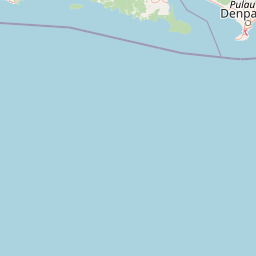
Park location guide

Geography guide, regional context, and park location map for Meru Betiri National Park

Meru Betiri National Park park geography, regions, and map view in Indonesia
Understand where Meru Betiri National Park sits in Indonesia through a broader geographic reading of the surrounding landscape, nearby location context, and its mapped position within the national park landscape.

How Meru Betiri National Park fits into Indonesia

Indonesia is a vast archipelagic nation in Southeast Asia and Oceania, spanning over 17,000 islands between the Indian and Pacific Oceans. As the world's fourth-most populous country with 288 million people, it features extraordinary cultural and biological diversity, withJavanese and Sundanese being the largest ethnic groups. The country gained independence from the Netherlands in 1945 and operates as a unitary presidential republic.

Wider geography shaping Meru Betiri National Park in Indonesia

Indonesia is situated in Southeast Asia and Oceania, spanning the equatorial region between the Indian Ocean to the west and the Pacific Ocean to the east. The archipelago includes major islands such as Sumatra, Java, Sulawesi, and parts of Borneo and New Guinea. It borders Papua New Guinea, Timor-Leste, and Malaysia by land, with extensive maritime boundaries throughout the region.

Map view of Meru Betiri National Park

Use this park location map to pinpoint Meru Betiri National Park in Indonesia, understand its exact geographic position, and read its mapped placement within the surrounding landscape more clearly.

Pigeon | © OpenStreetMap contributors

Location context for Meru Betiri National Park

East Java
Park atlas

Compare diverse protected landscapes and coastal-to-mountain terrain across East Java and Indonesia.

Explore Nearby National Parks and Protected Areas around Meru Betiri National Park in East Java
Users exploring Meru Betiri National Park can browse a curated list of other national parks and protected areas, tracing similar coastal, rainforest, and mountainous conservation landscapes across East Java. Broaden your geographic understanding of Indonesia's varied protected regions, comparing ecological features and conservation priorities beyond a single park entity.
National parkEast Nusa Tenggara

Manupeu Tanah Daru National Park: National Park Protected Landscape and East Nusa Tenggara Geography

Discover its mapped boundaries and regional atlas context.

Delve into the protected landscape of Manupeu Tanah Daru National Park, a significant national park situated within East Nusa Tenggara. This dedicated page provides detailed geographic context, focusing on the park's mapped boundaries and its contribution to the regional natural landscape. Understand its identity as a protected area and explore its place within the broader atlas of global conservation lands, fostering a deeper appreciation for its distinct geographic characteristics.

Area
879.84 km²
Established
1998
IUCN
II
National parkCentral Kalimantan

Bukit Baka Bukit Raya National Park: Central Kalimantan's Protected Montane Rainforest Landscape

Explore the geographic core of Borneo's Schwaner mountain range.

Bukit Baka Bukit Raya National Park is a critical national park situated in Central Kalimantan, Indonesia, recognized for its extensive montane tropical rainforests and rugged topography. The park's landscape is dominated by the Schwaner mountain range, featuring prominent peaks like Bukit Raya, and functions as a vital watershed and biodiversity corridor. This protected area offers a rich subject for understanding regional geography, mapped landscapes, and the significance of Borneo's natural heritage within an atlas context.

Area
1,810 km²
Established
1992
IUCN
II
Relief
Mountain
National parkEast Nusa Tenggara

Kelimutu National Park: Volcanic Terrain and Colored Crater Lakes in East Nusa Tenggara

Explore the mapped geography of this unique Indonesian national park.

Kelimutu National Park represents a remarkable protected landscape in East Nusa Tenggara, Indonesia, distinguished by its volcanic origins and the famed three colored lakes of Mount Kelimutu. This national park protects diverse montane forests and offers a unique insight into the region's geological wonders. Its geography features volcanic slopes and the iconic caldera, making it a significant point of interest for atlas-driven exploration of protected natural areas.

Area
50 km²
Established
1992
IUCN
II
National parkBanten

Ujung Kulon National Park: Atlas of Java's Last Lowland Rainforest and Protected Landscapes

Explore the unique geography and critical conservation importance of this vital protected area.

Ujung Kulon National Park, located in Banten, Indonesia, is a crucial protected landscape recognized for its ecological significance. This national park represents the last substantial area of lowland rainforest remaining on Java, making it an indispensable sanctuary. It is globally recognized as the primary and final refuge for the Javan rhinoceros, a critically endangered species. The park's geography encompasses the Ujung Kulon peninsula and mountain ranges, alongside vital marine environments, contributing to its status as a UNESCO World Heritage Site and a cornerstone of regional conservation efforts.

Area
497.59 km²
Established
1992
IUCN
II
National parkLampung

Way Kambas National Park: Mapped Lowland Rainforest and Wetland Ecosystems

Explore the geography and protected landscape of this Indonesian national park.

Way Kambas National Park in Lampung, Indonesia, is a significant protected area characterized by its extensive lowland rainforest and varied wetland habitats. The park's landscape features swamp forests, coastal fringes, and river systems, creating a unique ecological mosaic. It serves as a critical sanctuary for endangered species, offering a vital context for understanding Sumatra's remaining natural landscapes. Explore the mapped boundaries and geographic identity of this important conservation area.

Area
1,300 km²
Established
1989
IUCN
II
National parkCentral Sulawesi

Lore Lindu National Park: Central Sulawesi's Protected Landscape and Atlas Anchor

Explore its endemic species, megalithic sites, and rich geography.

Lore Lindu National Park stands as a critical protected area within Central Sulawesi, Indonesia, recognized for its exceptional endemic biodiversity and profound archaeological importance. This national park features a dramatic geographic setting, rising from lowland forests to montane ecosystems and encompassing ancient megalithic structures within its protected landscape. Understanding Lore Lindu National Park through its mapped boundaries and unique regional geography offers deep insights into conservation and cultural heritage, providing a focal point for atlas-based discovery.

Area
2,180 km²
Established
1982
IUCN
II
National parkSumatra

Bukit Barisan Selatan National Park: Sumatra's Critical Tropical Rainforest Corridor

Explore mapped boundaries and regional geography within this protected area.

Bukit Barisan Selatan National Park is a substantial national park located in Sumatra, Indonesia, designated as a protected landscape along the southern Bukit Barisan mountain range. Spanning a considerable area, it functions as a crucial corridor of tropical rainforest, playing a pivotal role in conservation efforts and the preservation of Sumatra's unique geographic identity. This page serves as a dedicated entry point for understanding the park's protected area status and its mapped presence within the broader regional geography of Indonesia.

Area
3,568 km²
Established
1982
IUCN
II
National parkKuching Division

Bako National Park: Sarawak's Oldest National Park and Coastal Protected Landscape

Explore diverse ecosystems and dramatic mapped geology near Kuching Division.

Bako National Park, the oldest national park in Sarawak, Malaysia, offers a profound study in ecological concentration and geological drama. Covering a mere 27 square kilometers on the Muara Tebas peninsula, it encapsulates seven distinct ecosystem types, from coastal heath forest to mangrove areas, supporting significant biodiversity. The park's protected landscape is defined by its stunning sandstone coastline, carved by the sea into cliffs, arches, and seastacks, providing a unique geographic context. This makes Bako an essential destination for understanding Borneo's environmental diversity and the mapped boundaries of its conservation areas.

Area
27 km²
Established
1957
IUCN
II

Common questions about visiting, size, designation, and location context for Meru Betiri National Park

Meru Betiri National Park FAQs for park facts, access, geography, and protected area context
Find quick answers about Meru Betiri National Park, including protected-area facts, park geography, trail and visitor context, and how the park fits into its surrounding country and regional landscape.
MoriAtlas Explorer

Continue Your Protected Areas Search Across the Global Atlas

Deepen your exploration by continuing the structured search for national parks and protected areas worldwide. Utilize the comprehensive filtering capabilities to compare different conservation landscapes and refine your understanding of global park geography. Discover more about the distribution and characteristics of protected natural areas.

Global natural geography