
Mori Atlas logo
National parkLangtang National Park

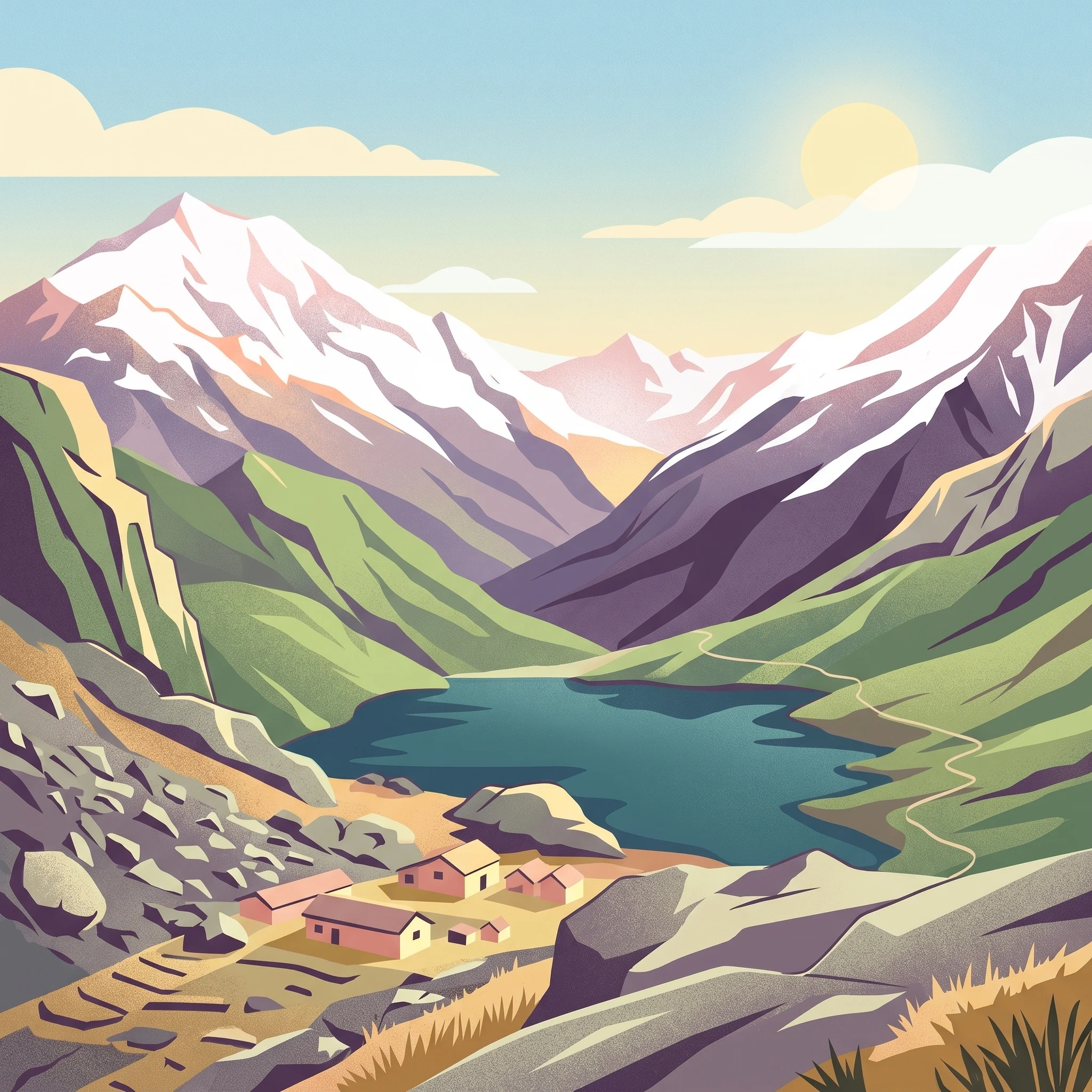
Discover the mapped glaciated terrain and alpine ecosystems of this iconic Himalayan national park.

Langtang National Park: Nepal's Premier Himalayan Protected Landscape and Atlas Entry

Langtang National Park represents the core of Nepal's high-altitude protected areas, established as the nation's first Himalayan national park. This protected landscape offers a detailed atlas view of dramatic glaciated terrain, rising peaks like Langtang Lirung, and diverse alpine ecosystems across the central Himalayas. Explore the mapped boundaries and unique geographic context that define this significant conservation area.

Himalayan national parkmountain protected areaalpine ecosystemsglacial landscapetrekking destinationsacred lake

Langtang National Park

National park

Park overview

Structured park overview, official facts, and landscape profile for Langtang National Park

Langtang National Park park facts, protected area profile, and essential visitor context
Review the core facts for Langtang National Park, including designation, size, terrain, visitor scale, habitats, and operating context in one park-focused overview.

About Langtang National Park

Langtang National Park occupies a significant position in Nepal's protected area system as the country's inaugural Himalayan national park. The park's establishment in 1976 marked a pivotal moment in Nepal's conservation history, recognizing the need to protect the unique high-altitude ecosystems of the Himalayas. The park spans the Nuwakot, Rasuwa, and Sindhulpalchok Districts in central Nepal, encompassing an area of approximately 1,710 square kilometers. The terrain is dominated by the high Himalayan frontier where snow-capped peaks, glacial valleys, and steep river gorges create one of the most dramatic mountain landscapes in the region. The Langtang Valley, the park's central feature, has long served as a corridor for trade and cultural exchange between Nepal and Tibet, and today remains home to Tamang communities whose Buddhist heritage is woven into the landscape. The park's northern and eastern boundaries connect directly with the Qomolangma National Nature Preserve in China's Tibet Autonomous Region, forming a transboundary conservation landscape of significant ecological importance.

Quick facts and research context for Langtang National Park

Langtang National Park stretches across a steep altitudinal gradient from roughly 1,000 meters to over 7,000 meters, creating remarkable ecological diversity within its boundaries. The park was formally gazetted in 1976 following royal approval in 1970, and a 420-square-kilometer buffer zone was added in 1998. The landscape is bisected by the Dorje Lakpa range reaching 6,988 meters, while the northern and eastern boundaries connect with China's Qomolangma National Nature Preserve. The park contains the sacred Gosainkunda lake at 4,300 meters elevation, a site of religious significance for Hindu and Buddhist pilgrims. The western boundary follows the Trishuli River while the Bhote Koshi marks the eastern edge.

Park context

Deeper park guide and search-rich context for Langtang National Park

Langtang National Park history, landscape, wildlife, and travel context
Explore Langtang National Park through its history, landscape character, ecosystems, wildlife, conservation priorities, cultural context, and seasonal travel timing in a structured park guide built for atlas discovery and search intent.

Why Langtang National Park stands out

Langtang National Park is best known as Nepal's first Himalayan national park and one of the most accessible high-altitude protected areas in the country. The Langtang Valley offers trekkers a rare opportunity to experience dramatic glaciated terrain, alpine meadows, and traditional Tamang villages against a backdrop of towering peaks. The park contains exceptional biodiversity across 14 vegetation types ranging from subtropical forests to alpine scrub and permanent ice fields. Gosainkunda Lake, a high-altitude sacred site, draws religious pilgrims who regard its waters as holy. The combination of spectacular mountain scenery, cultural richness, and relative accessibility has made this one of Nepal's most popular trekking destinations.
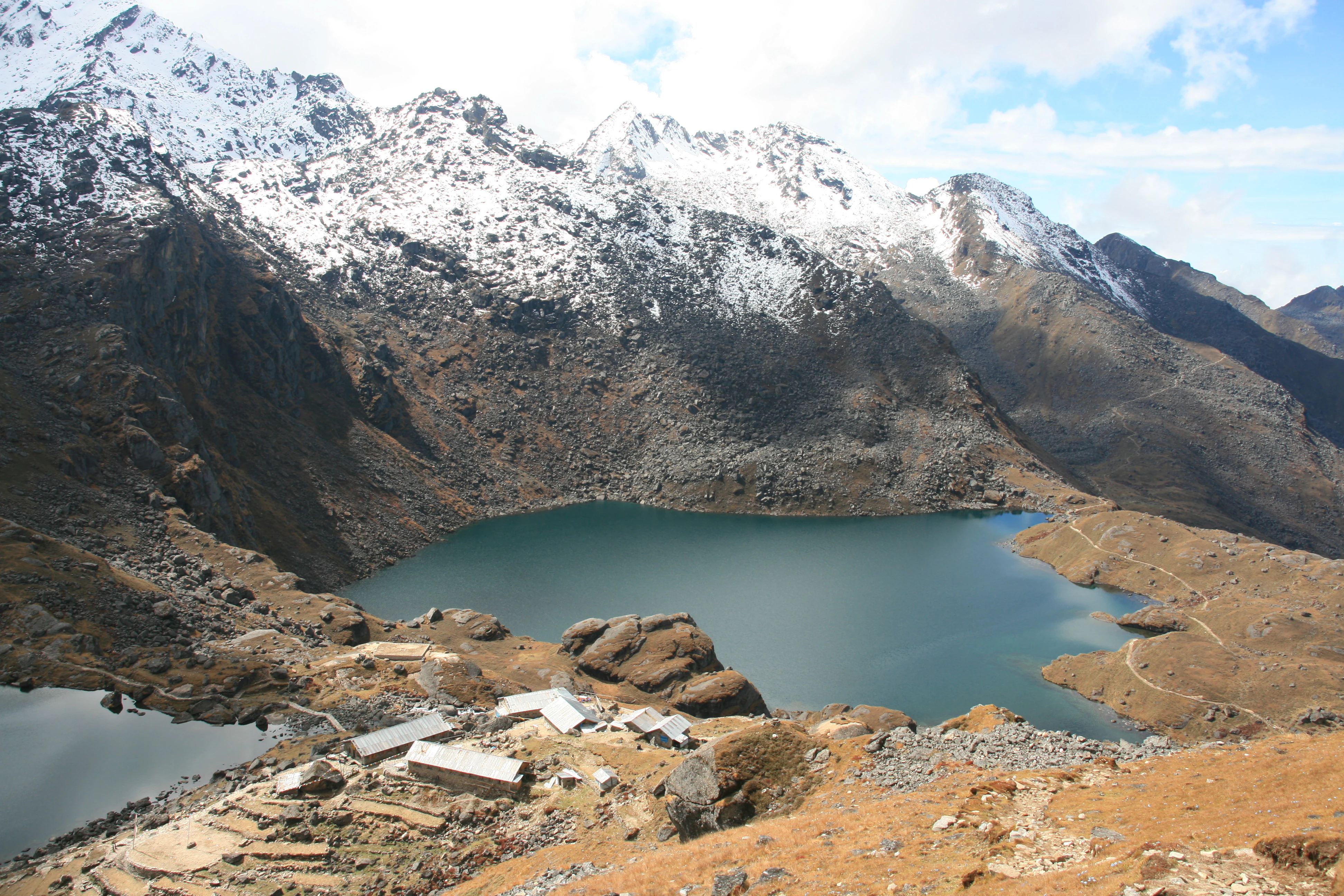
Gosainkunda Lake
Lake beside Gosainkunda Lake, Langtang, Nepal

Langtang National Park history and protected-area timeline

The creation of Langtang National Park emerged from growing recognition in the late 1960s and early 1970s of the need to protect Nepal's Himalayan ecosystems. Royal approval in 1970 designated Langtang as the country's first Himalayan protected area, and the national park was formally gazetted in 1976, becoming Nepal's fourth protected area overall. In 1998, the park was expanded with a buffer zone covering approximately 420 square kilometers, providing additional protection for the core area and supporting sustainable use by local communities. The park has experienced significant tragedy that has shaped its recent history. On July 31, 1992, Thai Airways International Flight 311 crashed into the park while on approach to Kathmandu, resulting in the deaths of all 113 people aboard. Perhaps more significantly, on April 25, 2015, the devastating Nepal earthquake triggered a massive avalanche that destroyed the village of Langtang within the park, killing at least 215 people. The International Astronomical Union honored this lost community in 2016 by naming a 9.8-kilometer-wide crater on Mars after the village.

Langtang National Park landscape and geographic character

The physical landscape of Langtang National Park is defined by its position along the Himalayan frontier, where massive mountain ranges rise abruptly from deep river valleys. The park's terrain is bisected from west to east by the Dorje Lakpa range, whose peaks reach 6,988 meters and create a dramatic backbone across the protected area. The highest summit within the park is Langtang Lirung at 7,245 meters, its permanently snow-capped peak visible from the valley floor far below. The landscape is carved by two major river systems: the Bhote Koshi forms the eastern boundary while the Trishuli River marks the western edge. Between these river valleys, the terrain rises steeply through a sequence of ecological zones, from forested mid-height slopes through alpine meadows and rocky terrain to permanent snow and ice. The Gosainkunda lake sits at 4,300 meters elevation within a basin surrounded by alpine terrain, its sacred waters reflecting the surrounding peaks.
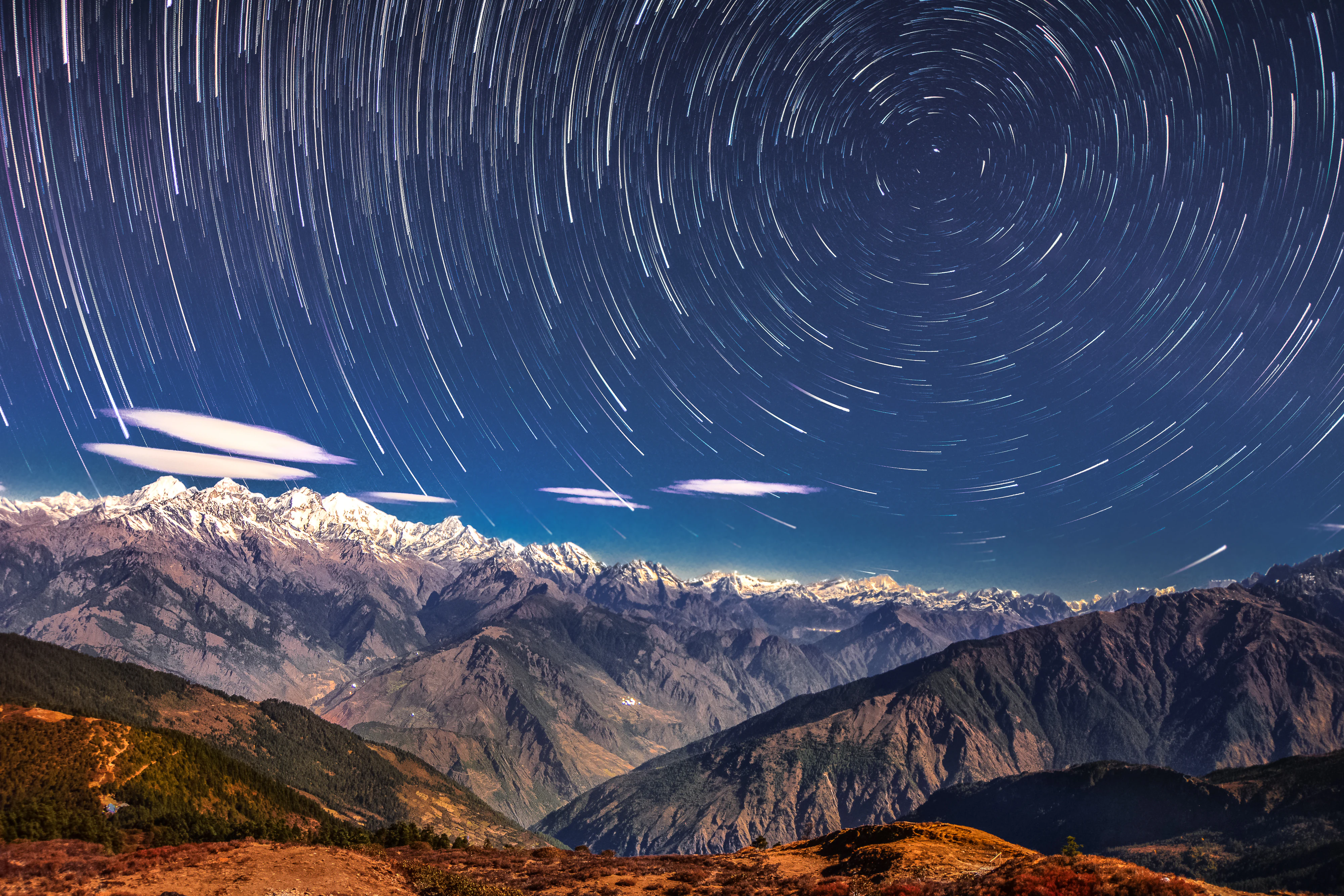
Starry night in Langtang National Park
Photograph of a natural site in Nepal.

Langtang National Park ecosystems, habitats, and plant life

Langtang National Park supports remarkable ecological diversity across an extraordinary altitudinal range that produces 14 distinct vegetation types within 18 different ecosystem types. Below approximately 1,000 meters, the park contains upper tropical forests characterized by broadleaf species adapted to the warm, humid conditions of the Himalayan foothills. As elevation increases, the forest transitions through subtropical and temperate zones before giving way to alpine vegetation communities. The park's higher elevations feature alpine scrub and perennial ice, with vegetation limited to hardy species capable of surviving extreme conditions. This gradient of habitats creates exceptional biodiversity, supporting both lowland and high-altitude species within a single protected area. The park forms part of the Sacred Himalayan Landscape, a conservation initiative that recognizes the interconnectedness of ecosystems across national boundaries.

Langtang National Park wildlife and species highlights

The diverse habitats within Langtang National Park support a range of notable wildlife species. The forested lower slopes provide habitat for various mammal species adapted to the Himalayan environment, while the higher terrain offers suitable habitat for species characteristic of alpine zones. The protected area's position along a major mountain corridor creates conditions favorable for birdlife, with both resident species and migratory visitors using the various elevation zones. The presence of intact forest habitat and protected status contributes to the park's significance as a refuge for wildlife in the heavily populated Himalayan region. While specific species details vary across the altitudinal range, the park's ecological diversity creates conditions supporting both common and regionally significant species.

Langtang National Park conservation status and protection priorities

Langtang National Park represents Nepal's pioneering effort to protect Himalayan ecosystems and remains one of the country's most important protected areas. As the first Himalayan national park in Nepal, it established a model for mountain conservation in the country and demonstrated the feasibility of protecting high-altitude environments while accommodating local communities. The 1998 addition of a 420-square-kilometer buffer zone expanded the conservation framework to include sustainable use areas that support local livelihoods while reducing pressure on the core protected area. The park's inclusion in the Sacred Himalayan Landscape initiative connects it to broader transboundary conservation efforts spanning Nepal and Tibet. The protected status helps preserve both the exceptional biodiversity across the park's multiple vegetation zones and the traditional management practices of the resident Tamang communities whose relationship with this landscape predates formal protection.

Langtang National Park cultural meaning and human context

Langtang National Park is home to approximately 26 village communities, predominantly of Tamang ethnic heritage, whose culture is deeply intertwined with the landscape they inhabit. The Tamang people maintain Buddhist traditions and a traditional way of life that includes pastoral activities and cultivation adapted to the high-altitude environment. The Langtang Valley has historically served as a trade route between Nepal and Tibet, creating a cultural corridor where Buddhist practices and traditions have flourished for centuries. Within the park, the Gosainkunda lake holds particular religious significance, visited by Hindu and Buddhist pilgrims who regard its waters as sacred. The 2015 earthquake and avalanche that destroyed the village of Langtang represented not merely a natural disaster but a profound loss of a cultural community that had shaped and been shaped by this mountain landscape for generations. The resilience of the surviving communities and the ongoing cultural practices within the park represent the enduring human dimension of this protected area.

Top sights and standout views in Langtang National Park

Langtang National Park offers trekking opportunities through one of Nepal's most spectacular mountain valleys, with views of snow-capped peaks including Langtang Lirung rising above alpine meadows and traditional villages. The sacred Gosainkunda lake at 4,300 meters provides both a spiritual destination and a spectacular high-altitude landscape feature. The park's diversity of ecosystems, from subtropical forests to glacial terrain, creates remarkable ecological variety within a single protected area. As Nepal's first Himalayan national park, it provides accessible introduction to high-altitude mountain environments while maintaining strong conservation values. The cultural heritage of the Tamang communities, visible in village architecture, Buddhist practices, and traditional land use, adds depth to the wilderness experience.

Best time to visit Langtang National Park

The most favorable time to visit Langtang National Park corresponds with the pre-monsoon and post-monsoon seasons when weather conditions are most stable for trekking. The period from March through May brings spring conditions with pleasant temperatures at lower elevations and rhododendron blooms adding color to the landscape, though higher passes may still hold snow. October and November offer clear skies and stable weather following the monsoon retreat, providing excellent mountain visibility and comfortable trekking conditions. The summer monsoon season from June through September brings heavy precipitation to the region, creating challenging trail conditions and reduced visibility. Winter months bring cold temperatures and significant snowfall that closes higher routes, though lower valley areas may still be accessible. The extreme elevation variation within the park means that weather conditions can change rapidly and differ substantially between valley floors and alpine passes.
Park location guide

Geography guide, regional context, and park location map for Langtang National Park

Langtang National Park park geography, regions, and map view in Nepal
Understand where Langtang National Park sits in Nepal through a broader geographic reading of the surrounding landscape, nearby location context, and its mapped position within the national park landscape.

How Langtang National Park fits into Nepal

Nepal is a federal parliamentary republic in South Asia, landlocked between China and India. It spans the Himalayas and includes eight of the world's ten highest mountains. Kathmandu is the capital and largest city.

Wider geography shaping Langtang National Park in Nepal

Nepal is located in South Asia, landlocked between China to the north and India to the south, east, and west. The country occupies the Himalayan region in the north and extends into the Indo-Gangetic Plain in the south. Terrain includes the Terai lowlands, subalpine hills, and the Himalayas with peaks including Mount Everest.

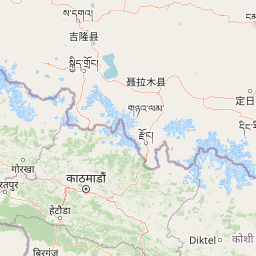
Map view of Langtang National Park

Use this park location map to pinpoint Langtang National Park in Nepal, understand its exact geographic position, and read its mapped placement within the surrounding landscape more clearly.

Pigeon | © OpenStreetMap contributors

Location context for Langtang National Park

Nuwakot DistrictRasuwa DistrictSindhulpalchok District

Discover the diverse mountain terrain, glaciated valleys, and protected habitats shaping Nepal's iconic Himalayan park.

Explore Langtang National Park: Visual Guide to Himalayan Landscapes and Alpine Scenery
Visually explore the distinct Himalayan landscapes and diverse ecosystems of Langtang National Park, featuring its towering peaks, alpine meadows, and glaciated valleys. Understanding the park's visual character, from its mountain terrain to traditional villages, offers crucial context for appreciating this protected area's unique identity and conservation value.

Gosainkunda Lake

Sunrise paints Langtang National Park

Starry night in Langtang National Park

Park atlas

Compare Langtang National Park with nearby protected areas, tracing the regional spread of Nepal's high-altitude conservation landscapes.

Explore Parks Near Langtang National Park: Compare Protected Areas and Himalayan Landscapes
Browse national parks and protected areas within or adjacent to the Himalayan terrain surrounding Langtang National Park, exploring a diverse atlas of conservation landscapes. Comparing these protected areas provides valuable geographic context, revealing how varied high-altitude ecosystems are safeguarded across Nepal's rugged mountain regions.
National parkWest Champaran District

Valmiki National Park: A Vital National Park and Protected Landscape in Bihar

Explore unique Sivalik terrain and mapped protected area boundaries

Valmiki National Park, located in the West Champaran District of Bihar, is a significant protected area renowned for its unique geography. Situated at the interface of the Himalayas and the Gangetic plains, the park showcases a varied terrain including ridges, gorges, dense forests, and extensive wetlands. As Bihar's only national park and a designated tiger reserve, it offers rich insights into conservation landscapes and regional biodiversity for atlas exploration.

Area
898.45 km²
Established
1990
IUCN
II
National parkDarjeeling District

Singalila National Park: A High-Altitude Protected Landscape on the Eastern Himalayan Ridge

Explore mapped terrain and alpine park geography in Darjeeling District.

Singalila National Park represents a crucial protected natural landscape within the Eastern Himalayas, located in India's Darjeeling District. Defined by its dramatic ridgeline that ascends to over 4,000 meters, the park offers a unique alpine environment with stunning panoramic views. Its designation as a national park highlights its importance for conservation and its role in the regional geographic atlas. Discover the mapped boundaries and ecological context of this remarkable mountain wilderness, from its dense forests to its open alpine meadows.

Area
78.6 km²
Established
1986
IUCN
II
National parkNepal

Shey Phoksundo National Park: Nepal's Largest Trans-Himalayan Protected Landscape with Phoksundo Lake

Explore alpine terrain and unique protected ecosystems.

Delve into the geographical distinctiveness of Shey Phoksundo National Park, Nepal's expansive protected area. This park is defined by its dramatic elevation changes and the striking Phoksundo Lake, a vivid turquoise alpine reservoir set against barren, mountainous terrain. Understanding its trans-Himalayan setting and protected landscape context reveals its importance within the broader atlas of global natural areas.

Area
3,555 km²
Established
1984
IUCN
II
National parkBhutan

Jigme Dorji National Park: Bhutan's Vast Protected Landscape and Himalayan Geography

Explore mapped boundaries and diverse ecosystems within this national park.

Jigme Dorji National Park, located in the heart of Bhutan, is a testament to the country's commitment to conservation, covering over 4,300 square kilometers of pristine Himalayan terrain. This national park encompasses diverse ecosystems, from lush subtropical forests in its lower reaches to barren alpine meadows and permanent snowfields at its highest elevations. The park's extensive mapped boundaries showcase a landscape vital for unique wildlife and sacred cultural sites, offering a comprehensive view for atlas-based geographic discovery.

Area
4,316 km²
Established
1974
IUCN
II
Relief
Mountain
National parkBardiya District

Bardiya National Park: Nepal's Expansive Terai Protected Landscape and Atlas

Mapped geography, tiger habitat, and rhino conservation in Bardiya District.

Bardiya National Park represents a significant protected area within Nepal's Terai lowlands, providing an exceptional resource for geographic discovery. Its diverse terrain, including vast grasslands and dense forests bisected by major river systems like the Karnali and Babai, creates unique ecosystems. As the largest national park in Nepal, it is instrumental in mapping wildlife corridors and understanding regional landscape dynamics, particularly for endangered species such as Bengal tigers and Indian rhinoceroses. This park offers a profound glimpse into the mapped natural heritage of the Bardiya District.

Area
968 km²
Established
1988
IUCN
II
National parkAlipurduar district

Jaldapara National Park: India's Premier Grassland and Rhino Conservation Landscape

Explore mapped boundaries and savanna terrain in Alipurduar district.

Jaldapara National Park is a protected national park in India's Alipurduar district, celebrated for its expansive rolling grasslands and significant population of Indian one-horned rhinoceros. This protected area showcases a distinctive savanna landscape, an unusual feature among Indian national parks, interspersed with riverine forests. Its elevation of 61 meters above sea level positions it at the edge of the Eastern Himalayas, offering a unique geographic setting for understanding regional biodiversity and conservation efforts.

Area
216.51 km²
Established
2014
IUCN
II
Wildlife reserveBhutan

Motithang Takin Preserve: Bhutan Wildlife Reserve with Unique Protected Landscape Context

Explore the mapped geography and national animal sanctuary.

The Motithang Takin Preserve offers a unique glimpse into Bhutan's dedication to its national animal, the takin. This wildlife reserve, located near the capital city, provides a defined protected area where the distinctive goat-antelope thrives. By examining the preserve's mapped boundaries and its forested terrain, users gain insight into Bhutan's approach to conservation and the cultural significance of this iconic species within the Himalayan landscape.

Area
0.034 km²
IUCN
IV
Wildlife reserveBhutan

Phibsoo Wildlife Sanctuary: Bhutan's Wildlife Reserve Atlas and Geographic Identity

Mapping the protected landscape and natural terrain of this Bhutanese sanctuary.

Delve into the specifics of Phibsoo Wildlife Sanctuary, a protected wildlife reserve situated within the geographic expanse of Bhutan. This park detail page focuses on its identity as a conservation landscape, offering insights into its mapped terrain and its significance within the broader regional geography of the Eastern Himalayas. Understand the protected boundaries and the unique natural context that Phibsoo Wildlife Sanctuary represents.

Area
268.93 km²
Established
2009
IUCN
IV

Common questions about visiting, size, designation, and location context for Langtang National Park

Langtang National Park FAQs for park facts, access, geography, and protected area context
Find quick answers about Langtang National Park, including protected-area facts, park geography, trail and visitor context, and how the park fits into its surrounding country and regional landscape.
MoriAtlas Explorer

Continue Your Protected Areas Search Across the Global Atlas

Deepen your exploration by continuing the structured search for national parks and protected areas worldwide. Utilize the comprehensive filtering capabilities to compare different conservation landscapes and refine your understanding of global park geography. Discover more about the distribution and characteristics of protected natural areas.

Global natural geography