Why Shey Phoksundo National Park stands out
Shey Phoksundo National Park is best known for its extraordinary combination of trans-Himalayan ecology and the spectacular Phoksundo Lake, whose turquoise waters stand in striking contrast to the surrounding barren, mountainous terrain. The park has gained international recognition for its significant snow leopard population, with recent surveys estimating approximately 90 individuals roaming the rugged terrain, making it one of the most important snow leopard habitats in Nepal. The dramatic elevation gradient from 2,130 to 6,885 meters creates a unique ecological corridor that supports both Himalayan temperate forests and Tibetan plateau-like alpine meadows. The ancient Shey Gompa, established in the 11th century, anchors the park's cultural significance, representing centuries of Buddhist tradition woven into this rugged landscape.
Shey Phoksundo National Park history and protected-area timeline
Shey Phoksundo National Park was established in 1984 as Nepal's response to the growing need for comprehensive protection of the country's trans-Himalayan ecosystems. Prior to national park designation, the region had long been recognized for its ecological and cultural significance, with the Shey Gompa area serving as a spiritual center since the 11th century. The creation of the park represented a recognition that the unique trans-Himalayan environment required formal protection status beyond the existing sacred mountain traditions that had preserved much of the landscape for centuries. In September 2007, Phoksundo Lake received international recognition as a Ramsar site, placing it among the world's wetlands of importance and adding another layer of protection to the park's most iconic feature. The Department of National Parks and Wildlife Conservation maintains administrative oversight, with management strategies increasingly incorporating community-based conservation approaches that recognize the integral role of local populations in long-term environmental stewardship.
Shey Phoksundo National Park landscape and geographic character
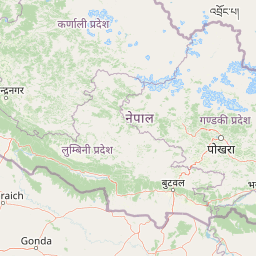
The landscape of Shey Phoksundo National Park is defined by dramatic elevation changes and the stark contrast between glacial valleys and barren Himalayan peaks. The park spans from the subtropical lower valleys at 2,130 meters near Ankhe in the southeast, ascending through temperate forest zones before reaching the alpine and nival zones that culminate at 6,883 meters on Kanjiroba Himal at the southern edge of the Tibetan Plateau. Phoksundo Lake occupies a prominent position in the upper reaches of the Suligad river valley, its turquoise waters fed by glacial melt and surrounded by dramatic cliffs and hanging valleys. The Langu river drains the high Dolpo plateau in the northeast, while the Suligad and Jugdual rivers form the southern catchment, eventually flowing south into the Thuli Bheri River. The terrain features a complex interplay of steep alpine walls, U-shaped glacial valleys, alpine meadows, and the distinctive rock-strewn landscapes typical of the trans-Himalayan zone.
Shey Phoksundo National Park ecosystems, habitats, and plant life
The trans-Himalayan setting of Shey Phoksundo National Park creates a unique ecological environment that differs substantially from the better-known Himalayan parks on the southern slopes of the range. The park supports a remarkable diversity of habitats ranging from dense forests of blue pine, fir, and birch in the lower valleys to alpine meadows and sparse vegetation on the Tibetan plateau-like northern reaches. The arid conditions in the northern sections support specialized flora adapted to cold desert conditions, while the lake and its associated wetlands provide critical habitat for waterfowl and migratory birds. The Phoksundo Lake ecosystem, with its Ramsar designation, represents a wetland of international importance, supporting species dependent on high-altitude aquatic environments. The vegetation patterns reflect the rain shadow effect of the Himalayas, creating conditions more similar to central Asian ecosystems than to the lush Himalayan forests found to the south.
Shey Phoksundo National Park wildlife and species highlights
Shey Phoksundo National Park supports an impressive array of endangered and threatened species, with the snow leopard serving as the park's flagship conservation icon. Recent surveys conducted between 2019 and 2022 by the Department of National Parks and Wildlife Conservation, with support from the World Wildlife Fund, documented approximately 90 snow leopards within the park, representing a density of 2.21 individuals per 100 square kilometers among the highest recorded for the species. The park provides habitat for several other endangered carnivores, including the common leopard and Himalayan black bear. Notable ungulate species include the grey wolf, musk deer, bharal (blue sheep), goral, argali (great Tibetan sheep), and Himalayan tahr, all of which depend on the park's diverse terrain for their survival. This concentration of large mammals in a relatively compact area reflects the ecological significance of the trans-Himalayan corridor that the park protects.
Shey Phoksundo National Park conservation status and protection priorities
Shey Phoksundo National Park plays a critical role in global conservation efforts, particularly for snow leopard protection, as evidenced by the park's significant population of approximately 90 individuals representing one of the densest concentrations of this elusive apex predator anywhere in its range. The Ramsar designation of Phoksundo Lake in 2007 added international wetland protection to the park's conservation framework, recognizing the lake's importance as habitat for waterfowl and its role in broader watershed protection. The trans-Himalayan position of the park makes it strategically important for maintaining ecological connectivity across the Himalayan range, allowing species adapted to both temperate and plateau conditions to migrate and maintain genetic exchange. The park's remote location and the traditional conservation ethic of local Buddhist communities have provided de facto protection for wildlife, though increasing tourism pressures and climate change impacts on glacial systems present ongoing management challenges.
Shey Phoksundo National Park cultural meaning and human context
The cultural landscape of Shey Phoksundo National Park is deeply interwoven with Buddhist tradition, most prominently represented by Shey Gompa, founded in the 11th century and serving as one of the region's oldest spiritual centers. Several gompas scattered throughout the park reflect the long history of human habitation and religious practice in this remote Himalayan environment. Local communities, predominantly practicing Tibetan Buddhism, have maintained traditional land-use patterns that are compatible with conservation goals, creating a model for integrated community-based natural resource management. The region historically formed part of ancient trade routes connecting Nepal with Tibet, and the cultural exchange that resulted from these interactions left lasting marks on the architecture, religious practices, and social structures of the area. The sacred status of Phoksundo Lake within Buddhist tradition has contributed to its preservation, demonstrating how cultural values can support conservation outcomes.
Top sights and standout views in Shey Phoksundo National Park
Shey Phoksundo National Park offers visitors an unparalleled combination of natural grandeur and cultural depth in a setting that represents the finest qualities of Nepal's protected areas. The turquoise expanse of Phoksundo Lake, set against dramatic mountain walls and accessible via challenging but rewarding trekking routes, provides the park's most iconic visual experience. The opportunity to encounter snow leopards in their natural habitat draws wildlife enthusiasts and researchers from around the world, with recent surveys confirming healthy population numbers. The trans-Hilmalgayan ecosystem provides habitat diversity found in few other protected areas, allowing visitors to experience landscapes ranging from forested valleys to Tibetan plateau conditions within a single park boundary. The ancient gompas, particularly Shey Gompa, offer cultural immersion opportunities that connect visitors to centuries of Himalayan Buddhist tradition. The park's status as Nepal's largest protected area ensures that these experiences are set within a wilderness context that maintains ecological integrity across vast elevations and habitats.
Best time to visit Shey Phoksundo National Park
The optimal visiting season for Shey Phoksundo National Park spans from March through May and from October through November, when weather conditions are most stable and temperatures moderate. The spring months offer blooming alpine flowers and relatively comfortable trekking conditions, though afternoon clouds common to the monsoon transition period can develop quickly. Autumn provides crystal-clear skies and excellent visibility for mountain photography, with the added benefit of minimal precipitation during the driest period of the year. Summer months coincide with the monsoon, making trails slippery and visibility often reduced, while winter brings heavy snow that closes higher-elevation passages. The lake and surrounding areas can be cold year-round due to the high elevation, requiring appropriate gear regardless of the season chosen. Trekking to Phoksundo Lake typically requires several days of walking from the trailhead, allowing gradual acclimatization to the altitude that is essential for comfort and safety.