Mori Atlas logo
National parkNew River Gorge National Park and Preserve

Discover the mapped boundaries and dramatic landscape of this iconic US National Park.

New River Gorge National Park and Preserve: Appalachian River Gorge Geography and Protected Lands

New River Gorge National Park and Preserve in West Virginia protects a significant stretch of one of Appalachia's most dramatic river gorges. This national park showcases rugged terrain, steep cliffs, and the powerful New River carving through the Appalachian Plateau. Users can explore its protected landscape, understand its geographic context within the region, and discover the unique geological features and conservation significance that define this protected area.

Whitewater RaftingRock ClimbingAppalachian MountainsRiver GorgeCoal Mining HistoryBird Migration

New River Gorge National Park and Preserve

National park

Park overview

Structured park overview, official facts, and landscape profile for New River Gorge National Park and Preserve

New River Gorge National Park and Preserve park facts, protected area profile, and essential visitor context
Review the core facts for New River Gorge National Park and Preserve, including designation, size, terrain, visitor scale, habitats, and operating context in one park-focused overview.

About New River Gorge National Park and Preserve

New River Gorge National Park and Preserve represents a remarkable convergence of natural beauty, ecological significance, and human history in the heart of the Appalachian Mountains. The park protects a spectacular river gorge that the New River has carved over millions of years, creating a landscape of towering sandstone cliffs, cascading waterfalls, and deep forest hollows. The river itself is a geological anomaly, flowing northward against the general pattern of rivers in the region, and its waters have exposed over a thousand feet of sedimentary rock layers that tell the story of ancient seas and forests that once covered this area. Beyond its geological wonders, the park preserves a rich tapestry of human history, from the indigenous peoples who lived along the river to the coal miners and railroad workers who built boom towns in the gorge during the 19th and 20th centuries. Today, the park offers visitors an extraordinary range of recreational experiences while maintaining the ecological integrity that makes this landscape so significant. The redesignation to national park status in 2020 reflected the growing recognition of the area's national importance and brought additional resources for conservation and visitor enjoyment.

Quick facts and research context for New River Gorge National Park and Preserve

New River Gorge National Park and Preserve spans 72,808 acres along a 53-mile stretch of the New River in southern West Virginia. The park was originally established as a national river in 1978 and achieved national park status in December 2020, making it one of the newest units in the National Park System. The gorge exposes over 1,000 feet of sandstone and shale, and contains four seams of coal that were historically among the finest bituminous coal in the world. The park supports remarkable biodiversity with at least 1,342 plant species across 40 distinct plant communities, 63 mammal species including endangered bats, and 48 amphibian species. The area receives approximately 1.6 million visitors annually who come to experience its premier whitewater rafting, over 1,400 rock climbing routes, fishing, hiking, and historical sites.

Park context

Deeper park guide and search-rich context for New River Gorge National Park and Preserve

New River Gorge National Park and Preserve history, landscape, wildlife, and travel context
Explore New River Gorge National Park and Preserve through its history, landscape character, ecosystems, wildlife, conservation priorities, cultural context, and seasonal travel timing in a structured park guide built for atlas discovery and search intent.

Why New River Gorge National Park and Preserve stands out

New River Gorge is best known for its exceptional whitewater rafting on the Lower Gorge, which features rapids ranging from class III to class V and is considered one of the premier whitewater destinations in the eastern United States. The park is also celebrated as one of the most popular rock climbing areas in the country, with over 1,400 established climbs on the hard Nuttall sandstone cliffs that line the gorge walls. The dramatic landscape features the iconic New River Gorge Bridge, a engineering marvel that spans the canyon and has become a symbol of the region. The area holds exceptional ecological significance as the most botanically diverse river gorge in central and southern Appalachia, providing critical habitat for endangered species including the Indiana bat, Virginia big-eared bat, and eastern hellbender. The park also preserves important cultural heritage sites related to the coal mining and railroad industries that shaped the region in the 19th and 20th centuries.

New River Gorge National Park and Preserve history and protected-area timeline

The history of New River Gorge National Park and Preserve reflects both the natural forces that carved this spectacular landscape and the human activities that shaped its more recent past. President Jimmy Carter signed legislation on November 10, 1978, establishing the New River Gorge National River as a unit of the national park system, recognizing the area's outstanding natural, scenic, and historic values. The legislation explicitly aimed to preserve the New River as a free-flowing stream and conserve the remarkable gorge environment for present and future generations. For over four decades, the area operated as a national river, protecting the landscape while allowing hunting in most of the territory. In December 2020, President Donald Trump signed the New River Gorge National Park and Preserve Designation Act, part of the Consolidated Appropriations Act, 2021, which elevated the designation to national park and preserve. Under this redesignation, approximately 7,021 acres were reclassified as a national park where hunting is prohibited, while the remaining 65,165 acres continue as a national preserve with hunting permitted. This transformation made the New River Gorge the newest national park in the United States and brought increased attention and resources to this remarkable Appalachian landscape.

New River Gorge National Park and Preserve landscape and geographic character

The landscape of New River Gorge National Park and Preserve is defined by the dramatic incision of the New River as it flows through the Appalachian Plateau, creating the longest and deepest river gorge in the Appalachian Mountains. The river has carved a spectacular canyon with walls rising hundreds of feet above the water, exposing a remarkable sequence of geological features including over 1,000 feet of sandstone and shale layers. House-sized boulders litter the slopes from rim to river, remnants of the ongoing erosion that continues to shape the gorge today. The river itself drops steeply through the gorge, creating numerous rapids, waterfalls, and hydraulic features that make it a premier whitewater destination. Along the river corridor, steep cliffs and rimrock create habitat for specialized plants and provide the rock faces that draw rock climbers from around the world. The Nuttall sandstone that forms the gorge walls is extremely hard and resistant, creating the dramatic ledges, cracks, and overhangs that define the climbing experience. Above the cliff lines, the terrain rolls through mature forests, forest seeps, wetlands, and the remains of historic coal mining towns, creating a landscape that transitions from dramatic river canyon to rolling Appalachian ridges.

New River Gorge National Park and Preserve ecosystems, habitats, and plant life

The nature of New River Gorge National Park and Preserve is exceptionally diverse, with the park lying at the core of a globally significant forest containing the most diverse flora of any river gorge in central and southern Appalachia. The park supports at least 1,342 plant species across 40 distinct plant communities, including 54 rare plants that depend on the specialized habitats found throughout the gorge. The riparian zone along the New River and its tributaries represents the most biologically diverse part of the park, containing globally rare communities and essential habitat for numerous rare species. The aquatic ecosystem of the New River is highly productive, supporting distinct populations of native fish found nowhere else, as well as freshwater mussels, crayfish, and a broad array of other aquatic life. The river contains a remarkable variety of hydrologic features including pools, backwaters, glides, runs, shoals, riffles, torrents, cascades, chutes, rapids and waterfalls, creating an unparalleled diversity of aquatic habitats in the Eastern United States. The forest communities range from continuous upland forests to mature bottomland forests along the river, while cliff faces, forest seeps, wetlands, and abandoned mine portals each support their own distinctive assemblages of plants and animals.

New River Gorge National Park and Preserve wildlife and species highlights

The wildlife of New River Gorge National Park and Preserve includes an impressive diversity of species that depend on the varied habitats found throughout the gorge. The park provides habitat for at least 63 species of mammals, including the endangered Indiana bat and Virginia big-eared bat, both of which roost in the caves and abandoned mines found throughout the area. The endangered Allegheny woodrat, a species of special concern in West Virginia and declining throughout the eastern United States, finds refuge in the rocky habitats of the gorge. Amphibians are exceptionally well represented with 48 known species, including the endangered eastern hellbender, black-bellied salamander, and cave salamander that depend on the clean waters of the river and its tributaries. The park serves as a critical area for migratory birds, functioning as a vital link in the north-south migratory flyway along the Allegheny Front. Each fall, thousands of hawks soar across the gorge during their migration south, and the National Park Service has worked to restore peregrine falcons to the area, where they now nest on the cliff walls. The diverse birdlife includes wood warblers, vireos, and thrushes that breed in the unfragmented forests of the gorge after spending winters in tropical regions.

New River Gorge National Park and Preserve conservation status and protection priorities

New River Gorge National Park and Preserve holds significant conservation importance as one of the most ecologically diverse protected areas in the Appalachian region. The park protects a globally significant forest ecosystem that represents the most botanically diverse river gorge in central and southern Appalachia, preserving plant communities and species that exist nowhere else on Earth. The protected river corridor preserves critical aquatic habitat for native fish populations, freshwater mussels, and other aquatic species that have evolved in isolation within the New River system. The redesignation to national park status in 2020 brought increased federal protection for significant portions of the area, with the national park designation eliminating hunting on nearly 7,000 acres of the most ecologically sensitive terrain. The park works in partnership with the West Virginia Department of Natural Resources on multiple conservation initiatives, including the restoration of peregrine falcons and the protection of endangered bat species. The preservation of the New River as a free-flowing stream ensures that the dynamic processes that created and continue to shape this remarkable landscape will persist for future generations.

New River Gorge National Park and Preserve cultural meaning and human context

The cultural heritage of New River Gorge National Park and Preserve reflects the powerful human impact this landscape has sustained over the past two centuries. The area became a center of industrial activity in the late 19th and early 20th centuries when the rich coal seams exposed in the gorge walls attracted mining operations that built company towns throughout the valley. The New River Coalfield produced some of the finest bituminous coal in the world, and the smokeless coal fueled the boilers of the nation's trains, factories, and power plants. Remnants of this industrial past remain throughout the park, including theNutallburg Coal Mining Complex and Town Historic District, theKay Moor mining site, and the ruins of over 50 company-owned towns. The arrival of the railroad in 1873 opened the gorge to the outside world, and historic railroad towns like Thurmond grew to support the rail infrastructure that moved coal out of the mountains. The park preserves not only the industrial heritage but also traces of earlier subsistence farming communities and the indigenous peoples who lived along the river long before European settlement.

Top sights and standout views in New River Gorge National Park and Preserve

New River Gorge National Park and Preserve offers visitors an exceptional combination of natural wonders, outdoor recreation, and historical exploration. The dramatic New River Gorge Bridge, an engineering landmark that spans the canyon at a height of 876 feet, serves as both a scenic backdrop and the site of the annual Bridge Day event that draws thousands of spectators. The over 1,400 rock climbing routes on the hard Nuttall sandstone cliffs make this one of the premier climbing destinations in the eastern United States, with routes ranging from beginner-friendly 5.6 climbs to challenging 5.12+ ascents. The whitewater rafting on the Lower Gorge, with rapids reaching class V difficulty, attracts adventure seekers from around the world during the April through October season. Historical sites like the Thurmond Depot, Nuttallburg Coal Mining Complex, and the reconstructed Fayette Station Bridge provide tangible connections to the region's industrial past. The park's visitor centers at Sandstone, Canyon Rim, Grandview, and Thurmond offer opportunities to learn about the natural and cultural history of this remarkable landscape.

Best time to visit New River Gorge National Park and Preserve

The best time to visit New River Gorge National Park and Preserve depends on the activities you plan to enjoy, with each season offering distinct advantages. The whitewater rafting season runs from April through October, with the spring months often featuring higher water levels and more challenging rapids, while late summer and fall offer lower flows and warmer air temperatures. Rock climbing is popular year-round, though the cooler months of spring and fall provide more comfortable conditions for extended climbs on the cliff faces. Spring brings the flowering of wildflowers throughout the forest and the return of migratory birds, making it an excellent time for nature observation. Fall offers spectacular autumn foliage as the deciduous forests transform into vibrant displays of red, orange, and gold, while the hawk migration provides dramatic birdwatching opportunities. Summer brings warm temperatures and the longest days for hiking, though these months also see the highest visitation. Winter offers a quieter experience with fewer visitors, though some facilities and trails may have reduced access due to weather conditions.

Park location guide

Geography guide, regional context, and park location map for New River Gorge National Park and Preserve

New River Gorge National Park and Preserve park geography, regions, and map view in United States of America
Understand where New River Gorge National Park and Preserve sits in United States of America through a broader geographic reading of the surrounding landscape, nearby location context, and its mapped position within the national park landscape.

How New River Gorge National Park and Preserve fits into United States of America

The United States of America is a federal presidential republic and one of the world's largest countries by area and population. It consists of 50 states across a vast territory spanning multiple time zones, with its capital in Washington, D.C. and largest city in New York City. The nation has a diverse economy, influential political system, and significant cultural and military presence globally.

Wider geography shaping New River Gorge National Park and Preserve in United States of America

The United States occupies a vast territory in North America, bordered by Canada to the north and Mexico to the south. The 48 contiguous states stretch from the Atlantic to the Pacific Ocean, while Alaska occupies the northwestern region and Hawaii is an archipelago in the Pacific. The country encompasses diverse terrain including the Rocky Mountains, Appalachian Mountains, Great Plains, and extensive river systems.

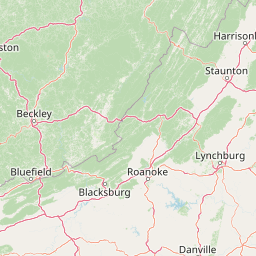
Map view of New River Gorge National Park and Preserve

Use this park location map to pinpoint New River Gorge National Park and Preserve in United States of America, understand its exact geographic position, and read its mapped placement within the surrounding landscape more clearly.

Pigeon | © OpenStreetMap contributors

Location context for New River Gorge National Park and Preserve

West Virginia
Park atlas

Map the regional spread of protected landscapes, comparing their unique geographies and conservation profiles around New River Gorge National Park and Preserve.

Explore Appalachian National Parks and Protected Areas Surrounding New River Gorge National Park and Preserve
Explore national parks and other protected areas situated across the broader Appalachian Mountains region, featuring diverse terrain, river gorges, and significant historical landscapes. Compare these conservation landscapes to trace regional park geography, understand varied ecological diversity, and contextualize New River Gorge National Park and Preserve within its natural setting.
National parkVirginia

Shenandoah National Park: National Park Protected Landscape and Geography

Mapped terrain and protected area context in Virginia.

Shenandoah National Park is a designated national park in Virginia, offering a rich exploration of its protected landscape and geographic features. This page provides detailed atlas-oriented information, focusing on the park's mapped boundaries and its role within the regional geography. Discover the natural terrain and spatial identity of this important US protected area, ideal for understanding park landscapes.

Area
811.176 km²
Established
1935
IUCN
II
National parkTennessee

Great Smoky Mountains National Park: Exploring Its Protected Landscape and Regional Geography

Tennessee's premier national park, mapped for landscape discovery.

Delve into the protected area identity of Great Smoky Mountains National Park, a significant natural landmark within Tennessee. This page provides detailed context on its mountainous terrain, mapped ecological zones, and its foundational role in the broader geography of eastern North America. Understanding the park's specific protected landscape features and its geographic setting is essential for appreciating its unique conservation value.

Area
2,114.15 km²
Established
1934
IUCN
II
National parkOhio

Cuyahoga Valley National Park: Detailed Atlas and Protected Landscape Information

Explore the mapped geography and natural terrain of Ohio's National Park.

Access detailed atlas information for Cuyahoga Valley National Park, a vital protected landscape in Ohio. Understand its geographic scope, mapped boundaries, and the surrounding natural terrain. This entry provides essential context for exploring the park's identity as a National Park and its significance within the broader mapped geography of the United States.

Area
132.7 km²
Established
2000
IUCN
II
National parkKentucky

Mammoth Cave National Park: Kentucky's Premier National Park for Protected Landscape Exploration

Explore its mapped boundaries and regional geography.

Mammoth Cave National Park in Kentucky presents a profound opportunity for protected-area discovery, anchored by its status as a national park. This resource focuses on providing a factual atlas-style view of its landscape, emphasizing its geographic context within the region and the extent of its protected boundaries. Users can engage with detailed information designed for structured exploration, understanding the park not just as a location but as a key component of natural landscape data.

Area
210.46 km²
Established
1941
IUCN
II
National parkOntario

Point Pelee National Park: Ontario's National Park Atlas and Protected Landscape Explorer

Mapped geography and protected area context within Ontario.

Point Pelee National Park is a designated national park in Ontario, Canada, offering a unique focus for geographic discovery. This entry details its protected landscape and mapped boundaries, essential for understanding its place within regional park atlases. Explore the core geographic identity of Point Pelee National Park and its significance as a protected natural area.

Area
15 km²
Established
1918
IUCN
II
National parkSouth Carolina

Congaree National Park: A Protected National Park in South Carolina's Geographic Landscape

Explore mapped boundaries and regional park geography.

Congaree National Park represents a vital protected national park entity within South Carolina, offering rich opportunities for geographic discovery and landscape exploration. Its designation as a National Park underscores its importance in mapping protected areas and understanding regional terrain. This entry provides essential context for exploring the park's specific geographic features and its position within the broader atlas of conservation landscapes.

Area
108.021 km²
Established
2003
IUCN
Ib
National parkUnited States of America

Indiana Dunes National Park: Protected Landscape Geography and Map Exploration

Explore the National Park's geographic boundaries and regional context.

Indiana Dunes National Park represents a distinct protected area within the United States of America, characterized by its unique landscape setting. This entry provides a detailed atlas-style view, highlighting the park's mapped boundaries and its contribution to the regional geography. Understanding this National Park means appreciating its specific natural terrain and its place within the conservation landscape of North America.

Area
62.12 km²
Established
1966
IUCN
II
National parkOntario

Rouge National Urban Park: Ontario's Mapped Protected Landscape Atlas

Explore national park boundaries and regional geography.

Investigate Rouge National Urban Park, a designated national park situated in Ontario, Canada. This page provides detailed atlas-style information focusing on its mapped boundaries, regional geographic context, and its identity as a significant protected natural landscape. Understand the park's role within the broader Canadian atlas for landscape exploration.

Area
79.1 km²
Established
2015
IUCN
V

Common questions about visiting, size, designation, and location context for New River Gorge National Park and Preserve

New River Gorge National Park and Preserve FAQs for park facts, access, geography, and protected area context
Find quick answers about New River Gorge National Park and Preserve, including protected-area facts, park geography, trail and visitor context, and how the park fits into its surrounding country and regional landscape.
MoriAtlas Explorer

Continue Your Protected Areas Search Across the Global Atlas

Deepen your exploration by continuing the structured search for national parks and protected areas worldwide. Utilize the comprehensive filtering capabilities to compare different conservation landscapes and refine your understanding of global park geography. Discover more about the distribution and characteristics of protected natural areas.

Global natural geography