Mori Atlas logo
National parkPoint Pelee National Park

Understanding the geographic context and mapped boundaries of this Ontario national park.

Point Pelee National Park: Ontario's Mapped Protected Landscape and National Park Identity

Point Pelee National Park represents a significant protected area within the regional geography of Ontario, Canada. This dedicated page offers an atlas-driven view of its national park identity, focusing on its mapped boundaries and its role as a distinct natural landscape. Explore the geographic context that defines Point Pelee National Park, providing a foundational understanding for its place within the broader protected areas network.

National ParkBirdwatchingWetlandsMarshlandMigration CorridorCarolinian Forest

Point Pelee National Park

National park

Park overview

Structured park overview, official facts, and landscape profile for Point Pelee National Park

Point Pelee National Park park facts, protected area profile, and essential visitor context
Review the core facts for Point Pelee National Park, including designation, size, terrain, visitor scale, habitats, and operating context in one park-focused overview.

About Point Pelee National Park

Point Pelee National Park occupies a remarkable geographic position as the southernmost tip of mainland Canada, reaching into Lake Erie at approximately the same latitude as Rome, Italy and Barcelona, Spain. This slender sandspit, formed from glacial deposits during the last ice age, creates a unique environment where southern Carolinian species coexist with northern species at the extreme edge of their ranges. The park's climate is moderated by Lake Erie, resulting in warmer winter and autumn temperatures compared to inland areas at similar latitudes, which allows species that cannot survive elsewhere in Canada to thrive here. The landscape is dominated by an extensive freshwater marsh system that covers approximately 70 percent of the park, interspersed with forested areas, beaches, and cedar savanna habitats. This diversity of habitats supports an extraordinary concentration of biodiversity, with the park recording more than 360 bird species and containing six distinct ecological communities. Point Pelee was pioneering in Canadian conservation history as the first national park established specifically to protect natural heritage rather than for economic or strategic reasons, and its Ramsar designation recognizes the international significance of its wetland ecosystems.

Quick facts and research context for Point Pelee National Park

Point Pelee National Park spans 1,564 hectares along a sandspit in Lake Erie, making it Canada's smallest national park. The peninsula extends roughly seven kilometres in length and 4.5 kilometres wide at its northern base, with the distinctive triangular tip marking the southernmost point of the Canadian mainland. The park's foundation consists of glacial sand, silt and gravel deposited on a submerged limestone ridge, with the marsh system developing approximately 3,200 years ago. About 70 percent of the park comprises freshwater marsh dominated by cattails and ponds, while forested areas cover roughly 21 percent. Middle Island, acquired by the park in 2000, lies just north of the Canada United States border and represents the southernmost point in Canada. The park is located in Essex County near the town of Leamington and falls within the western St. Lawrence Lowlands region.

Park context

Deeper park guide and search-rich context for Point Pelee National Park

Point Pelee National Park history, landscape, wildlife, and travel context
Explore Point Pelee National Park through its history, landscape character, ecosystems, wildlife, conservation priorities, cultural context, and seasonal travel timing in a structured park guide built for atlas discovery and search intent.

Why Point Pelee National Park stands out

Point Pelee is internationally renowned as one of North America's premier birdwatching destinations. The park sits at a critical junction of two major migration flyways, and more than 360 bird species have been recorded within its boundaries, with over 100 species breeding there annually. Spring migration, particularly during May, draws thousands of birdwatchers who gather to observe exhausted songbirds making their first landfall after crossing Lake Erie. The park is listed as the 66th best birding site in the world by Dominic Couzens in Top 100 Birding Sites of the World. Beyond birds, the park protects significant Carolinian wildlife species that are rare in Canada, including the fox snake and five-lined skink, as well as more than 750 native plant species, eight of which are considered rare, endangered or threatened nationally. The marsh ecosystem itself represents one of the most significant wetlands in the Great Lakes region.

Point Pelee National Park history and protected-area timeline

Aboriginal peoples inhabited Point Pelee for at least 6,000 years before European contact, with archaeological evidence indicating sustained occupation at the largest site between AD 700 and 900. French explorers Fathers Dollier and Galinée named the area in 1670, calling it Pointe-Pelée because the eastern shoreline was rocky and devoid of trees. In the late 1700s, British naval reserves harvested white pine from the area for shipbuilding. A 1790 treaty negotiated by Deputy Indian Agent Alexander McKee ceded the land to the Crown, though the Caldwell First Nation, who actually inhabited Point Pelee, were not signatories to this agreement. The Crown subsequently forced the Caldwell people from their unceded land, and Point Pelee remains recognized as unceded Aboriginal territory. The campaign for national park status began in 1915 when ornithologist Percy A. Taverner and conservationist Jack Miner advocated for protection. The Great Lakes Ornithological Club had previously studied bird migration at the site. Point Pelee became a national park in 1918, the first in Canada created for conservation. Commercial fishing operated within the park until 1969, and remarkably, Point Pelee remained the only Canadian national park allowing hunting until duck hunting ended in 1987. The park achieved dark-sky preserve status in 2006, becoming the first Canadian national park so designated.

Point Pelee National Park landscape and geographic character

The physical landscape of Point Pelee is defined by its formation as a sandspit extending from the Ontario shoreline into Lake Erie. The peninsula sits atop a foundation of glacial sand, silt and gravel that accumulated on a submerged limestone ridge as the Wisconsin ice sheet retreated northward. This sand deposit reaches up to 70 metres in thickness and continues to evolve, with the sandy tip shifting, growing longer or shorter, or even temporarily detaching from year to year due to wind and wave action. In March 2006, high winds and waves washed away much of the sand point, but by October 2007, the tip had reemerged extending at least one kilometre into the lake. The park covers approximately 1,564 hectares, with the characteristic triangular shape at the southern tip formed by the convergence of two barrier ridges along the eastern and western sides of the peninsula. The marshes, which began forming about 3,200 years ago, have a closed drainage system separated from Lake Erie by these barriers, though water levels fluctuate with the lake. The terrain is predominantly flat, lying within the St. Lawrence Lowlands, with mineral soils mapped as rapidly drained Eastport sand.

Point Pelee National Park ecosystems, habitats, and plant life

The ecological character of Point Pelee reflects its unique position at the southern edge of Canada'sCarolinian zone, where the moderating influence of Lake Erie allows species to survive far north of their normal ranges. The park contains six distinct habitats: beach, cedar savanna, dry forest, wet forest, and freshwater marsh, each supporting different plant and animal communities. The freshwater marsh represents the most extensive habitat, covering about 70 percent of the park and dominated by cattails and scattered ponds, with vegetation diversity highest along pond edges and in transitional zones between terrestrial and wetland environments. More than 750 native plant species grow within the park, including eight species considered rare, endangered or threatened in Canada. The southern location and lake moderation create conditions warmer than the rest of Canada, enabling Carolinian species like the fox snake and five-lined skink to persist at the northern limit of their range. Middle Island, part of the park since 2000, is designated as an Area of Natural and Scientific Interest due to its unique and rare assemblages of plants and animals, home to nine species at risk.

Point Pelee National Park wildlife and species highlights

Point Pelee's wildlife is defined by its extraordinary bird diversity, placing it among the premier birdwatching destinations in North America. Located at the intersection of two major migration flyways, the park has recorded between 347 and 360 bird species, representing an exceptional concentration for such a small area. More than 100 species nest and breed within the park, including 102 waterfowl and shorebird species. Spring migration, especially during May, draws thousands of birdwatchers who witness exhausted migrants arriving on the Canadian mainland after crossing Lake Erie. The opportunity to observe northern breeding species before they continue northward makes Point Pelee particularly special. Beyond birds, the park protects significant reptilian species including the fox snake and five-lined skink, both Carolinian species at the northern edge of their range. Coyotes are also present within the park. The diversity of wildlife reflects the park's position as a ecological crossroads where southern and northern species meet.

Point Pelee National Park conservation status and protection priorities

Point Pelee National Park represents a landmark in Canadian conservation history as the first national park established specifically for the protection of natural heritage rather than for resource extraction or military purposes. The park's designation as a Ramsar Wetland in 1987 recognizes its international significance as a wetland ecosystem, one of the most important in the Great Lakes region. The marsh system, which dominates 70 percent of the park, provides critical habitat for migratory waterfowl and supports breeding populations of numerous bird species. Point Pelee's role as a corridor for bird migration makes it essential for the survival of species that travel between North and South America. The park protects eight plant species that are considered rare, endangered or threatened in Canada, and Middle Island shelters nine species at risk. The dark-sky preserve designation in 2006 added an astronomical conservation dimension, making Point Pelee the first Canadian national park to receive such recognition. However, the park exists in a heavily altered landscape, with Essex County having lost more than 97 percent of its original forest and wetland cover to agriculture and development, making Point Pelee's protected ecosystems increasingly valuable as refugia.

Point Pelee National Park cultural meaning and human context

Point Pelee holds significant cultural importance as unceded Aboriginal territory. The Caldwell First Nation, a Chippewa community, historically inhabited the area but were not signatories to the 1790 treaty that ceded the land to the Crown. The Department of Indian and Northern Affairs Canada has publicly acknowledged that Point Pelee remains unceded Aboriginal land. Archaeological evidence indicates Aboriginal presence dating back at least 6,000 years, with the largest known archaeological site showing occupation between AD 700 and 900. The French name Pointe-Pelée, meaning bald point, was applied by explorers Dollier and Galinée in 1670, reflecting the treeless rocky appearance of the eastern shoreline. European settlement brought logging of white pine for shipbuilding by British naval reserves in the late 1700s, followed by agricultural conversion of the surrounding landscape. The park's proximity to the Windsor-Detroit urban corridor has created development pressure on the surrounding region, though Point Pelee itself remains protected.

Top sights and standout views in Point Pelee National Park

Point Pelee National Park offers visitors access to the southernmost point of mainland Canada, a geographic distinction that draws visitors seeking to stand at the extreme edge of the country. The marsh boardwalk provides an immersive wetland experience, traversing through cattail-dominated marshes and offering wildlife viewing opportunities. Spring bird migration in May represents the peak attraction, with thousands of birdwatchers arriving to witness the spectacle of exhausted songbirds arriving from across Lake Erie. The dark-sky preserve designation makes Point Pelee unique among Canadian national parks for astronomical observation. The park's six habitats, including cedar savanna and Carolinian forests, support remarkable plant and animal diversity in a relatively small area. Middle Island, accessible by special permit, provides access to virtually untouched Carolinian forest at Canada's southernmost point.

Best time to visit Point Pelee National Park

The optimal time to visit Point Pelee depends on interests, though spring migration in May draws the largest number of birdwatchers and offers the most dynamic wildlife viewing opportunities. During this period, tired migratory birds make their first Canadian landfall after crossing Lake Erie, creating exceptional birdwatching conditions with the highest diversity and abundance of species. The warm summer months of June through August provide opportunities to explore the marsh habitats and enjoy the beach areas, though visitor numbers are lower than during spring. Autumn offers another migration period as birds head south, though the experience differs from the spring spectacle. Winter visitors can observe the stark beauty of the frozen marsh and potentially see owls and other winter species, though many facilities operate on reduced schedules. The park's location at the same latitude as Rome and Barcelona means a climate moderated by Lake Erie, with warmer winters than inland areas but cooler springs due to the lake warming more slowly than the surrounding land.
Park location guide

Geography guide, regional context, and park location map for Point Pelee National Park

Point Pelee National Park park geography, regions, and map view in Canada
Understand where Point Pelee National Park sits in Canada through a broader geographic reading of the surrounding landscape, nearby location context, and its mapped position within the national park landscape.

How Point Pelee National Park fits into Canada

Canada is a federal parliamentary constitutional monarchy spanning North America from the Atlantic to the Pacific and Arctic Oceans. With a population of over 41 million, it is officially bilingual in English and French at the federal level. The country gained independence from the United Kingdom through a gradual process culminating in 1982.

Wider geography shaping Point Pelee National Park in Canada

Canada occupies the northern portion of North America, sharing its longest international border with the United States. The country extends from the Atlantic Ocean to the Pacific Ocean and northward into the Arctic Ocean, giving it the longest coastline of any nation.

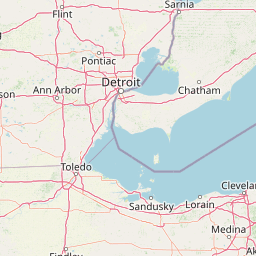
Map view of Point Pelee National Park

Use this park location map to pinpoint Point Pelee National Park in Canada, understand its exact geographic position, and read its mapped placement within the surrounding landscape more clearly.

Pigeon | © OpenStreetMap contributors

Location context for Point Pelee National Park

Essex CountyOntario
Park atlas

Compare the unique regional park geography and protected landscapes near Point Pelee National Park.

Discover Nearby National Parks and Protected Areas Surrounding Point Pelee National Park
After exploring Point Pelee National Park's distinctive sandspit and critical bird migration routes, discover additional national parks and protected areas throughout southwestern Ontario and the Great Lakes basin. This geographic overview reveals how diverse conservation landscapes protect unique regional ecosystems, from wetlands to Carolinian forests, enhancing your understanding of area distribution.
National parkOhio

Cuyahoga Valley National Park: Detailed Atlas and Protected Landscape Information

Explore the mapped geography and natural terrain of Ohio's National Park.

Access detailed atlas information for Cuyahoga Valley National Park, a vital protected landscape in Ohio. Understand its geographic scope, mapped boundaries, and the surrounding natural terrain. This entry provides essential context for exploring the park's identity as a National Park and its significance within the broader mapped geography of the United States.

Area
132.7 km²
Established
2000
IUCN
II
Visitors
2.9M annual
National parkOntario

Rouge National Urban Park: Ontario's Mapped Protected Landscape Atlas

Explore national park boundaries and regional geography.

Investigate Rouge National Urban Park, a designated national park situated in Ontario, Canada. This page provides detailed atlas-style information focusing on its mapped boundaries, regional geographic context, and its identity as a significant protected natural landscape. Understand the park's role within the broader Canadian atlas for landscape exploration.

Area
79.1 km²
Established
2015
IUCN
V
Relief
Mixed relief
National parkOntario

Bruce Peninsula National Park: National Park Protected Landscape and Geographic Context in Ontario

Discover its mapped boundaries and regional landscape identity.

Bruce Peninsula National Park stands as a protected national park entity within Ontario, offering a distinct geographic profile. Its mapped boundaries and position within the regional atlas are crucial for understanding its landscape character. MoriAtlas facilitates exploration of the park's protected status and its contribution to the conservation landscape of Ontario.

Area
154 km²
Established
1987
IUCN
II
Visitors
460.4K annual
National parkUnited States of America

Indiana Dunes National Park: Protected Landscape Geography and Map Exploration

Explore the National Park's geographic boundaries and regional context.

Indiana Dunes National Park represents a distinct protected area within the United States of America, characterized by its unique landscape setting. This entry provides a detailed atlas-style view, highlighting the park's mapped boundaries and its contribution to the regional geography. Understanding this National Park means appreciating its specific natural terrain and its place within the conservation landscape of North America.

Area
62.12 km²
Established
1966
IUCN
II
Visitors
2.8M annual
National parkOntario

Georgian Bay Islands National Park: Ontario National Park Protected Landscape Atlas

Explore mapped boundaries and regional geographic context.

Gain a comprehensive understanding of Georgian Bay Islands National Park as a distinct protected area within Ontario. This entry provides detailed geographic context, focusing on the park's mapped landscape, its protected status as a national park, and its position within the regional geography of Canada. It is designed for users seeking structured information about protected lands and their atlas-level significance.

Area
13.5 km²
Established
1929
IUCN
II
Visitors
27.5K annual
National parkWest Virginia

New River Gorge National Park and Preserve: Appalachian River Gorge Protected Landscape Atlas

Mapped terrain and geographic context within West Virginia.

Delve into the protected landscape identity of New River Gorge National Park and Preserve, a significant national park in West Virginia. This page details its role as a protected area, highlighting the dramatic river gorge geography, mapped terrain, and its place within the Appalachian Mountains. Understand the park's boundaries and the natural context that makes it a key destination for geographic discovery and conservation appreciation.

Area
294.64 km²
Established
2020
IUCN
V
Visitors
1.6M annual
Watercolor painting of rolling hills, trees, and a river in a scenic landscape
National parkVirginia

Shenandoah National Park: National Park Protected Landscape and Geography

Mapped terrain and protected area context in Virginia.

Shenandoah National Park is a designated national park in Virginia, offering a rich exploration of its protected landscape and geographic features. This page provides detailed atlas-oriented information, focusing on the park's mapped boundaries and its role within the regional geography. Discover the natural terrain and spatial identity of this important US protected area, ideal for understanding park landscapes.

Area
811.176 km²
Established
1935
IUCN
II
Visitors
1.7M annual
Watercolor painting of green hills, islands, and a body of water under a pale yellow sky
National parkOntario

Thousand Islands National Park: Exploring Ontario's Protected Landscape Geography

Discover the mapped terrain and regional context of this national park.

Uncover the protected landscape identity of Thousand Islands National Park, a key national park located in Ontario. This resource focuses on its geographic setting, mapped boundaries, and overall atlas context, providing a clear understanding of its role as a protected area. Explore how its unique terrain contributes to the regional geography and the broader national park network, offering valuable insight for landscape-focused discovery.

Area
24.4 km²
Established
1904
IUCN
II
Visitors
109.3K annual

Common questions about visiting, size, designation, and location context for Point Pelee National Park

Point Pelee National Park FAQs for park facts, access, geography, and protected area context
Find quick answers about Point Pelee National Park, including protected-area facts, park geography, trail and visitor context, and how the park fits into its surrounding country and regional landscape.
MoriAtlas Explorer

Continue Your Protected Areas Search Across the Global Atlas

Deepen your exploration by continuing the structured search for national parks and protected areas worldwide. Utilize the comprehensive filtering capabilities to compare different conservation landscapes and refine your understanding of global park geography. Discover more about the distribution and characteristics of protected natural areas.

Global natural geography