Why Indiana Dunes National Park stands out
Indiana Dunes National Park is best known for its spectacular and ecologically significant dune systems along Lake Michigan, particularly the towering Mount Baldy wandering dune. The park's botanical diversity is extraordinary, with over 1,400 vascular plant species representing the eighth-highest count among all national park units in the United States. The park contains several notable natural areas including Cowles Bog, a National Natural Landmark where pioneering ecologist Henry Chandler Cowles conducted foundational studies of ecological succession, and the Great Marsh, an extensive interdunal wetland system. The coexistence of northern boreal species with southern and even desert-adapted plants creates a botanical uniqueness that draws scientists and nature enthusiasts alike. The park also preserves significant historic sites including the Joseph Bailly Homestead, a National Historic Landmark representing early 19th-century fur trading in the region.
Indiana Dunes National Park history and protected-area timeline
The history of Indiana Dunes reflects a long human presence intertwined with the unique landscape. Native American communities utilized the dune area for seasonal hunting and gathering, with archaeological evidence pointing to Hopewell culture mound-building activities between 200 BCE and 800 CE. European settlement began in the early 19th century when Joseph Bailly established a trading post in 1822, becoming the earliest recorded settler in the dunes area. The community that developed around his homestead included early settlements like Chesterton, Porter, and Tremont. A notable chapter in the area's history was City West, a planned town intended to rival Chicago that was partly built in 1837 before failing during the national economic panic of that year. The movement to preserve the dunes began in earnest following Henry Chandler Cowles' 1899 publication on the unique flora of the dunes, which drew attention to the area's scientific importance. National Parks Director Stephen Mather held hearings in Chicago in 1916 regarding a Sand Dunes National Park. The disappearance of the Hoosier Slide, a massive dune whose sand was used for glass manufacturing, further galvanized preservation efforts. The Save the Dunes Council, led by Dorothy Richardson Buell and Hazel Hannell, launched a nationwide campaign that resulted in the establishment of Indiana Dunes National Lakeshore in 1966. Four subsequent expansion bills through 1992 increased the park to its current size. In 2019, legislation passed as part of the Consolidated Appropriations Act redesignated the unit as Indiana Dunes National Park, making it the nation's 61st national park and the first in Indiana.
Indiana Dunes National Park landscape and geographic character
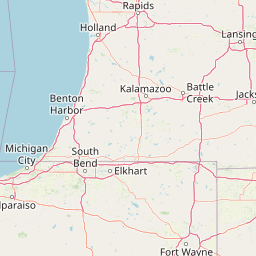
The physical landscape of Indiana Dunes National Park presents a striking combination of coastal and interior features shaped by glacial and lacustrine processes. The dominant feature along the lakeshore is the series of dune ridges, some reaching heights exceeding 120 feet at Mount Baldy, which ranks among the tallest dunes on the southern shore of Lake Michigan. These dunes exhibit varying degrees of stability, from active wandering dunes that shift position annually to older, stabilized dunes now covered with vegetation. Behind the primary dune ridge lies a complex landscape of interdunal wetlands, including the extensive Great Marsh stretching over 12 miles, along with numerous bogs, fens, and ponds. The western portion of the park includes the Calumet Prairie, a remnant of the extensive grassland ecosystem that once covered much of the region, while the Hobart Prairie Grove preserves forested ravines and bur oak savanna. The park is transected by several waterways including Dunes Creek, which drains the Cowles Bog complex before entering Lake Michigan, the East Arm Little Calumet River, and Trail Creek. The underlying geology reflects the Wisconsin Glacial Period, with the Valparaiso Moraine serving as the dominant geological structure that created the varied terrain over approximately 40,000 years. Shoreline features include the Calumet Shoreline, the oldest visible shoreline of Lake Michigan, visible as a sand ridge along Ridge Road through Lake and Porter Counties.
Indiana Dunes National Park ecosystems, habitats, and plant life
The ecological character of Indiana Dunes National Park is defined by an exceptional diversity of habitats supporting a remarkable array of plant and animal species. The park lies within the central forest-grasslands transition ecoregion, where the influences of northern boreal ecosystems meet southern deciduous forest communities. According to the Kuchler potential vegetation classification, the park supports oak-hickory forest potential vegetation with an Eastern Hardwood forest form. The dune ecosystem itself represents a succession series from open beach through grass-dominated foredunes, then shrubland, to mature black oak forest, a process that ecological pioneer Henry Chandler Cowles first documented at Cowles Bog in the late 19th century. The wetland complexes within the park, including the Great Marsh, Cowles Bog, and Pinhook Bog, represent rare interdunal wetland habitats containing bog, fen, marsh, swamp, wet meadow, and pond communities. These wetlands support distinctive plant assemblages adapted to saturated, often acidic conditions. The prairie remnants, particularly at Hoosier Prairie and Calumet Prairie, preserve examples of the tallgrass prairie ecosystem that once dominated the Midwest. The presence of Arctic plant species like bearberry alongside desert species like prickly pear cactus demonstrates the unique biogeographic position of this area, where species from vastly different climatic zones converge.
Indiana Dunes National Park wildlife and species highlights
Indiana Dunes National Park supports a rich and diverse wildlife community reflecting the variety of habitats within its boundaries. The park has documented over 350 bird species, making it one of the most significant birding destinations in the Midwest and earning recognition from the Indiana Audubon Society. The Great Marsh and other wetland areas provide critical habitat for waterfowl including Canada geese, mallards, wood ducks, and coots, while the surrounding forests and prairie remnants support diverse songbird communities. Great blue herons and green herons frequent the wetlands, and the park provides habitat for raptors including hawks and turkey vultures. Mammalian residents include white-tailed deer, red fox, raccoons, opossums, and cottontail rabbits, with recent documentation of North American river otter returning to the area since 2011 and bobcat appearing since 2018. The park's aquatic habitats support 71 fish species, while the invertebrate community includes 296 insect species and 66 mollusk species. Several species at the park are of particular conservation concern, including the federally endangered Indiana bat, piping plover, and red knot, along with the threatened eastern massasauga rattlesnake. The plant community includes rare species such as Mead's milkweed and Pitcher's thistle, both federally listed as threatened.
Indiana Dunes National Park conservation status and protection priorities
Indiana Dunes National Park holds significant conservation importance as one of the most botanically diverse areas in the United States National Park System, with over 1,400 vascular plant species ranking eighth among all park units. The park preserves multiple National Natural Landmarks including Cowles Bog, where Henry Chandler Cowles conducted pioneering ecological research on succession in the late 19th century, providing foundational work for the science of ecology. The Great Marsh represents a major wetland restoration success story, with efforts beginning in 1998 to restore 500 acres by closing Derby Ditch and reestablishing natural hydrology. Several rare, threatened, and endangered species find sanctuary within the park, including two federally listed plant species, Mead's milkweed and Pitcher's thistle, along with endangered wildlife including the Indiana bat, piping plover, red knot, and eastern massasauga rattlesnake. The park's designation as a National Natural Landmark extends to Hoosier Prairie, a 430-acre tallgrass prairie preserve, and Pinhook Bog, an isolated quaking peat bog containing pitcher plants and other specialized wetland species. The park's conservation value is enhanced by its location within the central forest-grasslands transition, protecting an ecological interface that supports unusual species combinations found nowhere else in the country.
Indiana Dunes National Park cultural meaning and human context
The human history of the Indiana Dunes area spans thousands of years and reflects the diverse peoples who have lived along this stretch of Lake Michigan shoreline. Native American communities utilized the area for seasonal hunting and gathering, with archaeological evidence pointing to the Hopewell culture as the earliest permanent occupants, their presence marked by five groups of mounds documented within the dune area. Beginning in the 1500s, European exploration and trade introduced significant changes, with the dunes serving as a middle ground between eastern and western tribal territories. The historic Bailly Homestead, established by fur trader Joseph Bailly in 1822, represents one of the oldest pioneer trading posts in northern Indiana and stands as a National Historic Landmark within the park. The Chellberg Farm represents later agricultural settlement, with the park maintaining the property as a heritage farm. The Century of Progress Architectural District preserves five buildings from the 1933 Homes of Tomorrow Exhibition held during Chicago's World's Fair, representing innovative architectural designs of that era. Swedish immigration to Porter County from 1840 to 1920 created rural communities whose legacy is represented in the pending Swedish Farmsteads Historic District. The park also contains the Good Fellow Club Youth Camp, created in 1941 to provide recreational opportunities for children from industrial Gary.
Top sights and standout views in Indiana Dunes National Park
Indiana Dunes National Park offers visitors multiple outstanding features that distinguish it among national park units. The towering Mount Baldy, at 123 feet one of the tallest dunes on Lake Michigan's southern shore, represents a dramatic example of a wandering dune that moves approximately 4 feet annually, earning it the designation of a living dune. Cowles Bog, a National Natural Landmark and the sole remnant of the Central Dunes where Henry Chandler Cowles pioneered ecological succession studies, provides visitors with an opportunity to walk through multiple habitat types including bog, fen, marsh, and pond communities. The park's botanical diversity is exceptional, with over 1,400 vascular plant species including 90 threatened or endangered species. The Great Marsh, stretching 12 miles along the interior of the dune ridge, represents one of the largest interdunal wetlands in the region and has undergone significant restoration since 1998. The historic Bailly Homestead offers a tangible connection to early 19th-century frontier life, while the Century of Progress Architectural District preserves innovative architecture from the 1933 Chicago World's Fair. The park's position on Lake Michigan provides stunning views of the Chicago skyline from West Beach, particularly on clear days.
Best time to visit Indiana Dunes National Park
Indiana Dunes National Park offers year-round opportunities, though the best time to visit depends on interests. Spring brings exceptional wildflower displays, with May apple, buttercups, and violets blooming across the park, while ranger-led spring bloom hikes showcase the season's botanical highlights. Summer offers the warmest conditions for beach activities along the 15 miles of Lake Michigan shoreline, though visitors should be aware of rip current risks on days with strong north winds. Fall provides ideal conditions for hiking the 45 miles of trails, with comfortable temperatures and reduced crowds, while the changing foliage in the oak-hickory forests creates a distinctive autumn palette. Winter transforms the landscape dramatically, with shelf ice building along the beaches during cold months, creating an arctic dunescape that while beautiful presents safety hazards for visitors. The park's approximately 2 million annual visits are distributed throughout the year, with each season offering a different perspective on this ecologically diverse landscape. The shoulder seasons of spring and fall often provide the most comfortable conditions for hiking and wildlife observation, while avoiding both summer crowds and winter hazards.