Mori Atlas logo
National parkGeorgian Bay Islands National Park

Discover the geographic setting and mapped natural terrain of this key protected area in Ontario.

Georgian Bay Islands National Park: Ontario National Park Protected Landscape and Map Boundaries

Georgian Bay Islands National Park represents a significant protected landscape within Ontario, Canada. As a national park, its mapped boundaries define an area critical for understanding regional geography and conservation within the broader Canadian atlas. This page offers detailed insights into its place, helping users visualize its unique terrain and protected land context for atlas-based exploration and geographic discovery.

Island wildernessArchipelagoGreat LakesCanadian ShieldMixed forestOntario parks

Georgian Bay Islands National Park

National park

Park overview

Structured park overview, official facts, and landscape profile for Georgian Bay Islands National Park

Georgian Bay Islands National Park park facts, protected area profile, and essential visitor context
Review the core facts for Georgian Bay Islands National Park, including designation, size, terrain, visitor scale, habitats, and operating context in one park-focused overview.

About Georgian Bay Islands National Park

Georgian Bay Islands National Park protects a remarkable collection of islands at the edge of the Canadian Shield, where the ancient bedrock of Precambrian rock meets the softer landscapes of southern Ontario. The park's islands are scattered across Georgian Bay's northern littoral zone, an area renowned for its complex archipelago known as the Thirty Thousand Islands. Unlike mainland parks, Georgian Bay Islands can only be accessed by boat, making watercraft the essential gateway to its wilderness. The park offers a backcountry experience focused on exploration, with camping, trails, and cabin accommodations available primarily on Beausoleil Island, while the remaining islands remain largely undeveloped and open to day visitors. The park's ecological significance stems from its position at a biogeographic crossroads, where species from both boreal and temperate zones overlap, creating surprisingly rich biodiversity within a small geographic footprint.

Quick facts and research context for Georgian Bay Islands National Park

The park is located in the Thirty Thousand Islands region of Georgian Bay near Port Severn, Ontario, with Midland as the nearest city. It consists of 63 islands or parts of islands, with Beausoleil Island serving as the largest and primary visitor destination. The islands feature a unique blend of Canadian Shield bedrock exposures and more southerly hardwood forest communities, creating a transition zone between boreal and temperate ecosystems. The park is part of the larger Georgian Bay Littoral Biosphere Reserve recognized by UNESCO.

Park context

Deeper park guide and search-rich context for Georgian Bay Islands National Park

Georgian Bay Islands National Park history, landscape, wildlife, and travel context
Explore Georgian Bay Islands National Park through its history, landscape character, ecosystems, wildlife, conservation priorities, cultural context, and seasonal travel timing in a structured park guide built for atlas discovery and search intent.

Why Georgian Bay Islands National Park stands out

Georgian Bay Islands National Park is best known for its island wilderness character and the rare opportunity to explore a protected archipelago in the Great Lakes. The park preserves a transitional landscape where the rocky, pine-covered terrain of the Canadian Shield meets southern hardwood forests, creating unusual ecological diversity on a compact island scale. Beausoleil Island, as the largest and most developed island, offers camping, hiking, and heritage programming, while the more remote islands provide critical nesting habitat for colonial waterbirds.

Georgian Bay Islands National Park history and protected-area timeline

Georgian Bay Islands National Park was established in 1929, making it one of the earliest national parks created in Ontario and reflecting a period when Canada was expanding its system of protected wilderness areas. The park's creation was driven by recognition of the Georgian Bay islands' unique character and the need to preserve their natural values from development pressures. Originally, the park included Flowerpot Island, which was later transferred to become part of Fathom Five National Marine Park when that marine protected area was established. The park has been managed by Parks Canada throughout its history, with visitor facilities and programming developing gradually to balance protection with accessible wilderness experiences. Beausoleil Island became the focal point for visitor services, with the Cedar Spring campground and other facilities developed to support exploration of the island chain.

Georgian Bay Islands National Park landscape and geographic character

The islands of Georgian Bay Islands National Park showcase the characteristic geology of the Canadian Shield, with exposed pink and grey granite bedrock forming the foundation of most islands. The terrain varies from smooth glaciated domes to more rugged rock outcrops, with thin soils supporting vegetation in the interspaces. The landscape creates a distinctive archipelago aesthetic, where islands emerge from Georgian Bay's clear waters surrounded by rocky shorelines and submerged shoals. The largest island, Beausoleil, encompasses several kilometers of terrain with established trails winding through its mixed forest and along its rocky coasts.

Georgian Bay Islands National Park ecosystems, habitats, and plant life

The ecological character of Georgian Bay Islands National Park reflects a transitional zone between boreal and deciduous forest ecosystems. White pine and other conifers grow alongside oak, maple, and other hardwood species, creating a mixed forest that differs from both the pure boreal forests to the north and the predominantly deciduous forests of southern Ontario. The islands support a remarkable diversity of wildlife given their small total area, with mammalian species including white-tailed deer, moose, black bear, coyote, eastern wolf, Canada lynx, bobcat, and smaller mammals like porcupine, raccoon, beaver, red fox, and grey fox. The park is particularly notable for its reptile and amphibian populations, with 33 species recorded including the five-lined skink, eastern hognose snake, eastern fox snake, and the threatened eastern Massasauga rattlesnake.

Georgian Bay Islands National Park wildlife and species highlights

The wildlife communities of Georgian Bay Islands National Park exemplify the park's role as a refuge for both common and rare species in the Great Lakes region. Large mammals including white-tailed deer and moose move across the islands, while predators like coyotes, eastern wolves, Canada lynx, and bobcats maintain ecological balance. The smaller mammal community is diverse, with porcupines, raccoons, beavers, red and grey foxes, chipmunks, and red squirrels commonly encountered. The reptile and amphibian assemblage is particularly noteworthy, featuring 33 species that include several species of concern such as the eastern Massasauga rattlesnake, which is listed as threatened in Ontario. Some of the more isolated islands serve as nesting sites for colonial birds including various gull and tern species, providing important breeding habitat in the archipelago.

Georgian Bay Islands National Park conservation status and protection priorities

Georgian Bay Islands National Park serves as a core protected area within the larger Georgian Bay Littoral Biosphere Reserve, a UNESCO-recognized region encompassing both terrestrial and marine ecosystems. The park's conservation significance derives from its role in preserving island ecosystems that would otherwise face development pressure, as well as protecting species at the northern and southern limits of their ranges. The islands function as stepping stones for wildlife movement across Georgian Bay and provide critical habitat for species that require large, undeveloped territories. The protection of nesting colonies for gulls and terns on remote islands represents an important conservation function, as these areas offer isolation from terrestrial predators.

Georgian Bay Islands National Park cultural meaning and human context

The islands of Georgian Bay have been part of the cultural landscape of the Anishinaabe and other Indigenous peoples for generations, with the waterways of Georgian Bay serving as historic travel routes and resource harvesting areas. The park's heritage programming on Beausoleil Island includes educational content about the historical use of the islands and their place in regional Indigenous history. The name Beausoleil, meaning "beautiful sun" in French, reflects the Francophone heritage present in parts of the Georgian Bay region. European settlement patterns and the development of recreational use of the islands in the late 19th and early 20th centuries preceded the establishment of the park in 1929.

Top sights and standout views in Georgian Bay Islands National Park

The primary highlight of Georgian Bay Islands National Park is its island wilderness character, with 63 islands offering exploration opportunities in one of the Great Lakes' most scenic archipelagos. Beausoleil Island provides the most developed visitor infrastructure, including the Cedar Spring campground with wheelchair accessible sites and reserved camping areas, hiking trails, heritage education programs, and docking facilities for both overnight and day visitors. The park's ecological diversity, combining Canadian Shield rocky shores with southern forest species, creates unusual biological richness. The requirement that all visitors arrive by boat establishes a wilderness access standard uncommon among Canadian national parks.

Best time to visit Georgian Bay Islands National Park

The optimal time to visit Georgian Bay Islands National Park spans from late spring through early autumn, when the islands are accessible and weather conditions allow comfortable outdoor exploration. Summer months offer the warmest conditions for swimming, hiking, and camping, though this is also the peak visitation period. Fall brings cooler temperatures and fewer visitors, with autumn colors providing scenic rewards on the islands' hardwood slopes. Winter access is not practical as the islands are seasonal destinations, with the park essentially closing during the cold months when Georgian Bay ice conditions preclude boat travel.

Park location guide

Geography guide, regional context, and park location map for Georgian Bay Islands National Park

Georgian Bay Islands National Park park geography, regions, and map view in Canada
Understand where Georgian Bay Islands National Park sits in Canada through a broader geographic reading of the surrounding landscape, nearby location context, and its mapped position within the national park landscape.

How Georgian Bay Islands National Park fits into Canada

Canada is a federal parliamentary constitutional monarchy spanning North America from the Atlantic to the Pacific and Arctic Oceans. With a population of over 41 million, it is officially bilingual in English and French at the federal level. The country gained independence from the United Kingdom through a gradual process culminating in 1982.

Wider geography shaping Georgian Bay Islands National Park in Canada

Canada occupies the northern portion of North America, sharing its longest international border with the United States. The country extends from the Atlantic Ocean to the Pacific Ocean and northward into the Arctic Ocean, giving it the longest coastline of any nation.

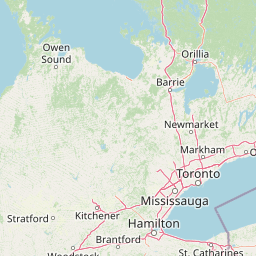
Map view of Georgian Bay Islands National Park

Use this park location map to pinpoint Georgian Bay Islands National Park in Canada, understand its exact geographic position, and read its mapped placement within the surrounding landscape more clearly.

Pigeon | © OpenStreetMap contributors

Location context for Georgian Bay Islands National Park

Ontario
Park atlas

Compare other island wilderness areas and diverse protected landscapes across the Great Lakes region and Southern Ontario.

Explore Nearby National Parks and Protected Areas Around Georgian Bay Islands National Park
After exploring Georgian Bay Islands National Park's unique island wilderness, continue your park discovery by browsing nearby protected areas and related landscapes. Trace the regional spread of national parks and other protected areas across Southern Ontario and the Great Lakes region to understand the broader conservation landscape.
National parkOntario

Rouge National Urban Park: Ontario's Mapped Protected Landscape Atlas

Explore national park boundaries and regional geography.

Investigate Rouge National Urban Park, a designated national park situated in Ontario, Canada. This page provides detailed atlas-style information focusing on its mapped boundaries, regional geographic context, and its identity as a significant protected natural landscape. Understand the park's role within the broader Canadian atlas for landscape exploration.

Area
79.1 km²
Established
2015
IUCN
V
Relief
Mixed relief
National parkOntario

Bruce Peninsula National Park: National Park Protected Landscape and Geographic Context in Ontario

Discover its mapped boundaries and regional landscape identity.

Bruce Peninsula National Park stands as a protected national park entity within Ontario, offering a distinct geographic profile. Its mapped boundaries and position within the regional atlas are crucial for understanding its landscape character. MoriAtlas facilitates exploration of the park's protected status and its contribution to the conservation landscape of Ontario.

Area
154 km²
Established
1987
IUCN
II
Visitors
460.4K annual
Watercolor painting of green hills, islands, and a body of water under a pale yellow sky
National parkOntario

Thousand Islands National Park: Exploring Ontario's Protected Landscape Geography

Discover the mapped terrain and regional context of this national park.

Uncover the protected landscape identity of Thousand Islands National Park, a key national park located in Ontario. This resource focuses on its geographic setting, mapped boundaries, and overall atlas context, providing a clear understanding of its role as a protected area. Explore how its unique terrain contributes to the regional geography and the broader national park network, offering valuable insight for landscape-focused discovery.

Area
24.4 km²
Established
1904
IUCN
II
Visitors
109.3K annual
National parkOntario

Point Pelee National Park: Ontario's National Park Atlas and Protected Landscape Explorer

Mapped geography and protected area context within Ontario.

Point Pelee National Park is a designated national park in Ontario, Canada, offering a unique focus for geographic discovery. This entry details its protected landscape and mapped boundaries, essential for understanding its place within regional park atlases. Explore the core geographic identity of Point Pelee National Park and its significance as a protected natural area.

Area
15 km²
Established
1918
IUCN
II
Visitors
491.1K annual
National parkOhio

Cuyahoga Valley National Park: Detailed Atlas and Protected Landscape Information

Explore the mapped geography and natural terrain of Ohio's National Park.

Access detailed atlas information for Cuyahoga Valley National Park, a vital protected landscape in Ohio. Understand its geographic scope, mapped boundaries, and the surrounding natural terrain. This entry provides essential context for exploring the park's identity as a National Park and its significance within the broader mapped geography of the United States.

Area
132.7 km²
Established
2000
IUCN
II
Visitors
2.9M annual
National parkThunder Bay District

Pukaskwa National Park National Park: Explore Its Protected Landscape and Geographic Identity

Discover the mapped boundaries and regional atlas context.

Pukaskwa National Park represents a key protected area, offering critical insights into the regional geography of Thunder Bay District. As a national park, its mapped boundaries and unique landscape identity are central to understanding Canada's protected lands. This entry provides the foundational geographic context for exploring Pukaskwa National Park within a structured atlas framework, detailing its place among other natural landscapes.

Area
1,878 km²
Established
1978
IUCN
II
Visitors
17.3K annual
National parkUnited States of America

Indiana Dunes National Park: Protected Landscape Geography and Map Exploration

Explore the National Park's geographic boundaries and regional context.

Indiana Dunes National Park represents a distinct protected area within the United States of America, characterized by its unique landscape setting. This entry provides a detailed atlas-style view, highlighting the park's mapped boundaries and its contribution to the regional geography. Understanding this National Park means appreciating its specific natural terrain and its place within the conservation landscape of North America.

Area
62.12 km²
Established
1966
IUCN
II
Visitors
2.8M annual
Watercolor painting of rolling hills, trees, and a river in a scenic landscape
National parkVirginia

Shenandoah National Park: National Park Protected Landscape and Geography

Mapped terrain and protected area context in Virginia.

Shenandoah National Park is a designated national park in Virginia, offering a rich exploration of its protected landscape and geographic features. This page provides detailed atlas-oriented information, focusing on the park's mapped boundaries and its role within the regional geography. Discover the natural terrain and spatial identity of this important US protected area, ideal for understanding park landscapes.

Area
811.176 km²
Established
1935
IUCN
II
Visitors
1.7M annual

Common questions about visiting, size, designation, and location context for Georgian Bay Islands National Park

Georgian Bay Islands National Park FAQs for park facts, access, geography, and protected area context
Find quick answers about Georgian Bay Islands National Park, including protected-area facts, park geography, trail and visitor context, and how the park fits into its surrounding country and regional landscape.
MoriAtlas Explorer

Continue Your Protected Areas Search Across the Global Atlas

Deepen your exploration by continuing the structured search for national parks and protected areas worldwide. Utilize the comprehensive filtering capabilities to compare different conservation landscapes and refine your understanding of global park geography. Discover more about the distribution and characteristics of protected natural areas.

Global natural geography