Why Río Pilcomayo National Park stands out
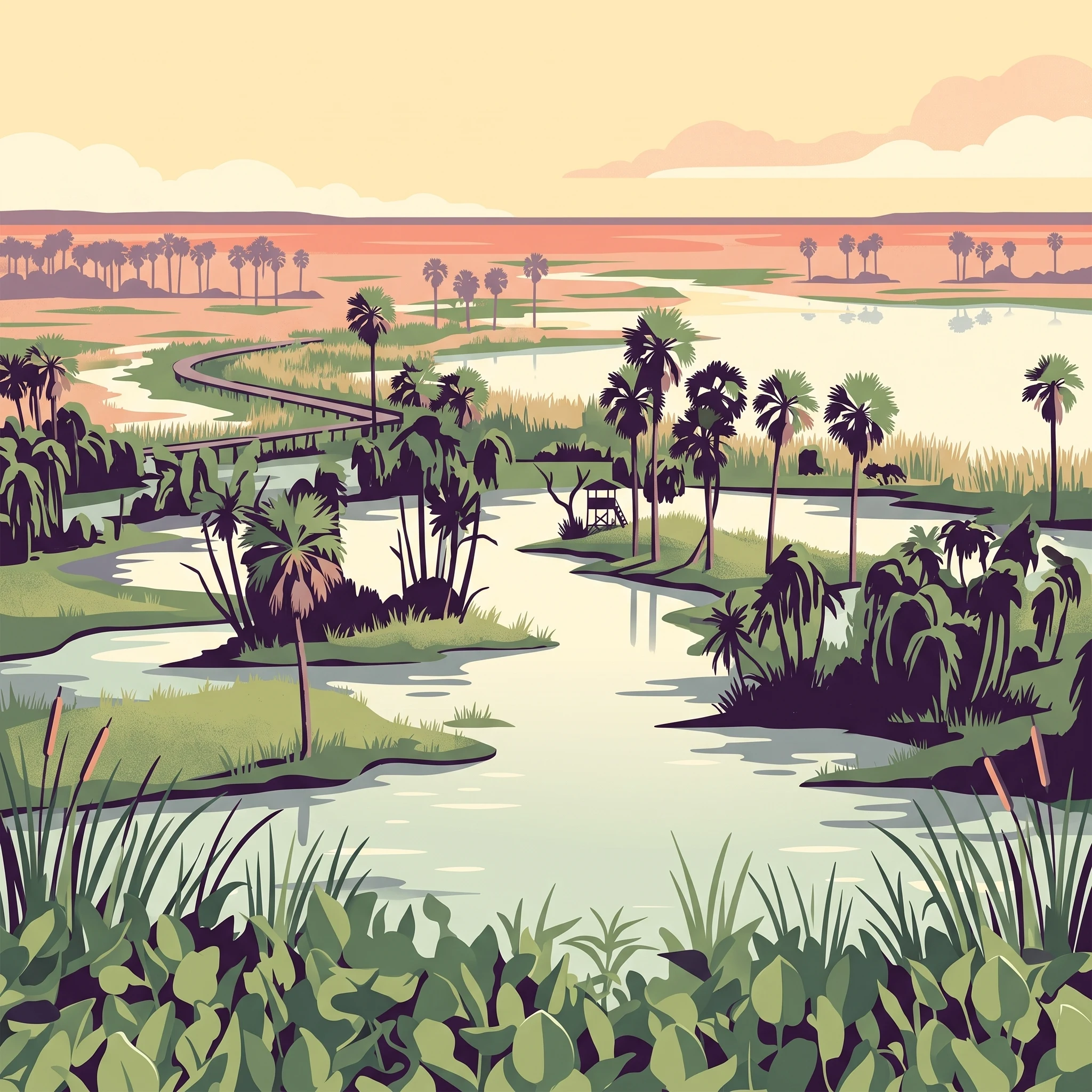
Río Pilcomayo is best known for its extensive wetland systems and floodplain landscapes that represent the Humid Chaco ecoregion. The park protects critical habitat for the endangered jaguar population, which represents one of the last strongholds of this large cat in Argentina's Chaco region. The park's Laguna Blanca, a 700-hectare lake at the southern end, provides crucial habitat for waterfowl and serves as a resting point for migratory birds traveling from the Northern Hemisphere. The Caranday wax palm dominates the savanna landscapes, creating one of the park's most distinctive visual features. The wetlands support remarkable biodiversity including both caiman species found in Argentina, the broad-snouted and yacare caiman, as well as significant populations of waterfowl, storks, herons, and roseate spoonbills.
Río Pilcomayo National Park history and protected-area timeline
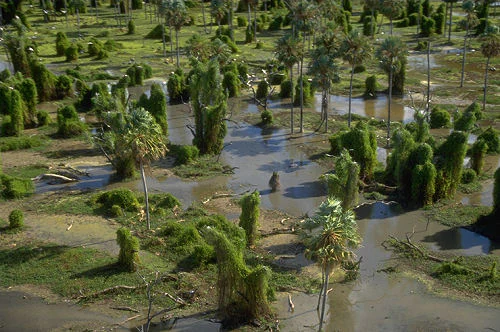
Río Pilcomayo National Park was created by Law 14073, passed on September 29, 1951 and promulgated on October 17, 1951 by Decree 20756/1951. The original park boundary encompassed approximately 285,000 hectares, making it one of Argentina's larger protected areas at the time of its establishment. However, at the request of the Formosa Provincial Legislature, the park's boundaries were significantly reduced in 1968 with the passage of Law 17915 on September 27, 1968, reducing the protected area to its current 51,889 hectares. The excluded land was transferred to provincial jurisdiction. In 1990, a portion of the park was designated as a Strict Nature Reserve under Decree 2149/90, with the reserve boundaries further modified in 1994 by Decree 453/1994, which created the Wilderness Nature Reserve. The park's management plan, the Five-Year Management Plan 2007-2011, was approved in 2006. In 2011, the Administration of Parks National classified the park as a Complexity Level II protected area, placing it under the administration of an appointed superintendent overseeing four departments and two divisions.
Río Pilcomayo National Park landscape and geographic character
The park occupies a vast, gently sloping plain characteristic of the Humid Chaco region, with minimal elevation variation across its extent. The landscape was formed when a depression in ancient crystalline rocks was filled with sediments, creating the flat terrain that dominates the protected area. The uppermost sediment layers are of fluvial and aeolian origin, deposited by ancient river systems and wind. The eastern portions of the park feature finer soils dominated by silts and clays that create less permeable conditions, while the western areas contain coarser, more porous soils. Subtle differences in elevation, though barely perceptible to the casual observer, become critically important during periods of heavy rainfall when water collects in the lowest areas, creating extensive temporary wetlands. The park contains several significant water bodies, with Laguna Blanca being the largest at approximately 700 hectares. The Pilcomayo River and its former channels traverse the landscape, creating a network of riparian zones and floodplain areas. The terrain is characterized by extensive grasslands, palm-dominated savannas, and scattered forest islands that rise above the surrounding wetlands.
Río Pilcomayo National Park ecosystems, habitats, and plant life
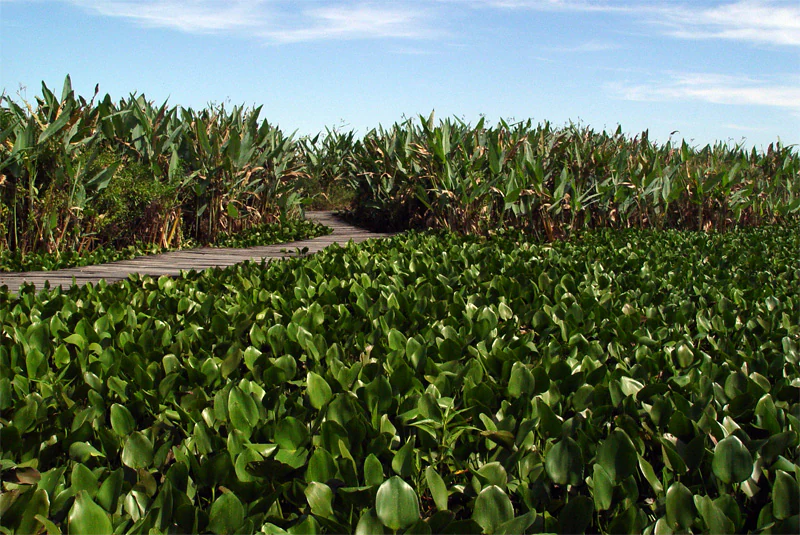
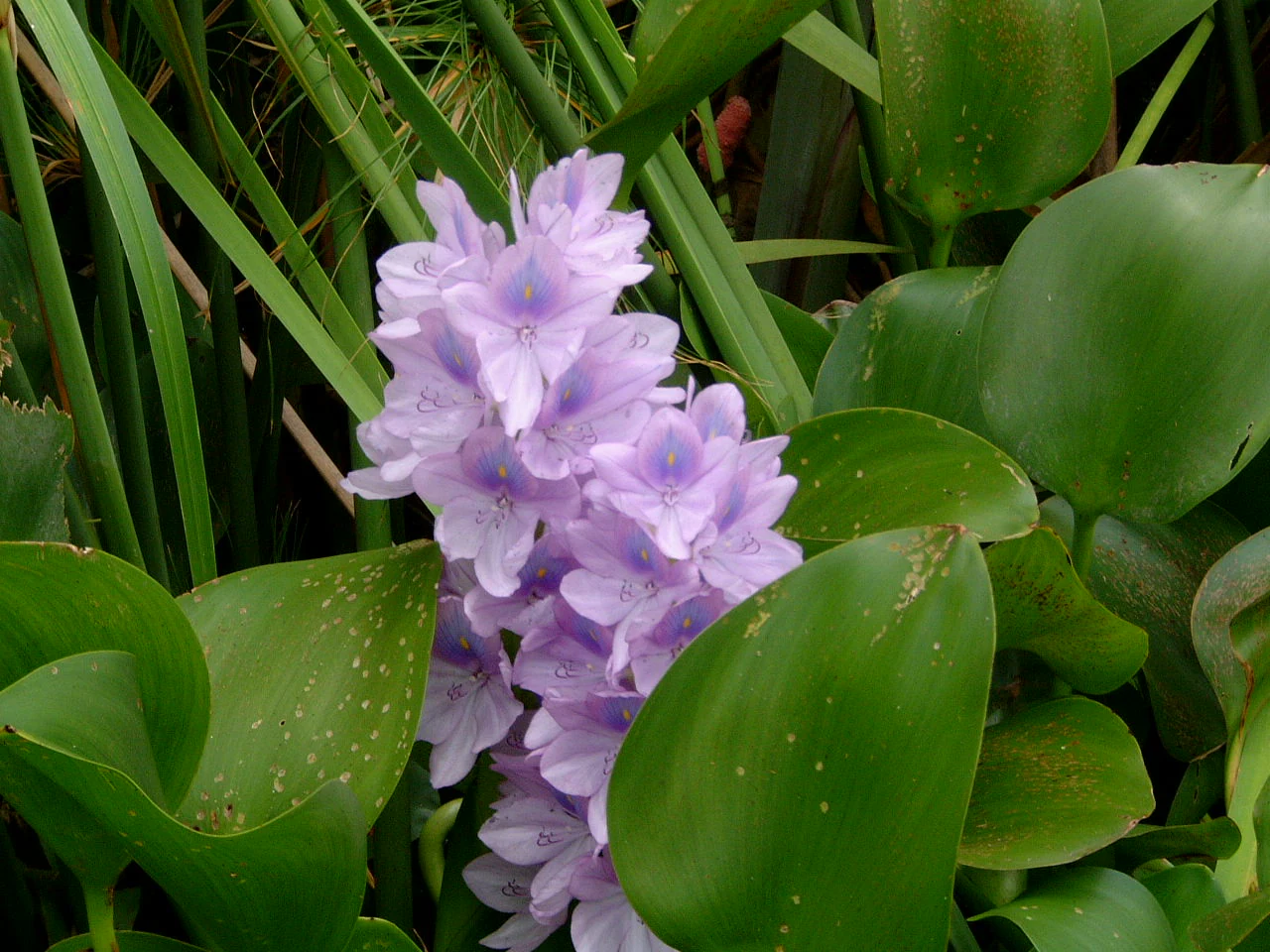
The park protects four distinct vegetation zones that reflect the variation in soil types, hydrology, and elevation across the protected area. The savanna zone is dominated by the Caranday wax palm, an unofficial emblem of the region that towers above dense herbaceous vegetation, particularly species from the genus Scirpus. Other tree species in this zone include Acacia caven and Prosopis nigra. Wetland areas are characterized by floating aquatic vegetation including water hyacinths, Limnocharitaceae, Nymphoides, and Ludwigia species. The riparian zone along the Pilcomayo River and its former channels features figs and sweetwood trees, often covered with lianas, vines, and epiphytes. The fourth zone consists of patchy vegetation on higher lands forming distinctive "mountain islands" where quebracho trees, including Schinopsis balansae and Aspidosperma quebracho-blanco, can be found. The park's position within the Humid Chaco means it experiences seasonal flooding that creates a dynamic landscape where wetland and terrestrial habitats alternate according to rainfall patterns.
Río Pilcomayo National Park wildlife and species highlights
The park supports remarkable wildlife diversity across its terrestrial and aquatic habitats. The higher land areas are home to mammals including gray brocket, capybara, peccary, howler monkey, and puma, while birds such as chachalacas and rails inhabit these zones. The lowland areas and grasslands shelter the distinctive maned wolf along with greater rhea and seriemas, all species adapted to moving through tall grasses and flooded areas thanks to their long limbs. The park holds particular significance for jaguars, with the populations in Río Pilcomayo and El Impenetrable National Park representing the last strongholds of this endangered feline in Argentina's Chaco region. Aquatic environments support storks, herons, roseate spoonbills, and various duck species, while both caiman species found in Argentina occur here: the broad-snouted caiman and the yacare caiman. Fish populations include species from the Hoplosternum genus that can breathe atmospheric air, allowing them to survive in shallow water bodies during drought periods. Snake species include the yellow anaconda and Hydrodynastes gigas, a large water snake.
Río Pilcomayo National Park conservation status and protection priorities
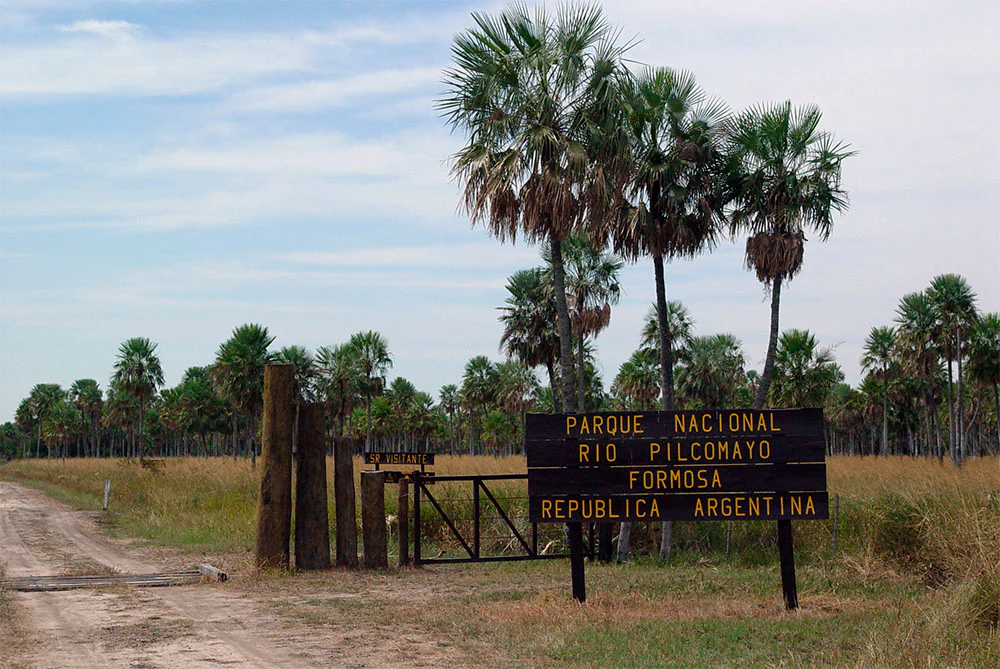
Río Pilcomayo National Park holds significant conservation importance as a protected representative sample of the Humid Chaco ecoregion, one of South America's most threatened biomes. The park's designation as a Ramsar Wetland of International Importance in 1992 underscores its global significance for waterbird habitat preservation and wetland biodiversity conservation. The protected area serves as a critical refuge for jaguar populations, which face serious threats throughout Argentina, making the park essential for the survival of this iconic species in the country. The wetland systems provide crucial habitat for migratory birds traveling between the Northern Hemisphere and southern South America, while the diverse vegetation communities represent various stages of the Humid Chaco ecosystem. The park's strict nature reserve sections provide protection for the most sensitive areas, ensuring that core habitats remain undisturbed. The management plan framework guides conservation activities while balancing visitor access to appropriate areas of the park.
Río Pilcomayo National Park cultural meaning and human context
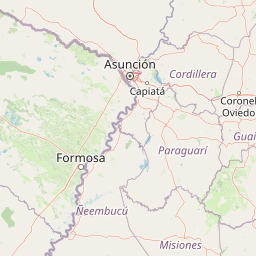
The park is situated in the department of Pilcomayo in Formosa Province, with access via National Routes 11 and 86 passing near the protected area. The town of Laguna Blanca serves as the administrative center and provides access to the park's visitor facilities. Local communities in the surrounding region maintain connections to the land, with traditional activities including fishing and limited agriculture in the broader floodplain system. The park's name derives from the Pilcomayo River, which itself carries cultural significance for indigenous communities in the border region between Argentina and Paraguay. The wetlands and floodplain landscapes have been important to regional communities for generations, with the seasonal flooding patterns traditionally influencing local resource use and settlement patterns.
Top sights and standout views in Río Pilcomayo National Park
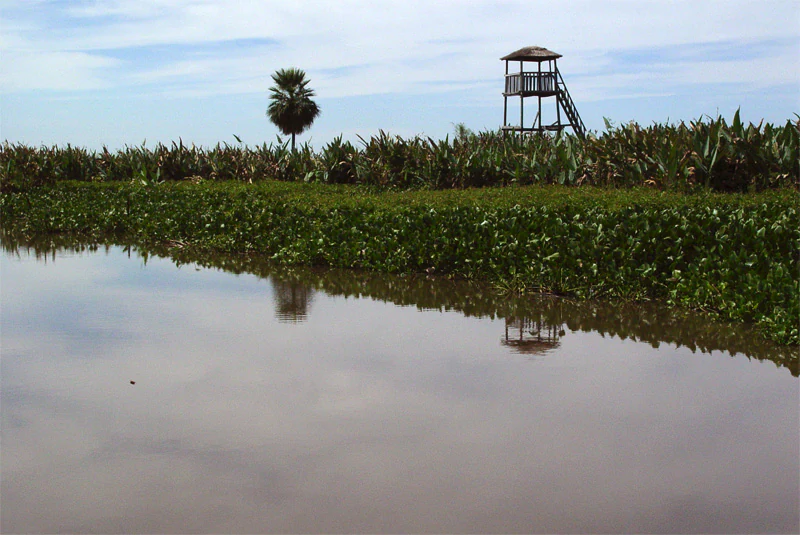
Río Pilcomayo National Park offers visitors the opportunity to experience one of Argentina's most significant wetland wilderness areas. The Laguna Blanca observation platform provides sweeping views over the park's largest lake, where yacare caimans can often be seen basking on the water's edge. The interpretive trails traverse diverse habitats, from palm savannas to riparian forests, allowing visitors to observe the park's varied wildlife. The network of boardwalks passes through extensive reed beds where capybaras and waterfowl are commonly encountered. The park's jaguar population, while elusive, represents a major draw for wildlife enthusiasts seeking to experience one of South America's most iconic predators in its natural habitat. The Caranday palm forests create a distinctive landscape unlike any other protected area in Argentina, particularly during the dry season when the palms stand out against the surrounding grasslands.

Best time to visit Río Pilcomayo National Park
The optimal time to visit Río Pilcomayo depends on what visitors hope to experience. The wet season, roughly from October through March, brings the Pilcomayo River's flooding and creates extensive wetland areas with maximum waterbird activity. Migratory birds from the Northern Hemisphere arrive during this period, making it an excellent time for birdwatching. However, some areas may be less accessible due to flooding. The dry season, from April through September, offers easier access to trails and viewing areas as water levels recede, exposing mudflats and creating smaller, more concentrated water bodies that attract wildlife. Summer months (December to February) can bring extreme heat exceeding 40°C, while winter nights may be cool. The park experiences frequent tornadoes, particularly during the warmer months, so visitors should be aware of weather conditions.