Mori Atlas logo
National parkPredelta National Park

Discover the unique wetland ecosystems and river island geography at the start of the Paraná Delta.

Predelta National Park: National Park Atlas and Mapped Protected Landscape in Entre Ríos

(Parque Nacional Predelta)

Predelta National Park represents a crucial protected area at the geographic threshold where the Paraná River begins its expansive delta formation. This Argentinian national park in Entre Ríos Province preserves a complex mosaic of wetland environments, river islands, and interconnected waterways, offering a distinct landscape context for atlas exploration. Users can discover the park's mapped boundaries and the unique ecological transitions that define this vital South American wetland system.

WetlandsDelta EcosystemRiver IslandsBirdwatchingArgentina National ParksParaná River

Predelta National Park

National park

Park overview

Structured park overview, official facts, and landscape profile for Predelta National Park

Predelta National Park park facts, protected area profile, and essential visitor context
Review the core facts for Predelta National Park, including designation, size, terrain, visitor scale, habitats, and operating context in one park-focused overview.

About Predelta National Park

Predelta National Park represents a carefully preserved window into the ecological character of the Upper Paraná Delta, a region that has shaped both the natural history and human settlement patterns of northeastern Argentina. The park's geography is defined by the complex interplay between the Paraná River and its developing delta system, where watercourses, islands, and wetlands create a constantly shifting landscape. The protected area includes both mainland portions along the river's left bank and three significant islands that demonstrate the full range of delta environments. This diversity of habitats, from forested levees to open lagoons to seasonally inundated marshes, supports an extraordinary concentration of biodiversity despite the park's relatively modest size. The park's management plan, approved in 2019, guides conservation and visitor use activities, with the recreational zone concentrated at Paraje La Jaula, the only point of terrestrial access, located five kilometers from Diamante. Visitors can explore interpretive trails, enjoy shore-based sport fishing, camp, and observe the rich avian fauna that characterizes the region.

Quick facts and research context for Predelta National Park

Predelta National Park occupies 2,604 hectares in the Diamante Department of Entre Ríos Province, Argentina, at coordinates approximately 32°9′S 60°38′W. The park was formally established on January 13, 1992, though the legislation was passed on December 19, 1991, and it is administered by the Administración de Parques Nacionales. The protected area encompasses a stretch of the Paraná River along its left bank, along with three main islands: del Ceibo, las Mangas, and del Barro. The region experiences a humid subtropical to tropical climate moderated by the river's influence, with an average annual temperature of 19°C. The park serves as the northernmost gateway to the Paraná Delta system, which covers approximately 1.2 million hectares and represents one of the world's largest river deltas.

Park context

Deeper park guide and search-rich context for Predelta National Park

Predelta National Park history, landscape, wildlife, and travel context
Explore Predelta National Park through its history, landscape character, ecosystems, wildlife, conservation priorities, cultural context, and seasonal travel timing in a structured park guide built for atlas discovery and search intent.

Why Predelta National Park stands out

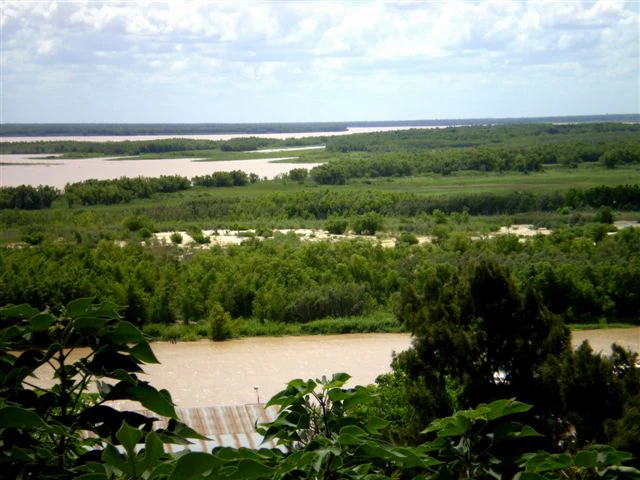
Predelta National Park is best known for its position as the threshold between the continental Paraná River and the extensive delta archipelago, a transition zone where aquatic and terrestrial ecosystems intermingle in a dynamic landscape. The park protects three distinct habitat types: the albardón (natural levees) supporting gallery forests, the open-water lagoons with their floating vegetation, and the low-lying bañados (seasonally flooded wetlands). The park has become particularly recognized for its remarkable birdlife, especially the matraca or ringed kingfisher, which has been adopted as the park's emblematic species due to its abundance and visibility along waterways. The park also preserves one of the few remaining populations of the yacaré ñato (broad-snouted caiman), a species once thought to be extinct in the region. Additionally, Predelta provides crucial habitat for capybaras, South America's largest rodent, whose tracks can be observed along the park's interpretive trails.
PN Predelta 1.jpg
Predelta National Park, Argentina

Predelta National Park history and protected-area timeline

The establishment of Predelta National Park followed a decade-long process of advocacy, legislation, and intergovernmental coordination. In October 1986, National Deputy Rodolfo Miguel Parente from Entre Ríos proposed a declaration requesting the executive branch to study the creation of a national park in the Diamante area. The municipal council of Diamante responded in May 1987 by passing Ordinance 14/1987, which donated 2,458 hectares of islands and wetlands to the national government for the creation of a protected area. This gesture was followed by a collaboration agreement between the municipality and the Administración de Parques Nacionales in September 1987. Provincial Law 8491, passed in July 1991, transferred jurisdiction over the donated land to the national state. On December 19, 1991, National Law 24.063 was enacted, formally creating Predelta National Park, with the law taking effect on January 13, 1992. The formal inauguration and possession by the national parks administration occurred on May 19, 1992. In 1997, the park received its own administrator, becoming independent from El Palmar National Park. The park expanded in 2022 when National Law 27672 incorporated the adjacent Campo Nacional Coronel Sarmiento, a 146-hectare property previously owned by the Argentine Army.

Predelta National Park landscape and geographic character

The landscape of Predelta National Park is defined by the dynamic processes of delta formation, where the Paraná River's waters begin to braid into multiple channels and create islands through sediment deposition. The park encompasses three primary landscape zones: the albardón or natural levee system, which represents the highest ground and supports gallery forests; the lagoon areas with their open water surfaces and floating aquatic vegetation; and the bañados, the low-lying seasonally flooded wetlands. The park is delimited entirely by watercourses, including the main channel of the Paraná River to the west, and smaller waterways such as arroyo La Azotea, riacho Vapor Viejo, arroyo Las Mangas, and arroyo Saca Calzones that form its other boundaries. The three islands within the park, del Ceibo, las Mangas, and del Barro, each represent different stages of delta development and support distinct vegetation communities. The landscape also includes features such as madrejones (oxbow lakes), sandy beaches colonized by willow and alder thickets, and dense stands of paja de techar grass in lower areas.

Predelta National Park ecosystems, habitats, and plant life

The ecological character of Predelta National Park reflects its position within the Paraná Delta and Islands Ecoregion, a region of global significance for wetland biodiversity. The ecoregion encompasses a vast system of low, flooded islands within the middle Paraná and Paraguay river valleys. Within this larger context, Predelta occupies a transitional zone where the river's floodplain transitions into true delta conditions. The park's forests are dominated by ceibo and curupí trees on the levees, while lower areas support white timbó forests. The understory and open areas feature extensive pajonal grasslands dominated by paja de techar and paja boba grasses. The lagoon systems support floating aquatic vegetation including the distinctive irupé (Victoria cruziana), a giant water lily with circular leaves that can reach over a meter in diameter. This plant community creates one of the most visually striking elements of the park's natural landscape, providing shelter for fish and invertebrates while supporting a complex food web.

Predelta National Park wildlife and species highlights

The wildlife of Predelta National Park is exceptionally diverse, particularly in avifauna, which has made birdwatching one of the park's signature activities. The matraca or ringed kingfisher has become the park's emblematic species, being the largest kingfisher in the region with distinctive plumage and frequently observed hunting along waterways. The park supports over 120 documented bird species, including ducks, guaras (limpkin), chajás (southern screamer), storks, herons, and numerous other water-associated species. The spinous red spider monkey, though not present here, builds distinctive nests from sticks that hang over water. The park's mammalian fauna includes the capybara, the world's largest rodent, which is commonly observed along trails and waterways, as well as coypus (coipo), otters, and the river otter. Reptile species include the broad-snouted caiman (yacaré ñato), the tegu lizard (lagarto overo), aquatic snakes, and lagoon turtles. The waters support important fish species including sábalo, armado, patí, boga, manduví, surubí, and dorado.

Predelta National Park conservation status and protection priorities

Predelta National Park plays a critical role in the conservation of the Paraná Delta and Islands Ecoregion, which represents one of the largest and most intact wetland systems in South America. By preserving a representative sample of the Upper Delta's environments, the park contributes to maintaining the ecological connectivity that allows species to move between the delta's northern and southern portions. The park's biodiversity significance is underscored by the special vertebrate list approved in 1998, which identified 10 bird species, 5 mammals, 3 reptiles, and 1 amphibian of particular conservation concern. The protection of this transitional zone is especially important given the extensive modification of delta environments for agriculture, logging, and infrastructure development throughout the broader region. The park's incorporation of Campo Nacional Coronel Sarmiento in 2022 expanded its conservation footprint and provided additional opportunities for visitor services on the mainland portion.

Predelta National Park cultural meaning and human context

The cultural context of Predelta National Park is closely tied to the town of Diamante, which has served as the primary gateway to the delta region since the 19th century. The park's territory, particularly the area near La Jaula, has been shaped by traditional uses including fishing and small-scale agriculture. The name Pre-Delta reflects the park's position at the head of the delta system, a geographical designation that has been used since the earliest proposals for the protected area. The local community of Diamante has been a key partner in the park's establishment and management, with the municipal government originally donating the land that became the core of the protected area. The riverine traditions of the region, including fishing and navigation, remain connected to the park's identity and continue to shape visitor experiences.

Top sights and standout views in Predelta National Park

Predelta National Park offers visitors a unique opportunity to experience the beginning of one of the world's great river deltas, with landscapes that blend tropical and temperate elements in a wetland setting of remarkable complexity. The park's interpretive trails at Paraje La Jaula provide access to representative examples of all the park's major habitat types, while boat excursions allow exploration of the islands and waterways that form the core of the protected area. The irupé lagoons, with their enormous floating water lily pads, represent one of the most visually striking natural features, particularly during the flowering season. The abundance of birdlife, especially the iconic matraca kingfisher, makes Predelta an exceptional destination for ornithologists and nature enthusiasts. The opportunity to observe capybaras along the shores and the presence of caimans in the waterways add to the wildlife viewing experience. Fishing for species like dorado and surubí attracts sport anglers to the park's productive waters.

Best time to visit Predelta National Park

The best time to visit Predelta National Park depends on visitor interests, though the park offers year-round opportunities for exploration. The summer months (December through February) bring warmer temperatures and higher water levels, which can enhance wildlife viewing as animals become more active around the water's edge. This period also coincides with the flowering of the irupé water lily, creating a particularly scenic display in the lagoons. Autumn and spring offer milder temperatures and are comfortable for trail exploration and birdwatching, with spring bringing nesting activity for many bird species. Winter (June through August) sees lower water levels that can make some areas more accessible and concentrate wildlife around remaining water bodies, though temperatures can be cooler. The park's tropical-influenced climate means that even winter temperatures rarely drop significantly, making any season suitable for visiting. The rainy season from October through March may affect access to some areas, so visitors should check current conditions before planning their trip.
Park location guide

Geography guide, regional context, and park location map for Predelta National Park

Predelta National Park park geography, regions, and map view in Argentina
Understand where Predelta National Park sits in Argentina through a broader geographic reading of the surrounding landscape, nearby location context, and its mapped position within the national park landscape.

How Predelta National Park fits into Argentina

Argentina is a federal republic located in the southern cone of South America, bordering Chile, Bolivia, Paraguay, Brazil, Uruguay, and the Atlantic Ocean. With an area of 2,780,085 km², it is the second-largest country in South America and the eighth-largest globally. The capital and largest city is Buenos Aires, and the official language is Spanish. The country claims sovereignty over the Falkland Islands, South Georgia and the South Sandwich Islands, and a portion of Antarctica.

Wider geography shaping Predelta National Park in Argentina

Argentina occupies the southern portion of South America, sharing the Southern Cone region with Chile to the west. The country borders Bolivia and Paraguay to the north, Brazil to the northeast, Uruguay and the South Atlantic Ocean to the east, and the Drake Passage to the south. The Andes mountain range runs along the western border, while the Pampas plains dominate the central region. Argentina also claims territories in Antarctica.

Map view of Predelta National Park

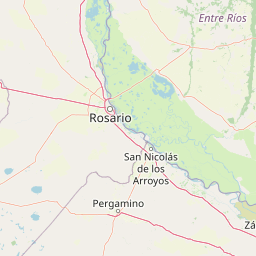
Use this park location map to pinpoint Predelta National Park in Argentina, understand its exact geographic position, and read its mapped placement within the surrounding landscape more clearly.

Pigeon | © OpenStreetMap contributors

Location context for Predelta National Park

Entre Ríos Province

Explore the visual identity of Predelta National Park, tracing its dynamic wetland ecosystems and rich protected area environments.

Discover Predelta National Park's Unique Delta Landscapes, Habitats, and Scenery
Visually explore Predelta National Park's captivating landscapes, showcasing its braided river channels, unique forested islands, vast freshwater lagoons, and seasonally flooded wetlands. These images provide essential geographic context for understanding the park's dynamic delta formation, diverse habitats, and critical role in conserving Argentina's expansive Paraná River wetland ecosystem.

PN Predelta 1.jpg

Park atlas

Compare Protected Landscapes and Delta Ecosystems Across the Paraná River Region

Discover Other National Parks Near Predelta National Park: Explore More Protected Areas
After exploring Predelta National Park's unique wetlands and river delta landscapes, continue your atlas discovery by browsing other protected areas throughout the surrounding Argentine region. Compare additional national parks and nature reserves to trace the geographic spread of delta ecosystems, gallery forests, and critical wetland conservation across the Paraná River basin.
National parkCórdoba Province

Quebrada del Condorito National Park: Mapped Protected Landscape and Biological Island Ecosystem

Argentina National Park in Córdoba Province

Quebrada del Condorito National Park is a federally protected area in Argentina's Córdoba Province, established to safeguard a significant portion of the Sierras Pampeanas mountain ecosystem. The park's rugged terrain, including deep gorges and high-altitude plateaus, creates a distinct biological island environment supporting a wealth of endemic species. Its geographic isolation and dramatic landscape make it a unique focus for protected-area discovery and understanding Argentina's natural geography.

Area
373.44 km²
Established
1996
IUCN
II
National parkCorrientes Province

Mburucuyá National Park: National Park in Corrientes Province, Argentina

Iconic yatay palm savannas and diverse wetland ecosystems.

As a key national park within Argentina's Corrientes Province, Mburucuyá National Park offers a unique atlas-scale view of ecological convergence. It preserves expansive yatay palm savannas, critical wetland habitats within the Iberá Wetlands, and lush subtropical forests. The park's boundaries define an area where the Humid Chaco, Espinal, and Selva Paranaense biomes meet, creating a landscape of exceptional biodiversity and geographic significance for regional conservation and mapped exploration.

Area
176 km²
Established
2001
IUCN
II
National parkChaco Province

Chaco National Park: Protected Landscape and Regional Geography Atlas

Explore mapped boundaries within the Eastern Chaco's unique ecosystem.

Chaco National Park is an important protected area in Chaco Province, Argentina, dedicated to preserving the unique Eastern Chaco ecosystem. Covering 150 square kilometers, its landscape comprises warm lowland terrain with scrubland, savanna, swamp areas, and scattered lakes. This national park is recognized for its efforts to conserve the distinctive quebracho forests and supports a rich array of wildlife, making it a key site for understanding regional protected-area geography and landscape context.

Area
150 km²
Established
1954
IUCN
II
National parkRocha Department

Santa Teresa National Park: Mapped Coastal Forest and Beach Protected Landscape

Explore Rocha Department's unique protected Atlantic coast geography.

Santa Teresa National Park, a designated national park in Uruguay's Rocha Department, offers a compelling example of a protected coastal environment. Its landscape is characterized by a distinctive blend of dense forests that reach down to the sandy shores of the Atlantic Ocean, a rare feature in the region's protected areas. This page provides detailed geographic context and map-based exploration for understanding this unique seaside national park and its place within Uruguay's conservation atlas.

IUCN
II
National parkSantiago del Estero Province

Copo National Park: A Vital Dry Chaco Protected Landscape in Argentina

Explore its mapped boundaries and endemic forest ecosystems.

Copo National Park represents a significant conservation effort within Santiago del Estero Province, protecting a representative segment of the Dry Chaco biome. This national park preserves the iconic quebracho scrubland, a habitat that has been drastically reduced province-wide, serving as a critical refuge for endangered species like the jaguar and maned wolf. The park's landscape features warm climate conditions and characteristic forest formations dominated by the Santiago red quebracho, offering a unique opportunity to study and appreciate a vital, yet vulnerable, regional ecosystem. Its protected status underscores its importance for understanding Argentine protected areas and landscape ecology.

Area
1,181.18 km²
Established
2000
IUCN
II
National parkLa Rioja Province

Talampaya National Park: Argentinian National Park with Dramatic Desert Canyons

Explore protected landscape and mapped geography in La Rioja Province.

Talampaya National Park, a significant national park in Argentina's La Rioja Province, offers a profound exploration of a dramatic desert canyon environment. This protected area is renowned for its rich paleontological sites, yielding crucial dinosaur fossils, and for its well-preserved indigenous petroglyphs carved into ancient rock formations. Understanding Talampaya National Park provides vital context for the region's geography and its place within Argentinian protected lands and mapped natural landscapes.

Area
2,150 km²
Established
1997
IUCN
II
National parkTucumán Province

Aconquija National Park: Southern Andean Yungas Protected Landscape in Tucumán Province

Explore its montane forest and mapped geographic context.

Aconquija National Park is a significant federal protected area located in Tucumán Province, Argentina. This national park is dedicated to conserving the diverse Southern Andean Yungas montane forest ecosystem, characterized by a dramatic elevational gradient. Its landscapes transition from cloud forest to high alpine terrain, offering a unique opportunity to study and appreciate a well-preserved montane environment within a critical geographic region. Discover the mapped extent and ecological importance of this protected area.

Area
499.94 km²
Established
1995
IUCN
II
National parkParaguay

Ypoá National Park: Paraguay's Protected Wetland Landscape and Lake Ecosystem

Explore mapped boundaries and significant bird habitats in the Ñeembucú region.

Ypoá National Park is a critical protected area in Paraguay, renowned for its extensive wetland ecosystems dominated by Lake Ypoá. This national park encompasses a rich mosaic of marshlands, riparian forests, and aquatic vegetation, making it a significant habitat for numerous bird species, including several rare and endemic types. Its designation as a Ramsar Wetland underscores its ecological importance, offering a unique lens for understanding landscape context and protected-area geography within South America.

Area
1,000 km²
Established
1992
IUCN
II

Common questions about visiting, size, designation, and location context for Predelta National Park

Predelta National Park FAQs for park facts, access, geography, and protected area context
Find quick answers about Predelta National Park, including protected-area facts, park geography, trail and visitor context, and how the park fits into its surrounding country and regional landscape.
MoriAtlas Explorer

Continue Your Protected Areas Search Across the Global Atlas

Deepen your exploration by continuing the structured search for national parks and protected areas worldwide. Utilize the comprehensive filtering capabilities to compare different conservation landscapes and refine your understanding of global park geography. Discover more about the distribution and characteristics of protected natural areas.

Global natural geography