Mori Atlas logo
National parkSanta Teresa National Park

Discover Uruguay's distinctive seaside national park with forested terrain and coastal geography.

Santa Teresa National Park: Protected Atlantic Coast Landscape in Rocha Department

Santa Teresa National Park represents a significant protected landscape within Uruguay's Rocha Department, uniquely situated along the Atlantic coast. This national park offers a rare fusion of dense forested terrain and sandy Atlantic beaches, providing a crucial point of reference for coastal protected areas in the region. Explore its mapped boundaries and discover the intricate natural and historic context that defines this distinctive protected landscape.

Atlantic coast parksCoastal forestsBeach parksFortified parksUruguay national parksRocha Department

Santa Teresa National Park

National park

Park overview

Structured park overview, official facts, and landscape profile for Santa Teresa National Park

Santa Teresa National Park park facts, protected area profile, and essential visitor context
Review the core facts for Santa Teresa National Park, including designation, size, terrain, visitor scale, habitats, and operating context in one park-focused overview.

About Santa Teresa National Park

Santa Teresa National Park represents an important protected area along Uruguay's Atlantic coast, where the combination of forested dunes, coastal wetlands, and sandy beaches creates a varied landscape that supports both recreation and conservation. The park's forested interior contains native vegetation adapted to the coastal environment, while its beaches provide access to the Atlantic Ocean for visitors. The presence of the historic Fort of Santa Teresa within the park boundaries adds a cultural dimension that distinguishes this protected area from purely natural reserves, creating an integrated experience where visitors can explore both natural landscapes and historical fortifications. The National Army of Uruguay maintains and supervises the park, an arrangement that has allowed for sustained management and protection of the area over many years. The park serves as a destination for both beach recreation and nature appreciation, with the camping facilities and nature reserve providing opportunities for extended visits.

Quick facts and research context for Santa Teresa National Park

Santa Teresa National Park occupies a coastal forest setting in southeastern Uruguay's Rocha Department. The park features several sandy beaches along its Atlantic coastline, including Playa de los Pesqueros, Playa del Barco, Playa Achiras, and Playa La Moza. Within its boundaries lies the historic Fort of Santa Teresa, a colonial-era fortress that gives the park its name and provides cultural depth to the natural landscape. The protected area includes a nature reserve housing various animal species, an extensive camping area, and a greenhouse displaying diverse plant collections. The park also includes a two-kilometer emergency airplane landing corridor accessible from Route 9.

Park context

Deeper park guide and search-rich context for Santa Teresa National Park

Santa Teresa National Park history, landscape, wildlife, and travel context
Explore Santa Teresa National Park through its history, landscape character, ecosystems, wildlife, conservation priorities, cultural context, and seasonal travel timing in a structured park guide built for atlas discovery and search intent.

Why Santa Teresa National Park stands out

Santa Teresa National Park is best known for its unique combination of Atlantic coastal beaches and forested landscapes that are relatively rare in Uruguay's protected area system. The historic Fort of Santa Teresa stands as a major cultural landmark within the park, offering visitors a connection to Uruguay's colonial military history while they explore the natural environment. The park's location at the edge of Laguna Negra positions it at the intersection of marine and freshwater ecosystems, creating a distinctive ecological setting that supports diverse habitats for wildlife.

Santa Teresa National Park history and protected-area timeline

The establishment of Santa Teresa National Park reflects Uruguay's broader efforts to protect significant natural and cultural landscapes along its Atlantic coast. The park's name derives from the historic Fort of Santa Teresa, a colonial-era military fortification that predates the national park designation and remains a central feature within the protected area. The decision to place the park under the administration of the National Army of Uruguay reflects the military's historical presence in the region and its capacity to maintain and protect large tracts of land. This administrative arrangement has provided consistent resource allocation and security for the park, enabling the preservation of both the natural environment and the historical structures. The fort itself represents the strategic importance of this coastal location during Uruguay's colonial period, when fortifications protected against naval incursions and secured territorial control.

Santa Teresa National Park landscape and geographic character

The landscape of Santa Teresa National Park combines Atlantic coastal features with forested terrain that characterizes much of Uruguay's eastern seaboard. The park's coastline features several distinct beaches stretching along the Atlantic Ocean, each with characteristic sandy shores and nearshore waters. Behind the beaches, the terrain rises into forested areas that provide visual contrast and habitat diversity. The park sits adjacent to Laguna Negra, a coastal lagoon that creates an ecological transition zone between freshwater and marine environments. This proximity to a significant wetland body enhances the park's ecological value and provides visitors with views of a different water body type. The forested areas within the park contain vegetation adapted to coastal conditions, including species that tolerate salt exposure and sandy soils. The terrain is relatively flat, consistent with the coastal plain that characterizes much of Rocha Department.

Santa Teresa National Park ecosystems, habitats, and plant life

The nature of Santa Teresa National Park reflects its position along Uruguay's Atlantic coast, where marine, freshwater, and terrestrial ecosystems converge. The park's nature reserve within its boundaries provides protection for several animal species, creating an area where wildlife can persist in proximity to recreational facilities. The coastal setting supports habitats for both marine and terrestrial species, with the nearby Laguna Negra enhancing the ecological complexity by providing freshwater and wetland environments. The forest cover within the park createshabitat for land species, while the beaches and nearshore waters support marine organisms and attract seabirds. The greenhouse within the park demonstrates botanical diversity through its collection of various plant species, providing visitors with an introduction to regional flora. The combination of protected forest, coastal beach, and lagoon edge creates an ecological mosaic that supports biodiversity within a relatively limited area.

Santa Teresa National Park wildlife and species highlights

Santa Teresa National Park supports various animal species within its nature reserve, where protected habitats allow wildlife to thrive alongside human recreation. The coastal and forested environment provides suitable conditions for diverse fauna, though the Wikipedia source indicates the presence of several animal species without specifying particular species names. The proximity to Laguna Negra creates opportunities for wetland-associated wildlife, including waterfowl and other bird species that utilize both the lagoon and the park's coastal areas. The forest interior provideshabitat for terrestrial species adapted to coastal woodland, while the beach zones support species associated with sandy shores and marine environments. The variety of habitats within the park contributes to its wildlife value, allowing different species groups to find suitable conditions within the protected area.

Santa Teresa National Park conservation status and protection priorities

Santa Teresa National Park serves as an important conservation unit within Uruguay's protected area network, preserving a segment of the country's Atlantic coast that faces development pressures from tourism and coastal expansion. The park's designation as a national park reflects its recognized significance for both natural and cultural heritage, combining environmental protection with the preservation of historical structures. The forest cover within the park represents remnant coastal woodland that has been protected from conversion to agricultural or urban uses. The nature reserve designation provides heightened protection for wildlife within specific areas of the park, creating core conservation zones where species can persist with minimal disturbance. The military administration has provided consistent management capacity that supports ongoing conservation efforts, though the park also accommodates recreational uses that require balancing visitor access with protection objectives.

Santa Teresa National Park cultural meaning and human context

The cultural context of Santa Teresa National Park centers on the historic Fort of Santa Teresa, a colonial-era fortification that predates the modern protected area and represents Uruguay's military heritage along its Atlantic coast. The fort served defensive purposes during periods when coastal security was a significant concern, and its preservation within the park allows visitors to engage with this historical layer while exploring the natural environment. The park's name directly references the fort, establishing the historical structure as the defining cultural feature of the protected area. The administrative role of the National Army of Uruguay also reflects a cultural dimension, as military land management connects the park to Uruguay's institutional history. The presence of military personnel facilities, including housing near Playa del barco, indicates ongoing human presence within the park that reflects the military's continued association with this coastal area.

Top sights and standout views in Santa Teresa National Park

Santa Teresa National Park combines multiple attractions that distinguish it within Uruguay's protected area system. The historic Fort of Santa Teresa provides a unique cultural landmark that most national parks cannot offer, allowing visitors to explore colonial military architecture while surrounded by coastal forest. The park's beaches along the Atlantic coast, including Playa de los Pesqueros, Playa del Barco, Playa Achiras, and Playa La Moza, provide direct ocean access within a protected setting. The nature reserve offers wildlife observation opportunities, while the camping facilities enable extended stays. The greenhouse with diverse plant collections adds another dimension to the visitor experience. The two-kilometer emergency landing corridor on Route 9 represents an unusual feature that speaks to the park's administrative context under military management.
Park location guide

Geography guide, regional context, and park location map for Santa Teresa National Park

Santa Teresa National Park park geography, regions, and map view in Uruguay
Understand where Santa Teresa National Park sits in Uruguay through a broader geographic reading of the surrounding landscape, nearby location context, and its mapped position within the national park landscape.

How Santa Teresa National Park fits into Uruguay

Uruguay is a unitary presidential republic located in southeastern South America. It covers approximately 176,215 km² and has a population of nearly 3.5 million people. The capital and largest city is Montevideo, where roughly 2 million people live in the metropolitan area. Uruguay gained independence between 1825 and 1828 following territorial disputes involving Portugal, Spain, Brazil, and the United Provinces of the Río de la Plata.

Wider geography shaping Santa Teresa National Park in Uruguay

Uruguay is situated in the southeastern part of South America, bordering Argentina to its west and southwest, Brazil to its north and northeast, the Río de la Plata estuary to the south, and the Atlantic Ocean to the southeast. The terrain consists primarily of rolling plains and low hills, with the highest point being Cerro Catedral at approximately 514 meters. The country has several rivers including the Uruguay River, Paraná River, and Negro River.

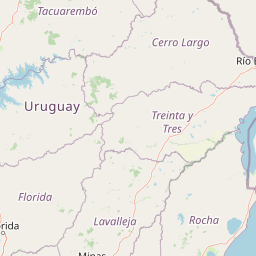
Map view of Santa Teresa National Park

Use this park location map to pinpoint Santa Teresa National Park in Uruguay, understand its exact geographic position, and read its mapped placement within the surrounding landscape more clearly.

Pigeon | © OpenStreetMap contributors

Location context for Santa Teresa National Park

Rocha Department
Park atlas

Trace the regional spread of Uruguay's protected landscapes and Atlantic coastal conservation zones.

Compare Coastal Protected Areas and National Parks Near Santa Teresa National Park
After exploring Santa Teresa National Park, continue browsing other national parks and coastal protected areas spread across Uruguay's Atlantic seaboard and Rocha Department. This expanded geographic view enables direct comparison of diverse conservation landscapes, terrain features, and historical sites within a consistent regional context.
National parkEntre Ríos Province

Predelta National Park: Mapped Boundaries and Protected Wetland Geography in Entre Ríos

Explore the unique river island ecosystems and dynamic delta landscape.

Predelta National Park stands as a critical protected landscape at the initial stages of the vast Paraná Delta, located in Argentina's Entre Ríos Province. This national park is defined by its intricate network of lagoons, natural levees, and forested islands, showcasing a transition zone where the river fragments into a complex wetland ecosystem. Understanding Predelta National Park involves exploring its mapped geography, its role in the Paraná River's delta formation, and its significance as a protected natural area vital for regional biodiversity and ecological processes.

Area
24.58 km²
Established
1992
IUCN
II
National parkCorrientes Province

Mburucuyá National Park: National Park in Corrientes Province, Argentina

Iconic yatay palm savannas and diverse wetland ecosystems.

As a key national park within Argentina's Corrientes Province, Mburucuyá National Park offers a unique atlas-scale view of ecological convergence. It preserves expansive yatay palm savannas, critical wetland habitats within the Iberá Wetlands, and lush subtropical forests. The park's boundaries define an area where the Humid Chaco, Espinal, and Selva Paranaense biomes meet, creating a landscape of exceptional biodiversity and geographic significance for regional conservation and mapped exploration.

Area
176 km²
Established
2001
IUCN
II
National parkParaguay

Ypoá National Park: Paraguay's Protected Wetland Landscape and Lake Ecosystem

Explore mapped boundaries and significant bird habitats in the Ñeembucú region.

Ypoá National Park is a critical protected area in Paraguay, renowned for its extensive wetland ecosystems dominated by Lake Ypoá. This national park encompasses a rich mosaic of marshlands, riparian forests, and aquatic vegetation, making it a significant habitat for numerous bird species, including several rare and endemic types. Its designation as a Ramsar Wetland underscores its ecological importance, offering a unique lens for understanding landscape context and protected-area geography within South America.

Area
1,000 km²
Established
1992
IUCN
II
National parkChaco Province

Chaco National Park: Protected Landscape and Regional Geography Atlas

Explore mapped boundaries within the Eastern Chaco's unique ecosystem.

Chaco National Park is an important protected area in Chaco Province, Argentina, dedicated to preserving the unique Eastern Chaco ecosystem. Covering 150 square kilometers, its landscape comprises warm lowland terrain with scrubland, savanna, swamp areas, and scattered lakes. This national park is recognized for its efforts to conserve the distinctive quebracho forests and supports a rich array of wildlife, making it a key site for understanding regional protected-area geography and landscape context.

Area
150 km²
Established
1954
IUCN
II
National parkCórdoba Province

Quebrada del Condorito National Park: Mapped Protected Landscape and Biological Island Ecosystem

Argentina National Park in Córdoba Province

Quebrada del Condorito National Park is a federally protected area in Argentina's Córdoba Province, established to safeguard a significant portion of the Sierras Pampeanas mountain ecosystem. The park's rugged terrain, including deep gorges and high-altitude plateaus, creates a distinct biological island environment supporting a wealth of endemic species. Its geographic isolation and dramatic landscape make it a unique focus for protected-area discovery and understanding Argentina's natural geography.

Area
373.44 km²
Established
1996
IUCN
II
National parkFormosa Province

Río Pilcomayo National Park: Protected Humid Chaco Wetland Landscape & Geography

Explore mapped boundaries and unique floodplain terrain in Formosa Province.

Río Pilcomayo National Park represents a significant protected natural area within Argentina's Formosa Province, characterized by the unique ecosystems of the Humid Chaco. The park's landscape is defined by extensive floodplains, marshes, lakes, and forests, all influenced by the Pilcomayo River's dynamic hydrological cycle. As a Ramsar site, it safeguards crucial habitats, including those for the endangered jaguar, and showcases iconic Caranday palm savannas. This detailed atlas entry provides insights into its mapped geography and the vital protected landscape it preserves.

Area
518.89 km²
Established
1951
IUCN
II
National parkSantiago del Estero Province

Copo National Park: A Vital Dry Chaco Protected Landscape in Argentina

Explore its mapped boundaries and endemic forest ecosystems.

Copo National Park represents a significant conservation effort within Santiago del Estero Province, protecting a representative segment of the Dry Chaco biome. This national park preserves the iconic quebracho scrubland, a habitat that has been drastically reduced province-wide, serving as a critical refuge for endangered species like the jaguar and maned wolf. The park's landscape features warm climate conditions and characteristic forest formations dominated by the Santiago red quebracho, offering a unique opportunity to study and appreciate a vital, yet vulnerable, regional ecosystem. Its protected status underscores its importance for understanding Argentine protected areas and landscape ecology.

Area
1,181.18 km²
Established
2000
IUCN
II
National parkRío Negro Province

Islote Lobos National Park: Coastal Archipelago National Park in Río Negro Province

Mapping the dynamic intertidal zones and unique Patagonian marine geography.

Islote Lobos National Park is a notable national park on the Atlantic coast of Río Negro Province, Argentina. This protected area preserves a distinctive landscape of six rocky promontories emerging from San Matías Gulf, creating unique island ecosystems. The park's coastal and marine environments, characterized by significant tidal fluctuations and important habitats for marine fauna, are vital to the Patagonian natural heritage. Its mapped geography offers critical insights into regional conservation efforts.

Area
19.079 km²
Established
2020
IUCN
II

Common questions about visiting, size, designation, and location context for Santa Teresa National Park

Santa Teresa National Park FAQs for park facts, access, geography, and protected area context
Find quick answers about Santa Teresa National Park, including protected-area facts, park geography, trail and visitor context, and how the park fits into its surrounding country and regional landscape.
MoriAtlas Explorer

Continue Your Protected Areas Search Across the Global Atlas

Deepen your exploration by continuing the structured search for national parks and protected areas worldwide. Utilize the comprehensive filtering capabilities to compare different conservation landscapes and refine your understanding of global park geography. Discover more about the distribution and characteristics of protected natural areas.

Global natural geography