Why Quebrada del Condorito National Park stands out
Quebrada del Condorito is best known as a critical stronghold for the Andean condor, one of South America's most iconic and largest flying birds. The park represents the easternmost distribution limit for this species, which suffered severe population declines throughout the twentieth century. Recent conservation policies focused on active protection, care, and reintroduction have led to remarkable population recovery in the region. Beyond the condor, the park is renowned for its biological island characteristics the high Sierras Grandes stand in sharp contrast to the surrounding Pampas lowlands, creating unique ecological conditions that support a wealth of endemic plant and animal species. The combination of pristine mountain scenery, exceptional biodiversity, and the dramatic presence of condors soaring on thermal currents makes this park a distinctive destination within Argentina's national park system.
Quebrada del Condorito National Park history and protected-area timeline
The highlands of what is now Quebrada del Condorito National Park have been inhabited by human communities for thousands of years. Archaeological evidence points to the presence of the Ayampitín Culture, a group of hunter-gatherers who established temporary camps in these uplands to hunt guanaco, pampas deer, and the large mammals that once roamed the region in abundance. When Spanish colonizers arrived in the sixteenth century, the Comechingones people were the region's indigenous inhabitants. Colonial era activity brought extensive ranching practices to the area, which continued for centuries and resulted in significant environmental impacts including intense erosion from cattle trampling on the steep, sandy soils. The establishment of the national park in 1996 represented a formal commitment to restoring and protecting these degraded ecosystems while preserving the region's natural and cultural heritage.
Quebrada del Condorito National Park landscape and geographic character
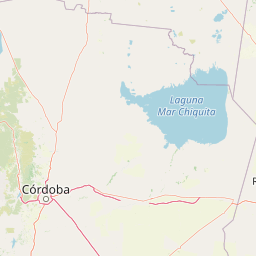
The physical landscape of Quebrada del Condorito is defined by the dramatic topography of the Sierras Pampeanas. The park features narrow gorges carved by streams running through the mountainous terrain, creating a network of watercourses throughout the protected area. Low hills and grasslands, locally called montes, make up the majority of the park's surface area. The terrain rises sharply from the surrounding Pampas plains, creating a distinct highland environment that stands apart from the lower-lying agricultural lands below. The combination of steep slopes, rocky outcrops, and open grassland creates a visually striking landscape that changes character with the seasons and weather. Dense fog frequently blankets the shallow valleys, adding to the atmospheric quality of the mountain environment.
Quebrada del Condorito National Park ecosystems, habitats, and plant life
The ecological character of Quebrada del Condorito is shaped by its position as a biological island within the Sierras Grandes. The high-altitude environment contrasts sharply with the great Pampas plains that surround the mountain range, creating isolated conditions that have driven unique evolutionary processes. This geographical setting allows for intermittent flows of wildlife colonization from Andean and Patagonian regions, depending on climate variations. The result is a rich diversity of endemic species, both plants and animals, found nowhere else on Earth. The park protects representative samples of Sierras Pampeanas biodiversity that had reached an endangered conservation state prior to the park's establishment, making it a critical refuge for regional flora and fauna.
Quebrada del Condorito National Park wildlife and species highlights
The wildlife of Quebrada del Condorito is most famously represented by the Andean condor, a species that has become the park's flagship conservation symbol. The easternmost population distribution of these magnificent birds is found in this region, and the park provides crucial protected habitat for breeding and foraging. The carancho, a large bird of prey, also inhabits the park and can be observed throughout the territory. The historical mammalian fauna included guanaco and pampas deer, though populations have been significantly reduced by centuries of hunting and habitat change. The diverse endemic species, both vertebrate and invertebrate, that have evolved in the biological island conditions of the Sierras Grandes add further significance to the park's wildlife value.
Quebrada del Condorito National Park conservation status and protection priorities
Quebrada del Condorito was established specifically to protect endangered Sierras Pampeanas biodiversity in a region where conservation status had become critical. The park represents one of the few protected areas preserving the high-altitude mountain ecosystems of central Argentina. The recovery of Andean condor populations following near-extirpation in the twentieth century stands as a notable conservation success story, demonstrating the effectiveness of targeted protection policies, active population management, and reintroduction programs. The park's isolation and difficult terrain have helped shield its ecosystems from development pressures, though historic ranching activities left lasting impacts on vegetation cover through soil erosion on steep slopes.
Quebrada del Condorito National Park cultural meaning and human context
The human history of Quebrada del Condorito spans thousands of years, beginning with the Ayampitín Culture whose archaeological presence is documented in the upland areas. These prehistoric hunter-gatherers established seasonal camps to exploit the abundant game species of the mountain environment. The Comechingones people inhabited the region at the time of European contact, maintaining traditional relationships with the landscape that continued through the colonial period. The mountainous terrain has historically presented challenges to human settlement, which helps explain why the area remained relatively wild despite centuries of colonial activity in the surrounding lowlands.
Top sights and standout views in Quebrada del Condorito National Park
The defining highlight of Quebrada del Condorito is the opportunity to observe Andean condors in their natural high-altitude habitat, soaring on thermal currents above the mountain ridges. The park's status as a biological island within the Sierras Pampeanas makes it a destination of genuine scientific and ecological interest, with numerous endemic species found in the protected highland environment. The dramatic contrast between the Sierras Grandes peaks and the surrounding Pampas plains creates a visually compelling landscape that rewards visitors who venture into the park's interior. The sense of remoteness and wilderness, maintained despite the park's proximity to Argentina's second-largest city, adds to its appeal as a nature destination.
Best time to visit Quebrada del Condorito National Park
The park can be visited throughout the year, with each season offering different experiences. Summer months typically bring warmer conditions and more stable weather for hiking and outdoor activities in the mountain environment. Winter transforms the landscape with snow on higher elevations, creating dramatic scenery but also requiring appropriate equipment and preparation for cold conditions. The shoulder seasons of spring and autumn offer pleasant temperatures and the opportunity to experience the changing character of the mountain environment. Visitors interested in condor watching should consider that these birds are present year-round, though their flight patterns and visibility may vary with seasonal thermals. The park's high-altitude location means that weather conditions can change rapidly, and visitors should be prepared for temperature extremes regardless of the season.