Mori Atlas logo
National parkTalampaya National Park

Discover the mapped protected boundaries and dramatic desert landscapes of La Rioja Province.

Talampaya National Park: Argentinian National Park, Desert Canyons, and Paleontological Atlas

(Parque Nacional Talampaya)

Talampaya National Park represents a significant protected area within Argentina's La Rioja Province, offering a unique window into a dramatic desert canyon landscape. This national park is celebrated for its exceptional paleontological discoveries, revealing millions of years of Earth's history, and for preserving ancient indigenous archaeological sites with intricate petroglyphs. Users can explore the park's mapped boundaries and understand its geographic context within the High Monte ecoregion, a vital component of the broader Argentinian atlas.

Desert landscapesCanyon systemsUNESCO World Heritage SitePaleontological sitesArchaeological sitesArgentinian national parks

Talampaya National Park

National park

Park overview

Structured park overview, official facts, and landscape profile for Talampaya National Park

Talampaya National Park park facts, protected area profile, and essential visitor context
Review the core facts for Talampaya National Park, including designation, size, terrain, visitor scale, habitats, and operating context in one park-focused overview.

About Talampaya National Park

Talampaya National Park protects a remarkable desert landscape in the heart of Argentina's High Monte ecoregion. The park's terrain is the product of millions of years of erosion by water and wind in an arid environment, creating the spectacular canyon system that defines the region today. The Talampaya River, now typically dry, once flowed through this landscape and supported the dinosaur fauna whose fossilized remains have been discovered in the area. The park's archaeological significance is equally profound, with petroglyphs left by indigenous peoples depicting their relationship with this harsh but spiritually significant landscape. The park shares a border with Ischigualasto Provincial Park to the south, and together these two protected areas form a trans-provincial World Heritage Site that preserves one of the most important continental fossil records on the planet. The Administration of Parques Nacionales manages the park, which remains a destination for scientific research, geological study, and visitors seeking to experience the raw beauty of the Argentine desert.

Quick facts and research context for Talampaya National Park

Talampaya National Park occupies a basin between the Cerro Los Colorados to the west and the Sierra de Sañagasta to the east in La Rioja Province. The park features the dramatic Talampaya gorge, where rock formation walls of the Talampaya Formation rise up to 143 meters high, narrowing to 80 meters at one point. The park protects archaeological sites including the petroglyphs at Puerta del Cañón and serves as a repository for dinosaur fossil discoveries from the ancient riverbed of the Talampaya River. Wildlife includes guanacos, maras, foxes, hares, condors, and rheas. The desert climate features extreme temperature variations between hot days and cold nights, with summer rains and spring winds.

Park context

Deeper park guide and search-rich context for Talampaya National Park

Talampaya National Park history, landscape, wildlife, and travel context
Explore Talampaya National Park through its history, landscape character, ecosystems, wildlife, conservation priorities, cultural context, and seasonal travel timing in a structured park guide built for atlas discovery and search intent.

Why Talampaya National Park stands out

Talampaya is best known for its spectacular canyon landscapes with towering red rock walls, its paleontological sites containing dinosaur fossils from millions of years ago, and its well-preserved indigenous petroglyphs. The park's dramatic gorge, with walls reaching 143 meters in height, represents one of the most visually striking geological features in Argentina's northwestern region. The designation as a UNESCO World Heritage Site, shared with Ischigualasto Provincial Park, recognizes the outstanding scientific importance of the fossil discoveries and the region's geological record.

Talampaya National Park history and protected-area timeline

The area that now comprises Talampaya National Park was first designated as a provincial reserve in 1975, recognizing both its geological significance and the archaeological value of the petroglyph sites found within the canyon walls. This initial protection established the foundation for what would become one of Argentina's most important protected areas. In 1997, the reserve was elevated to national park status, reflecting the growing recognition of the site's international significance. The formal inscription as a UNESCO World Heritage Site followed in 2000, when the World Heritage Committee designated Ischigualasto and Talampaya Natural Parks under criterion viii for their outstanding universal value as major stages in Earth's history. This international recognition cemented the park's status as a site of global importance for paleontological research and geological preservation.

Talampaya National Park landscape and geographic character

The landscape of Talampaya National Park is defined by its dramatic desert canyon system. The Talampaya gorge cuts through the landscape with walls of the Talampaya Formation rising to impressive heights, reaching 143 meters at their tallest and narrowing to just 80 meters at one constrained passage. The park sits within a basin flanked by the Cerro Los Colorados to the west and the Sierra de Sañagasta to the east. The terrain shows the hallmarks of water and wind erosion acting over vast timescales in an arid climate. The dry bed of the Talampaya River traces through the park's center, a remnant of the ancient water systems that once supported rich ecosystems in this desert environment. The landscape transitions from the canyon floor to the surrounding desert plains, creating a varied topography that defines the visual character of the protected area.

Talampaya National Park ecosystems, habitats, and plant life

Talampaya National Park protects a representative portion of the High Monte ecoregion, one of Argentina's distinctive desert biomes. The park's elevation of approximately 1,500 meters above sea level creates conditions that support specialized flora and fauna adapted to the harsh desert environment. The vegetation reflects the arid conditions, with plants adapted to survive extreme temperature variations and limited precipitation. The botanical garden located at the narrow point of the canyon showcases the local flora that has evolved to thrive in this challenging environment. The desert biome supports a surprising diversity of life despite the harsh conditions, with species having developed remarkable adaptations to survive the high heat of daytime and the cold of night, the summer torrential rains, and the strong spring winds.

Talampaya National Park wildlife and species highlights

The fauna of Talampaya National Park represents the adapted species of the High Monte desert ecosystem. Guanacos, the wild camelids of South America, roam the landscape and represent one of the most recognizable large mammals found in the park. Smaller mammals include hares and maras, the large rodents native to the Patagonian steppe that have extended their range into this desert environment. Foxes are present throughout the park, preying on the smaller mammals and adapting to the nocturnal lifestyle required by the desert conditions. The birdlife includes the impressive Andean condor, soaring on thermal currents rising from the heated canyon walls, and rheas, the large flightless birds that roam the desert floor. This complement of species demonstrates the ecological resilience of desert ecosystems and the park's role in preserving these animal communities.

Talampaya National Park conservation status and protection priorities

Talampaya National Park represents a critical conservation achievement in Argentina's protected area network. The park's designation as a UNESCO World Heritage Site in 2000 reflects the international recognition of its outstanding universal value, specifically its representation of major stages in Earth's geological and paleontological history. The protected status ensures the preservation of both the paleontological sites containing dinosaur fossils and the archaeological sites with indigenous petroglyphs. The High Monte ecoregion, while extensive across northwestern Argentina, faces pressures from development and land use change, making national park status crucial for maintaining ecological integrity. The park's management under the Administración de Parques Nacionales ensures coordinated conservation efforts that protect the geological, paleontological, and ecological values for present and future generations.

Talampaya National Park cultural meaning and human context

The cultural significance of Talampaya extends beyond its geological and paleontological importance to encompass the heritage of the indigenous peoples who inhabited this desert region. The petroglyphs at Puerta del Cañón represent tangible evidence of human presence in this landscape, with pre-Columbian artists carving images into the canyon walls that reflect their spiritual connection to the land. These archaeological sites provide a window into the lives of peoples who survived in this challenging desert environment and who left their mark on the landscape in ways that remain visible today. The park preserves these cultural elements alongside the natural features, creating a protected area that tells the story of both geological time and human history in this corner of Argentina.

Top sights and standout views in Talampaya National Park

The Talampaya gorge stands as the park's most visually spectacular feature, with its towering red rock walls reaching 143 meters in height and creating a dramatic canyon environment. The paleontological sites within the park, while less famous than those at adjacent Ischigualasto, still hold significant dinosaur fossil discoveries that contribute to scientific understanding of prehistoric life in this region. The indigenous petroglyphs at Puerta del Cañón represent an important archaeological treasure, preserving the artistic and spiritual heritage of the region's original inhabitants. The botanical garden provides an accessible introduction to the specialized desert flora that has adapted to survive in the High Monte environment. The presence of Andean condors soaring above the canyon creates a wildlife viewing experience that combines the park's geological grandeur with biological wonder.

Best time to visit Talampaya National Park

The desert climate of Talampaya National Park features extreme temperature variations that shape the visitor experience throughout the year. Summer months bring hot daytime temperatures but also the brief torrential rains that transform the landscape briefly and bring dramatic cloud formations to the sky. Spring brings strong winds across the plateau, which can affect visibility and comfort for outdoor activities. The most comfortable season for visiting typically falls during the cooler months, when daytime temperatures are more moderate and the clear desert skies provide excellent visibility for photography and sightseeing. The park's high elevation of 1,500 meters above sea level modifies the climate somewhat, providing cooler conditions than the valleys below. Visitors planning trips should account for the dramatic diurnal temperature range, dressing in layers to accommodate both the intense daytime sun and the significant temperature drop after sundown.
Park location guide

Geography guide, regional context, and park location map for Talampaya National Park

Talampaya National Park park geography, regions, and map view in Argentina
Understand where Talampaya National Park sits in Argentina through a broader geographic reading of the surrounding landscape, nearby location context, and its mapped position within the national park landscape.

How Talampaya National Park fits into Argentina

Argentina is a federal republic located in the southern cone of South America, bordering Chile, Bolivia, Paraguay, Brazil, Uruguay, and the Atlantic Ocean. With an area of 2,780,085 km², it is the second-largest country in South America and the eighth-largest globally. The capital and largest city is Buenos Aires, and the official language is Spanish. The country claims sovereignty over the Falkland Islands, South Georgia and the South Sandwich Islands, and a portion of Antarctica.

Wider geography shaping Talampaya National Park in Argentina

Argentina occupies the southern portion of South America, sharing the Southern Cone region with Chile to the west. The country borders Bolivia and Paraguay to the north, Brazil to the northeast, Uruguay and the South Atlantic Ocean to the east, and the Drake Passage to the south. The Andes mountain range runs along the western border, while the Pampas plains dominate the central region. Argentina also claims territories in Antarctica.

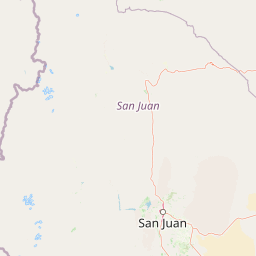
Map view of Talampaya National Park

Use this park location map to pinpoint Talampaya National Park in Argentina, understand its exact geographic position, and read its mapped placement within the surrounding landscape more clearly.

Pigeon | © OpenStreetMap contributors

Location context for Talampaya National Park

La Rioja Province
Park atlas

Trace the regional geography of Argentina's central-west, comparing canyon systems and protected desert landscapes.

Explore Nearby National Parks, Protected Areas, and Landscapes Surrounding Talampaya National Park
Browse additional national parks and protected areas located near Talampaya National Park, featuring similar dramatic desert canyon systems and paleontological sites within Argentina's central-west. Comparing these distinct protected landscapes reveals the regional spread of conservation efforts and diverse geological formations across the High Monte ecoregion.
National parkTucumán Province

Aconquija National Park: Southern Andean Yungas Protected Landscape in Tucumán Province

Explore its montane forest and mapped geographic context.

Aconquija National Park is a significant federal protected area located in Tucumán Province, Argentina. This national park is dedicated to conserving the diverse Southern Andean Yungas montane forest ecosystem, characterized by a dramatic elevational gradient. Its landscapes transition from cloud forest to high alpine terrain, offering a unique opportunity to study and appreciate a well-preserved montane environment within a critical geographic region. Discover the mapped extent and ecological importance of this protected area.

Area
499.94 km²
Established
1995
IUCN
II
National parkAtacama Region

Llanos de Challe National Park: Unique Coastal Desert and Lomas Ecosystem

Atacama Region National Park with Dramatic Terrain and Wildlife

Llanos de Challe National Park presents a rare protected coastal desert environment within the Atacama Region. Its unique lomas ecosystem, sustained by coastal fog, supports a surprising diversity of life. The park encompasses striking geographic features, from unspoiled white-sand beaches to rugged mountainous terrain, offering a clear example of a vital protected landscape with significant guanaco populations and unique flora, all mapped within its regional context.

IUCN
II
National parkCórdoba Province

Quebrada del Condorito National Park: Mapped Protected Landscape and Biological Island Ecosystem

Argentina National Park in Córdoba Province

Quebrada del Condorito National Park is a federally protected area in Argentina's Córdoba Province, established to safeguard a significant portion of the Sierras Pampeanas mountain ecosystem. The park's rugged terrain, including deep gorges and high-altitude plateaus, creates a distinct biological island environment supporting a wealth of endemic species. Its geographic isolation and dramatic landscape make it a unique focus for protected-area discovery and understanding Argentina's natural geography.

Area
373.44 km²
Established
1996
IUCN
II
National parkValparaíso Region

La Campana National Park: Protected Landscape of Chilean Wine Palms

Explore its mapped terrain and regional geographic context.

La Campana National Park represents a significant protected landscape within Chile, celebrated for its exceptional concentration of Chilean Wine Palms (Jubaea chilensis). As a national park situated in the Valparaíso Region, it showcases a diverse range of Mediterranean ecosystems and dramatic coastal mountain terrain. This page provides detailed atlas-style context, highlighting the park's unique botanical heritage, its distinct geographic setting, and its importance as a mapped natural area for regional landscape studies.

Area
80 km²
Established
1967
IUCN
II
National parkAntofagasta Region

Llullaillaco National Park: Mapped Volcanic Terrain and Protected Andean Landscape

Explore the high-altitude desert ecosystem and national park boundaries.

Llullaillaco National Park is a significant protected area in the Antofagasta Region, characterized by its striking volcanic landscape and high-altitude desert environment. The park's geography includes the towering Llullaillaco volcano, ancient ravines, and expansive semi-desert plains, forming a unique segment of the Central Andean dry puna ecoregion. Discover the mapped terrain and protected area context of this remarkable Chilean national park, offering insights into its arid-adapted biodiversity and geological significance.

Area
2,687 km²
IUCN
II
National parkSantiago del Estero Province

Copo National Park: A Vital Dry Chaco Protected Landscape in Argentina

Explore its mapped boundaries and endemic forest ecosystems.

Copo National Park represents a significant conservation effort within Santiago del Estero Province, protecting a representative segment of the Dry Chaco biome. This national park preserves the iconic quebracho scrubland, a habitat that has been drastically reduced province-wide, serving as a critical refuge for endangered species like the jaguar and maned wolf. The park's landscape features warm climate conditions and characteristic forest formations dominated by the Santiago red quebracho, offering a unique opportunity to study and appreciate a vital, yet vulnerable, regional ecosystem. Its protected status underscores its importance for understanding Argentine protected areas and landscape ecology.

Area
1,181.18 km²
Established
2000
IUCN
II
National parkEntre Ríos Province

Predelta National Park: Mapped Boundaries and Protected Wetland Geography in Entre Ríos

Explore the unique river island ecosystems and dynamic delta landscape.

Predelta National Park stands as a critical protected landscape at the initial stages of the vast Paraná Delta, located in Argentina's Entre Ríos Province. This national park is defined by its intricate network of lagoons, natural levees, and forested islands, showcasing a transition zone where the river fragments into a complex wetland ecosystem. Understanding Predelta National Park involves exploring its mapped geography, its role in the Paraná River's delta formation, and its significance as a protected natural area vital for regional biodiversity and ecological processes.

Area
24.58 km²
Established
1992
IUCN
II
National parkChaco Province

Chaco National Park: Protected Landscape and Regional Geography Atlas

Explore mapped boundaries within the Eastern Chaco's unique ecosystem.

Chaco National Park is an important protected area in Chaco Province, Argentina, dedicated to preserving the unique Eastern Chaco ecosystem. Covering 150 square kilometers, its landscape comprises warm lowland terrain with scrubland, savanna, swamp areas, and scattered lakes. This national park is recognized for its efforts to conserve the distinctive quebracho forests and supports a rich array of wildlife, making it a key site for understanding regional protected-area geography and landscape context.

Area
150 km²
Established
1954
IUCN
II

Common questions about visiting, size, designation, and location context for Talampaya National Park

Talampaya National Park FAQs for park facts, access, geography, and protected area context
Find quick answers about Talampaya National Park, including protected-area facts, park geography, trail and visitor context, and how the park fits into its surrounding country and regional landscape.
MoriAtlas Explorer

Continue Your Protected Areas Search Across the Global Atlas

Deepen your exploration by continuing the structured search for national parks and protected areas worldwide. Utilize the comprehensive filtering capabilities to compare different conservation landscapes and refine your understanding of global park geography. Discover more about the distribution and characteristics of protected natural areas.

Global natural geography