

Mori Atlas logo
National parkMitchell River National Park

Discover the mapped boundaries and unique warm-temperate rainforest within this significant national park.

Mitchell River National Park: Victoria's Dramatic Gorge Landscape & Protected River Ecosystem

Mitchell River National Park represents a core protected landscape in Victoria, Australia, offering a unique atlas perspective on the largest unregulated river in Victoria. This national park is defined by its spectacular gorge system, where the Mitchell River has sculpted dramatic cliffs and valleys through ancient geological strata. Users can explore its mapped boundaries to understand a landscape that shelters the world's southernmost occurrence of warm-temperate rainforest, a rare ecological phenomenon thriving in sheltered gorge microclimates. Its identity as a protected area within the broader Gippsland region makes it a crucial site for geographic and landscape discovery.

National ParksVictoriaRiparian EcosystemsWarm-Temperate RainforestGippslandRiver Gorges

Mitchell River National Park

National park

Park overview

Structured park overview, official facts, and landscape profile for Mitchell River National Park

Mitchell River National Park park facts, protected area profile, and essential visitor context
Review the core facts for Mitchell River National Park, including designation, size, terrain, visitor scale, habitats, and operating context in one park-focused overview.

About Mitchell River National Park

Mitchell River National Park stands as a testament to Victoria's commitment to preserving unique ecological systems and culturally significant landscapes. The park's central feature, the Mitchell River, flows through a landscape shaped by millions of years of geological processes, creating the high cliffs and several gorges that define the park's character. The river represents an important example of the large-scale biological systems that were once widespread across southeastern Australia, and its unregulated status makes it particularly valuable for ecological study and conservation. The park's location in the Gippsland region places it within a broader landscape of significant natural and cultural heritage. Access to the park is available via the Princes Highway from Melbourne, with the northern portion accessible via the township of Dargo. The park's establishment and expansion over the decades reflects a growing recognition of its ecological and cultural values, from its initial creation through land donation in 1963 to significant additions in 1986 and 2003 that brought the park to its current extent.

Quick facts and research context for Mitchell River National Park

Mitchell River National Park covers 14,250 hectares in Victoria's Gippsland region. The park was established in December 1962, originally as Glenaladale National Park following a land donation, and was renamed to Mitchell River National Park in 1986. The park was significantly expanded in 2003 by an additional 2,375 hectares. The Mitchell River holds special significance as Victoria's largest unregulated river and was listed as a Heritage River in 1992. The park contains over 150 recorded bird species and 25 mammal species, with vegetation including papery-barked kanooka, lilly-pillys, muttonwoods, and extensive fern communities.

Park context

Deeper park guide and search-rich context for Mitchell River National Park

Mitchell River National Park history, landscape, wildlife, and travel context
Explore Mitchell River National Park through its history, landscape character, ecosystems, wildlife, conservation priorities, cultural context, and seasonal travel timing in a structured park guide built for atlas discovery and search intent.

Why Mitchell River National Park stands out

Mitchell River National Park is best known for its dramatic river gorge landscape where the Mitchell River has carved deep channels through ancient rock formations, creating spectacular cliffs and secluded valleys. The park protects the largest unregulated river in Victoria, a river of significant ecological and heritage value. Perhaps most remarkably, the park contains the world's southernmost occurrence of warm-temperate rainforest, a rare ecosystem that survives in the deep gorges protected from bushfires and harsh summer winds. The Den of Nargun, a site of profound cultural significance to the Gunai/Kurnai people, adds historical depth to the park's natural values.

Mitchell River National Park history and protected-area timeline

The Mitchell River National Park has origins dating back to 1963, when it was established as the Glenaladale National Park following a significant land donation of 163 hectares from Australian Paper Manufacturers Ltd. This initial protected area was created through a public-spirited contribution that recognized the natural value of the Mitchell River valley. In 1986, the park received an additional 112.7 hectares of land and was officially renamed to Mitchell River National Park to reflect its true geographic focus. The most substantial expansion came in 2003, when an additional 2,375 hectares were incorporated into the park, bringing the total area to 14,250 hectares. The Mitchell River itself holds historical significance beyond its natural values, as gold was discovered in the area in 1857, leading to alluvial mining along the river and its tributaries that continued into the early twentieth century. Reef mining also occurred in the area from the 1860s onwards. European settlement in the region subsequently involved timber and farming activities that shaped the landscape prior to formal protection.

Mitchell River National Park landscape and geographic character

The landscape of Mitchell River National Park is defined by the dramatic interplay between the Mitchell River and the ancient rock strata through which it flows. The river has cut deep channels over millennia, creating high cliffs and several spectacular gorges that characterize the park's visual identity. These geological formations create a varied terrain ranging from river valleys to steep gorge walls, with the underlying rock providing the foundation for diverse habitats. The park's position in the Gippsland region of Victoria places it within a landscape that transitions from more arid interior regions toward the coastal wetlands of the region. The steep walls of the gorges play a critical ecological role, creating microclimates that protect sensitive vegetation from the drying summer winds that affect the surrounding area. The gorge walls also provide some protection from the bushfires that periodically sweep through the Victorian landscape, allowing sensitive rainforest communities to persist in these sheltered environments.

Mitchell River National Park ecosystems, habitats, and plant life

The ecological significance of Mitchell River National Park is extraordinary, particularly due to the presence of warm-temperate rainforest in several gorges within the park. This represents the southernmost occurrence of such rainforest anywhere on Earth, a botanical phenomenon of global importance. The rainforest survives in this location because the steep gorge walls protect it from the annual drying summer winds and from the bushfires that occasionally rage through the broader region. The park's vegetation communities are diverse and varied, with the riparian zones supporting dense stands of papery-barked kanooka trees, lilly-pillys, and muttonwoods, creating a lush understorey of ferns, mosses, vines, and lianas. In the drier areas of the park, typical Australian vegetation communities dominated by wattle and eucalypt prevail, reflecting the broader vegetation patterns of the Gippsland region. The Mitchell River itself, as Victoria's largest unregulated river, provides a unique example of riparian ecology and represents important large-scale biological systems that were once widespread in southeastern Australia.

Mitchell River National Park wildlife and species highlights

Mitchell River National Park supports remarkable biodiversity, with recorded sightings of more than 150 bird species and 25 mammal species within its boundaries. The diverse habitats created by the river valley, gorge environments, and surrounding forests support rich birdlife throughout the park. The riparian corridors along the Mitchell River provide crucial habitat for waterbirds and woodland species alike, while the intact forest communities support arboreal mammals and ground-dwelling fauna. The warm-temperate rainforest pockets within the gorges support their own distinct assemblages of wildlife, adapted to the cool, moist conditions created by the gorge microclimate. The combination of riverine, forest, and gorge habitats creates a mosaic of environments that supports the park's impressive species diversity, making it an important area for wildlife observation and ecological study in the Gippsland region.

Mitchell River National Park conservation status and protection priorities

The conservation significance of Mitchell River National Park is multifaceted and of state, national, and international importance. The park protects the Mitchell River, which is Victoria's largest unregulated river and was listed as a Heritage River in 1992, recognizing its outstanding values. The warm-temperate rainforest communities within the park's gorges represent the southernmost occurrence of this forest type globally, making them globally significant for conservation. The park's riparian ecosystems exemplify the large-scale biological systems that were once widespread across southeastern Australia, now largely fragmented or destroyed. The 1990 Land Conservation Council Rivers and Streams Special Investigation recognized the Mitchell River as an important example of these large-scale biological systems. As a national park managed by Parks Victoria, the park benefits from formal protection under IUCN Category II, ensuring that its natural values are preserved for future generations.

Mitchell River National Park cultural meaning and human context

Mitchell River National Park holds profound cultural significance for the Gunai/Kurnai people, particularly the Brabuwooloong and Brayakuloong people of central Gippsland. The park contains the Den of Nargun, a site of exceptional importance in Aboriginal legends, described as the home of the Nargun, a fierce half-human half-stone creature. According to Gunai tribal legends, the Nargun lived in a cave beneath a rock overhang behind a small waterfall on Woolshed Creek, a tributary of the Mitchell River. The den was considered a sacred place for women of the Gunai tribe, used for women's initiation and learning ceremonies. A similar site called Deadcock Den, situated downstream on Woolshed Creek, was also of great cultural significance, particularly to Gunai women. European history is also preserved in the park, with gold discovered in the area in 1857 leading to alluvial and reef mining that shaped early settlement patterns in the region.

Top sights and standout views in Mitchell River National Park

Mitchell River National Park offers exceptional natural and cultural experiences centered around Victoria's largest unregulated river and its spectacular gorge landscape. The Den of Nargun provides a powerful connection to Gunai/Kurnai heritage and Aboriginal legends, while the warm-temperate rainforest in the gorges represents a botanical phenomenon found nowhere else in the world at this latitude. The Mitchell River itself, recognized as a Heritage River, supports unique riparian ecosystems and provides opportunities for visitors to experience a largely unmodified river system. The park's network of walking tracks allows visitors to explore the river valley, gorge viewpoints, and rainforest enclaves, while the cultural significance of the area adds depth to the visitor experience. The combination of dramatic landscapes, rare ecological communities, and Indigenous heritage makes Mitchell River National Park a distinctive protected area within Victoria's park system.

Best time to visit Mitchell River National Park

The best time to visit Mitchell River National Park depends on the experience sought, though the park is accessible year-round with each season offering distinct advantages. Summer months bring warmer conditions ideal for swimming in the river and enjoying the gorges, though the park's gorge environments offer cooler refuge from broader regional temperatures. Autumn often provides pleasant weather with reduced fire risk and excellent conditions for bushwalking and wildlife observation as animals become more active in cooler temperatures. Winter brings the opportunity to experience the park's atmosphere when water flows are higher and the landscape takes on a different character, though some tracks may be less accessible. Spring brings wildflower displays and active birdlife throughout the park, with the rainforest communities particularly vibrant as moisture levels increase. Visitors should note that bushfire risk increases during the warmer months, and park closures may occur during extreme fire danger periods.
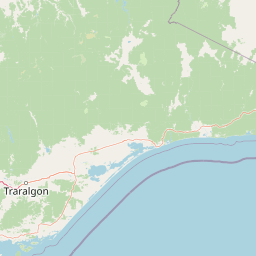
Park location guide

Geography guide, regional context, and park location map for Mitchell River National Park

Mitchell River National Park park geography, regions, and map view in Australia
Understand where Mitchell River National Park sits in Australia through a broader geographic reading of the surrounding landscape, nearby location context, and its mapped position within the national park landscape.

How Mitchell River National Park fits into Australia

Australia is a constitutional monarchy and federal parliamentary democracy comprising six states and ten territories. With a population of nearly 28 million, it is one of the world's most urbanised countries, with most people concentrated on the eastern seaboard. The country has a high Human Development Index and is known for its cultural diversity, ancient Aboriginal heritage, and unique wildlife.

Wider geography shaping Mitchell River National Park in Australia

Australia occupies the entire Australian continent, the island of Tasmania, and numerous smaller islands. It is the world's flattest and driest inhabited continent, featuring vast deserts in the interior (the Outback), tropical rainforests along the eastern coast, and a coastline bordering the Indian and Pacific Oceans.

Location context for Mitchell River National Park

Victoria
Park atlas

Compare protected areas across Victoria, tracing unique riverine landscapes, dramatic gorges, and significant conservation efforts.

Explore Related National Parks and Protected Areas Beyond Mitchell River National Park
Browse other national parks and protected areas geographically connected to Mitchell River National Park, featuring diverse riverine ecosystems and notable gorge landscapes. Compare the regional context and diverse conservation efforts safeguarding these adjacent landscapes, providing a deeper understanding of Victoria's unique natural heritage.
National parkWestern Australia

Windjana Gorge National Park: Ancient Devonian Reef Gorge Landscape Exploration

Explore mapped geography and fossil-rich sandstone formations.

Windjana Gorge National Park offers an unparalleled opportunity to explore a protected landscape defined by its ancient Devonian reef origins. Situated in Western Australia, this national park protects a dramatic gorge carved through fossil-rich sandstone, revealing a 375-million-year-old geological past. Examine the mapped park boundaries and the unique contours of this ancient reef system, providing crucial context for understanding the natural history and landscape evolution of the Kimberley region.

Area
20.5 km²
Established
1971
IUCN
II
Relief
Lowland
National parkWestern Australia

Tunnel Creek National Park: Ancient Devonian Reef Caves and Aboriginal Heritage

Discover Western Australia's ancient geological and cultural protected landscape.

Tunnel Creek National Park offers a unique glimpse into geological time and Aboriginal heritage, centered on an ancient underground river flowing through the Napier Range. This National Park features one of Western Australia's oldest cave systems, carved from fossilized Devonian reef limestone dating back 350 million years. Explore the remarkable 750-meter cave tunnel, marvel at its speleothems, and appreciate the significant rock art that tells stories of its cultural past. The park's protected status safeguards this extraordinary geological formation and its historical narratives for continued exploration.

Area
0.91 km²
Established
1992
IUCN
II
National parkNorthern Territory

Charles Darwin National Park: Discover its Mapped Landscape, WWII Bunkers, and Larrakia Heritage

Northern Territory protected area with significant historical and geographic context.

Charles Darwin National Park represents a distinct protected landscape in Australia's Northern Territory, offering a rich tapestry of natural beauty and historical significance. This national park is renowned for its well-preserved World War II concrete bunker complex, serving as a direct link to Australia's wartime past. Beyond its military history, the park encompasses tropical savanna woodlands and coastal terrains that provide panoramic views of Darwin Harbour. Its indigenous heritage, including ancient shell middens, highlights thousands of years of Larrakia land use, making it a layered geographic and cultural discovery point.

Area
13.03 km²
Established
1998
IUCN
II
National parkLautém District

Nino Konis Santana National Park: Protected Landscape and Biodiversity Atlas

Explore the unique geography and marine ecosystems of Timor-Leste's first national park.

Nino Konis Santana National Park is a critical protected area at the eastern tip of Timor-Leste, spanning terrestrial forests, wetlands, and a significant marine zone within the Coral Triangle. This national park provides a unique atlas-driven view of rich biodiversity, including endemic bird species and vibrant coral reefs. Its landscape is deeply intertwined with ancient cultural sites and traditional settlements, offering a comprehensive understanding of its ecological and historical geographic context. Discover the mapped boundaries and protected area features that define this important conservation landscape.

Area
1,236 km²
Established
2007
IUCN
II
Relief
Lowland
National parkEast Nusa Tenggara

Kelimutu National Park: Volcanic Terrain and Colored Crater Lakes in East Nusa Tenggara

Explore the mapped geography of this unique Indonesian national park.

Kelimutu National Park represents a remarkable protected landscape in East Nusa Tenggara, Indonesia, distinguished by its volcanic origins and the famed three colored lakes of Mount Kelimutu. This national park protects diverse montane forests and offers a unique insight into the region's geological wonders. Its geography features volcanic slopes and the iconic caldera, making it a significant point of interest for atlas-driven exploration of protected natural areas.

Area
50 km²
Established
1992
IUCN
II
National parkNorthern Territory

Garig Gunak Barlu National Park: Northern Territory's Remote Protected Coastal Wilderness & Map Atlas

Explore its unique marine protected area and mapped landscape context.

Garig Gunak Barlu National Park is a significant protected coastal wilderness, covering the entire Cobourg Peninsula in Australia's Northern Territory. This national park designation protects extensive terrestrial landscapes alongside vital adjacent marine waters. The park is renowned for its comprehensive safeguarding of marine turtle habitats and its designation as a Ramsar Wetland, emphasizing its ecological importance. Understanding Garig Gunak Barlu National Park involves exploring its mapped protected boundaries and its role as a crucial element of Northern Territory's protected landscapes, offering a unique atlas-style view of coastal conservation.

Area
2,260.06 km²
Established
2000
IUCN
II
National parkEast Nusa Tenggara

Manupeu Tanah Daru National Park: National Park Protected Landscape and East Nusa Tenggara Geography

Discover its mapped boundaries and regional atlas context.

Delve into the protected landscape of Manupeu Tanah Daru National Park, a significant national park situated within East Nusa Tenggara. This dedicated page provides detailed geographic context, focusing on the park's mapped boundaries and its contribution to the regional natural landscape. Understand its identity as a protected area and explore its place within the broader atlas of global conservation lands, fostering a deeper appreciation for its distinct geographic characteristics.

Area
879.84 km²
Established
1998
IUCN
II
Relief
Lowland
National parkWestern Australia

Karlamilyi National Park: A Premier Protected Desert Landscape in Western Australia

Explore mapped terrain, river systems, and dune fields across this vast national park.

Karlamilyi National Park is the largest national park in Western Australia, covering a significant portion of the Pilbara's desert wilderness. This protected area showcases an entire sequence of desert landforms, including vast sand dune fields, rugged tablelands, and the complete Rudall River catchment system. As a place of profound cultural importance and a prime example of intact desert landscape processes, Karlamilyi National Park offers unique insights into Australia's natural and geographic heritage within a mapped context.

Area
12,837.1 km²
Established
1977
IUCN
II

Common questions about visiting, size, designation, and location context for Mitchell River National Park

Mitchell River National Park FAQs for park facts, access, geography, and protected area context
Find quick answers about Mitchell River National Park, including protected-area facts, park geography, trail and visitor context, and how the park fits into its surrounding country and regional landscape.
MoriAtlas Explorer

Continue Your Protected Areas Search Across the Global Atlas

Deepen your exploration by continuing the structured search for national parks and protected areas worldwide. Utilize the comprehensive filtering capabilities to compare different conservation landscapes and refine your understanding of global park geography. Discover more about the distribution and characteristics of protected natural areas.

Global natural geography