Why Bacalar Chico National Park and Marine Reserve stands out
Bacalar Chico is best known for its remarkable ecological diversity across both terrestrial and marine environments. The park contains Rocky Point, the sole location in Belize where the barrier reef directly meets the shoreline, creating unique intertidal conditions. It hosts one of the largest sea turtle nesting beaches in Belize for loggerhead, green, and hawksbill turtles. The northern Ambergris Caye barrier island supports a rare littoral forest that has largely disappeared elsewhere in Belize due to coastal development. The park is also notable for supporting all five native Belizean cat species, including jaguar and puma, within a relatively confined island ecosystem.
Bacalar Chico National Park and Marine Reserve history and protected-area timeline
The establishment of Bacalar Chico National Park and Marine Reserve emerged from a 1990s development proposal that prompted comprehensive environmental review. When the Broadhead Group sought to construct a retirement community in northern Ambergris Caye, the Belize Center for Environmental Studies conducted an impact assessment that identified the Bacalar Chico region as possessing unusually high biodiversity for a barrier island setting. The 1995 Natural Resources Management Plan specifically recommended the extreme northern portion of Ambergris Caye for protection based on the merit of its salt marsh ecosystem. Simultaneously, fishing communities in San Pedro and Sarteneja expressed growing concern over accelerating depletion of marine resources. The success of Hol Chan Marine Reserve in generating revenue through entrance fees and supporting local guiding operations demonstrated the viability of conservation-based economic models and influenced community support for creating the Bacalar Chico reserve. Following management plan development by the San Pedro NGO Greenreef Environmental Institute, the area received official designation in 1996. The park functioned nominally for three years before the Coastal Zone Management Authority and Institute began providing operational funding in 1999. Financial responsibility transferred to the Government of Belize in 2004, with annual operational funding of approximately US$100,000 supporting four rangers.
Bacalar Chico National Park and Marine Reserve landscape and geographic character
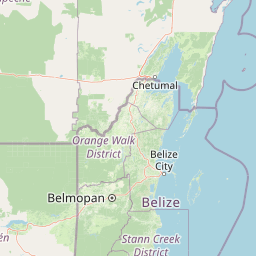
The physical landscape of Bacalar Chico encompasses a distinctive combination of barrier island terrain and marine environments. The terrestrial portion features a mosaic of wetland and forest habitats including freshwater swamps, seasonally flooded grasslands, medium semi-deciduous forest, and the rare littoral or beach forest that characterizes the island's windward margins. The park contains Laguna de Cantena, the largest lagoon on Ambergris Caye, which provides critical sheltered habitat for marine species. Rocky Point at the park's northern extremity represents a unique geological feature where fossilized Pleistocene reef lies exposed at the surface, creating the only location in Belize where the barrier reef directly contacts the shoreline. The marine landscape includes extensive mangrove shoreline, sea grass beds, patch reef formations, and the continuous barrier reef that defines the Caribbean coast. The contrast between the island's interior wetlands and the exposed reef-backed coastline creates a visually and ecologically diverse landscape.
Bacalar Chico National Park and Marine Reserve ecosystems, habitats, and plant life
The ecological character of Bacalar Chico derives from its concentration of multiple distinct habitat types within a protected area. The marine component lies within the Mesoamerican Barrier Reef System, which stretches from the Yucatán Peninsula through Belize to Honduras, representing the world's second longest barrier reef after Australia's Great Barrier Reef. The park's marine habitats include extensive mangrove systems that serve as critical nurseries for reef fish and crustaceans, sea grass beds supporting manatees and turtles, patch reef formations, and the continuous barrier reef. Terrestrially, the protected area contains freshwater wetlands, grasslands, and forest assemblages including a medium semi-deciduous forest and the increasingly rare littoral forest that once covered much of Belize's coastline but has diminished elsewhere due to development pressures. This habitat diversity supports the remarkable concentration of wildlife species documented within the reserve.
Bacalar Chico National Park and Marine Reserve wildlife and species highlights
Bacalar Chico supports exceptional wildlife diversity across both terrestrial and marine environments. The park records all five cat species native to Belize, including the jaguar and puma, remarkable given the relatively confined island setting. The endangered White-lipped Peccary maintains a forest population within the reserve. Marine environments host West Indian manatees and crocodiles within the mangrove and sea grass habitats. The waters surrounding Rocky Point contain the largest sea turtle nesting beach in Belize for loggerhead and green sea turtles, and rank among the largest for hawksbill turtles in the region. The reef systems support diverse Caribbean fish communities, invertebrates, and coral species despite ongoing recovery from historical disturbances. The combination of protected terrestrial forest, wetland corridors, and marine habitats creates conditions that support species ranging from large mammals to migratory marine turtles.
Bacalar Chico National Park and Marine Reserve conservation status and protection priorities
The conservation significance of Bacalar Chico extends beyond its borders as a component of Belize's World Heritage-designated marine protected area network. The reef ecosystems within the reserve face multiple stressors including disease impacts following the collapse of the long-spined sea urchin population in the 1980s and 1990s, coral diseases, hurricane damage, and climate-related bleaching. The catastrophic 1998 bleaching event, compounded by Hurricane Mitch, resulted in losses exceeding 50 percent of living corals at some reef locations within the reserve. Less than one percent of elkhorn, staghorn, and lettuce corals survived in certain areas, while boulder star coral experienced widespread disease incidence. The threat posed by climate change factored prominently in the UNESCO designation of Belize's marine protected areas. The reserve is classified as overfished relative to other Belize marine protected areas, adding pressure to already stressed ecosystems. Conservation management focuses on monitoring, research, community engagement, and partnership with international conservation organizations.
Bacalar Chico National Park and Marine Reserve cultural meaning and human context
The cultural context of Bacalar Chico reflects the broader relationship between Ambergris Caye communities and the marine environment that has defined the region historically. The park establishment drew support from fishing communities in San Pedro and Sarteneja who witnessed declining marine resources and sought management intervention. The success of neighboring Hol Chan Marine Reserve in generating employment through tourism and guiding operations demonstrated that conservation could provide sustainable economic alternatives to extractive fishing. The reserve maintains connections to traditional fishing communities while integrating modern conservation management approaches. Advisory committees include representation from local businesses, fishing cooperatives, and guiding operations, creating ongoing dialogue between conservation objectives and community livelihoods. The private lands within the national park portion reflect historical settlement patterns predating formal protection designation.
Top sights and standout views in Bacalar Chico National Park and Marine Reserve
Bacalar Chico National Park and Marine Reserve stands out for its unique position protecting the only location in Belize where the barrier reef meets the shoreline at Rocky Point. The reserve encompasses exceptional habitat diversity within a confined area, supporting all five of Belize's native cat species including jaguar and puma. The marine component protects critical sea turtle nesting beaches that rank among the most significant in Belize. The rare littoral forest remnants represent increasingly scarce coastal forest habitat. The dual terrestrial and marine protection creates a comprehensive conservation approach that addresses ecosystem connectivity between island forests and reef environments.
Best time to visit Bacalar Chico National Park and Marine Reserve
The optimal period for visiting Bacalar Chico aligns with Belize's dry season from late November through April, when lower rainfall reduces runoff and improves underwater visibility for reef exploration. This period also corresponds with the latter portion of the sea turtle nesting season, though peak nesting occurs earlier in the year. The wet season from May through November brings higher temperatures and increased rainfall that can affect marine conditions but may offer fewer visitors. Water temperatures remain warm year-round for diving and snorkeling. Hurricane season runs from June through November, with most storm activity occurring in September and October.