Why Arrecifes de Cozumel National Park stands out
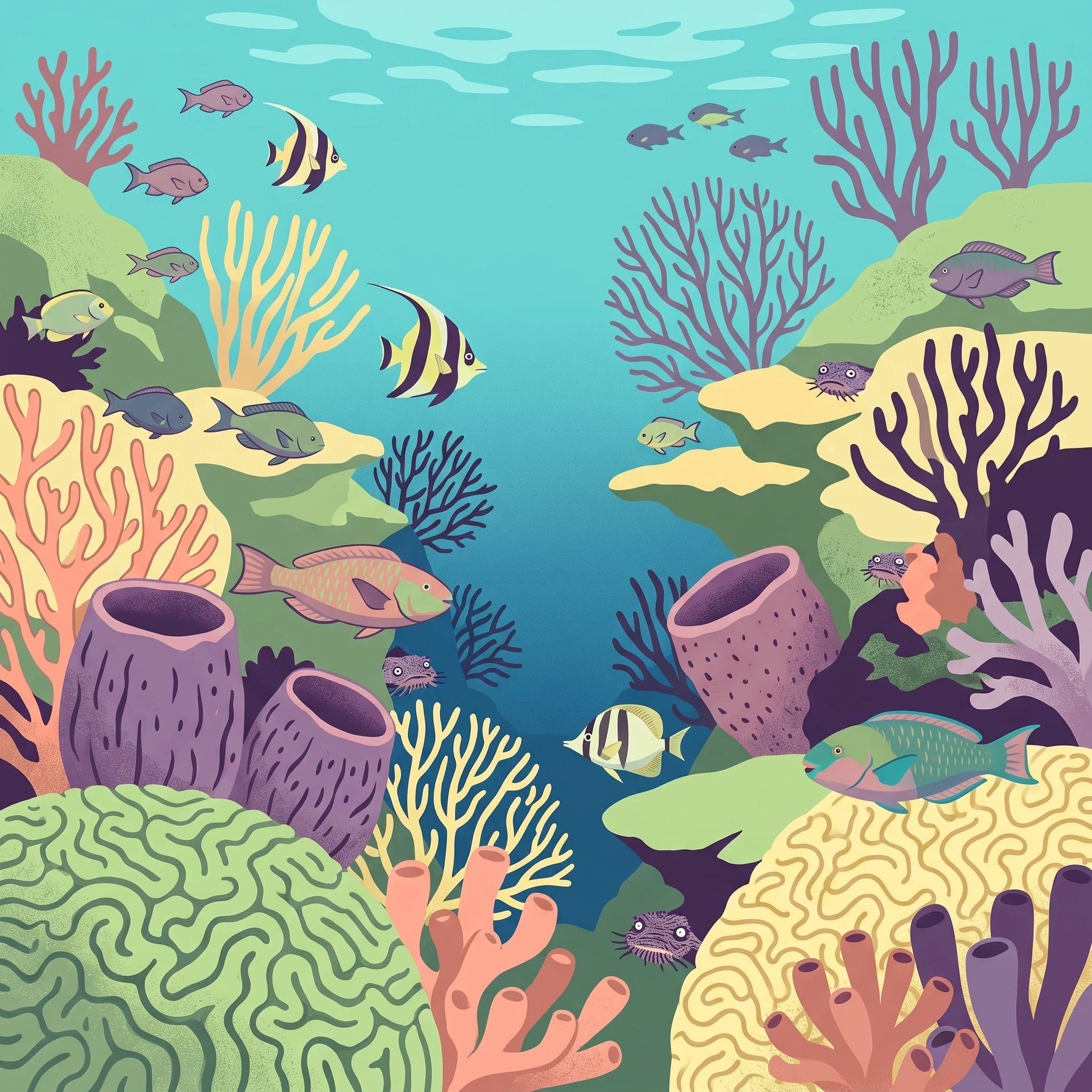
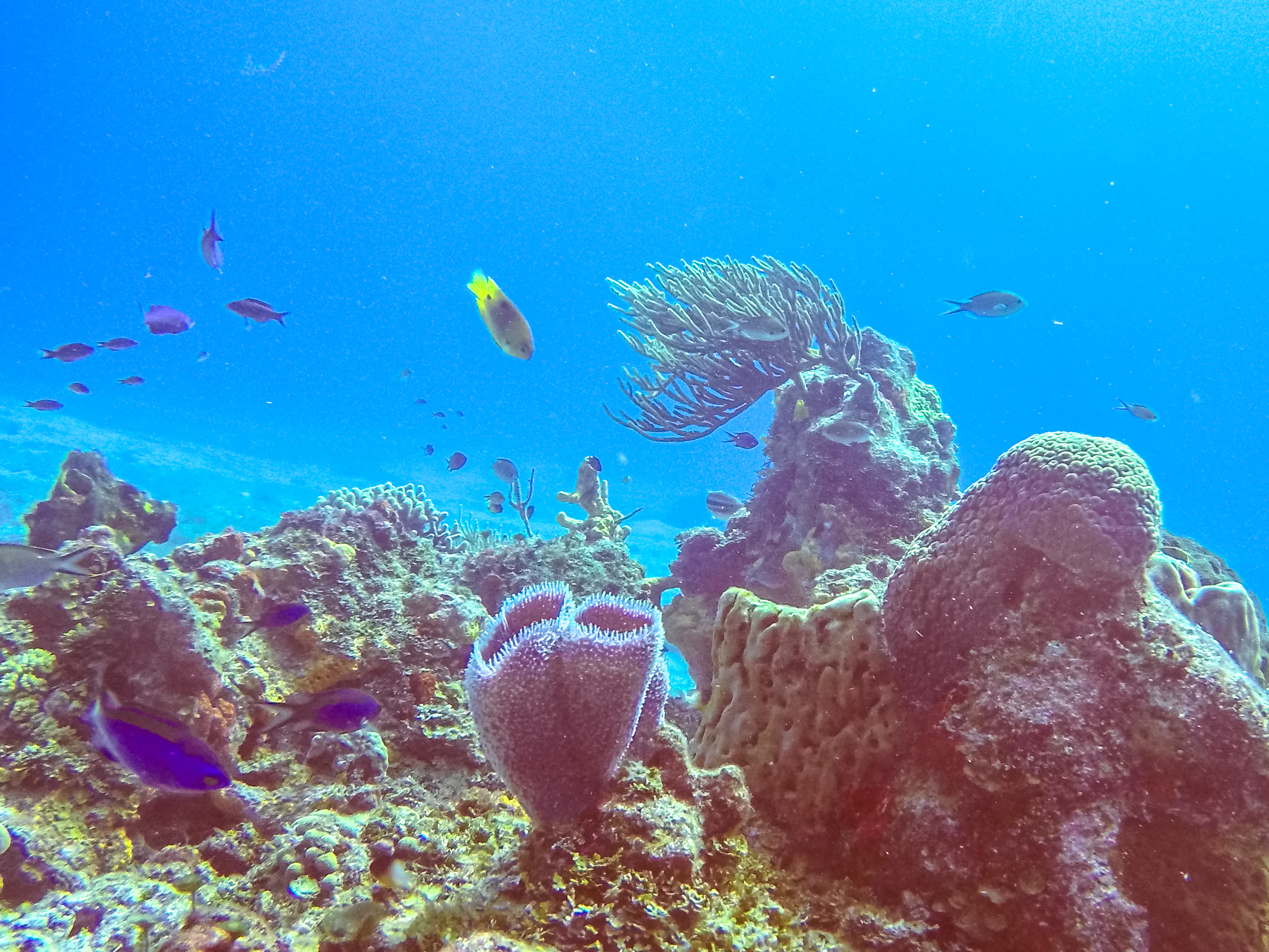
Arrecifes de Cozumel is internationally renowned as one of the world's premier scuba diving destinations. The park's spectacular coral formations, diverse marine life, and excellent visibility attract divers from around the globe. The reef system supports a remarkable concentration of biodiversity, with more than 1,000 marine species inhabiting the coral communities. The park is particularly famous for protecting the endemic Cozumel splendid toadfish (Sanopus splendidus), a vulnerable species found only in the waters surrounding this island. The presence of endangered sea turtles, including loggerhead, hawksbill, and green turtles, adds to the ecological significance. The dramatic underwater topography, featuring underwater cliffs, deep reef walls, and discontinuous reef formations extending over nine kilometers, creates exceptional diving experiences.
Arrecifes de Cozumel National Park history and protected-area timeline
The formal protection of Cozumel's coral reefs began with a federal decree on June 11, 1980, which established a zone of refuge for the protection of marine flora and fauna along the western coast of the island. This initial protection measure encompassed the area between the high-tide line and the 50-meter isobath, running from the fiscal wharf to the southern point known as Punta Celarain. On July 19, 1996, under the administration of President Ernesto Zedillo Ponce de León, the area was elevated to national park status through an official decree published in the federal register, expanding the protected area to 11,987.87 hectares. This designation reflected the growing recognition of the reef's ecological importance and the need for coordinated conservation management. The park's significance was further acknowledged when it received Ramsar Convention designation on February 2, 2005, recognizing its importance as a wetland ecosystem. The park exists within the broader context of regional conservation efforts, including the Mesoamerican Barrier Reef System initiative signed in Tulum in 1997 by the presidents of Mexico, Guatemala, Honduras and the prime minister of Belize. Popular history often attributes the discovery of Cozumel's dive sites to Jacques Cousteau in 1960, but research has shown this to be a myth; the reef was actually documented by Mexican filmmaker René Cardona, and tourism development was sparked by an article in the American Automobile Association magazine.
Arrecifes de Cozumel National Park landscape and geographic character
The underwater landscape of Arrecifes de Cozumel is defined by the island's dramatic submarine topography. The western margin of Cozumel features a narrow insular platform that drops sharply between 20 and 30 meters depth, giving way to an almost vertical insular slope that descends to depths exceeding 400 meters. This terrace-like feature likely represents a Pleistocene erosion platform exposed alternately to submarine and subaerial conditions during marine transgressions. Along the southern and leeward edge of this submarine terrace, discontinuous reef formations create a kind of underwater parapet extending over nine kilometers. These deep reef structures consist of numerous relatively isolated formations of varying dimensions. The central and northern portions of the platform feature more continuous coral communities colonizing the calcium carbonate substrate. Above the water, Cozumel Island displays classic karst topography with sinkholes and cenotes formed by the collapse of cave roofs. The island lacks surface rivers because rainfall infiltrates directly through fractures in the limestone to the water table. Within the park boundaries, several coastal lagoons exist, including Laguna Colombia, El Chiquero, Chunchaka'ab, and Istacún at Punta Sur, and Laguna de Chankana'ab in the municipal park of the same name. These lagoons receive subterranean inputs of fresh and brackish water mixed with marine waters.
Arrecifes de Cozumel National Park ecosystems, habitats, and plant life
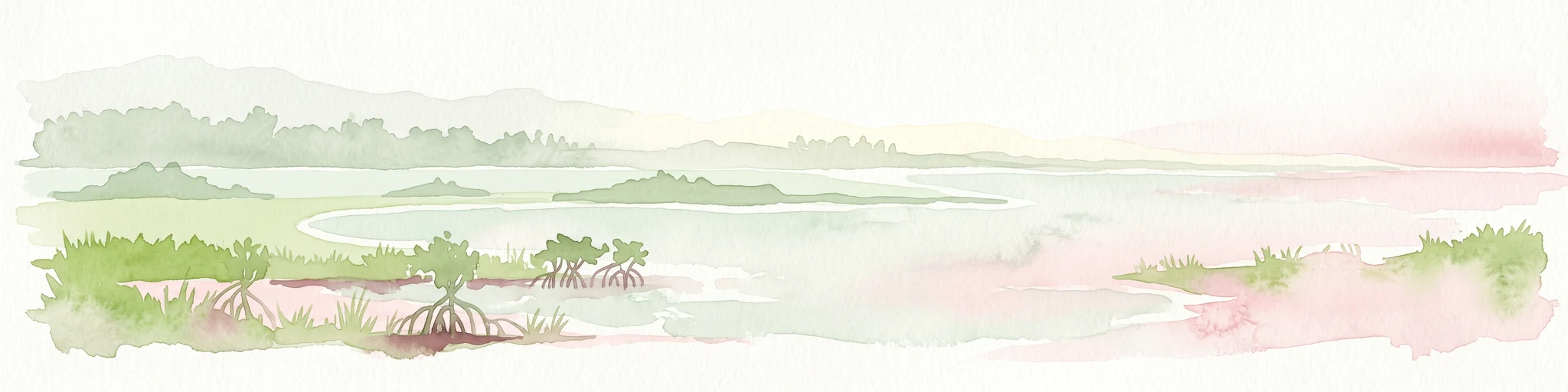
The marine ecosystem of Arrecifes de Cozumel represents one of the most biologically diverse and complex marine environments in the world's tropical seas. The coral reef community consists of both hard corals and soft corals (octocorals), forming intricate three-dimensional structures that support thousands of species. Beyond the coral formations themselves, the reef ecosystem includes zoanthids, polychaetes, actinarians, hydroids, sponges, crustaceans, mollusks, echinoderms, and numerous varieties of Caribbean fish. The reef communities extend from shallow waters ideal for snorkeling to mesophotic zones at 100 meters depth, creating multiple distinct habitat layers. Above the reefs, the island supports terrestrial vegetation including medium semi-deciduous forest, low deciduous forest, coastal scrub, and mangrove communities. The mangrove zones display distinct zonation patterns based on oxygenation, inundation, and salinity levels, with red mangrove dominating deeper, better-oxygenated lagoon edges, black mangrove on muddier, higher-salinity flats, and white mangrove further inland. The underwater environment is influenced by ocean currents, with the dominant north-equatorial and Guyana currents entering the Caribbean through the Lesser Antilles and becoming the Caribbean Current, while the channel between Cozumel and the mainland experiences a persistent south-to-north current averaging 1.5 knots.
Arrecifes de Cozumel National Park wildlife and species highlights
Arrecifes de Cozumel supports extraordinary marine biodiversity with more than 1,000 recorded species. The park provides critical habitat for several endangered marine species, most notably the loggerhead sea turtle (Caretta caretta) and hawksbill sea turtle (Eretmochelys imbricata), both of which nest on island beaches. The green turtle (Chelonia mydas) also inhabits these waters. The Cozumel splendid toadfish (Sanopus splendidus) is entirely endemic to the reefs surrounding this island and is listed as vulnerable by the IUCN, making it a flagship species for conservation. The reef fish community includes queen triggerfish, parrotfish including the queen parrotfish and rainbow parrotfish, butterflyfish, angelfish, damselfish, groupers, and morays such as the spotted moray and green moray. Larger species include nurse sharks, lemon sharks, tiger sharks, bull sharks, hammerhead sharks, and eagle rays. The invertebrate community features queen conch, various crab species, and the historically significant black coral, though populations of this deep-water coral declined significantly from the 1960s through the mid-1990s due to overharvesting and had not recovered by 2016. The terrestrial portion of the island supports 136 species including the Cozumel coati, Cozumel wrens, and the Cozumel thrush, though the park focuses primarily on marine protection.
Arrecifes de Cozumel National Park conservation status and protection priorities
Arrecifes de Cozumel holds significant conservation importance as part of the Mesoamerican Barrier Reef System, the second-largest reef complex globally. The park's Ramsar designation in 2005 acknowledges its wetland values, and it operates within the broader Isla Cozumel Biosphere Reserve framework established under UNESCO guidelines. The park's management objectives focus on protecting and conserving natural resources while restoring critical areas, establishing inter-institutional coordination for protection and surveillance, building consensus with stakeholder sectors, and balancing sustainable use with conservation. International conservation frameworks supporting the park include the Convention on Biological Diversity, the Tuxtla agreements for cooperation between Mexico and Central America, the Mesoamerican Biological Corridor project, and the Cartagena Convention for the protection and development of the marine environment in the Wider Caribbean. The park faces ongoing challenges from tourism pressure, with concerns about cruise ship terminal development prompting environmental review under the North American Agreement on Environmental Cooperation. The protection of endangered species including sea turtles, the endemic toadfish, queen conch, and black coral remains a central conservation priority.
Arrecifes de Cozumel National Park cultural meaning and human context
Cozumel Island holds deep cultural significance in Maya history, traditionally associated with the goddess Ixchel, the moon and fertility deity who was believed to dwell on the island. The island served as a pilgrimage destination for Maya women seeking fertility blessings, and the waters surrounding the island were considered sacred. While the park itself is primarily a marine protected area, the cultural heritage of Cozumel informs the island's identity and relationship with its marine environment. The park's creation in 1996 reflected growing awareness of the economic value of reef ecosystems, which support the tourism industry that forms the foundation of the local economy. Diving and snorkeling operations, some of which use artificial reef formations including a sunken naval vessel, provide employment for local communities. The integration of conservation objectives with sustainable tourism use defines the park's approach to balancing environmental protection with economic development on an island where marine resources are central to both livelihood and cultural identity.
Top sights and standout views in Arrecifes de Cozumel National Park
Arrecifes de Cozumel offers world-class diving along dramatic reef walls and coral gardens teeming with marine life. The park's exceptional visibility, warm waters year-round, and proximity to deep reef formations make it accessible for divers of all skill levels. The endemic Cozumel splendid toadfish represents a unique biological treasure found nowhere else on Earth. The park's position within the Mesoamerican Barrier Reef System connects it to the largest reef complex in the western hemisphere. Multiple named dive sites including Palancar, Chankanaab, Paradise, and Colombia offer varied experiences from gentle garden dives to drift diving along current-swept walls. The presence of sea turtles, shark species, and dense fish communities creates memorable encounters for visitors. The park's Ramsar designation and biosphere reserve status reflect its international recognition as a conservation priority area.
Best time to visit Arrecifes de Cozumel National Park
Cozumel's warm Caribbean climate ensures comfortable water temperatures throughout the year, ranging from 25°C to 32°C, making diving and snorkeling viable in any season. The dry season from March to April offers the clearest visibility and calmest sea conditions, though this coincides with higher tourist numbers. The wet season from June through November brings increased rainfall and the possibility of hurricanes, with August and September representing peak hurricane risk, but this period often offers fewer crowds and lower prices. The water temperature cools slightly in winter months to around 25°C, and while visibility may be slightly reduced, the winter months remain popular for diving. Turtle nesting occurs during summer months, and night-time turtle nesting observation is possible with special permits. The current patterns remain consistent year-round, averaging 1 to 2 knots, making drift diving a consistent experience. Consider that the park's marine environment is influenced by the Caribbean current system, and conditions can vary based on broader oceanic patterns.