Why Jeannette Kawas National Park stands out
Jeannette Kawas National Park is best known for its exceptional coastal and wetland biodiversity along the Caribbean coast of Honduras. The park protects critical habitat for endangered West Indian manatees, multiple species of sea turtles including green, leatherback, hawksbill, and loggerhead turtles, and the impressive American crocodile. The avifauna is particularly notable, featuring the resplendent quetzal, one of the most sought-after bird species in Central America, alongside the keel-billed motmot and turquoise-browed motmot. The park's designation as a Ramsar site recognizes its international importance as a wetland ecosystem.
Jeannette Kawas National Park history and protected-area timeline
The park was established on November 4, 1994, under the name Punta Sal National Park, created and managed by the PROLANSATE foundation. The foundation's name is an acronym representing its mission: protection of Lancetilla, Punta Sal, and Texiguat. In the months following its establishment, the park underwent a significant transformation in identity when it was renamed Jeannette Kawas National Park in honor of Jeannette Kawas, who served as president of PROLANSATE. Kawas was murdered on February 6, 1995, for her environmental activism opposing palm plantation expansion within what was then the newly established park. Her sacrifice brought international attention to the conservation challenges facing Honduras' protected areas. The park was designated as a Ramsar Wetland of International Importance on March 28, 1995, recognizing its significance within the global network of critical wetland ecosystems.
Jeannette Kawas National Park landscape and geographic character
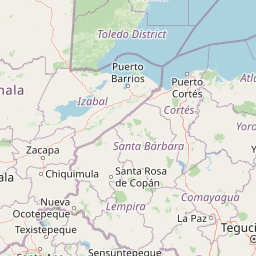
The park occupies a coastal position on Honduras' Caribbean side, characterized by a landscape of remarkable variety. The terrain includes sandy beaches along the Punta Sal peninsula, where the forest meets the Caribbean Sea in dramatic fashion. Inland, the landscape transitions through tropical forest zones and into inundated forests where seasonal flooding creates unique wetland environments. Mangrove forests dominate along the coast and around lagoon systems, their extensive root systems creating complex aquatic habitats. The park encompasses river systems that flow from higher elevations down to the coast, carving through the varied terrain. While the park reaches elevations of approximately 900 meters, its most distinctive landscapes are the coastal and wetland environments that give the area its ecological character and Ramsar significance.
Jeannette Kawas National Park ecosystems, habitats, and plant life
The ecological character of Jeannette Kawas National Park is defined by the extraordinary diversity of its habitats, which include marine, terrestrial, and wetland ecosystems existing in close proximity. The beaches and coastal zones provide interface environments where terrestrial and marine ecosystems interact. The tropical forests support tall canopy trees and the diverse species that depend on them, while inundated forests handle seasonal water level changes. Mangrove forests line the coast and surround lagoon areas, serving as nurseries for fish species and providing critical habitat for numerous organisms. The lagoon and river systems create extensive freshwater and brackish water environments that support different communities of aquatic species. This mosaic of interconnected ecosystems gives the park its exceptional biodiversity value, with each habitat type supporting its own community of species while also contributing to the overall ecological health of the protected area.
Jeannette Kawas National Park wildlife and species highlights
The wildlife within Jeannette Kawas National Park reflects the park's diverse habitats and its position within the Caribbean coast bioregion. Mammal species include the West Indian manatee, a gentle aquatic grazer found in coastal waters, the common dolphin, and primate species such as the white-headed capuchin and howler monkey that inhabit the forest canopies. The reptile population is particularly significant, featuring the American crocodile in waterways and several species of sea turtles that use the coastal areas: green sea turtle, leatherback sea turtle, hawksbill turtle, and loggerhead turtle all appear in the park's marine and nesting zones. The birdlife is extraordinary, with the resplendent quetzal representing one of Central America's most iconic species, while the keel-billed motmot and turquoise-browned motmot add to the park's avian appeal. Fish species including tarpon, various Centropomus species, and gafftopsail catfish support both aquatic food webs and fishing traditions in the region.
Jeannette Kawas National Park conservation status and protection priorities
Jeannette Kawas National Park holds significant conservation importance at both national and international levels. Its designation as a Ramsar Wetland of International Importance on March 28, 1995, places it within the global network of wetlands recognized for their ecological significance, particularly for waterfowl habitat and biodiversity preservation. The park protects critical coastal and wetland ecosystems that face development pressure throughout the Caribbean region. The murder of park namesake Jeannette Kawas highlighted the very real dangers facing environmental advocates working to protect vulnerable landscapes from commercial interests such as palm oil plantations. The park's protection of habitat for endangered species including sea turtles and West Indian manatees contributes to broader conservation goals for these species. Managed by the PROLANSATE foundation, the park represents a collaborative approach to protected area management that involves local communities and conservation organizations in maintaining the ecological integrity of this significant coastal landscape.
Jeannette Kawas National Park cultural meaning and human context
The park exists within a region with deep connections to Caribbean coastal communities in Honduras. The municipality of Tela and surrounding areas have historical relationships with the land and waters now protected within the park boundaries. The park's naming reflects the human dimension of conservation, as Jeannette Kawas was not a distant figure but a local activist who worked directly within this community and gave her life for the protection of these landscapes. The PROLANSATE foundation that manages the park represents community-based conservation efforts that recognize the importance of local involvement in protecting natural areas. The traditional fishing communities along the coast maintain connections to the marine environments within the park, and the park's protected status helps ensure that these traditional relationships with the land and sea can continue while ensuring the long-term health of the ecosystems.
Top sights and standout views in Jeannette Kawas National Park
Jeannette Kawas National Park stands as one of Honduras' largest and most ecologically significant protected areas, protecting a remarkable coastal landscape where Caribbean beaches meet tropical forests and extensive wetland systems. The park's designation as a Ramsar site recognizes its international importance as a wetland ecosystem. Its avifauna, featuring the resplendent quetzal alongside motmots and other tropical species, makes it a destination of interest for birdwatchers. The presence of sea turtles, American crocodiles, and West Indian manatees underscores the park's marine and coastal conservation value. Perhaps most significantly, the park's history gives it unique meaning as a protected area named for a martyr of environmental activism, serving as both a biodiversity sanctuary and a memorial to one woman's sacrifice for conservation.
Best time to visit Jeannette Kawas National Park
The park's Caribbean coastal location means that visitors experience a tropical climate year-round, with warm temperatures and high humidity typical of the region. The dry season generally runs from approximately December through April, offering more comfortable conditions for hiking and outdoor exploration. This period also corresponds with lower rainfall, making it easier to access trail systems such as the Sendero Los Curumos on the Punta Sal peninsula. The wet season from May through November brings higher precipitation but also brings the landscape to life with lush vegetation and filled water systems. Wildlife viewing opportunities exist throughout the year, though sea turtle nesting activities peak during certain months. Visitors interested in birdwatching will find the resplendent quetzal and other species present year-round in the forest habitats.