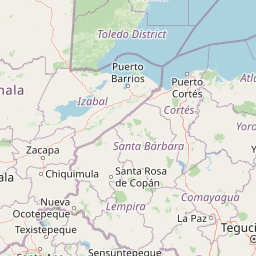
Why Pico Pijol National Park stands out
Pico Pijol National Park is best known for its well-preserved cloud forests and the dramatic mountain scenery of the Celaque mountain range. The park protects one of the highest peaks in Honduras and preserves a transition zone where tropical and subtropical forest ecosystems meet. Its significance lies in protecting watersheds that feed into the Ulúa River basin while providing habitat for numerous species adapted to montane forest conditions.
Pico Pijol National Park history and protected-area timeline
Pico Pijol National Park was established on January 1, 1987, as part of Honduras' expanding network of protected areas during a period when the country sought to preserve its remaining primary forests and mountainous ecosystems. The creation of the park reflected growing recognition of the ecological and watershed values provided by the Celaque mountain range, which serves as a critical source of freshwater for communities downstream. The park's establishment also aligned with broader Central American conservation efforts during the 1980s, a decade that saw increased protected area designation throughout the region. Since its creation, the park has been managed under IUCN Category II guidelines, reflecting its designation as a national park focused on ecosystem conservation and protection.
Pico Pijol National Park landscape and geographic character
The landscape of Pico Pijol National Park is characterized by steep, rugged terrain typical of high Central American mountain ranges. The park protects the slopes and summit areas of the Celaque massif, featuring deep valleys, narrow ridges, and dramatic elevation changes that define the visual character of the area. Stream courses have carved steep-sided valleys through the terrain, creating waterfalls and cascades where water descends from the higher elevations. The forest canopy dominates the visual landscape below the summit, with emergent trees breaking the uniform canopy height. Rock outcrops and exposed ridges provide vantage points from which visitors can observe the extensive forest cover extending toward the surrounding lowlands.
Pico Pijol National Park ecosystems, habitats, and plant life
The ecological character of Pico Pijol National Park is defined by its cloud forest and pine-oak forest ecosystems, which represent some of the most biodiverse habitats in Honduras. The montane cloud forest at middle elevations receives frequent mist and precipitation, supporting a dense understory, abundant epiphytes, and high levels of biodiversity. Tree species include various oak (Quercus) species, sweetgum (Liquidambar), and members of the Lauraceae family. The forest structure features multiple canopy layers, with large spreading trees, understory palms, and a diverse shrub layer. The park's elevation range creates ecological zonation, with distinct plant communities occurring at different altitudes, from broadleaf forests at lower elevations to more open pine-oak associations and eventually stunted elfin forest near the highest points.
Pico Pijol National Park wildlife and species highlights
The wildlife community of Pico Pijol National Park reflects the diverse habitats preserved within its boundaries. The cloud forests host numerous bird species, including various warblers, tanagers, and toucans that characterize Central American montane avifauna. Mammals present in the park include species such as pumas, jaguars, and various smaller carnivores, as well as numerous bat species that roost in the forest canopy. The diverse insect community includes many species of butterflies and beetles that are integral to the park's ecological functioning. Reptiles and amphibians occupy the streams and forest floor, with various salamanders and frogs adapted to the moist conditions. The park's elevation gradient and forest diversity create conditions suitable for numerous species, though detailed species inventories for the park remain limited in available sources.
Pico Pijol National Park conservation status and protection priorities
Pico Pijol National Park represents an important conservation priority within Honduras, protecting a significant area of relatively intact mountain forest in a country where deforestation pressures have reduced forest cover substantially. The park's cloud forests serve critical watershed functions, regulating water flow and protecting soil integrity on steep mountain slopes. The protected area preserves habitat for species that require contiguous forest cover across elevation gradients, enabling movement and genetic exchange between populations. The IUCN Category II designation reflects the park's primary conservation objective of protecting ecosystems and natural processes. Conservation challenges in the region include pressure from agricultural expansion, logging, and human settlement, making protected areas like Pico Pijol essential for maintaining biodiversity and forest cover.
Pico Pijol National Park cultural meaning and human context
The region surrounding Pico Pijol National Park is inhabited by communities whose livelihoods are closely tied to the natural resources of the mountainous terrain. Traditional land use practices in the Celaque region have included small-scale agriculture, coffee cultivation, and livestock husbandry in lower elevations. The park's establishment created boundaries that affect how local communities access and use natural resources, particularly forest products and water. Indigenous Lenca communities inhabit portions of western Honduras, and the cultural landscape of the region reflects centuries of interaction between human populations and the mountainous environment.
Top sights and standout views in Pico Pijol National Park
Pico Pijol National Park protects one of Honduras' most significant mountain forest ecosystems, preserving cloud forest, pine-oak forest, and montane habitats across an elevation gradient of nearly 500 meters. The park's position in the Celaque range places it among the highest and most ecologically diverse protected areas in the country. Visitors to the park experience dramatic mountain scenery, diverse forest ecosystems, and the opportunity to observe wildlife in relatively pristine conditions. The watershed values provided by the park's forests serve downstream communities throughout the Ulúa River basin.
Best time to visit Pico Pijol National Park
The optimal period for visiting Pico Pijol National Park generally falls during the dry season from November through April, when precipitation is reduced and trail conditions are more favorable for hiking and exploration. The mountain climate can change rapidly, with morning fog and clouds common in the cloud forest zones regardless of season. Visitors should prepare for cool, damp conditions at higher elevations and expect frequent changes in weather throughout the day. The wet season from May through October brings heavier rainfall and more challenging trail conditions, though the forest is at its lushest during this period.