

Mori Atlas logo
National parkMontaña de Comayagua National Park

Navigate the mapped boundaries and regional terrain of this national park in Central America.

Montaña de Comayagua National Park: Protected Landscape and Geographic Context in Honduras

Montaña de Comayagua National Park represents a significant protected area within the diverse geography of Honduras. As a national park, it offers a focused lens for understanding mapped natural landscapes and the country's broader conservation geography. This page serves as an entry point to explore the park's protected status, its geographic placement, and its contribution to the regional atlas of natural areas.

Cloud forestsMountain landscapesWaterfallsHonduran protected areasTropical forestsNational parks

Montaña de Comayagua National Park

National park

Park overview

Structured park overview, official facts, and landscape profile for Montaña de Comayagua National Park

Montaña de Comayagua National Park park facts, protected area profile, and essential visitor context
Review the core facts for Montaña de Comayagua National Park, including designation, size, terrain, visitor scale, habitats, and operating context in one park-focused overview.

About Montaña de Comayagua National Park

Montaña de Comayagua National Park protects a significant portion of Honduras' central mountain landscape, preserving both ecological diversity and scenic beauty within a relatively accessible location. The park's establishment in 1987 reflected Honduras' growing commitment to conserving its natural heritage during a period when protected area management was expanding throughout Central America. The park encompasses a range of elevations that support different ecological communities, from lower slope forests to cloud-forming elevations where moisture-laden clouds settle on the vegetation.

The park is named for the mountainous region in which it sits, with Comayagua referring to both the nearby historic department capital and the broader geographic region. The local acronym PANACOMA has become a common way for residents and visitors to refer to the protected area. Access to the park requires navigating a winding mountain road that leaves the highway north of Comayagua, with the journey taking visitors through changing landscapes as they ascend toward the park's higher elevations. The road, while challenging, rewards travelers with views of increasingly lush vegetation and the sound of rushing water as they approach the park boundaries.

Quick facts and research context for Montaña de Comayagua National Park

Montaña de Comayagua National Park spans roughly 185 square kilometers in central Honduras, established in 1987 as an IUCN Category II protected area. The park is located in the Comayagua department, accessible via a mountainous road from the historic town of Comayagua. The area is characterized by cloud forest ecosystems, steep valleys, and numerous waterfalls. The park receives a small number of visitors compared to other Honduran protected areas, making it a relatively off-the-beaten-path destination for outdoor exploration. The village of Río Negro serves as the primary access point and houses the park information center.

Park context

Deeper park guide and search-rich context for Montaña de Comayagua National Park

Montaña de Comayagua National Park history, landscape, wildlife, and travel context
Explore Montaña de Comayagua National Park through its history, landscape character, ecosystems, wildlife, conservation priorities, cultural context, and seasonal travel timing in a structured park guide built for atlas discovery and search intent.

Why Montaña de Comayagua National Park stands out

Montaña de Comayagua is best known for its spectacular waterfall systems, particularly the 50-meter Cascada de los Ensueños on the Río Gavilán, which is reached via a well-maintained hiking trail from the Río Negro trailhead. The park is also recognized for its cloud forest environment, where persistent moisture supports lush vegetation and a distinctive montane ecosystem. The combination of accessible waterfalls, mountain trails, and relatively pristine forest makes this park a noteworthy destination for hikers visiting Honduras.

Montaña de Comayagua National Park history and protected-area timeline

Montaña de Comayagua National Park was established on January 1, 1987, as part of Honduras' national system of protected areas. The park's creation reflected the country's recognition of the ecological importance of its central mountain forests and the need to preserve these landscapes for future generations. During the 1980s, Honduras was expanding its network of protected areas, with several national parks and biological reserves being designated to safeguard key ecosystems.

The park was created with the intention of protecting the watershed, forest resources, and biodiversity of the Montaña de Comayagua region. Local communities, particularly those in the Río Negro area, have been involved in the park's management and have played a role in providing visitor services including guided hiking tours. The park's information center, located in the village of Río Negro, serves as the primary point of contact for visitors entering the protected area.

Montaña de Comayagua National Park landscape and geographic character

The landscape of Montaña de Comayagua National Park is defined by its steep mountain terrain, deep river valleys, and cascading waterfalls that descend from the ridgelines. The terrain rises sharply from the lower foothills to higher elevations, creating dramatic changes in scenery as visitors ascend the mountain roads. The park's numerous waterfalls are fed by the consistent moisture that the region receives, with water descending through the forest in dramatic drops that have become the park's most recognizable features.

The most prominent waterfall, Cascada de los Ensueños on the Río Gavilán, drops approximately 50 meters and is accessible via a well-constructed trail that takes roughly one hour to walk from the trailhead near Río Negro. The river valleys cut through the mountainous terrain, creating ravines and gorge-like features where water has carved pathways through the rock. The combination of steep slopes, forest cover, and flowing water creates a landscape that is both visually striking and ecologically significant.

Montaña de Comayagua National Park ecosystems, habitats, and plant life

The nature of Montaña de Comayagua is characterized by cloud forest ecosystems that develop in the moisture-rich conditions of the central Honduran mountains. The persistent cloud cover and high humidity support dense vegetation including broadleaf evergreen trees, epiphytes, and a variety of plant species adapted to the montane environment. The forest canopy supports a diversity of bird life and other organisms that depend on these intact ecosystems.

The park's water systems, including the Río Gavilán and numerous smaller streams, serve as important ecological corridors through the mountainous terrain. These waterways support aquatic life and provide moisture that sustains the surrounding forest even during drier periods. The combination of forest and water systems makes the park an important area for maintaining ecological processes in the broader Comayagua region.

Montaña de Comayagua National Park wildlife and species highlights

While detailed species inventories are not extensively documented in available sources, the cloud forest environment of Montaña de Comayagua supports a variety of wildlife typical of Honduras' montane ecosystems. The forest provides habitat for numerous bird species, including many that are restricted to cloud forest environments in Central America. The park's streams and waterfalls support aquatic organisms, and the overall habitat complexity created by the steep terrain and varied vegetation provides conditions suitable for diverse wildlife communities.

Montaña de Comayagua National Park conservation status and protection priorities

Montaña de Comayagua National Park plays an important role in Honduras' protected area network, preserving a sample of the country's central mountain forest ecosystems. As an IUCN Category II protected area, the park is managed primarily for ecosystem conservation while also allowing for compatible recreational use. The protection of this mountain landscape helps maintain watershed function, protects biodiversity, and preserves scenic values that contribute to the region's natural heritage.

The park's designation in 1987 placed it within Honduras' system of national parks that aim to protect representative samples of the country's diverse ecosystems. The cloud forests of central Honduras face pressures from logging, agricultural expansion, and other land uses, making protected areas like Montaña de Comayagua important for long-term conservation of these environments.

Montaña de Comayagua National Park cultural meaning and human context

The Montaña de Comayagua region has a cultural landscape shaped by the presence of local communities that have lived in the mountainous areas surrounding the park. The village of Río Negro serves as the primary community gateway to the protected area, with local residents providing visitor services including hiking guides. The park's establishment in 1987 required balancing conservation objectives with the traditional land uses and livelihoods of local communities who had inhabited the region.

Comayagua itself is a historic city in Honduras, once serving as the capital of the country and containing colonial-era architecture and heritage. The park's proximity to this historic center creates a cultural connection between the protected mountain landscape and the broader regional history of the Comayagua department.

Top sights and standout views in Montaña de Comayagua National Park

The Cascada de los Ensueños waterfall, dropping 50 meters on the Río Gavilán, stands as the highlight of Montaña de Comayagua National Park, reachable via a well-maintained hiking trail from the Río Negro trailhead in approximately one hour. The cloud forest environment, with its lush vegetation and atmospheric conditions, provides a distinctive hiking experience different from the more arid landscapes found in other parts of Honduras. The relatively low visitor numbers compared to more famous Honduran parks offer a more solitary wilderness experience. The park information center at Río Negro provides guidance and the opportunity to hire local hiking guides familiar with the trails and terrain.

Best time to visit Montaña de Comayagua National Park

The best time to visit Montaña de Comayagua National Park aligns with the drier season typically running from November through April, when precipitation is reduced and trail conditions are more favorable for hiking. The park's mountain setting means that conditions can be wetter year-round compared to lower elevation areas, and visitors should be prepared for the possibility of rain regardless of season. The cloud forest environment maintains its atmospheric character throughout the year, with the frequent mist and cloud cover being part of the park's distinctive appeal. Visitors planning to hike to the waterfalls should consider that trail conditions can become more challenging during and immediately after periods of heavy rain.
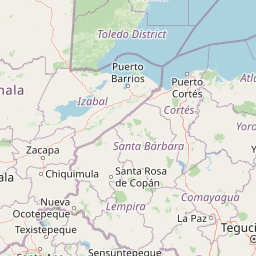
Park location guide

Geography guide, regional context, and park location map for Montaña de Comayagua National Park

Montaña de Comayagua National Park park geography, regions, and map view in Honduras
Understand where Montaña de Comayagua National Park sits in Honduras through a broader geographic reading of the surrounding landscape, nearby location context, and its mapped position within the national park landscape.

How Montaña de Comayagua National Park fits into Honduras

Honduras, officially the Republic of Honduras, is a Central American nation with a predominantly Mestizo population. It gained independence in 1821 and operates as a unitary presidential republic. The country faces significant economic challenges, with over 70% of its population living in poverty, though it possesses valuable natural resources including minerals, coffee, and tropical fruits.

Wider geography shaping Montaña de Comayagua National Park in Honduras

Honduras is located in Central America, bordering Guatemala to the west, El Salvador to the southwest, Nicaragua to the southeast, the Pacific Ocean to the south at the Gulf of Fonseca, and the Caribbean Sea to the north at the Gulf of Honduras. The terrain includes mountainous regions and coastal lowlands.

Map view of Montaña de Comayagua National Park

Use this park location map to pinpoint Montaña de Comayagua National Park in Honduras, understand its exact geographic position, and read its mapped placement within the surrounding landscape more clearly.

Pigeon | © OpenStreetMap contributors
Park atlas

Compare protected areas, from cloud forests to waterfall systems, across the Honduran mountain geography.

Explore Nearby National Parks and Protected Areas Beyond Montaña de Comayagua National Park
After exploring Montaña de Comayagua National Park, browse other national parks and protected areas across the surrounding mountain terrain of central Honduras. Compare their unique cloud forest environments, impressive waterfall systems, and the overall regional geography for a deeper understanding of Central American conservation landscapes.
National parkHonduras

Cerro Azul Meámbar National Park: Protected Area and Mapped Landscape Context

Explore its geography and national park boundaries in Honduras.

Cerro Azul Meámbar National Park offers a unique perspective on Honduras's protected lands and national park geography. This entry provides an atlas-style overview of its mapped boundaries and its regional landscape context, crucial for understanding the distribution of conservation areas within Central America. Gain insight into its protected area status and geographic identity for focused landscape discovery.

Area
300 km²
Established
1987
IUCN
II
Relief
Mountain
National parkHonduras

Montaña de Yoro National Park: Honduran National Park Atlas and Protected Landscape Exploration

Understanding its mapped boundaries and regional geography.

This card details Montaña de Yoro National Park, a designated national park in Honduras, offering a focused look at its protected landscape. It provides essential geographic context, helping users to understand the park's mapped boundaries and its significance within the broader atlas of Honduran protected areas. Explore the specific terrain and regional setting that define Montaña de Yoro National Park.

Area
154.8 km²
Established
1987
IUCN
II
Relief
Mountain
National parkHonduras

Pico Pijol National Park: National Park within the Honduran Geographic Atlas

Explore its mapped boundaries and protected landscape context.

Pico Pijol National Park stands as a protected area within Honduras, offering critical insight into the nation's natural landscapes. This detail page provides essential context for understanding its geographic positioning and mapped boundaries, serving as a foundational element for broader atlas-based exploration of protected regions in Central America. Discover the park's unique identity as a national park and its contribution to regional geographic understanding.

Area
122.1 km²
Established
1987
IUCN
II
Relief
Mountain
National parkHonduras

Montaña Santa Bárbara National Park: National Park Geography and Protected Landscape

Mapped boundaries and regional landscape context in Honduras.

Delve into the protected landscape identity of Montaña Santa Bárbara National Park, a significant national park situated in Honduras. This entry provides atlas-focused details on its geographic footprint, mapped terrain, and its role within the nation's protected areas. Understand the park's environmental setting and its importance in the context of Honduran geography for structured exploration.

Area
121.3 km²
Established
1987
IUCN
II
Relief
Mountain
National parkLa Unión

La Muralla National Park: Honduras National Park Geography and Mapped Boundaries

Explore the protected landscape and regional context.

La Muralla National Park represents a significant protected landscape within Honduras, offering valuable geographic data for atlas exploration. As a national park, its mapped boundaries and regional setting are key to understanding its conservation significance. This entry provides structured insight into the park's physical characteristics and its place within the broader Honduran geography, ideal for detailed landscape analysis.

Area
210.35 km²
Established
1993
IUCN
II
Scope
Terrestrial
National parkLempira Department

Celaque National Park: Mapped Protected Landscape within Lempira Department

National Park Protected Area & Geographic Context

Celaque National Park represents a key protected landscape situated in the Lempira Department of Honduras. This entry offers detailed atlas information, focusing on the park's identity as a national park and its mapped geographic extent. Users can explore the protected boundaries and understand its place within the regional terrain, providing essential context for geographic discovery.

Area
266.31 km²
Established
1987
IUCN
II
Relief
Mountain
National parkHonduras

Cusuco National Park: Protected Landscape and Geographic Atlas in Honduras

Explore mapped boundaries and regional natural terrain.

Cusuco National Park represents a crucial protected area within Honduras, offering rich detail for geographic exploration. This entry focuses on its identity as a national park, detailing its mapped boundaries and its contribution to the broader landscape context of Central America. Users can discover the specific protected lands and natural terrain that characterize this significant conservation site, building a foundational understanding for atlas-based study.

Area
234.4 km²
Established
1959
IUCN
II
Relief
Mountain
National parkAtlántida Department

Punta Izopo National Park: Honduran National Park with Defined Protected Boundaries

Explore the geographic setting of this protected landscape.

Punta Izopo National Park is a protected natural area situated within the Atlántida Department of Honduras. As a national park, it represents a significant entity for exploring Honduran geography and mapped conservation lands. This park detail page provides context on its protected boundaries and its role within the regional landscape atlas.

Area
112 km²
Established
1992
IUCN
II
Relief
Lowland

Common questions about visiting, size, designation, and location context for Montaña de Comayagua National Park

Montaña de Comayagua National Park FAQs for park facts, access, geography, and protected area context
Find quick answers about Montaña de Comayagua National Park, including protected-area facts, park geography, trail and visitor context, and how the park fits into its surrounding country and regional landscape.
MoriAtlas Explorer

Continue Your Protected Areas Search Across the Global Atlas

Deepen your exploration by continuing the structured search for national parks and protected areas worldwide. Utilize the comprehensive filtering capabilities to compare different conservation landscapes and refine your understanding of global park geography. Discover more about the distribution and characteristics of protected natural areas.

Global natural geography