
Mori Atlas logo
National parkJeannette Kawas National Park

Discover the mapped boundaries and regional context of this national park in Honduras.

Jeannette Kawas National Park: Protected Landscape and Geographic Identity in Honduras

(Parque Nacional Jeannette Kawas)

Jeannette Kawas National Park represents a significant protected area within the geography of Honduras. As a designated national park, it offers rich opportunities for understanding its specific landscape characteristics and its place within the nation's broader natural heritage. This page focuses on the atlas-level context, providing clear geographic insights into the park's boundaries and its relation to the surrounding Honduran terrain.

Caribbean coastRamsar siteWetland protected areaTropical forestMangrove ecosystemsCentral American national parks

Jeannette Kawas National Park

National park

Park overview

Structured park overview, official facts, and landscape profile for Jeannette Kawas National Park

Jeannette Kawas National Park park facts, protected area profile, and essential visitor context
Review the core facts for Jeannette Kawas National Park, including designation, size, terrain, visitor scale, habitats, and operating context in one park-focused overview.

About Jeannette Kawas National Park

Jeannette Kawas National Park represents one of Honduras' most significant protected areas, spanning a substantial 781.62 square kilometers along the Caribbean coastline. The park's location in the Atlántida department places it within a region of extraordinary ecological importance, where the Caribbean Sea meets lush tropical landscapes. The park was established through the efforts of the PROLANSATE foundation, an organization dedicated to protecting the Lancetilla, Punta Sal, and Texiguat area. What makes this park particularly significant is its tragic history: it was renamed in honor of Jeannette Kawas, who served as president of PROLANSATE and was murdered in February 1995 for her determined efforts to prevent palm plantations from encroaching on the protected area. This sacrifice underscores the real conservation challenges faced in the region and gives the park deeper meaning beyond its ecological value. The park's marine, terrestrial, and wetland ecosystems create a mosaic of habitats that support extraordinary biodiversity, making it a destination of interest for both conservation researchers and nature enthusiasts interested in experiencing Central American Caribbean coast ecosystems.

Quick facts and research context for Jeannette Kawas National Park

Jeannette Kawas National Park is located in the municipality of Tela on Honduras' Caribbean coast, covering 781.62 square kilometers with an altitude of 900 meters. It was established in 1994 and designated as a Ramsar Wetland of International Importance in March 1995. The park is managed by the PROLANSATE foundation, which stands for protection of Lancetilla, Punta Sal and Texiguat. The park protects varied marine, terrestrial, and wetlands ecosystems including beaches, tropical forests, inundated forests, mangrove forests, lagoons, and rivers.

Park context

Deeper park guide and search-rich context for Jeannette Kawas National Park

Jeannette Kawas National Park history, landscape, wildlife, and travel context
Explore Jeannette Kawas National Park through its history, landscape character, ecosystems, wildlife, conservation priorities, cultural context, and seasonal travel timing in a structured park guide built for atlas discovery and search intent.

Why Jeannette Kawas National Park stands out

Jeannette Kawas National Park is best known for its exceptional coastal and wetland biodiversity along the Caribbean coast of Honduras. The park protects critical habitat for endangered West Indian manatees, multiple species of sea turtles including green, leatherback, hawksbill, and loggerhead turtles, and the impressive American crocodile. The avifauna is particularly notable, featuring the resplendent quetzal, one of the most sought-after bird species in Central America, alongside the keel-billed motmot and turquoise-browed motmot. The park's designation as a Ramsar site recognizes its international importance as a wetland ecosystem.

Jeannette Kawas National Park history and protected-area timeline

The park was established on November 4, 1994, under the name Punta Sal National Park, created and managed by the PROLANSATE foundation. The foundation's name is an acronym representing its mission: protection of Lancetilla, Punta Sal, and Texiguat. In the months following its establishment, the park underwent a significant transformation in identity when it was renamed Jeannette Kawas National Park in honor of Jeannette Kawas, who served as president of PROLANSATE. Kawas was murdered on February 6, 1995, for her environmental activism opposing palm plantation expansion within what was then the newly established park. Her sacrifice brought international attention to the conservation challenges facing Honduras' protected areas. The park was designated as a Ramsar Wetland of International Importance on March 28, 1995, recognizing its significance within the global network of critical wetland ecosystems.

Jeannette Kawas National Park landscape and geographic character

The park occupies a coastal position on Honduras' Caribbean side, characterized by a landscape of remarkable variety. The terrain includes sandy beaches along the Punta Sal peninsula, where the forest meets the Caribbean Sea in dramatic fashion. Inland, the landscape transitions through tropical forest zones and into inundated forests where seasonal flooding creates unique wetland environments. Mangrove forests dominate along the coast and around lagoon systems, their extensive root systems creating complex aquatic habitats. The park encompasses river systems that flow from higher elevations down to the coast, carving through the varied terrain. While the park reaches elevations of approximately 900 meters, its most distinctive landscapes are the coastal and wetland environments that give the area its ecological character and Ramsar significance.

Jeannette Kawas National Park ecosystems, habitats, and plant life

The ecological character of Jeannette Kawas National Park is defined by the extraordinary diversity of its habitats, which include marine, terrestrial, and wetland ecosystems existing in close proximity. The beaches and coastal zones provide interface environments where terrestrial and marine ecosystems interact. The tropical forests support tall canopy trees and the diverse species that depend on them, while inundated forests handle seasonal water level changes. Mangrove forests line the coast and surround lagoon areas, serving as nurseries for fish species and providing critical habitat for numerous organisms. The lagoon and river systems create extensive freshwater and brackish water environments that support different communities of aquatic species. This mosaic of interconnected ecosystems gives the park its exceptional biodiversity value, with each habitat type supporting its own community of species while also contributing to the overall ecological health of the protected area.

Jeannette Kawas National Park wildlife and species highlights

The wildlife within Jeannette Kawas National Park reflects the park's diverse habitats and its position within the Caribbean coast bioregion. Mammal species include the West Indian manatee, a gentle aquatic grazer found in coastal waters, the common dolphin, and primate species such as the white-headed capuchin and howler monkey that inhabit the forest canopies. The reptile population is particularly significant, featuring the American crocodile in waterways and several species of sea turtles that use the coastal areas: green sea turtle, leatherback sea turtle, hawksbill turtle, and loggerhead turtle all appear in the park's marine and nesting zones. The birdlife is extraordinary, with the resplendent quetzal representing one of Central America's most iconic species, while the keel-billed motmot and turquoise-browned motmot add to the park's avian appeal. Fish species including tarpon, various Centropomus species, and gafftopsail catfish support both aquatic food webs and fishing traditions in the region.

Jeannette Kawas National Park conservation status and protection priorities

Jeannette Kawas National Park holds significant conservation importance at both national and international levels. Its designation as a Ramsar Wetland of International Importance on March 28, 1995, places it within the global network of wetlands recognized for their ecological significance, particularly for waterfowl habitat and biodiversity preservation. The park protects critical coastal and wetland ecosystems that face development pressure throughout the Caribbean region. The murder of park namesake Jeannette Kawas highlighted the very real dangers facing environmental advocates working to protect vulnerable landscapes from commercial interests such as palm oil plantations. The park's protection of habitat for endangered species including sea turtles and West Indian manatees contributes to broader conservation goals for these species. Managed by the PROLANSATE foundation, the park represents a collaborative approach to protected area management that involves local communities and conservation organizations in maintaining the ecological integrity of this significant coastal landscape.

Jeannette Kawas National Park cultural meaning and human context

The park exists within a region with deep connections to Caribbean coastal communities in Honduras. The municipality of Tela and surrounding areas have historical relationships with the land and waters now protected within the park boundaries. The park's naming reflects the human dimension of conservation, as Jeannette Kawas was not a distant figure but a local activist who worked directly within this community and gave her life for the protection of these landscapes. The PROLANSATE foundation that manages the park represents community-based conservation efforts that recognize the importance of local involvement in protecting natural areas. The traditional fishing communities along the coast maintain connections to the marine environments within the park, and the park's protected status helps ensure that these traditional relationships with the land and sea can continue while ensuring the long-term health of the ecosystems.

Top sights and standout views in Jeannette Kawas National Park

Jeannette Kawas National Park stands as one of Honduras' largest and most ecologically significant protected areas, protecting a remarkable coastal landscape where Caribbean beaches meet tropical forests and extensive wetland systems. The park's designation as a Ramsar site recognizes its international importance as a wetland ecosystem. Its avifauna, featuring the resplendent quetzal alongside motmots and other tropical species, makes it a destination of interest for birdwatchers. The presence of sea turtles, American crocodiles, and West Indian manatees underscores the park's marine and coastal conservation value. Perhaps most significantly, the park's history gives it unique meaning as a protected area named for a martyr of environmental activism, serving as both a biodiversity sanctuary and a memorial to one woman's sacrifice for conservation.

Best time to visit Jeannette Kawas National Park

The park's Caribbean coastal location means that visitors experience a tropical climate year-round, with warm temperatures and high humidity typical of the region. The dry season generally runs from approximately December through April, offering more comfortable conditions for hiking and outdoor exploration. This period also corresponds with lower rainfall, making it easier to access trail systems such as the Sendero Los Curumos on the Punta Sal peninsula. The wet season from May through November brings higher precipitation but also brings the landscape to life with lush vegetation and filled water systems. Wildlife viewing opportunities exist throughout the year, though sea turtle nesting activities peak during certain months. Visitors interested in birdwatching will find the resplendent quetzal and other species present year-round in the forest habitats.
Park location guide

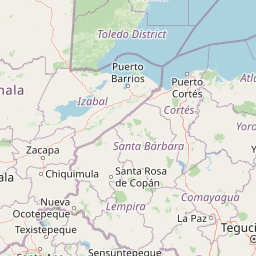
Geography guide, regional context, and park location map for Jeannette Kawas National Park

Jeannette Kawas National Park park geography, regions, and map view in Honduras
Understand where Jeannette Kawas National Park sits in Honduras through a broader geographic reading of the surrounding landscape, nearby location context, and its mapped position within the national park landscape.

How Jeannette Kawas National Park fits into Honduras

Honduras, officially the Republic of Honduras, is a Central American nation with a predominantly Mestizo population. It gained independence in 1821 and operates as a unitary presidential republic. The country faces significant economic challenges, with over 70% of its population living in poverty, though it possesses valuable natural resources including minerals, coffee, and tropical fruits.

Wider geography shaping Jeannette Kawas National Park in Honduras

Honduras is located in Central America, bordering Guatemala to the west, El Salvador to the southwest, Nicaragua to the southeast, the Pacific Ocean to the south at the Gulf of Fonseca, and the Caribbean Sea to the north at the Gulf of Honduras. The terrain includes mountainous regions and coastal lowlands.

Map view of Jeannette Kawas National Park

Use this park location map to pinpoint Jeannette Kawas National Park in Honduras, understand its exact geographic position, and read its mapped placement within the surrounding landscape more clearly.

Pigeon | © OpenStreetMap contributors

Location context for Jeannette Kawas National Park

Atlántida Department
Park atlas

Trace the diverse protected landscapes and park geography surrounding Jeannette Kawas National Park in Honduras.

Compare National Parks and Explore Protected Areas Near Jeannette Kawas National Park
Continue your exploration beyond Jeannette Kawas National Park by browsing other significant national parks and protected areas within Honduras. Compare their mapped geography, conservation landscapes, and wetland ecosystems to understand the broader regional context of Central American protected lands.
National parkAtlántida Department

Punta Izopo National Park: Honduran National Park with Defined Protected Boundaries

Explore the geographic setting of this protected landscape.

Punta Izopo National Park is a protected natural area situated within the Atlántida Department of Honduras. As a national park, it represents a significant entity for exploring Honduran geography and mapped conservation lands. This park detail page provides context on its protected boundaries and its role within the regional landscape atlas.

Area
112 km²
Established
1992
IUCN
II
Relief
Lowland
National parkHonduras

Pico Pijol National Park: National Park within the Honduran Geographic Atlas

Explore its mapped boundaries and protected landscape context.

Pico Pijol National Park stands as a protected area within Honduras, offering critical insight into the nation's natural landscapes. This detail page provides essential context for understanding its geographic positioning and mapped boundaries, serving as a foundational element for broader atlas-based exploration of protected regions in Central America. Discover the park's unique identity as a national park and its contribution to regional geographic understanding.

Area
122.1 km²
Established
1987
IUCN
II
Relief
Mountain
National parkHonduras

Montaña de Yoro National Park: Honduran National Park Atlas and Protected Landscape Exploration

Understanding its mapped boundaries and regional geography.

This card details Montaña de Yoro National Park, a designated national park in Honduras, offering a focused look at its protected landscape. It provides essential geographic context, helping users to understand the park's mapped boundaries and its significance within the broader atlas of Honduran protected areas. Explore the specific terrain and regional setting that define Montaña de Yoro National Park.

Area
154.8 km²
Established
1987
IUCN
II
Relief
Mountain
National parkHonduras

Cusuco National Park: Protected Landscape and Geographic Atlas in Honduras

Explore mapped boundaries and regional natural terrain.

Cusuco National Park represents a crucial protected area within Honduras, offering rich detail for geographic exploration. This entry focuses on its identity as a national park, detailing its mapped boundaries and its contribution to the broader landscape context of Central America. Users can discover the specific protected lands and natural terrain that characterize this significant conservation site, building a foundational understanding for atlas-based study.

Area
234.4 km²
Established
1959
IUCN
II
Relief
Mountain
National parkLa Unión

La Muralla National Park: Honduras National Park Geography and Mapped Boundaries

Explore the protected landscape and regional context.

La Muralla National Park represents a significant protected landscape within Honduras, offering valuable geographic data for atlas exploration. As a national park, its mapped boundaries and regional setting are key to understanding its conservation significance. This entry provides structured insight into the park's physical characteristics and its place within the broader Honduran geography, ideal for detailed landscape analysis.

Area
210.35 km²
Established
1993
IUCN
II
Scope
Terrestrial
National parkHonduras

Cerro Azul Meámbar National Park: Protected Area and Mapped Landscape Context

Explore its geography and national park boundaries in Honduras.

Cerro Azul Meámbar National Park offers a unique perspective on Honduras's protected lands and national park geography. This entry provides an atlas-style overview of its mapped boundaries and its regional landscape context, crucial for understanding the distribution of conservation areas within Central America. Gain insight into its protected area status and geographic identity for focused landscape discovery.

Area
300 km²
Established
1987
IUCN
II
Relief
Mountain
National parkRoatán

Port Royal National Park National Park: Mapped Protected Landscape on Roatán

Explore its geographic context and park boundaries.

Port Royal National Park, situated on Roatán, Honduras, offers a distinct protected landscape for geographic exploration. As a National Park, its mapped boundaries define a significant area for understanding regional geography and conservation landscapes. Discover the park's identity through its position within Roatán and its contribution to a structured atlas of protected natural areas.

Area
5 km²
Established
2010
IUCN
II
Climate
Tropical
National parkHonduras

Montaña Santa Bárbara National Park: National Park Geography and Protected Landscape

Mapped boundaries and regional landscape context in Honduras.

Delve into the protected landscape identity of Montaña Santa Bárbara National Park, a significant national park situated in Honduras. This entry provides atlas-focused details on its geographic footprint, mapped terrain, and its role within the nation's protected areas. Understand the park's environmental setting and its importance in the context of Honduran geography for structured exploration.

Area
121.3 km²
Established
1987
IUCN
II
Relief
Mountain

Common questions about visiting, size, designation, and location context for Jeannette Kawas National Park

Jeannette Kawas National Park FAQs for park facts, access, geography, and protected area context
Find quick answers about Jeannette Kawas National Park, including protected-area facts, park geography, trail and visitor context, and how the park fits into its surrounding country and regional landscape.
MoriAtlas Explorer

Continue Your Protected Areas Search Across the Global Atlas

Deepen your exploration by continuing the structured search for national parks and protected areas worldwide. Utilize the comprehensive filtering capabilities to compare different conservation landscapes and refine your understanding of global park geography. Discover more about the distribution and characteristics of protected natural areas.

Global natural geography