Mori Atlas logo
National parkEl Rosario National Park

Discover the mapped boundaries and regional geography of this protected natural area.

El Rosario National Park: National Park Protected Landscape & Geographic Atlas

El Rosario National Park stands as a key protected national park within the Petén region of Guatemala. This page offers an atlas-driven exploration of its geographic scope, detailing its mapped boundaries and its place within the broader natural landscape context. Understand the core identity of El Rosario National Park as a significant protected area, vital for geographic discovery and regional conservation mapping.

tropical forestlake ecosystemPetén regionCentral American protected areaslowland forestnational park

El Rosario National Park

National park

Park overview

Structured park overview, official facts, and landscape profile for El Rosario National Park

El Rosario National Park park facts, protected area profile, and essential visitor context
Review the core facts for El Rosario National Park, including designation, size, terrain, visitor scale, habitats, and operating context in one park-focused overview.

About El Rosario National Park

El Rosario National Park represents a protected tropical forest landscape in the heart of Guatemala's Petén province, one of the country's most ecologically significant regions. The park's establishment in 1980 marked a transition from agricultural use to conservation stewardship, with the National Forestry Institute (INAB) assuming management responsibility. The territory encompasses both the forested land surrounding Laguna El Rosario and the lake itself, creating a protected zone that includes aquatic and terrestrial habitats. The park's location near Sayaxché places it within a broader network of protected areas in northern Petén, a region known for its archaeological sites, biodiversity, and extensive forest cover. Visitors are permitted access to the park, allowing for exploration of its natural features while maintaining protection of the ecosystem.

Quick facts and research context for El Rosario National Park

El Rosario National Park occupies roughly 11.05 square kilometers in the Petén region of northern Guatemala, near the town of Sayaxché. The park's central feature is Laguna El Rosario, a lake that fluctuates in size from about 4 hectares in the dry season to considerably larger dimensions during the rainy season. The terrain lies at approximately 150 meters elevation within the tropical lowland forest zone. The area was previously managed as a state-owned agricultural estate before its conversion to protected status in 1980 under governmental agreement.

Park context

Deeper park guide and search-rich context for El Rosario National Park

El Rosario National Park history, landscape, wildlife, and travel context
Explore El Rosario National Park through its history, landscape character, ecosystems, wildlife, conservation priorities, cultural context, and seasonal travel timing in a structured park guide built for atlas discovery and search intent.

Why El Rosario National Park stands out

El Rosario National Park is most notably recognized for its eponymous lake, which serves as the park's defining geographical feature and provides important ecological functions within the tropical forest landscape. The park protects a segment of Petén's tropical lowland forest ecosystem, an environment characterized by dense vegetation, diverse habitats, and proximity to other significant protected areas in this biologically rich region of Guatemala. The combination of the lake environment with surrounding forest creates a distinctive landscape within the national park system.

El Rosario National Park history and protected-area timeline

El Rosario National Park was established through governmental decree (Acuerdo Gubernativo) in 1980, marking its formal designation as a protected area. Prior to this designation, the land functioned as a state-owned agricultural estate, specifically a coffee plantation known as a finca, which was managed by the National Forestry Institute (INAB). The conversion of this productive land into a national park reflected Guatemala's expanding commitment to forest conservation during the late twentieth century. INAB retained administrative responsibility for the area following its transformation from a working plantation to a protected landscape, continuing its role as the managing authority for the park.

El Rosario National Park landscape and geographic character

The park occupies a lowland tropical environment at approximately 150 meters elevation, characteristic of the Petén basin terrain. The landscape centers on Laguna El Rosario, a lake that represents the most distinctive hydrological feature within the park boundaries. The lake covers roughly 4 hectares during the dry season but expands considerably when rainfall increases, demonstrating the seasonal hydrological dynamics of the region. Surrounding the water body, the terrain supports dense tropical forest vegetation typical of Petén's lowland ecosystems. The overall topography reflects the generally flat to gently rolling character of the regional landscape.

El Rosario National Park ecosystems, habitats, and plant life

El Rosario National Park protects a representative sample of Petén's tropical lowland forest ecosystems, an environment known for its high biological diversity. The park's combination of aquatic habitat (Laguna El Rosario) and surrounding forested land creates a mosaic of ecological zones. The seasonal fluctuation of the lake provides important habitat functions for various species, while the surrounding forest supports typical lowland tropical species. The protected area exists within a broader regional context of extensive forest cover that makes Petén one of Guatemala's most ecologically significant departments.

El Rosario National Park wildlife and species highlights

The park's tropical forest and lake environment supports wildlife populations typical of Petén's lowland ecosystems. The presence of Laguna El Rosario provides aquatic habitat that attracts birdlife and supports other fauna associated with water features and riparian zones. The surrounding forest harbors species adapted to tropical lowland conditions. While specific species documentation is limited in available sources, the protected area functions as part of a larger connected landscape that supports significant biodiversity in the Petén region.

El Rosario National Park conservation status and protection priorities

The designation of El Rosario National Park in 1980 represented a commitment to preserving a segment of Petén's tropical forest environment and its associated lake ecosystem. The park contributes to the broader conservation network in northern Guatemala, a region that includes numerous protected areas maintaining forest cover and biodiversity. The transition from a working agricultural estate to protected status demonstrates the evolution of land management approaches in Guatemala toward conservation prioritization. The lake's inclusion within the protected boundaries recognizes the ecological importance of aquatic features within the tropical forest landscape.

Top sights and standout views in El Rosario National Park

The defining feature of El Rosario National Park is Laguna El Rosario, a lake that expands and contracts with seasonal rainfall patterns and serves as the park's ecological centerpiece. The park provides access to a protected tropical lowland forest environment in the Petén region, an area known for its ecological significance and proximity to Maya archaeological sites. The transition from former coffee plantation to national park illustrates the changing relationship between agricultural development and forest conservation in Guatemala. The combination of aquatic and terrestrial habitats within a single protected area creates a diverse landscape for visitors to experience.

Best time to visit El Rosario National Park

The park can be visited throughout the year, though visitors should consider the tropical climate characteristics of the Petén region. The dry season typically offers easier access to outdoor areas, while the rainy season brings higher water levels to Laguna El Rosario, potentially altering the lake's appearance and the overall landscape character. The timing of a visit may depend on preferences for experiencing the park's features under different seasonal conditions.
Park location guide

Geography guide, regional context, and park location map for El Rosario National Park

El Rosario National Park park geography, regions, and map view in Guatemala
Understand where El Rosario National Park sits in Guatemala through a broader geographic reading of the surrounding landscape, nearby location context, and its mapped position within the national park landscape.

How El Rosario National Park fits into Guatemala

Guatemala is a presidential republic in Central America with a population of approximately 18.6 million, making it the most populous country in the region. The country was the heartland of the Maya civilization and gained independence from Spain in 1821. Guatemala has a diverse population including Maya, Ladino, Xinca, and Afro-Guatemalan communities, with Spanish as the official language.

Wider geography shaping El Rosario National Park in Guatemala

Guatemala is located in northern Central America, bordered by Mexico to the north and west, Belize to the northeast, Honduras to the east, El Salvador to the southeast, and the Pacific Ocean to the south. The terrain is predominantly mountainous with highlands, volcanic ranges, and coastal lowlands. The country includes the Petén region, a large lowland jungle area in the north.

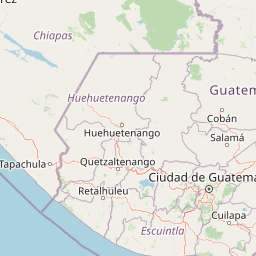
Map view of El Rosario National Park

Use this park location map to pinpoint El Rosario National Park in Guatemala, understand its exact geographic position, and read its mapped placement within the surrounding landscape more clearly.

Pigeon | © OpenStreetMap contributors

Location context for El Rosario National Park

Petén
Park atlas

Browse related protected landscapes and compare tropical forest ecosystems across the Petén basin.

Discover Other National Parks and Protected Areas Near El Rosario National Park in Guatemala
After exploring El Rosario National Park, delve into a curated selection of nearby national parks and protected areas within Guatemala's Petén region, focusing on tropical lowland forests and lake ecosystems. Compare geographic features, conservation efforts, and regional park spread to understand the interconnected protected landscapes of Central America.
National parkCayo District

Elijio Panti National Park: Protected Landscape and Regional Geography in Cayo District

Explore the mapped boundaries and geographic features of this national park.

Elijio Panti National Park offers a unique focus on protected landscape discovery within Belize. Situated in the Cayo District, this national park provides a specific geographic anchor for understanding natural terrain and mapped boundaries. The page details its identity as a protected area, contributing to a structured atlas of conservation lands and regional geography.

Area
52.645 km²
Established
2001
IUCN
II
Relief
Mountain
National parkCayo District

Chiquibul National Park: Detailed Protected Area and National Park Geography

Explore mapped boundaries within Belize's Cayo District.

Chiquibul National Park offers a critical lens through which to view Belize's protected natural areas. As a designated national park located in the Cayo District, it provides essential data for understanding the extent and geographic positioning of conservation landscapes. Users can engage with detailed map information to trace the park's borders and appreciate its role within the national atlas of protected territories.

Area
1,073 km²
Established
1995
IUCN
II
Relief
Mountain
National parkToledo District

Sarstoon-Temash National Park: National Park Geography and Mapped Boundaries

Explore the protected landscape of Toledo District.

Sarstoon-Temash National Park is a key protected area located in Belize's Toledo District. As a national park, it offers distinct geographic features and mapped boundaries that are crucial for understanding regional conservation landscapes. This entry provides detailed context on its protected status and geographic setting, enabling a more profound atlas-based exploration of the natural terrain and its significance.

Area
165.92 km²
Established
1994
IUCN
II
Relief
Lowland
National parkCayo District

Guanacaste National Park National Park: Explore its Protected Landscape and Geographic Setting

Mapped natural terrain and regional context within Cayo District.

Delve into the specifics of Guanacaste National Park, a protected national park located in the Cayo District of Belize. This detail page is designed for atlas exploration, offering insights into the park's geographic boundaries and its significance as a defined natural landscape. Understand how this protected area fits into the regional geography and contributes to the mapped natural heritage of Belize.

Area
0.2 km²
Established
1973
IUCN
II
Climate
Tropical
National parkToledo District

Payne's Creek National Park: National Park Protected Landscape and Geographic Atlas

Explore mapped boundaries and regional geography in Toledo District.

Payne's Creek National Park serves as a vital protected area within Belize, recognized as a national park. This entry details its specific location within the Toledo District, emphasizing the mapped extent of its protected boundaries. It provides a foundation for understanding the park's geographic character and its role within regional conservation landscapes, ideal for atlas-based discovery.

Area
152 km²
IUCN
II
Relief
Lowland
Climate
Tropical
National parkChiapas

Lagunas de Montebello National Park: Chiapas Protected Landscape Geography & Mapped Boundaries

Explore this national park's unique landscape context within Chiapas.

Lagunas de Montebello National Park offers a detailed view of protected landscape features and regional geographic context within Chiapas, Mexico. As a designated national park, its mapped boundaries are essential for understanding the distribution of protected areas and the natural terrain. This entity provides critical data for exploring the atlas of Mexican natural reserves and their specific environmental settings.

Area
64.11 km²
Established
1959
IUCN
II
Relief
Highland
National parkCayo District

St. Herman's Blue Hole National Park: National Park Protected Landscape and Geographic Setting

Mapped Boundaries and Regional Landscape Context in Cayo District

St. Herman's Blue Hole National Park is an integral protected landscape within Belize, situated in the Cayo District. This national park offers specific geographic features and mapped boundaries essential for understanding its place within regional conservation. MoriAtlas provides detailed context for exploring the park's protected terrain and its contribution to the broader geographic atlas, focusing on landscape identity and mapped outlines for analytical discovery.

Area
2 km²
Established
1986
Climate
Tropical
Access
Easy access
National parkHonduras

Cerro Azul de Copán National Park: Honduras's Highland Cloud Forest Protected Area

Explore mapped geography and montane landscape context.

Cerro Azul de Copán National Park, located in the highlands of western Honduras, is a national park defined by its mountainous terrain and distinctive cloud forest environment. Rising to elevations of over 2,200 meters, the park preserves a crucial highland ecosystem known for its biodiversity and role in watershed protection. Its mapped geography offers insight into the unique montane forest structures and the broader natural landscape of Central America. Discover the protected land's specific environmental characteristics and its place within the region's atlas.

Area
154.6 km²
Established
1987
IUCN
II
Relief
Mountain

Common questions about visiting, size, designation, and location context for El Rosario National Park

El Rosario National Park FAQs for park facts, access, geography, and protected area context
Find quick answers about El Rosario National Park, including protected-area facts, park geography, trail and visitor context, and how the park fits into its surrounding country and regional landscape.
MoriAtlas Explorer

Continue Your Protected Areas Search Across the Global Atlas

Deepen your exploration by continuing the structured search for national parks and protected areas worldwide. Utilize the comprehensive filtering capabilities to compare different conservation landscapes and refine your understanding of global park geography. Discover more about the distribution and characteristics of protected natural areas.

Global natural geography