Why Lagunas de Montebello National Park stands out
Lagunas de Montebello is celebrated primarily for its extraordinary chain of multicolored lakes, a phenomenon rare among the world's protected areas. The lakes of the Lagunas de Colores group, including Encantada, Ensueño, Esmeralda, Agua Tinta, and Bosque Azul, exemplify this chromatic diversity. Beyond the lakes, the park offers a rare combination of natural and cultural attractions, including the partially excavated Maya ruins of Chinkultic with panoramic views from its main pyramid, the Acropolis. The presence of cenotes and the Grutas San Rafael del Arco limestone caves further distinguish this park from others in the region.
Lagunas de Montebello National Park history and protected-area timeline
Lagunas de Montebello National Park was established in 1959, making it the first national park in the state of Chiapas and one of the earlier protected areas in southeastern Mexico. Its creation reflected a growing recognition during the mid-20th century of the need to preserve unique natural landscapes that combined scenic beauty with ecological significance. The original designation focused on conserving the soils, forests, and lakes of the Montebello region while also developing the area as a tourism destination. Over the subsequent decades, the park's administrative framework evolved, with management responsibilities residing with Mexico's National Commission of Protected Areas. In 2003, the park received international recognition as a Ramsar Wetland site, acknowledging the significance of its lake systems within the broader context of wetland conservation. Further recognition came in 2009 when UNESCO designated the area as a Biosphere Reserve, reflecting its role in maintaining biodiversity and supporting sustainable development in the highland region of Chiapas. The Maya archaeological site of Chinkultic, located within the park boundaries, has been a subject of ongoing archaeological interest, with the site containing nearly 200 buildings including pyramids and a unique ball court whose hieroglyphic inscriptions date its dedication to May 591.
Lagunas de Montebello National Park landscape and geographic character
The landscape of Lagunas de Montebello is defined by its position on the high plains of Chiapas at elevations between 1,500 and 1,800 meters above sea level. The terrain exhibits the undulating topography characteristic of the highland region, with natural depressions that have given rise to the park's numerous lakes. These depressions vary in depth, with some lakes such as Balantetic and Esmeralda being relatively shallow at 3 and 7 meters respectively, while others including Pojoj and the Cinco Lagos group rank among the deepest in Mexico, reaching depths of up to 198 meters. The landscape supports Central American pine-oak forests, with prominent stands of Mexican liquidambar trees adding seasonal color to the lakeshores. Scattered throughout the park are cenotes and limestone caves, notably the Grutas San Rafael del Arco system, which can be explored on foot or horseback. The visual impact of the landscape is amplified by the striking colors of the lakes, a phenomenon arising from varying mineral concentrations that tint the waters in hues ranging from turquoise to purple.
Lagunas de Montebello National Park ecosystems, habitats, and plant life
The ecological character of Lagunas de Montebello is shaped by its position in the highlands of Chiapas, a region recognized for its biological diversity within Mesoamerica. The park's vegetation encompasses Central American pine-oak forests, with notable presence of Mexican liquidambar (Liquidambar styraciflua), a tree valued for its aromatic resin and attractive autumn coloration. The epiphytic vegetation that colonizes the forest canopy creates hanging gardens characteristic of humid highland environments. According to Mexico's National Biodiversity Information System, the park supports more than 2,315 species of plants and animals, with 185 species classified within some category of risk under Mexican environmental regulations and 24 exotic species recorded. The lake system itself represents a unique aquatic habitat within the region, with the varied depths and mineral compositions of the 59 lakes supporting different ecological communities. The Ramsar designation reflects the importance of these wetland systems for biodiversity conservation.
Lagunas de Montebello National Park wildlife and species highlights
The wildlife population in Lagunas de Montebello reflects the diverse habitats present in this highland area of Chiapas. Mammal species found in the park include white-tailed deer, armadillo, gray fox, anteater, and opossum, with larger predators such as puma and jaguar present in the region, though rarely encountered by visitors. The avian fauna is particularly notable, with both resident species and migratory birds present in the area. The resplendent quetzal, one of Mesoamerica's most iconic bird species, can be observed in the park's forests. Other bird species include wild duck, chachalaca, and various dove species. Reptile and amphibian populations are represented by turtles, several snake varieties, frogs, toads, and salamanders. The lakes support aquatic fauna and provide important habitat for waterfowl, particularly during migration seasons. However, conservation concerns have been raised about the impacts of environmental degradation on wildlife populations, particularly as water quality in some lakes has declined due to pollution and drought.
Lagunas de Montebello National Park conservation status and protection priorities
Lagunas de Montebello holds significant conservation value at both national and international levels, evidenced by its multiple protected area designations. As a national park with IUCN category II classification, the park receives formal protection under Mexico's protected areas framework. The 2003 Ramsar designation recognizes the international importance of the park's wetland systems, committing Mexico to their conservation under the Ramsar Convention on Wetlands. The 2009 UNESCO Biosphere Reserve designation further elevates the park's conservation status, integrating it into a global network of sites recognized for their ecological significance and contribution to biodiversity preservation. The core zone of approximately 3,400 hectares receives the highest protection level. However, the park faces serious conservation challenges, including deterioration of water quality in several lakes due to untreated wastewater from Comitán and agricultural runoff containing toxic agrochemicals. The complete drying of Metzabok Lake in 2019 demonstrates the vulnerability of these lake systems to drought and climate change, prompting scientific concern about the long-term fate of the lakes' distinctive colors.
Lagunas de Montebello National Park cultural meaning and human context
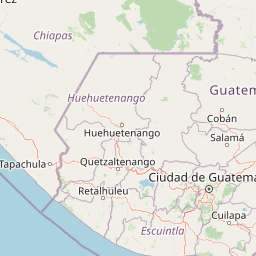
The cultural dimension of Lagunas de Montebello is anchored primarily in the presence of the Chinkultic archaeological site within the park boundaries. This pre-Columbian Maya city dates from the third century and was abandoned around the 13th century, leaving behind approximately 200 structures including pyramids, residential buildings, and a distinctive asymmetrical ball court. The hieroglyphic inscriptions on the ball court indicate it was dedicated in May 591, providing a concrete historical anchor for the site's occupation. The ruins are not fully excavated, with many structures still concealed beneath vegetation, and the Acropolis pyramid offers visitors sweeping views of the multicolored lakes below. The region has historical connections to both sides of the modern Mexico-Guatemala border, with the adjacent Guatemalan territory sometimes referring to the area as Laguna Brava. This borderland location has shaped the human geography of the region, though the park itself is focused primarily on natural conservation rather than ongoing indigenous community presence.
Top sights and standout views in Lagunas de Montebello National Park
The multicolored lakes remain the park's most compelling highlight, with approximately 15 lakes easily accessible for visitation and activities such as swimming, canoeing, and kayaking. The Lagunas de Colores group offers particularly vivid examples of the lake system's chromatic range. The Maya ruins of Chinkultic provide a rare combination of natural beauty and archaeological significance, with the Acropolis pyramid commanding panoramic views over the lake landscape. The Grutas San Rafael del Arco caves and cenotes offer additional subterranean exploration opportunities. The highland forest environment, with its pine, oak, and liquidambar trees, provides a distinctive setting different from the better-known lowland rainforests of Chiapas. The proximity to Guatemala adds a regional tourism dimension, with San Cristóbal de las Casas and Comitán serving as nearby gateways.
Best time to visit Lagunas de Montebello National Park
The park experiences a temperate climate with year-round rainfall, with an average temperature of 18°C. The most comfortable visiting conditions generally occur during the dry season from November through April, when visitor access to trails and lakes is less hindered by rainfall and the landscape remains accessible. The winter months bring morning mists that create atmospheric conditions over the lakes, though heavy fog can limit visibility. The summer rainy season from May through October brings more frequent precipitation but also greener vegetation and fuller water levels in some lakes. Visitors seeking to avoid peak crowds may find the shoulder seasons more comfortable, though the park's tourism infrastructure is less developed than more famous Mexican destinations, moderating visitor numbers throughout the year.