Why Montecristo Trifinio National Park stands out
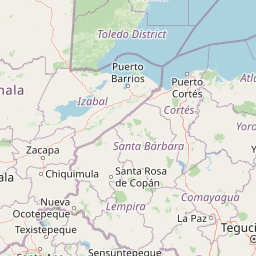
Montecristo Trifinio is best known as a transboundary conservation landmark, representing a unique trinational protected area initiative spanning Honduras, Guatemala, and El Salvador. The park protects the Montecristo massif, a critical biogeographic zone where three Central American countries meet. Its significance lies not only in the ecological value of its cloud forest and montane ecosystems but also in its role as a symbol of regional environmental cooperation. The park is part of a coordinated network that includes the Trifinio Biosphere Reserve in Guatemala, making it a key component of Central America's cross-border conservation strategy.
Montecristo Trifinio National Park history and protected-area timeline
Montecristo Trifinio National Park was established on January 1, 1987, as part of a trinational conservation initiative involving Honduras, Guatemala, and El Salvador. The creation of the park responded to the need to protect the Montecristo massif, an area of significant ecological and geographic importance where the three countries share a common border. The trinational approach to protecting this landscape reflected a growing recognition in Central America during the 1980s that effective conservation of transboundary ecosystems required coordinated institutional frameworks. This initiative resulted in the parallel establishment of protected areas in each country, creating a contiguous conservation network across the Montecristo region.
Montecristo Trifinio National Park landscape and geographic character
The Montecristo massif consists of mountainous terrain in western Honduras, forming part of the highland regions that extend across the Guatemala-El Salvador-Honduras border area. The landscape is characterized by steep slopes, ridgelines, and valleys typical of Central American montane environments. The area sits at elevations that support cloud forest ecosystems, where moisture-laden clouds from the Caribbean interact with the terrain to create persistent mist and high humidity conditions. The park's position at the tri-border convergence places it within a biogeographically significant zone that forms part of the larger Central American mountain systems.
Montecristo Trifinio National Park ecosystems, habitats, and plant life
Montecristo Trifinio protects important cloud forest and montane forest ecosystems within the Montecristo massif. Cloud forests in this region of Central America are characterized by dense vegetation, high biodiversity, and unique ecological adaptations to persistent mist and high moisture conditions. The trinational protected area network of which the park is a part creates an important ecological corridor that allows for wildlife movement across the Guatemala-El Salvador-Honduras border region. These montane cloud forests support distinctive plant communities adapted to the cool, humid conditions found at higher elevations in Central America.
Montecristo Trifinio National Park wildlife and species highlights
The cloud forest ecosystems of the Montecristo region support diverse wildlife communities typical of Central American highland environments. The trinational protected area network provides important habitat connectivity for species whose ranges span the border regions of Honduras, Guatemala, and El Salvador. While specific species documentation for Montecristo Trifinio National Park is limited in available sources, the broader Trifinio region is known to support populations of neotropical birds, mammals, and reptiles that depend on intact cloud forest habitats. The transboundary protected area network is particularly important for migratory species and wildlife that require large contiguous habitat areas.
Montecristo Trifinio National Park conservation status and protection priorities
Montecristo Trifinio National Park represents a significant achievement in trinational conservation cooperation in Central America. The park's designation as an IUCN Category II protected area reflects its primary purpose of conserving natural ecosystems. The creation of parallel protected areas in Honduras, Guatemala, and El Salvador around the Montecristo massif demonstrates how countries can work together to protect shared ecological resources. This transboundary approach to conservation is particularly important in Central America, where political borders often divide ecosystems that function as continuous ecological units. The Trifinio initiative provides a regional framework for coordinating conservation management across national boundaries.
Montecristo Trifinio National Park cultural meaning and human context
The Montecristo region holds cultural significance for local communities in the border area between Honduras, Guatemala, and El Salvador. The tri-border area has historically been a zone of interaction between indigenous and mestizo communities from all three countries. The landscape has been shaped by generations of traditional land use, including agriculture, grazing, and forest resource collection. The establishment of the trinational protected area network reflects both the ecological importance of the region and its significance in regional identity and heritage.
Top sights and standout views in Montecristo Trifinio National Park
The defining characteristic of Montecristo Trifinio National Park is its role as a trinational conservation landmark at the point where Honduras, Guatemala, and El Salvador meet. This transboundary protected area represents a pioneering model of regional environmental cooperation in Central America. The park protects cloud forest ecosystems within the Montecristo massif, creating a critical ecological corridor across the three-country border region. The coordinated protection initiative has resulted in a contiguous conservation network spanning the Trifinio area, with parallel protected area designations in each of the three countries.
Best time to visit Montecristo Trifinio National Park
The optimal time to visit Montecristo Trifinio National Park corresponds to the dry season typical of Central America's Pacific slope regions, generally from November through April. During this period, trails are more accessible and wildlife viewing conditions improve. The cloud forest environment maintains high humidity year-round, but the dry season offers more comfortable conditions for hiking and exploration. Visitors should be prepared for the persistent mist and damp conditions characteristic of cloud forest environments regardless of season.