Why Cerro Azul de Copán National Park stands out
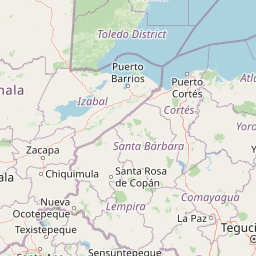
Cerro Azul de Copán National Park is best known for its high-altitude cloud forest environment. The park's elevation range of 1,800 to 2,285 metres creates the atmospheric conditions that generate persistent cloud cover and high humidity characteristic of Central American cloud forest ecosystems. These montane forests play an important role in watershed protection for the Copán region and provide habitat for species adapted to highland forest conditions. The park's location in western Honduras places it within a biogeographic zone that connects with broader Central American highland ecosystems.
Cerro Azul de Copán National Park history and protected-area timeline
Cerro Azul de Copán National Park was established on January 1, 1987, as part of Honduras's systematic expansion of its protected areas network during the 1980s. This period saw significant institutional development in Honduran conservation, with the creation of legal frameworks and management structures to safeguard the country's natural heritage. The selection of the Cerro Azul area for national park status reflected both the ecological value of its highland forests and the need to establish protected areas in the western highlands, where pressure on forest resources was intensifying. The park was assigned IUCN Category II designation, recognizing its primary function as a national park aimed at protecting natural ecosystems while allowing for limited compatible uses.
Cerro Azul de Copán National Park landscape and geographic character
The landscape of Cerro Azul de Copán National Park is defined by its mountainous terrain and high-altitude setting. The park rises from approximately 1,800 metres to a maximum elevation of 2,285 metres, creating a landscape of steep slopes, ridges, and valleys characteristic of highland Central America. The terrain supports dense forest cover, with the canopy characteristic of sub-montane and montane forest types. The elevation gradient creates variability in vegetation structure and species composition across the protected area. The climate is influenced by the park's altitude, resulting in high humidity and frequent cloud formation that defines the cloud forest character of the area.
Cerro Azul de Copán National Park ecosystems, habitats, and plant life
The natural environment of Cerro Azul de Copán National Park is characterized by cloud forest ecosystems that develop in the persistent moisture conditions created by the park's elevation. These forests feature high levels of humidity, epiphytic vegetation including mosses, ferns, and orchids, and a vertical structure that supports diverse ecological interactions. The montane forest environments within the park represent a transition zone between lowland tropical forests and higher-elevation pine-oak communities found in the highest reaches of Honduran highlands. These ecosystems play important roles in hydrological function, with the forest cover helping to regulate water flow and maintain water quality in downstream watersheds.
Cerro Azul de Copán National Park conservation status and protection priorities
Cerro Azul de Copán National Park contributes to the conservation of Honduras's highland forest ecosystems, which have been identified as priorities within the country's protected areas system. The cloud forests within the park store carbon, regulate hydrological cycles, and provide habitat for species adapted to montane conditions. The protected area forms part of a network that helps maintain ecological connectivity across the Central American isthmus, supporting the movement of species and the continuation of ecological processes that require larger landscape contexts. The park's designation as IUCN Category II reflects a management approach that emphasizes ecosystem protection while allowing for sustainable use in designated zones.
Top sights and standout views in Cerro Azul de Copán National Park
The defining feature of Cerro Azul de Copán National Park is its cloud forest environment at high elevation, creating conditions distinct from the surrounding lowlands of Honduras. The park's elevation range of over 400 metres supports ecological zonation and diverse habitat types within a relatively compact area. The proximity to the Copán archaeological zone adds cultural dimension to the park's context, as visitors to the region may combine exploration of Maya heritage sites with appreciation of the highland natural environment.