
Mori Atlas logo
National parkCerro Azul de Copán National Park

Discover the mapped geography and montane forest ecosystems of this key Honduran national park.

Cerro Azul de Copán National Park: Highland Cloud Forest Protected Landscape in Honduras

Cerro Azul de Copán National Park represents a significant protected area within the mountainous terrain of western Honduras. This national park, situated at elevations ranging from 1,800 to 2,285 meters, is characterized by its humid highland climate and extensive cloud forest ecosystems. The park's geography is defined by steep slopes and ridges, playing a crucial role in regional watershed protection and preserving vital highland forest biodiversity. Its landscape context connects it to broader Central American montane environments.

Cloud forestsHighland ecosystemsCentral AmericaMountain protected areasHonduran parksIUCN Category II

Cerro Azul de Copán National Park

National park

Park overview

Structured park overview, official facts, and landscape profile for Cerro Azul de Copán National Park

Cerro Azul de Copán National Park park facts, protected area profile, and essential visitor context
Review the core facts for Cerro Azul de Copán National Park, including designation, size, terrain, visitor scale, habitats, and operating context in one park-focused overview.

About Cerro Azul de Copán National Park

Cerro Azul de Copán National Park protects a significant tract of highland forest in western Honduras. The park's establishment in 1987 reflected Honduras's commitment to preserving its montane ecosystems, which had come under increasing pressure from agricultural expansion and logging in the latter decades of the twentieth century. The protected area encompasses terrain that forms part of the mountainous backbone of Central America, with elevations that support distinct ecological zones compared to the surrounding lowlands. The park's positioning near the Guatemalan border places it within a region of cultural and historical significance, as the Copán valley to the north contains the ruins of one of the most important Maya archaeological sites in Mesoamerica. The cloud forests of the Copán highlands represent a critical component of the broader Mesoamerican biodiversity corridor, contributing to the preservation of species and ecological processes that span national boundaries.

Quick facts and research context for Cerro Azul de Copán National Park

Cerro Azul de Copán National Park is situated in the Copán Department of western Honduras, in a mountainous region near the Guatemala border. The park was established in 1987 and covers 154.6 square kilometres. Its elevation spans from 1,800 to 2,285 metres, creating conditions for sub-montane and montane forest environments. The protected area is classified as IUCN Category II, indicating its role as a national park with substantial ecological and landscape preservation objectives.

Park context

Deeper park guide and search-rich context for Cerro Azul de Copán National Park

Cerro Azul de Copán National Park history, landscape, wildlife, and travel context
Explore Cerro Azul de Copán National Park through its history, landscape character, ecosystems, wildlife, conservation priorities, cultural context, and seasonal travel timing in a structured park guide built for atlas discovery and search intent.

Why Cerro Azul de Copán National Park stands out

Cerro Azul de Copán National Park is best known for its high-altitude cloud forest environment. The park's elevation range of 1,800 to 2,285 metres creates the atmospheric conditions that generate persistent cloud cover and high humidity characteristic of Central American cloud forest ecosystems. These montane forests play an important role in watershed protection for the Copán region and provide habitat for species adapted to highland forest conditions. The park's location in western Honduras places it within a biogeographic zone that connects with broader Central American highland ecosystems.

Cerro Azul de Copán National Park history and protected-area timeline

Cerro Azul de Copán National Park was established on January 1, 1987, as part of Honduras's systematic expansion of its protected areas network during the 1980s. This period saw significant institutional development in Honduran conservation, with the creation of legal frameworks and management structures to safeguard the country's natural heritage. The selection of the Cerro Azul area for national park status reflected both the ecological value of its highland forests and the need to establish protected areas in the western highlands, where pressure on forest resources was intensifying. The park was assigned IUCN Category II designation, recognizing its primary function as a national park aimed at protecting natural ecosystems while allowing for limited compatible uses.

Cerro Azul de Copán National Park landscape and geographic character

The landscape of Cerro Azul de Copán National Park is defined by its mountainous terrain and high-altitude setting. The park rises from approximately 1,800 metres to a maximum elevation of 2,285 metres, creating a landscape of steep slopes, ridges, and valleys characteristic of highland Central America. The terrain supports dense forest cover, with the canopy characteristic of sub-montane and montane forest types. The elevation gradient creates variability in vegetation structure and species composition across the protected area. The climate is influenced by the park's altitude, resulting in high humidity and frequent cloud formation that defines the cloud forest character of the area.

Cerro Azul de Copán National Park ecosystems, habitats, and plant life

The natural environment of Cerro Azul de Copán National Park is characterized by cloud forest ecosystems that develop in the persistent moisture conditions created by the park's elevation. These forests feature high levels of humidity, epiphytic vegetation including mosses, ferns, and orchids, and a vertical structure that supports diverse ecological interactions. The montane forest environments within the park represent a transition zone between lowland tropical forests and higher-elevation pine-oak communities found in the highest reaches of Honduran highlands. These ecosystems play important roles in hydrological function, with the forest cover helping to regulate water flow and maintain water quality in downstream watersheds.

Cerro Azul de Copán National Park conservation status and protection priorities

Cerro Azul de Copán National Park contributes to the conservation of Honduras's highland forest ecosystems, which have been identified as priorities within the country's protected areas system. The cloud forests within the park store carbon, regulate hydrological cycles, and provide habitat for species adapted to montane conditions. The protected area forms part of a network that helps maintain ecological connectivity across the Central American isthmus, supporting the movement of species and the continuation of ecological processes that require larger landscape contexts. The park's designation as IUCN Category II reflects a management approach that emphasizes ecosystem protection while allowing for sustainable use in designated zones.

Top sights and standout views in Cerro Azul de Copán National Park

The defining feature of Cerro Azul de Copán National Park is its cloud forest environment at high elevation, creating conditions distinct from the surrounding lowlands of Honduras. The park's elevation range of over 400 metres supports ecological zonation and diverse habitat types within a relatively compact area. The proximity to the Copán archaeological zone adds cultural dimension to the park's context, as visitors to the region may combine exploration of Maya heritage sites with appreciation of the highland natural environment.
Park location guide

Geography guide, regional context, and park location map for Cerro Azul de Copán National Park

Cerro Azul de Copán National Park park geography, regions, and map view in Honduras
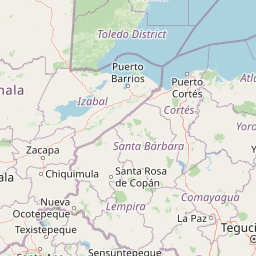
Understand where Cerro Azul de Copán National Park sits in Honduras through a broader geographic reading of the surrounding landscape, nearby location context, and its mapped position within the national park landscape.

How Cerro Azul de Copán National Park fits into Honduras

Honduras, officially the Republic of Honduras, is a Central American nation with a predominantly Mestizo population. It gained independence in 1821 and operates as a unitary presidential republic. The country faces significant economic challenges, with over 70% of its population living in poverty, though it possesses valuable natural resources including minerals, coffee, and tropical fruits.

Wider geography shaping Cerro Azul de Copán National Park in Honduras

Honduras is located in Central America, bordering Guatemala to the west, El Salvador to the southwest, Nicaragua to the southeast, the Pacific Ocean to the south at the Gulf of Fonseca, and the Caribbean Sea to the north at the Gulf of Honduras. The terrain includes mountainous regions and coastal lowlands.

Map view of Cerro Azul de Copán National Park

Use this park location map to pinpoint Cerro Azul de Copán National Park in Honduras, understand its exact geographic position, and read its mapped placement within the surrounding landscape more clearly.

Pigeon | © OpenStreetMap contributors
Park atlas

Compare geographic context, explore other highland cloud forests, and map regional protected areas.

Explore More Central American Protected Areas Near Cerro Azul de Copán National Park
Browse a curated atlas of national parks and protected areas located near Cerro Azul de Copán National Park, tracing contiguous highland cloud forest ecosystems. Comparing these protected landscapes reveals their geographic spread and offers valuable context for understanding regional conservation efforts and diverse montane terrain.
National parkLempira Department

Celaque National Park: Mapped Protected Landscape within Lempira Department

National Park Protected Area & Geographic Context

Celaque National Park represents a key protected landscape situated in the Lempira Department of Honduras. This entry offers detailed atlas information, focusing on the park's identity as a national park and its mapped geographic extent. Users can explore the protected boundaries and understand its place within the regional terrain, providing essential context for geographic discovery.

Area
266.31 km²
Established
1987
IUCN
II
National parkHonduras

Cusuco National Park: Protected Landscape and Geographic Atlas in Honduras

Explore mapped boundaries and regional natural terrain.

Cusuco National Park represents a crucial protected area within Honduras, offering rich detail for geographic exploration. This entry focuses on its identity as a national park, detailing its mapped boundaries and its contribution to the broader landscape context of Central America. Users can discover the specific protected lands and natural terrain that characterize this significant conservation site, building a foundational understanding for atlas-based study.

Area
234.4 km²
Established
1959
IUCN
II
Relief
Mountain
National parkEl Salvador

Montecristo National Park: El Salvador's Protected Landscape and Geographic Identity

Explore its mapped boundaries and regional terrain.

Montecristo National Park is a vital protected area that anchors a specific geographic identity within El Salvador. This MoriAtlas entry provides an atlas-driven view of the park, highlighting its mapped boundaries and the characteristics of its natural terrain. Understanding Montecristo National Park's protected status offers insight into the region's geography and its place within Central America's broader landscape.

Area
19.73 km²
Established
2008
IUCN
II
Relief
Mixed relief
National parkHonduras

Montecristo Trifinio National Park: Honduras National Park and Protected Landscape Atlas

Explore its mapped boundaries and regional geographic context.

Delve into the protected landscape of Montecristo Trifinio National Park, a designated national park within Honduras. This resource provides critical atlas-level information, detailing the park's geographic scope, mapped boundaries, and its significance as a protected natural area. Understand the terrain and landscape context to appreciate its unique role in the region's conservation framework and its place within the structured exploration of national parks.

Area
54 km²
Established
1987
IUCN
II
Relief
Mountain
National parkHonduras

Cerro Azul Meámbar National Park: Protected Area and Mapped Landscape Context

Explore its geography and national park boundaries in Honduras.

Cerro Azul Meámbar National Park offers a unique perspective on Honduras's protected lands and national park geography. This entry provides an atlas-style overview of its mapped boundaries and its regional landscape context, crucial for understanding the distribution of conservation areas within Central America. Gain insight into its protected area status and geographic identity for focused landscape discovery.

Area
300 km²
Established
1987
IUCN
II
National parkHonduras

Pico Pijol National Park: National Park within the Honduran Geographic Atlas

Explore its mapped boundaries and protected landscape context.

Pico Pijol National Park stands as a protected area within Honduras, offering critical insight into the nation's natural landscapes. This detail page provides essential context for understanding its geographic positioning and mapped boundaries, serving as a foundational element for broader atlas-based exploration of protected regions in Central America. Discover the park's unique identity as a national park and its contribution to regional geographic understanding.

Area
122.1 km²
Established
1987
IUCN
II
National parkEl Salvador

El Boquerón National Park: National Park Atlas, Mapped Boundaries, and Regional Geography

Explore El Salvador's protected volcanic terrain and landscape.

Delve into the protected landscape of El Boquerón National Park, a significant national park in El Salvador. This resource provides detailed map context, focusing on the park's geographic boundaries and its position within the country's volcanic region. Understand the atlas-driven discovery value and unique regional setting of this protected area.

Area
2.05 km²
Established
2008
IUCN
II
Relief
Mountain
National parkHonduras

Montaña de Comayagua National Park: Honduras National Park and Protected Area Geography

Explore mapped boundaries and natural terrain within Central America.

Montaña de Comayagua National Park stands as a vital protected area, contributing significantly to the geographic tapestry of Honduras. This national park offers a focused perspective for atlas exploration, allowing users to trace its mapped boundaries and comprehend its role within the regional landscape. Delve into the park's protected identity and its unique position in the mapped geography of Central America.

Area
184.8 km²
Established
1987
IUCN
II

Common questions about visiting, size, designation, and location context for Cerro Azul de Copán National Park

Cerro Azul de Copán National Park FAQs for park facts, access, geography, and protected area context
Find quick answers about Cerro Azul de Copán National Park, including protected-area facts, park geography, trail and visitor context, and how the park fits into its surrounding country and regional landscape.
MoriAtlas Explorer

Continue Your Protected Areas Search Across the Global Atlas

Deepen your exploration by continuing the structured search for national parks and protected areas worldwide. Utilize the comprehensive filtering capabilities to compare different conservation landscapes and refine your understanding of global park geography. Discover more about the distribution and characteristics of protected natural areas.

Global natural geography