Mori Atlas logo
National parkEl Boquerón National Park

Discover the protected landscape and regional geography of this significant national park.

El Boquerón National Park: National Park Identity and Mapped Geographic Context in El Salvador

(Parque Nacional El Boquerón)

El Boquerón National Park stands as a protected natural area within El Salvador's distinct geography. This page offers an atlas-driven perspective, detailing the park's mapped boundaries and its role within the country's volcanic terrain. Explore the foundational geographic identity of El Boquerón National Park, providing essential context for understanding protected landscapes in Central America.

volcanic craterhighland forestCentral AmericaIUCN category IInested calderaaccessible volcano

El Boquerón National Park

National park

Park overview

Structured park overview, official facts, and landscape profile for El Boquerón National Park

El Boquerón National Park park facts, protected area profile, and essential visitor context
Review the core facts for El Boquerón National Park, including designation, size, terrain, visitor scale, habitats, and operating context in one park-focused overview.

About El Boquerón National Park

El Boquerón National Park protects the volcanic summit of the San Salvador Volcano, one of the most significant geological landmarks in El Salvador. The park's central feature is an impressive crater approximately five kilometers in diameter, formed by volcanic activity that shaped the landscape over thousands of years. Within this main crater sits Boqueroncito, a smaller volcanic cone that represents a later stage of volcanic activity within the caldera. The protected area sits at roughly 1,800 meters elevation, placing it in a cool temperate climate zone that contrasts sharply with the tropical conditions found at lower elevations in the country. The park was formally established in 2008 as part of El Salvador's efforts to preserve its natural heritage and provide sustainable recreational opportunities for residents and visitors. The Ministry of Environment and Natural Resources oversees management of the protected area, which includes visitor services and trail maintenance. Short hiking trails allow visitors to explore the crater rim and ascend portions of the volcano, while a visitor center provides educational information about the park's geological and ecological significance.

Quick facts and research context for El Boquerón National Park

El Boquerón National Park occupies the crater and upper slopes of San Salvador Volcano, one of the most prominent volcanic features in El Salvador. The park's defining characteristic is its large volcanic crater, within which sits a smaller secondary crater known as Boqueroncito. The protected area maintains a cool, temperate climate due to its high elevation, making it distinct from the typically tropical lowlands of the region. The park was designated in 2008 under IUCN category II as a national park, reflecting its conservation significance. Visitor infrastructure includes a visitor center and several short hiking trails that traverse the crater rim and ascend the volcano's slopes.

Park context

Deeper park guide and search-rich context for El Boquerón National Park

El Boquerón National Park history, landscape, wildlife, and travel context
Explore El Boquerón National Park through its history, landscape character, ecosystems, wildlife, conservation priorities, cultural context, and seasonal travel timing in a structured park guide built for atlas discovery and search intent.

Why El Boquerón National Park stands out

El Boquerón National Park is best known for its spectacular volcanic crater, one of the most visually striking geological features in El Salvador. The five-kilometer-wide caldera, with its steep walls descending 558 meters to the crater floor, provides visitors with dramatic views and a tangible connection to the region's volcanic origins. The presence of Boqueroncito, a smaller cinder cone nested within the larger crater, adds additional geological interest and creates a unique nested crater configuration. The park's high-elevation setting also provides a distinctive cool climate experience uncommon in this part of Central America, making it a popular destination for both nature enthusiasts and those seeking relief from the tropical heat of the surrounding lowlands.

El Boquerón National Park history and protected-area timeline

El Boquerón National Park was officially designated in 2008, representing a relatively recent addition to El Salvador's protected area system. The protection of the San Salvador Volcano crater reflects a growing recognition of the importance of preserving unique geological features and associated ecosystems. Prior to national park designation, the area had long been recognized as a significant natural landmark visible from the capital city of San Salvador. The establishment of the park provided formal legal protection for the volcanic landscape while also creating a framework for sustainable tourism and environmental education. The Ministry of the Environment and Natural Resources assumed administrative responsibility, implementing visitor management programs and infrastructure development to support public access while minimizing environmental impact.

El Boquerón National Park landscape and geographic character

The landscape of El Boquerón National Park is defined by its volcanic origins and the dramatic topography created by the San Salvador Volcano. The park centers on a massive volcanic crater roughly five kilometers in diameter, with steep crater walls rising above the interior floor. This caldera formed through volcanic processes that left a deep depression in the volcano's summit. Within the larger crater sits Boqueroncito, a smaller volcanic cone or cinder cone that represents secondary volcanic activity. The crater interior presents a unique landscape of exposed rock, vegetation zones that change with elevation, and the distinctive nested configuration of two volcanic features. From various viewpoints along the crater rim, visitors can observe the full extent of the caldera and appreciate the scale of volcanic activity that shaped this terrain.

El Boquerón National Park ecosystems, habitats, and plant life

The vegetation within El Boquerón National Park reflects the park's high-elevation setting and includes several plant species suited to the cooler, more temperate conditions found at this altitude. The park supports populations of ornamental plants including cartuchos, hydrangeas, and begonias, which thrive in the cooler climate and add seasonal color to the landscape. Wild sultanas, a species of wild grape, also grow within the protected area. The transition from tropical lowlands to this higher-elevation volcanic environment creates distinct ecological conditions that support plant communities different from those found in the surrounding El Salvadoran landscape.

El Boquerón National Park wildlife and species highlights

El Boquerón National Park is home to several wildlife species adapted to the park's high-elevation volcanic environment. Mammals present in the protected area include armadillos, raccoons, deer, and foxes, representing a mix of small to medium-sized mammals that inhabit the forest and grassland areas within and around the crater. These species occupy various ecological niches within the park, from the forest understory to more open areas. The protected status of the area helps preserve habitat for these wildlife populations, contributing to biodiversity conservation in the region.

El Boquerón National Park conservation status and protection priorities

El Boquerón National Park was established under IUCN category II as a national park, reflecting its primary conservation objective of protecting the volcanic landscape and associated natural values. The designation provides formal legal protection for the crater ecosystem and ensures management for both conservation and compatible public use. The park contributes to El Salvador's protected area network, which aims to preserve representative samples of the country's natural diversity. Conservation of this volcanic area helps maintain the ecological integrity of the San Salvador Volcano ecosystem and provides educational and research opportunities related to volcanic processes and high-elevation ecology.

Top sights and standout views in El Boquerón National Park

The primary highlight of El Boquerón National Park is its spectacular volcanic crater, one of the most accessible and visually impressive volcanic calderas in Central America. The nested crater configuration, featuring the larger main crater and the smaller Boqueroncito cone within it, offers a unique geological phenomenon not commonly found in other protected areas. Visitors can traverse hiking trails along the crater rim, gaining panoramic views across the caldera and beyond to the surrounding landscape. The park's cool temperate climate, resulting from its 1,800-meter elevation, provides a distinctive visitor experience that contrasts with the tropical conditions of the surrounding region. The proximity to San Salvador makes this natural wonder easily accessible for day visitors seeking to experience volcanic landscapes without extensive travel.

Best time to visit El Boquerón National Park

El Boquerón National Park can be visited year-round due to its consistently cool temperate climate. The high elevation ensures comfortable temperatures regardless of the season, though visitors should be prepared for cooler conditions than those found in the lowlands. The dry season, typically from November to April, generally offers clearer skies and more visibility for crater views. The wet season from May to October brings more frequent precipitation and potentially misty conditions within the crater. Regardless of season, the park's cool climate makes it a pleasant destination for hiking and nature exploration, with temperatures remaining comfortable throughout the year.

Park location guide

Geography guide, regional context, and park location map for El Boquerón National Park

El Boquerón National Park park geography, regions, and map view in El Salvador
Understand where El Boquerón National Park sits in El Salvador through a broader geographic reading of the surrounding landscape, nearby location context, and its mapped position within the national park landscape.

How El Boquerón National Park fits into El Salvador

El Salvador is a presidential republic in Central America. It gained independence from Spain in 1821 and has since experienced periods of political instability, including a civil war from 1979 to 1992. The country uses the US dollar as its currency and is known for its Pacific coastline and volcanic terrain.

Wider geography shaping El Boquerón National Park in El Salvador

El Salvador is located in Central America, bordered by Honduras to the northeast, Guatemala to the northwest, and the Pacific Ocean to the south. The country sits along the Pacific Ring of Fire and has volcanic terrain.

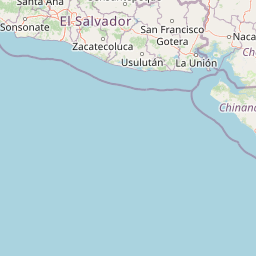
Map view of El Boquerón National Park

Use this park location map to pinpoint El Boquerón National Park in El Salvador, understand its exact geographic position, and read its mapped placement within the surrounding landscape more clearly.

Pigeon | © OpenStreetMap contributors

Location context for El Boquerón National Park

San Salvador Department
Park atlas

Trace the regional spread of protected areas and compare volcanic landscapes across Central America

Discover Nearby National Parks and Protected Areas Around El Boquerón National Park
Continue your exploration of El Salvador's conservation landscapes by browsing other national parks and protected areas near El Boquerón National Park. Compare these regional protected areas to understand the diverse geographic features and volcanic terrains found across this part of Central America, aiding your atlas-style park discovery.
Stylized illustration of a mountain valley with waterfall, dense forest, and trees
National parkAhuachapán Department

El Imposible National Park: National Park Protected Landscape and Regional Geography Exploration

Atlas context and mapped boundaries for El Imposible National Park.

Delve into the protected landscape of El Imposible National Park, a key national park located within Ahuachapán Department, El Salvador. This resource provides detailed information on its geographic setting, mapped park boundaries, and its role within the regional natural context. Understand the essence of this protected natural area through structured atlas data, offering a unique lens for exploring its conservation significance and landscape features.

Area
38.2 km²
Established
1989
IUCN
II
Relief
Mountain
National parkEl Salvador

Montecristo National Park: El Salvador's Protected Landscape and Geographic Identity

Explore its mapped boundaries and regional terrain.

Montecristo National Park is a vital protected area that anchors a specific geographic identity within El Salvador. This MoriAtlas entry provides an atlas-driven view of the park, highlighting its mapped boundaries and the characteristics of its natural terrain. Understanding Montecristo National Park's protected status offers insight into the region's geography and its place within Central America's broader landscape.

Area
19.73 km²
Established
2008
IUCN
II
Relief
Mixed relief
National parkHonduras

Montecristo Trifinio National Park: Honduras National Park and Protected Landscape Atlas

Explore its mapped boundaries and regional geographic context.

Delve into the protected landscape of Montecristo Trifinio National Park, a designated national park within Honduras. This resource provides critical atlas-level information, detailing the park's geographic scope, mapped boundaries, and its significance as a protected natural area. Understand the terrain and landscape context to appreciate its unique role in the region's conservation framework and its place within the structured exploration of national parks.

Area
54 km²
Established
1987
IUCN
II
Relief
Mountain
National parkLempira Department

Celaque National Park: Mapped Protected Landscape within Lempira Department

National Park Protected Area & Geographic Context

Celaque National Park represents a key protected landscape situated in the Lempira Department of Honduras. This entry offers detailed atlas information, focusing on the park's identity as a national park and its mapped geographic extent. Users can explore the protected boundaries and understand its place within the regional terrain, providing essential context for geographic discovery.

Area
266.31 km²
Established
1987
IUCN
II
Relief
Mountain
National parkHonduras

Cerro Azul de Copán National Park: Honduras's Highland Cloud Forest Protected Area

Explore mapped geography and montane landscape context.

Cerro Azul de Copán National Park, located in the highlands of western Honduras, is a national park defined by its mountainous terrain and distinctive cloud forest environment. Rising to elevations of over 2,200 meters, the park preserves a crucial highland ecosystem known for its biodiversity and role in watershed protection. Its mapped geography offers insight into the unique montane forest structures and the broader natural landscape of Central America. Discover the protected land's specific environmental characteristics and its place within the region's atlas.

Area
154.6 km²
Established
1987
IUCN
II
Relief
Mountain
National parkHonduras

Montaña Santa Bárbara National Park: National Park Geography and Protected Landscape

Mapped boundaries and regional landscape context in Honduras.

Delve into the protected landscape identity of Montaña Santa Bárbara National Park, a significant national park situated in Honduras. This entry provides atlas-focused details on its geographic footprint, mapped terrain, and its role within the nation's protected areas. Understand the park's environmental setting and its importance in the context of Honduran geography for structured exploration.

Area
121.3 km²
Established
1987
IUCN
II
Relief
Mountain
National parkHonduras

Cerro Azul Meámbar National Park: Protected Area and Mapped Landscape Context

Explore its geography and national park boundaries in Honduras.

Cerro Azul Meámbar National Park offers a unique perspective on Honduras's protected lands and national park geography. This entry provides an atlas-style overview of its mapped boundaries and its regional landscape context, crucial for understanding the distribution of conservation areas within Central America. Gain insight into its protected area status and geographic identity for focused landscape discovery.

Area
300 km²
Established
1987
IUCN
II
Relief
Mountain
National parkHonduras

Montaña de Comayagua National Park: Honduras National Park and Protected Area Geography

Explore mapped boundaries and natural terrain within Central America.

Montaña de Comayagua National Park stands as a vital protected area, contributing significantly to the geographic tapestry of Honduras. This national park offers a focused perspective for atlas exploration, allowing users to trace its mapped boundaries and comprehend its role within the regional landscape. Delve into the park's protected identity and its unique position in the mapped geography of Central America.

Area
184.8 km²
Established
1987
IUCN
II
Relief
Mountain

Common questions about visiting, size, designation, and location context for El Boquerón National Park

El Boquerón National Park FAQs for park facts, access, geography, and protected area context
Find quick answers about El Boquerón National Park, including protected-area facts, park geography, trail and visitor context, and how the park fits into its surrounding country and regional landscape.
MoriAtlas Explorer

Continue Your Protected Areas Search Across the Global Atlas

Deepen your exploration by continuing the structured search for national parks and protected areas worldwide. Utilize the comprehensive filtering capabilities to compare different conservation landscapes and refine your understanding of global park geography. Discover more about the distribution and characteristics of protected natural areas.

Global natural geography