Why Beelu National Park stands out
Beelu National Park is best known for its role in protecting old-growth jarrah-marri forest in the Darling Range and its connection to Noongar cultural heritage. The park preserves significant stands of native vegetation including jarrah, marri, Zamia, bull Banksia, sheoak, and grass tree species. The South Ledge lookout provides panoramic views over Mundaring Weir and Lake CY O'Connor, while Fred Jacoby Park within the park contains the largest oak tree in Western Australia. The park serves as a recreational escape for Perth residents, offering trails through relatively intact forest ecosystems relatively close to the city.
Beelu National Park history and protected-area timeline
Beelu National Park was originally established in 1995 as Mundaring National Park, created under the state government's Protecting Our Old Growth Forests policy. This policy initiative marked a significant expansion of national park protection in Western Australia during the 1990s, aimed at preserving remaining old-growth forest across the state's Southwest Australia biodiversity hotspot. In 2008, the park was officially renamed Beelu National Park as an acknowledgement of the traditional owners of the land. The word Beelu comes from the Noongar language and means river or stream, reflecting the presence of the Helena River that flows through the park. The Beelu were the original Aboriginal people of the district, whose traditional territory was bounded by the Helena, Swan, and Canning Rivers. This renaming recognized both the cultural significance of the area and the park's commitment to acknowledging Noongar heritage.
Beelu National Park landscape and geographic character
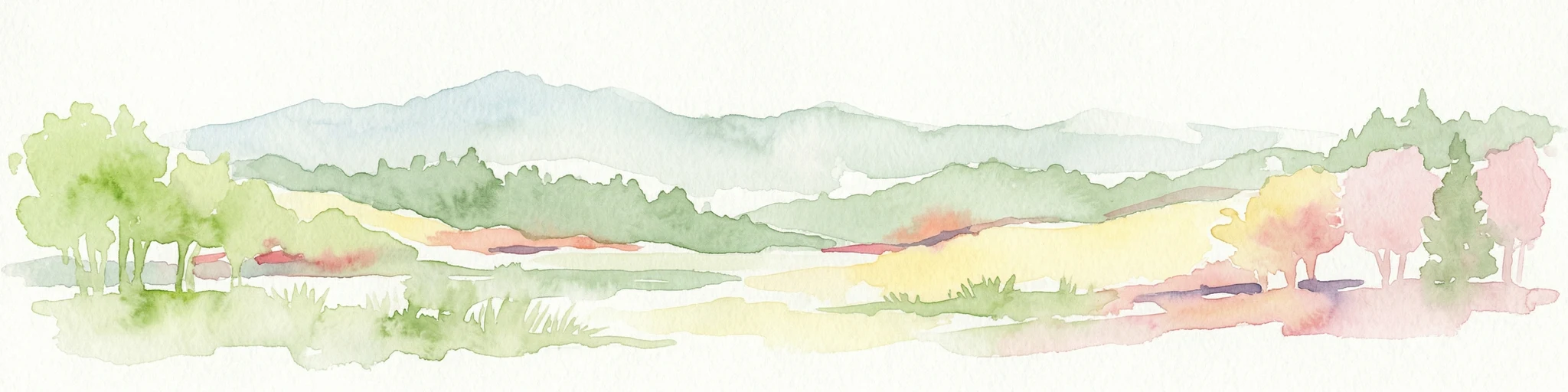
The terrain of Beelu National Park consists of rolling hills and valleys characteristic of the Darling Range, with elevations ranging across the Helena River catchment area. The Helena River valley forms a central feature of the park, with waterways and tributaries flowing through forested catchments. The landscape supports open jarrah-marri forest on the slopes, with diverse understory vegetation adapted to the Mediterranean climate of Southwest Australia. The park lies west of Mundaring Weir Road and south of the town of Mundaring, forming a contiguous block of forest that helps define the eastern edge of the Perth metropolitan area. Ridgelines within the park offer views across the reservoir and the wider hills landscape.
Beelu National Park ecosystems, habitats, and plant life
The park preserves representative examples of jarrah forest ecosystem, one of the most distinctive and biodiverse vegetation types in Southwest Australia. The canopy is dominated by jarrah and marri, two large forest trees that form the structural foundation of the ecosystem. Understory species include the cycad Zamia, bull Banksia with its distinctive large flower spikes, sheoak trees, and grass trees with their characteristic blackened trunk and flowering spike. This forest type occurs on lateritic soils derived from ancient weathering of the Darling Plateau, and the park protects examples of this ecosystem that have survived clearing for agriculture and urban development in the Perth hills. The forest provides habitat for numerous species adapted to the seasonal Mediterranean climate and the nutrient-poor soils of the region.
Beelu National Park wildlife and species highlights
While the source material focuses primarily on flora, the jarrah-marri forest ecosystem of Beelu National Park supports a range of animal species typical of Southwest Australian forests. The park's location in the Perth hills and its connection to other conservation areas provides habitat for forest-dwelling birds, reptiles, and marsupials. The protected forest areas serve as corridors enabling wildlife movement between larger conservation blocks in the Darling Range. The preservation of old-growth forest elements is particularly important for species that depend on hollow-bearing trees for nesting and shelter.
Beelu National Park conservation status and protection priorities
Beelu National Park contributes to the conservation of Southwest Australia's globally significant biodiversity hotspot. The park protects old-growth jarrah forest that was largely cleared from the Perth hills region during the twentieth century for agriculture, mining, and urban expansion. As part of the Parks of the Darling Range network, the park helps maintain ecological connectivity in a landscape increasingly fragmented by human development. The area also serves important watershed functions, protecting water quality in the Helena River catchment that flows into reservoirs serving the Perth region. The 2008 renaming to acknowledge traditional owners also reflects evolving approaches to integrating Indigenous knowledge and values into park management.
Beelu National Park cultural meaning and human context
The park lies within the traditional Country of the Beelu people, an Aboriginal clan of the Noongar nation whose territory historically encompassed the Helena, Swan, and Canning River catchments. The Noongar people have lived in Southwest Australia for tens of thousands of years, with the Beelu district representing an area of continuous Aboriginal connection to Country. The naming of the park in 2008 using the Noongar word for river or stream acknowledges this ongoing cultural heritage. The landscape holds traditional significance beyond its biodiversity values, representing a place where Indigenous cultural practices and relationships with Country continue to be recognized within contemporary park management.
Top sights and standout views in Beelu National Park
Beelu National Park provides a accessible forest escape from Perth, with the Perth Hills National Parks Centre serving as a visitor gateway. The South Ledge lookout offers sweeping views over Mundaring Weir and Lake CY O'Connor, while the network of hiking and mountain biking trails allows exploration of the jarrah-marri forest. Fred Jacoby Park contains a notable specimen, the largest oak tree in Western Australia, demonstrating the adaptation of Northern Hemisphere species to local conditions. The presence of two campgrounds enables overnight stays in the forest, while the variety of trails and facilities make the park suitable for families and day visitors seeking recreation in a protected natural area relatively close to the city.
Best time to visit Beelu National Park
The park can be visited year-round, though the Southwest Australian climate means conditions vary significantly across seasons. Autumn and winter bring cooler temperatures and occasional rainfall, creating pleasant conditions for walking through the forest. Spring offers the opportunity to observe wildflower blooms as the understory plants flower following winter rains. Summer months are typically warm and dry, and fire risk may affect access during this period. The park's proximity to Perth makes it suitable for day visits throughout the year, while the campgrounds provide options for longer stays during cooler months.