Why Midgegooroo National Park stands out
Midgegooroo National Park is best known for its dramatic jarrah forest landscapes and the presence of Canning Dam within its boundaries, one of Perth's historic water supply infrastructure elements. The park also contains a significant portion of the Munda Biddi Trail, a world-class off-road cycling route that traverses over 1,000 kilometres through Western Australia's southwestern forests. The reserve's Aboriginal heritage dimension sets it apart, being one of the relatively few Australian national parks explicitly renamed to honor an Aboriginal person and their historical resistance to colonization. The juxtaposition of intact jarrah forest, a major water reservoir, and deep cultural significance gives this metropolitan-adjacent park a distinctive character.
Midgegooroo National Park history and protected-area timeline
The land that became Midgegooroo National Park was formally protected as a Class A reserve in November 2004, one of nine national parks created in Western Australia on that date as part of a significant expansion of the state's conservation estate. Originally designated as Canning National Park, the reserve encompassed 2,492 hectares of forested land in the Perth Hills. In 2008, the park was renamed Midgegooroo National Park as part of a broader state government initiative to rename several Western Australian parks after significant Aboriginal figures or cultural references. The new name honors Midgegooroo, a respected Whadjuk elder who was executed in 1833 at the age of approximately 53 years after leading resistance against the expanding European settlement of the Perth region. This renaming marked an important moment in the recognition of Aboriginal heritage within Western Australia's protected area system, acknowledging both the cultural significance of the landscape and the historical struggles of its traditional owners.
Midgegooroo National Park landscape and geographic character
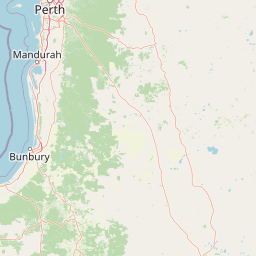
The topography of Midgegooroo National Park reflects its position in the Perth Hills region, characterized by undulating terrain carved by ancient river systems that now feed into the Canning Dam catchment. The landscape is dominated by tall jarrah woodland that creates a characteristically open forest canopy, with the distinctive reddish-brown bark of jarrah trees visible throughout the reserve. The understory varies from dense scrub to more open herb-rich woodland depending on local soil conditions and fire history. Canning Dam, situated within the park's boundaries, creates a prominent water body that contrasts with the surrounding forest and adds scenic variety to the landscape. The park's elevation provides views across the Perth metropolitan region in certain areas, creating a unique juxtaposition of urban and wilderness landscapes.
Midgegooroo National Park ecosystems, habitats, and plant life
Midgegooroo National Park exists within the Jarrah Forest bioregion, one of southwestern Australia's biodiversity hotspots. The jarrah-dominated woodlands support a remarkable diversity of plant species adapted to the region's Mediterranean climate, including numerous endemic species found nowhere else on Earth. The park's ecosystems have evolved with fire as a natural disturbance agent, with many plant species requiring bushfire for germination and regeneration. The forest structure provides habitat for a wide range of fauna, from arboreal mammals like possums and gliders to ground-dwelling species that rely on the leaf litter and fallen timber of the forest floor. The proximity to Perth's urban area makes this park particularly valuable as an example of intact jarrah forest that remains accessible for environmental education and nature-based recreation.
Midgegooroo National Park wildlife and species highlights
The jarrah forest environment of Midgegooroo National Park supports a diverse fauna community characteristic of southwestern Australia's temperate woodlands. Birdlife includes cockatoos, parrots, and honeyeaters that utilize the nectar and seed resources of the forest. Mammals present in the broader jarrah forest include several marsupial species, though the urban proximity and historical land use patterns have influenced which species remain common. Reptiles and invertebrates contribute to the park's biodiversity, though systematic surveys specific to this park are not widely documented in public sources. The forest structure, with its mix of mature trees, hollows, and fallen timber, provides essential habitat resources for wildlife throughout the seasonal cycle.
Midgegooroo National Park conservation status and protection priorities
The protection of Midgegooroo National Park represents a significant conservation outcome for the Perth metropolitan region, preserving a substantial area of jarrah forest that might otherwise have been degraded or cleared. The park's inclusion in Western Australia's reserve system ensures ongoing protection of the forest ecosystem and its component species. The jarrah forests of southwestern Australia are recognized as a vulnerable ecosystem due to threats including climate change, Phytophthora dieback, altered fire regimes, and historical clearing for agriculture and urban development. National park status provides the highest level of protection available under Western Australian law, securing this forest remnant for future generations while allowing for appropriate recreation use. The park also contributes to conservation outcomes through its role in the broader network of southwestern Australian protected areas.
Midgegooroo National Park cultural meaning and human context
Midgegooroo National Park lies within the traditional Country of the Whadjuk people, one of the Noongar Aboriginal groups whose ancestral lands encompass the Perth metropolitan region. The park was renamed in 2008 to honor Midgegooroo, a Whadjuk elder who played a significant role in Aboriginal resistance to early European settlement. Born around 1780, Midgegooroo became a leader of his people during the early years of the Swan River Colony, eventually being executed in 1833 after being found guilty of murdering a settler. The renaming of the park after Midgegooroo reflects a broader movement in Australian protected area management toward recognizing and honoring Aboriginal cultural heritage and the deep historical connection of Aboriginal people to Country.
Top sights and standout views in Midgegooroo National Park
The combination of jarrah forest wilderness, a major historic dam, world-class cycling trail access, and significant Aboriginal heritage makes Midgegooroo National Park a distinctive metropolitan-adjacent protected area. Canning Dam provides a major scenic focus within the park, while the Munda Biddi Trail offers exceptional long-distance cycling through the forest. The park's renaming to honor Midgegooroo sets it apart from most other Australian national parks in its explicit acknowledgment of Aboriginal history and resistance. The accessibility from Perth, combined with genuine wilderness qualities, makes this park valuable for both recreation and environmental education.
Best time to visit Midgegooroo National Park
The park can be visited year-round, though the southwestern Australian climate means that autumn through spring typically offers the most pleasant conditions for outdoor activity. Summer months can be hot and dry, with elevated fire risk sometimes leading to park closures during severe weather periods. The winter months bring cooler temperatures and occasional rain, which can make trails muddy but also enhance the green appearance of the forest understory. Spring offers particularly appealing conditions with wildflower displays in the understory and comfortable temperatures for walking and cycling. Visitors should check current conditions and any fire-related closures before planning trips, particularly during the warmer months.