

Mori Atlas logo
National parkWiltshire-Butler National Park

Mapping the protected boundaries and regional geography of this key Western Australian forest.

Wiltshire-Butler National Park: National Park and Protected Jarrah Forest Landscape

Wiltshire-Butler National Park represents a significant protected natural area within the South West region of Western Australia, notable for its expansive jarrah forest ecosystems. Established in 2004 as a Class A reserve, it stands as a testament to dedicated conservation efforts, safeguarding unique temperate forest landscapes. This park serves as a vital component of the state's protected area network, offering a detailed view of regional geography and mapped park boundaries for atlas-driven exploration.

National ParkJarrah ForestWestern AustraliaSouth WestProtected AreaTemperate Forest

Wiltshire-Butler National Park

National park

Park overview

Structured park overview, official facts, and landscape profile for Wiltshire-Butler National Park

Wiltshire-Butler National Park park facts, protected area profile, and essential visitor context
Review the core facts for Wiltshire-Butler National Park, including designation, size, terrain, visitor scale, habitats, and operating context in one park-focused overview.

About Wiltshire-Butler National Park

Wiltshire-Butler National Park occupies a significant position in the protected area network of Western Australia's South West region. The park's establishment in 2004 marked an important milestone in the state's conservation history, as one of nine national parks proclaimed on 30 November of that year. The park's location within the Jarrah Forest bioregion places it within one of Western Australia's most characteristic forest environments, where tall jarrah trees form the dominant canopy species across extensive areas of temperate woodland and forest.

The park's proximity to Blackwood River National Park creates a connected corridor of protected land that supports broader ecological processes and provides habitat continuity for forest-dwelling species. This network approach to conservation reflects the understanding that isolated protected areas often face challenges related to genetic exchange, species movement, and ecosystem resilience. The Blackwood River system that flows through the adjacent park also influences the hydrological character of the broader landscape.

Management of the park falls under the Department of Biodiversity, Conservation and Attractions, which oversees conservation, recreation, and fire management activities within the reserve. The Class A reserve classification provides the highest level of statutory protection available under Western Australian legislation, reflecting the park's significance for biodiversity conservation and natural heritage preservation.

Quick facts and research context for Wiltshire-Butler National Park

Wiltshire-Butler National Park covers 11,645 hectares in the South West of Western Australia, established in 2004 as Class A Reserve No. 47667. The park is administered by the Department of Biodiversity, Conservation and Attractions and forms part of the Jarrah Forest bioregion. Located within the Shire of Nannup, the park borders Blackwood River National Park and sits approximately 265 kilometers south of Perth.

Park context

Deeper park guide and search-rich context for Wiltshire-Butler National Park

Wiltshire-Butler National Park history, landscape, wildlife, and travel context
Explore Wiltshire-Butler National Park through its history, landscape character, ecosystems, wildlife, conservation priorities, cultural context, and seasonal travel timing in a structured park guide built for atlas discovery and search intent.

Why Wiltshire-Butler National Park stands out

Wiltshire-Butler National Park is known for its protected jarrah forest landscape in the South West of Western Australia. The park represents one of the more recent additions to Western Australia's national park network, created in 2004 as part of a statewide expansion of protected areas. The park's namesake, John Francis Wiltshire-Butler, adds historical significance, as he was a Forests Department employee who died in 1958 while fighting a bushfire at Barlee Brook, along with Johannes Hilliger for whom the nearby Hilliger National Park is named.

Wiltshire-Butler National Park history and protected-area timeline

Wiltshire-Butler National Park was established on 30 November 2004 as Class A Reserve No. 47667, representing one of nine national parks created in Western Australia on that date. This wave of national park proclamations marked a significant expansion of the state's protected area network and reflected increasing recognition of the ecological and heritage values of Western Australia's forest landscapes.

The park was named in honor of John Francis Wiltshire-Butler, a former employee of the Forests Department who died in 1958 while fighting a bushfire at Barlee Brook. This tragic event also claimed the life of Johannes Hilliger, after whom the nearby Hilliger National Park is named. Both men lost their lives in the same fire incident, making the two parks companion reserves that commemorate the sacrifice of those who worked to protect Western Australia's forests. The naming reflects a tradition in the state of honoring individuals who contributed to forest management and conservation, particularly those who made ultimate sacrifices in the line of duty.

Wiltshire-Butler National Park landscape and geographic character

The landscape of Wiltshire-Butler National Park is characterized by the tall open forests typical of the Jarrah Forest bioregion in southern Western Australia. Jarrah trees dominate the canopy, creating a characteristically dappled understory where diverse native shrubs and groundcover species thrive. The terrain varies across the park, with gentle slopes and valleys giving definition to the landscape, while seasonal watercourses flow through the area contributing to the broader Blackwood River catchment system.

The forest environment changes with the seasons, with Western Australia's Mediterranean climate bringing wet winters and dry summers that shape the vegetation patterns and fire behavior that has historically shaped this landscape. The park's forest character differs from the more arid landscapes found in northern parts of Western Australia, representing instead the wetter, cooler southern extremity of the state's diverse environmental zones.

Wiltshire-Butler National Park ecosystems, habitats, and plant life

Wiltshire-Butler National Park exists within the Jarrah Forest bioregion, one of Western Australia's most significant ecological systems. The jarrah tree, a species endemic to the southwest of Western Australia, forms the ecological foundation of this bioregion, supporting a diverse community of plants, invertebrates, birds, and mammals. The forest understory contains numerous species of shrubs, grasses, and herbs that have evolved in association with the jarrah canopy, creating a complex and layered vegetation structure.

The bioregion is recognized for its high levels of plant biodiversity, with many species found nowhere else on Earth. This endemism makes the Jarrah Forest globally significant from a conservation perspective. The park's protected status helps preserve this biodiversity by maintaining habitat continuity and protecting the ecological processes that sustain the forest ecosystem.

Wiltshire-Butler National Park wildlife and species highlights

The jarrah forest environment supports a range of wildlife species adapted to this Mediterranean forest habitat. Native mammals, birds, and reptiles inhabit the forest layers, from ground-dwelling species to those that move through the canopy. The dense understory provides shelter and foraging opportunities for many species, while standing and fallen jarrah trees offer hollows for nesting and shelter.

The Blackwood River system, flowing through the adjacent park, influences the broader ecological character of the region and provides habitat for water-dependent species. While the Wikipedia source provides limited specific detail on wildlife, the jarrah forest bioregion as a whole is known to support diverse fauna communities.

Wiltshire-Butler National Park conservation status and protection priorities

Wiltshire-Butler National Park represents an important contribution to the conservation of Western Australia's forest ecosystems. The park's creation as a Class A reserve provides statutory protection for the jarrah forest habitat and the biodiversity it supports. As part of a connected network that includes the adjacent Blackwood River National Park, the park contributes to landscape-scale conservation that supports ecological processes across broader areas.

The Jarrah Forest bioregion faces ongoing conservation challenges, including the impacts of fire, disease, and changing climate conditions. Protected area status helps buffer these pressures and maintain references areas for ecological research and monitoring. The park also contributes to watershed protection, with the forest cover helping to regulate water quality and flow in the Blackwood River catchment.

Wiltshire-Butler National Park cultural meaning and human context

The naming of Wiltshire-Butler National Park reflects an important tradition of recognizing individuals who contributed to the management and protection of Western Australia's natural resources. John Francis Wiltshire-Butler, after whom the park is named, served the Forests Department and died in 1958 while fighting a bushfire at Barlee Brook. This sacrifice connects the park to a broader history of forest management and firefighting in Western Australia.

The companion naming of Hilliger National Park, named for Johannes Hilliger who died in the same 1958 fire, creates a meaningful pair of reserves that together commemorate the service and sacrifice of two forestry workers. This commemorative dimension adds historical depth to the park's identity and connects the protected landscape to human stories of dedication to conservation.

Top sights and standout views in Wiltshire-Butler National Park

Wiltshire-Butler National Park protects representative jarrah forest landscapes in Western Australia's South West, providing habitat for endemic species and contributing to the state's protected area network. The park's 2004 establishment reflects modern conservation priorities while its naming preserves the memory of John Francis Wiltshire-Butler, a forestry worker who died protecting the forest. Adjacency to Blackwood River National Park creates a connected conservation corridor, while the Class A reserve status provides the highest level of legal protection.

Best time to visit Wiltshire-Butler National Park

The park is best visited during the cooler months of Western Australia's autumn, winter, and spring, from April through October, when temperatures are mild and the forest environment is at its most pleasant. Winter brings increased rainfall that sustains the forest's moisture and can create lush green conditions, while spring offers wildflower displays across the understory. Summer months bring hot, dry conditions typical of the Mediterranean climate and increased fire risk, which may affect access and park management activities.
Park location guide

Geography guide, regional context, and park location map for Wiltshire-Butler National Park

Wiltshire-Butler National Park park geography, regions, and map view in Australia
Understand where Wiltshire-Butler National Park sits in Australia through a broader geographic reading of the surrounding landscape, nearby location context, and its mapped position within the national park landscape.

How Wiltshire-Butler National Park fits into Australia

Australia is a constitutional monarchy and federal parliamentary democracy comprising six states and ten territories. With a population of nearly 28 million, it is one of the world's most urbanised countries, with most people concentrated on the eastern seaboard. The country has a high Human Development Index and is known for its cultural diversity, ancient Aboriginal heritage, and unique wildlife.

Wider geography shaping Wiltshire-Butler National Park in Australia

Australia occupies the entire Australian continent, the island of Tasmania, and numerous smaller islands. It is the world's flattest and driest inhabited continent, featuring vast deserts in the interior (the Outback), tropical rainforests along the eastern coast, and a coastline bordering the Indian and Pacific Oceans.

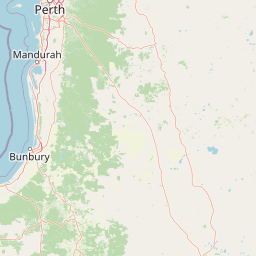
Map view of Wiltshire-Butler National Park

Use this park location map to pinpoint Wiltshire-Butler National Park in Australia, understand its exact geographic position, and read its mapped placement within the surrounding landscape more clearly.

Pigeon | © OpenStreetMap contributors

Location context for Wiltshire-Butler National Park

South West
Park atlas

Trace the regional spread of protected jarrah forest landscapes and adjacent conservation areas.

Explore National Parks and Protected Areas Near Wiltshire-Butler National Park in Western Australia
Explore national parks and protected areas near Wiltshire-Butler National Park, including the adjacent Blackwood River National Park and other conservation sites within Western Australia's South West region. Compare these protected landscapes, trace shared ecological features of the Jarrah Forest bioregion, and map their broader regional context.
National parkWestern Australia

Easter National Park: Protected Jarrah Forest Landscape Atlas

Explore its mapped terrain and regional geography.

Easter National Park serves as a protected national park in Western Australia, preserving crucial jarrah forest ecosystems within the Warren bioregion. As part of the Southwest Australia biodiversity hotspot, it contributes to a contiguous block of protected land safeguarding the region's distinctive woodland and forest communities. Users can explore its mapped boundaries and understand its role within the broader South West Australian geography, offering a detailed look at a representative forest reserve.

Area
29.85 km²
Established
2004
IUCN
II
National parkWestern Australia

Wooditjup National Park: Protected Forest Landscape and Regional Geographic Context

Explore mapped boundaries of this Western Australia national park.

Wooditjup National Park stands as a testament to Western Australia's unique forest ecosystems, specifically within the Jarrah Forest bioregion. This protected area offers a distinct natural landscape contrasting with the nearby coastal attractions of Margaret River. Delve into the park's mapped geography, understand its role as a national park, and appreciate its position within the broader South West Australian landscape and its traditional Wardandi Country heritage.

Area
38.92 km²
Established
2004
IUCN
II
National parkSouth West

Yelverton National Park: South West Australia's Biodiversity Conservation Area

Mapped protected lands and regional landscape context.

Yelverton National Park offers a focused look at a protected area in Western Australia's South West, distinguished by its commitment to rare species and varied vegetation. Established from former timber reserve lands, it serves as a crucial habitat refuge. The park's geography exemplifies the ecological richness of the South-West Australian forest region, providing valuable context for understanding protected landscape distribution and conservation efforts within the mapped terrain.

Area
7.29 km²
Established
2004
IUCN
II
National parkWestern Australia

Warren National Park: A Protected Landscape of Ancient Karri Forests in Western Australia

Explore mapped forest boundaries and river geography.

Warren National Park offers an unparalleled glimpse into the grandeur of old-growth karri forests, showcasing some of Western Australia's most towering trees. Situated in the South West region, this national park protects a vital tract of temperate forest ecosystem, characterized by rolling terrain and the scenic Warren River. Its mapped landscape and protected-area status highlight the critical importance of preserving these magnificent natural environments for atlas-based geographic discovery.

Area
29.81 km²
Established
1977
IUCN
II
National parkWestern Australia

Wellington National Park: Protected Jarrah Forest & Collie River Landscape

Explore the mapped boundaries and regional geography.

Wellington National Park offers a deep dive into Western Australia's protected landscapes, characterized by extensive old-growth jarrah forests and the scenic Collie River valley. This national park provides a vital study of the region's unique geography, mapped terrain, and ecological significance within the Yilgarn craton. Understand the park's protected area identity and its place in the wider natural context of Western Australia through its detailed landscape features.

Area
170 km²
Established
2000
IUCN
II
National parkSouth West

Jane National Park: Old-Growth Forest Protected Landscape and Regional Geography

Mapped terrain and ancient ecosystems of Western Australia.

Jane National Park stands as a vital protected area safeguarding some of Western Australia's last remaining old-growth forests. Located in the South West region, this national park preserves centuries-old karri trees and rich forest ecosystems within the Warren bioregion. Its mapped expanse offers insights into the region's natural terrain and the importance of conserving these rare, undisturbed landscapes for future exploration and understanding.

Area
68.63 km²
Established
2004
IUCN
II
National parkWestern Australia

Lake Muir National Park: A Ramsar-Listed Wetland National Park in Western Australia

Explore mapped boundaries and the unique paperbark woodland landscapes.

Lake Muir National Park protects a significant portion of the Muir-Byenup System, a Ramsar-designated wetland complex in Western Australia's south-west. This national park serves as a vital habitat for waterbirds and features characteristic paperbark woodlands surrounding the large inland Lake Muir. Understanding its protected area status and mapped geographic features provides crucial insight into the region's ecological importance.

Area
96.36 km²
Established
2004
IUCN
II
National parkWestern Australia

Mount Frankland National Park: Explore Western Australia's Old-Growth Forested Landscape

Granite peaks and unique regional geography within a protected wilderness area.

Mount Frankland National Park in Western Australia is a protected area renowned for its exceptional old-growth karri and red tingle forests, some of the world's tallest tree species. The park's landscape is shaped by low granite hills and dramatic peaks, including the 411-meter Mount Frankland, offering expansive views across the wilderness. As a key component of the Walpole Wilderness Area, this national park provides a rich geographical context for understanding conservation and mapped natural landscapes in Southwest Australia.

Area
373.59 km²
Established
1988
IUCN
II

Common questions about visiting, size, designation, and location context for Wiltshire-Butler National Park

Wiltshire-Butler National Park FAQs for park facts, access, geography, and protected area context
Find quick answers about Wiltshire-Butler National Park, including protected-area facts, park geography, trail and visitor context, and how the park fits into its surrounding country and regional landscape.
MoriAtlas Explorer

Continue Your Protected Areas Search Across the Global Atlas

Deepen your exploration by continuing the structured search for national parks and protected areas worldwide. Utilize the comprehensive filtering capabilities to compare different conservation landscapes and refine your understanding of global park geography. Discover more about the distribution and characteristics of protected natural areas.

Global natural geography