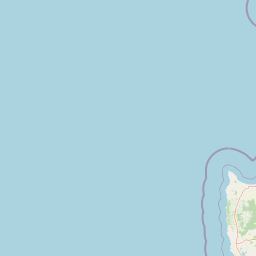
Why Wooditjup National Park stands out
Wooditjup National Park is best known for its protected forest landscapes within the Jarrah Forest bioregion, representing a significant example of southwestern Australia's distinctive woodland and forest ecosystems. The park's proximity to Margaret River makes it a notable green space near one of Western Australia's most celebrated regional destinations. Its renaming in 2018 to reflect the Wardandi traditional owners also represents an important recognition of Aboriginal connection to Country within the protected area system.
Wooditjup National Park history and protected-area timeline
Wooditjup National Park was established on December 8, 2004, when the Parliament of Western Australia proclaimed the park as a Class A reserve (Reserve No. 47956) covering 3,892 hectares. This creation formed part of a significant expansion of the state's national park system, with 19 national parks being proclaimed on that same day. The park was originally named Bramley National Park, presumably after a local geographic feature or historical figure. In 2018, the park was formally renamed Wooditjup National Park, with the new name derived from the traditional Wardandi language, honoring the Aboriginal people who have maintained cultural connection to this country for generations. This renaming represented a recognition of the park's traditional owners and an alignment with broader cultural heritage practices in Australian protected area management.
Wooditjup National Park landscape and geographic character
The park is situated within the Jarrah Forest and Warren bioregions of southwestern Australia, characterized by rolling terrain interspersed with lateritic uplands and valley systems. The landscape supports open jarrah-marri woodland as the dominant forest type, with diverse understory vegetation including shrubs, herbs, and grass species typical of the Mediterranean-climate southwest. The terrain provides a mix of gentle slopes and more elevated ridges, with soils derived from laterite and granite parent materials that influence the vegetation patterns across the park. This forest landscape differs markedly from the coastal dunes and beaches that Margaret River is famous for, offering an inland natural environment that forms part of the broader South West landscape mosaic.
Wooditjup National Park ecosystems, habitats, and plant life
Wooditjup National Park protects representative examples of the Jarrah Forest ecosystem, one of the most distinctive vegetation formations in southern Australia. The forest is dominated by jarrah (Eucalyptus marginata) and marri (Corymbia calophylla) trees forming an open woodland to forest structure. The understory contains a diverse array of plant species including various acacias, grevilleas, and numerous endemic shrubs adapted to the nutrient-poor soils of the region. The Warren bioregion component adds further ecological diversity, with its相对湿润的环境 supporting different vegetation associations. The park contributes to the conservation of biodiversity within a region recognized as one of Australia's biodiversity hotspots, protecting habitats for numerous plant and animal species.
Wooditjup National Park wildlife and species highlights
The jarrah forest environment of Wooditjup National Park supports a range of wildlife typical of southwestern Australian forests. Bird species including various honeyeaters, parrots, and cockatoos inhabit the woodland canopies, while reptiles and small mammals occupy the ground layer and hollows within aging trees. The forest structure, with its mix of mature trees providing hollows and fallen timber offering shelter, supports biodiversity within a region noted for its high degree of endemism. While specific species lists would require detailed survey data, the park's protected status ensures the maintenance of ecological processes and habitat for forest-dependent fauna.
Wooditjup National Park conservation status and protection priorities
Wooditjup National Park contributes to the conservation of southwestern Australia's distinctive bioregions, representing protected examples of the jarrah forest and associated woodland ecosystems. As a Class A reserve, the park receives the highest level of formal protection under Western Australian law. The park forms part of a network of protected areas in the South West that collectively protect significant biodiversity within one of Australia's recognized biodiversity hotspots. The 2018 renaming to incorporate the Wardandi traditional owner name also reflects evolving conservation governance approaches that recognize Aboriginal cultural values as integral to protected area management.
Wooditjup National Park cultural meaning and human context
Wooditjup National Park acknowledges the traditional owners, the Wardandi people, whose connection to this landscape predates European settlement by thousands of years. The renaming from Bramley National Park to Wooditjup in 2018 represents an acknowledgment of this ongoing Aboriginal connection to Country. The Wardandi people are the traditional custodians of the Margaret River region and broader South West lands, with cultural associations that include significant sites, resources, and traditional practices tied to the landscape. This recognition aligns with broader trends in Australian national park management toward incorporating Aboriginal cultural heritage and traditional owner engagement.
Top sights and standout views in Wooditjup National Park
The park offers protected forest landscapes within the Jarrah Forest bioregion, providing a contrasting natural environment to the coastal attractions of nearby Margaret River. As a relatively young national park established in 2004, it represents a contemporary addition to Western Australia's conservation estate. The park's 2018 renaming to reflect Wardandi traditional ownership marks an important recognition of Aboriginal cultural heritage. The combination of forest ecosystems, proximity to a major tourist destination, and traditional owner recognition makes this park a distinctive protected area within the South West region.
Best time to visit Wooditjup National Park
Wooditjup National Park can be visited year-round, though the austral spring and autumn seasons (September to November and March to May) typically offer comfortable temperatures for forest exploration. Summer months in the South West can be warm and dry, while winter brings cooler conditions and occasional rainfall that may affect track conditions. The park's forest environment provides different experiences across seasons, with wildflower displays in spring adding color to the understory. Visitors planning trips should check current conditions and any access restrictions with the managing authority.