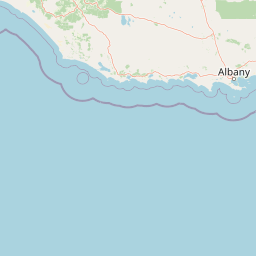
Why Jane National Park stands out
Jane National Park is best known for its extensive old-growth forest ecosystems, which are increasingly rare in the South West of Western Australia. The park protects mature stands of karri and other native tree species that have developed over centuries without significant disturbance. Its location along the Bibbulmun Track also makes it notable among hikers seeking to experience remote forest environments in this region.
Jane National Park history and protected-area timeline
Jane National Park was formally established on 8 December 2004 through an act of parliament, becoming Class A reserve No. 47666 with an area of 6,863 hectares. The park was created as part of a significant expansion of Western Australia's protected area network that day, when 19 new national parks were proclaimed across the state. The land itself has a longer history of recognition, having been named in 1946 by Pemberton forester-in-charge John D'Espessis after his daughter Jane. Originally referred to as Jane Forrest, the name was later simplified to Jane National Park. The park is situated on land of significant cultural importance, with the Bibbulman people recognized as the traditional owners of the area.
Jane National Park landscape and geographic character
The park is characterized by extensive old-growth forest that dominates the landscape across its 6,863-hectare extent. The terrain within the Warren bioregion features typical South West forest topography, with the vegetation consisting predominantly of native jarrah, karri, and other endemic tree species that have been largely untouched by clearing or intensive logging. The forest understory contains diverse plant species adapted to the moist, mild climate of this region. The landscape is gently undulating, typical of the South West plateau, with no significant peaks or dramatic landforms. The density of the forest cover creates a distinctive character that distinguishes this area from the more open landscapes found in other parts of Western Australia.
Jane National Park ecosystems, habitats, and plant life
Jane National Park protects representative examples of the Warren bioregion's characteristic forest ecosystems, which are recognized as one of Australia's biodiversity hotspots. The old-growth forests within the park contain mature trees that provide critical habitat for a range of dependent species. The moist forest environment supports diverse understory vegetation, including ferns, mosses, and other moisture-loving plants that thrive in the shaded conditions beneath the canopy. These forests represent ecological communities that have developed over very long timeframes, with structural complexity that supports intricate ecological relationships between flora and fauna. The park contributes to the conservation of biodiversity in a region where extensive land clearing has significantly reduced the extent of intact forest ecosystems.
Jane National Park wildlife and species highlights
The old-growth forests of Jane National Park provide crucial habitat for numerous forest-dwelling species. The mature trees offer nesting sites for birds and hollow-dependent mammals, while the dense understory supports ground-dwelling fauna. The moist forest environment is particularly important for species adapted to the temperate conditions of the South West. While specific species details are limited in available sources, the park's forest habitats would support populations of arboreal mammals, ground-dwelling marsupials, and diverse bird species typical of South West forests. The presence of the Bibbulmun Track through the park indicates that the area is considered suitable for extended wildlife observation by those hiking the trail.
Jane National Park conservation status and protection priorities
The establishment of Jane National Park reflects the conservation importance of protecting old-growth forest in the South West of Western Australia. As a Class A reserve, the park receives the highest level of statutory protection available under Western Australian law. The old-growth forests within the park represent some of the last remaining unmodified forest in the region, a landscape that has been extensively cleared for agriculture and timber production. Protecting these areas helps maintain ecological processes, genetic diversity, and habitat for species that depend on mature forest structures. The park forms part of a broader conservation network that includes adjacent Shannon National Park, creating a larger contiguous area of protected forest that supports ecological connectivity and resilience.
Jane National Park cultural meaning and human context
Jane National Park is situated on land of significant cultural heritage, with the Bibbulman people recognized as the traditional owners of the area. The Bibbulman are an Aboriginal community whose connections to the South West region of Western Australia extend back many thousands of years. The park's naming after John D'Espessis's daughter in 1946 reflects European naming conventions, but the land itself has much older Indigenous associations. The presence of the Bibbulmun Track, which takes its name from the Bibbulman people, passing through the park further emphasizes the cultural significance of this landscape. Understanding the park requires acknowledging both its recent establishment as a protected area and the long Indigenous history of connection to this land.
Top sights and standout views in Jane National Park
Jane National Park's primary highlight is its extensive old-growth forest, representing some of the last unmodified forest remaining in the South West of Western Australia. The park offers visitors the opportunity to experience remote forest environments along the Bibbulmun Track, which provides the main access through the park's forested landscapes. The lack of developed facilities contributes to a wilderness character that appeals to those seeking a more backcountry experience. The park's proximity to Shannon National Park allows visitors to combine exploration of multiple forest reserves in the region. The old-growth trees, some of which are centuries old, provide a visual testament to the ecological heritage that this protected area preserves.
Best time to visit Jane National Park
The optimal time to visit Jane National Park is during the warmer months, typically from late spring through summer, when weather conditions are most favorable for bushwalking along the Bibbulmun Track. The South West of Western Australia experiences a Mediterranean climate, with wet winters and dry summers that influence visitor access and comfort. Summer months generally offer clearer skies and more consistent conditions for exploring the park's forest trails. However, visitors should be aware that the park has no facilities, so self-sufficiency is essential regardless of when they visit. The spring months can offer particularly rewarding conditions, with wildflowers adding color to the forest understory.