

Mori Atlas logo
National parkEaster National Park

Discover the geographic context and woodland terrain of this key national park.

Easter National Park: Mapped Protected Landscape in Western Australia's Jarrah Forest

Easter National Park represents a significant protected area within the South West region of Western Australia, safeguarding characteristic jarrah forest ecosystems. Established in 2004, this national park spans 2,985 hectares of rolling terrain, contributing to a vital cluster of protected lands adjacent to larger reserves. Its location within the Warren bioregion places it at the heart of the Southwest Australia biodiversity hotspot, an area globally recognized for its exceptional plant endemism and ecological richness. Explore the mapped boundaries and landscape context of Easter National Park.

national parkjarrah forestWestern AustraliaSouth West Australiaprotected areawoodland

Easter National Park

National park

Park overview

Structured park overview, official facts, and landscape profile for Easter National Park

Easter National Park park facts, protected area profile, and essential visitor context
Review the core facts for Easter National Park, including designation, size, terrain, visitor scale, habitats, and operating context in one park-focused overview.

About Easter National Park

Easter National Park represents a meaningful addition to Western Australia's network of national parks, created in 2004 as part of a coordinated conservation initiative. The park is located in the South West region, an area celebrated for its Mediterranean climate, diverse native vegetation, and high conservation significance. It forms part of a cluster of national parks including the much larger Hilliger and Milyeannup reserves, which together protect extensive tracts of the jarrah forest that once covered much of this part of Western Australia. The park's position within the Jarrah Forest and Warren bioregions places it in landscapes characterized by undulating terrain, lateritic soils, and woodland dominated by jarrah (Eucalyptus marginata) and wandoo (Eucalyptus wandoo). The Southwest Australia biodiversity hotspot, which encompasses this area, is recognized internationally for its exceptional plant diversity and high degree of endemism, making protected areas like Easter National Park important for preserving unique ecological communities.

Quick facts and research context for Easter National Park

Easter National Park occupies 2,985 hectares (7,380 acres) in the South West of Western Australia. The park was established on 8 December 2004 through legislation passed by the Parliament of Western Australia, becoming one of 19 national parks proclaimed in the state that day. It was created as a Class A reserve (No. 47877) and is administered by the Department of Biodiversity, Conservation and Attractions. The park lies east of the Vasse Highway, adjacent to the Hilliger and Milyeannup national parks, within an area recognized for its forest conservation value.

Park context

Deeper park guide and search-rich context for Easter National Park

Easter National Park history, landscape, wildlife, and travel context
Explore Easter National Park through its history, landscape character, ecosystems, wildlife, conservation priorities, cultural context, and seasonal travel timing in a structured park guide built for atlas discovery and search intent.

Why Easter National Park stands out

Easter National Park is best known for its protection of jarrah forest ecosystems in the Southwest Australia biodiversity hotspot. The park preserves representative examples of jarrah and wandoo woodland environments within the Warren bioregion, an area characterized by rolling terrain and forested landscapes. While not as large as its neighboring Hilliger and Milyeannup parks, Easter National Park contributes to a contiguous block of protected forest that supports the ecological integrity of the South West region's distinctive woodland and forest communities.

Easter National Park history and protected-area timeline

Easter National Park was established on 8 December 2004 when the Parliament of Western Australia proclaimed it as a national park through legislative action. This creation was part of a significant expansion of Western Australia's protected area network on that date, with 19 national parks being declared across the state. The park was designated as Class A reserve No. 47877, representing the highest level of protection under Western Australian land tenure. The establishment reflected ongoing efforts to preserve representative examples of the state's diverse ecosystems, with particular attention to the forest environments of the South West region. The park's administration falls to the Department of Biodiversity, Conservation and Attractions, the state agency responsible for managing Western Australia's national parks and other protected areas.

Easter National Park landscape and geographic character

The landscape of Easter National Park reflects the characteristic terrain of the Warren bioregion in South West Western Australia. The area features undulating hills and ridges typical of the jarrah forest landscape, with elevations varying across the park's extent. The underlying geology consists largely of laterite and sedimentary materials that support the forested ecosystems. Woodland and open forest dominated by jarrah and wandoo trees characterizes the vegetation structure across most of the park. The terrain provides a scenic quality typical of the South West's forested landscapes, though the park remains relatively lesser known compared to its larger adjacent neighbours.

Easter National Park ecosystems, habitats, and plant life

The nature of Easter National Park is defined by its location within the Jarrah Forest and Warren bioregions, two of Western Australia's most ecologically significant forest regions. The jarrah forest ecosystem is characterized by open woodland and forest dominated by jarrah, with wandoo occurring in lower-lying areas and valleys. This ecosystem supports a diverse understory of shrubs, herbs, and grasses adapted to the region's Mediterranean climate with wet winters and dry summers. The Southwest Australia biodiversity hotspot, which encompasses this area, is recognized globally for its extraordinary plant diversity, with many species found nowhere else on Earth. Protected areas like Easter National Park play a role in maintaining representative examples of these unique ecosystems.

Easter National Park conservation status and protection priorities

Easter National Park contributes to conservation of the jarrah forest ecosystem within the Southwest Australia biodiversity hotspot, one of the world's 36 recognized biodiversity hotspots. The park protects woodland and forest communities that represent the characteristic vegetation of the Warren bioregion. The broader cluster of protected areas including Hilliger and Milyeannup national parks forms an important conservation network preserving large areas of jarrah forest in the South West region. These protected areas collectively support the maintenance of ecological processes, genetic diversity, and habitat for native species across the forested landscapes of Western Australia's South West.

Top sights and standout views in Easter National Park

Easter National Park provides protected habitat within the jarrah forest ecosystem of South West Western Australia. The park forms part of a interconnected group of national parks that preserve extensive forested landscapes in the region. Its location within the Southwest Australia biodiversity hotspot places it in one of the world's most important areas for plant endemism. The park offers access to typical jarrah and wandoo woodland environments, though it remains less visited than some neighboring reserves.
Park location guide

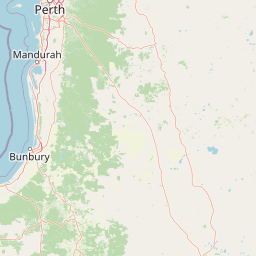
Geography guide, regional context, and park location map for Easter National Park

Easter National Park park geography, regions, and map view in Australia
Understand where Easter National Park sits in Australia through a broader geographic reading of the surrounding landscape, nearby location context, and its mapped position within the national park landscape.

How Easter National Park fits into Australia

Australia is a constitutional monarchy and federal parliamentary democracy comprising six states and ten territories. With a population of nearly 28 million, it is one of the world's most urbanised countries, with most people concentrated on the eastern seaboard. The country has a high Human Development Index and is known for its cultural diversity, ancient Aboriginal heritage, and unique wildlife.

Wider geography shaping Easter National Park in Australia

Australia occupies the entire Australian continent, the island of Tasmania, and numerous smaller islands. It is the world's flattest and driest inhabited continent, featuring vast deserts in the interior (the Outback), tropical rainforests along the eastern coast, and a coastline bordering the Indian and Pacific Oceans.

Map view of Easter National Park

Use this park location map to pinpoint Easter National Park in Australia, understand its exact geographic position, and read its mapped placement within the surrounding landscape more clearly.

Pigeon | © OpenStreetMap contributors

Location context for Easter National Park

Western Australia
Park atlas

Trace the Mapped Geography and Connected Protected Landscapes Surrounding Easter National Park within Western Australia's South West Region

Explore Nearby National Parks and Protected Areas Beyond Easter National Park in Western Australia
Continue your exploration from Easter National Park by browsing other national parks and protected areas situated within Western Australia's South West bioregions. Compare their distinct jarrah forest ecosystems, mapped terrain features, and contributions to the broader Southwest Australia biodiversity hotspot.
National park

Hilliger National Park: Western Australian Protected Jarrah Forest and Memorial Landscape

Mapped boundaries of a vital national park in the South West region.

Hilliger National Park stands as a testament to forest conservation in Western Australia's South West. This 16,962-hectare national park, established in 2004, protects representative old-growth jarrah forest ecosystems and honors a significant firefighting legacy. Explore its terrain and its geographic placement within a broader network of protected lands, offering a concrete example of conservation strategy in the region. The park's mapped area contributes valuable data to the understanding of regional natural landscapes.

Area
169.62 km²
Established
2004
Climate
Temperate
Scope
Terrestrial
National parkAustralia

Milyeannup National Park: Explore its Protected Landscape and Geographic Atlas Context

Discover the mapped terrain and boundaries of this Australian national park.

Milyeannup National Park offers a unique focus for atlas-based geographic exploration. This entry details the park's identity as a protected area, highlighting its landscape context and mapped geographic features within Australia. Use this resource to understand its role in the national park system and its specific place within the broader landscape.

Area
186.92 km²
Established
2004
Scope
Terrestrial
Forest
Mostly forested
National parkWestern Australia

Greater Beedelup National Park: Western Australia's National Park Landscape

Discover Protected Areas and Regional Geography

Explore Greater Beedelup National Park, a key protected landscape within Western Australia. This national park offers a focus for understanding mapped natural features and the regional distribution of conservation areas. It serves as a vital point for atlas-based discovery, providing structured insights into the park's geographic setting and its identity as a protected natural area.

Area
17.83 km²
Established
1915
IUCN
II
Relief
Upland
National park

Dalgarup National Park: Protected Forest Landscape and Regional Geographic Context in Western Australia

Mapped boundaries of protected areas within the Jarrah Forest bioregion.

Dalgarup National Park serves as a crucial protected area, safeguarding the characteristic jarrah-marri forest ecosystems of southwestern Australia. Located within the Jarrah Forest and Warren bioregions, its terrain reflects the undulating topography and Mediterranean climate prevalent in the South West land division. This national park offers a unique opportunity to explore mapped natural landscapes and understand the conservation efforts within a region historically shaped by forest ecology and development.

Area
23.77 km²
Established
2004
Scope
Terrestrial
Water
Minor water
National park

Wiltshire-Butler National Park: Mapped Jarrah Forest Landscape in Western Australia

Explore protected boundaries and regional geographic context

Wiltshire-Butler National Park stands as a protected natural area celebrated for its representation of Western Australia's iconic jarrah forest ecosystems. This National Park, created in 2004, offers rich opportunities for atlas-based discovery, focusing on its distinct landscape character, mapped park boundaries, and its geographical placement within the broader South West region. Understanding its terrain and conservation significance provides valuable insight into the protected lands of the Jarrah Forest bioregion.

Area
116.45 km²
Established
2004
IUCN
II
Relief
Highland
National parkWestern Australia

Gloucester National Park: National Park in Western Australia's Geographic Landscape

Explore mapped boundaries and protected land context.

Gloucester National Park stands as a significant protected area within the vast geographic expanse of Western Australia. This entry focuses on its identity as a national park, detailing its mapped landscape features and regional context. Understanding Gloucester National Park involves appreciating its specific geographic setting and its contribution to the atlas of protected natural areas in Australia, providing foundational data for landscape exploration.

Area
8.78 km²
Established
1993
IUCN
II
Access
Moderate access
National parkWestern Australia

Warren National Park: A Protected Landscape of Ancient Karri Forests in Western Australia

Explore mapped forest boundaries and river geography.

Warren National Park offers an unparalleled glimpse into the grandeur of old-growth karri forests, showcasing some of Western Australia's most towering trees. Situated in the South West region, this national park protects a vital tract of temperate forest ecosystem, characterized by rolling terrain and the scenic Warren River. Its mapped landscape and protected-area status highlight the critical importance of preserving these magnificent natural environments for atlas-based geographic discovery.

Area
29.81 km²
Established
1977
IUCN
II
Scope
Terrestrial
National parkWestern Australia

Blackwood River National Park: Protected Area in Western Australia's Geography

Explore mapped boundaries and natural terrain.

Blackwood River National Park is a key protected area within the vast geographic expanse of Western Australia. This park's designation as a national park underscores its importance for conservation and landscape preservation. Users can explore its precisely mapped boundaries to understand its footprint and its contribution to the regional natural landscape context, offering a grounded perspective on protected lands within Australia.

Area
204.75 km²
Established
2004
IUCN
II
Relief
Upland

Common questions about visiting, size, designation, and location context for Easter National Park

Easter National Park FAQs for park facts, access, geography, and protected area context
Find quick answers about Easter National Park, including protected-area facts, park geography, trail and visitor context, and how the park fits into its surrounding country and regional landscape.
MoriAtlas Explorer

Continue Your Protected Areas Search Across the Global Atlas

Deepen your exploration by continuing the structured search for national parks and protected areas worldwide. Utilize the comprehensive filtering capabilities to compare different conservation landscapes and refine your understanding of global park geography. Discover more about the distribution and characteristics of protected natural areas.

Global natural geography