

Mori Atlas logo
National parkWarren National Park

Explore the mapped boundaries and geographic context of this national park in Western Australia.

Warren National Park: Discover Australia's Towering Karri Forest Protected Landscape

Warren National Park stands as a significant protected landscape within Western Australia, celebrated for its magnificent old-growth karri forests that boast some of the tallest trees in the nation. This national park, situated in the South West region, invites exploration of its unique ecosystems, including the winding Warren River and diverse forest floor terrain. Understanding its geographic placement and mapped boundaries offers crucial insight into the preservation of this iconic Australian forest heritage.

karri forestold-growth foresttall treesWestern Australiariver ecosystemsSouth West Australia

Warren National Park

National park

Park overview

Structured park overview, official facts, and landscape profile for Warren National Park

Warren National Park park facts, protected area profile, and essential visitor context
Review the core facts for Warren National Park, including designation, size, terrain, visitor scale, habitats, and operating context in one park-focused overview.

About Warren National Park

Warren National Park protects one of the most significant tracts of old-growth karri forest remaining in Western Australia. The karri tree, Eucalyptus diversicolor, is one of the world's tallest flowering trees and forms the backbone of the park's ecological character. The forest here has been shaped by thousands of years of natural processes, with some trees reaching ages measured in centuries. The park's establishment in 1977 recognized the importance of preserving these ancient forests against the pressures of timber harvesting and land conversion that had affected much of the surrounding region. The Warren River, which flows through the park from east to west, provides a vital watercourse that supports riparian ecosystems and offers recreational fishing opportunities for trout and native freshwater crayfish known as marron. The park's position within the South West Australian biodiversity hotspot underscores its significance for conservation, as this region contains many endemic species found nowhere else on Earth.

Quick facts and research context for Warren National Park

Warren National Park covers 2,981 hectares in the South West of Western Australia. The park is classified as an IUCN Category II protected area and is managed by the Department of Parks and Wildlife. The dominant vegetation is old-growth karri forest, a distinctive tall eucalyptus species endemic to the region. The Warren River flows through the park, providing habitat for recreational fishing of trout and native marron. The park features several historic fire lookout trees constructed during the 1930s and 1940s.

Park context

Deeper park guide and search-rich context for Warren National Park

Warren National Park history, landscape, wildlife, and travel context
Explore Warren National Park through its history, landscape character, ecosystems, wildlife, conservation priorities, cultural context, and seasonal travel timing in a structured park guide built for atlas discovery and search intent.

Why Warren National Park stands out

Warren National Park is best known for its impressive old-growth karri forests, which represent some of the most magnificent examples of this tree species in Australia. The park contains the Dave Evans Bicentennial Tree, a 65-meter tall karri that visitors can climb, offering panoramic views of the surrounding forest canopy. This climbable tree is one of three similar structures around Pemberton that have become iconic attractions for visitors seeking a unique perspective on the karri forest environment. The combination of towering ancient trees, the scenic Warren River, and the ability to experience the forest from elevated viewpoints makes this park particularly distinctive.

Warren National Park history and protected-area timeline

Warren National Park was established in 1977 as part of a broader movement to protect Western Australia's remaining old-growth forests. Prior to formal protection, the karri forests of this region had been subject to logging operations that removed many of the largest and oldest trees. The establishment of the park ensured that a representative sample of this forest type would be preserved for future generations. The park's cultural history includes the use of tall karri trees as fire lookout stations during the 1930s and 1940s, when forest management relied on human observers stationed in the canopy to spot bushfires across the landscape. The Dave Evans Bicentennial Tree was pegged in 1988 as part of Australia's bicentennial celebrations, creating a visitor attraction that allows people to climb inside the tree to experience the forest from within its canopy.

Warren National Park landscape and geographic character

The landscape of Warren National Park is characterized by towering karri forests that create a cathedral-like environment beneath their canopy. The terrain is gently undulating, typical of the South West region's ancient landscape. The Warren River flows through the park, cutting through the forest and creating riparian corridors lined with different vegetation including bull banksia and other species adapted to periodic flooding. Numerous smaller creeks and drainage lines cross the park, carrying seasonal flows that contribute to the overall hydrological character. The forest floor varies from relatively open areas where the karri canopy dominates to denser understory sections where species such as zamia palms and various acacias create a more layered vegetation structure.

Warren National Park ecosystems, habitats, and plant life

The karri forest of Warren National Park represents one of the most distinctive forest types in Australia. These trees can grow to heights exceeding 70 meters, making them among the tallest flowering trees in the world. The forest ecosystem supports a diverse understory that varies in response to soil depth, moisture availability, and canopy openness. The park's location within the Southwest Australia biodiversity hotspot means it supports numerous species found nowhere else on the planet, though the specific species composition would reflect the temperate forest character of this bioregion.

Warren National Park wildlife and species highlights

The karri forests of Warren National Park support a variety of wildlife adapted to this tall forest environment. Bird species likely present include various parrots, honeyeaters, and cockatoos that utilize the forest for feeding and nesting. The Warren River provides habitat for freshwater fish including trout, which have been introduced to local waterways, as well as native freshwater crayfish known as marron. The old-growth trees, with their hollows and decaying wood, provide important habitat for arboreal mammals and hollow-nesting birds.

Warren National Park conservation status and protection priorities

Warren National Park plays a crucial role in conserving Western Australia's old-growth karri forest ecosystem. As one of the relatively few protected areas preserving this forest type, the park contributes to maintaining genetic diversity and ecological processes that have shaped these forests over millennia. The protection of the Warren River and its associated riparian ecosystems adds another dimension of conservation value, preserving aquatic habitats and the species that depend on them. The park's inclusion in the national park system reflects recognition that these forests have significant conservation value that extends beyond their timber production potential.

Warren National Park cultural meaning and human context

The name Warren derives from the Warren River that flows through the park, which itself was named after early European explorers or settlers in the region. The Pemberton area has a history of human settlement that includes both Indigenous occupation and more recent European development. The use of karri trees as fire lookouts during the mid-twentieth century represents a period when forest management relied on direct observation from elevated positions within the forest canopy. The development of climbable trees as tourist attractions reflects a more recent cultural shift toward using forests for recreation and environmental education.

Top sights and standout views in Warren National Park

The Dave Evans Bicentennial Tree stands as the park's signature attraction, allowing visitors to ascend inside the hollow trunk of a massive karri tree to reach viewing platforms near the canopy. The Warren River provides scenic value and recreational fishing opportunities for both trout and native marron. The network of walking tracks allows visitors to experience the forest environment at ground level, passing beneath towering karri trees and through varied forest habitats. The historic fire lookout tree structures, while no longer functional, provide visible reminders of earlier approaches to forest management.

Best time to visit Warren National Park

The South West region of Western Australia experiences a Mediterranean climate with cool, wet winters and warm, dry summers. The karri forest is perhaps most visually impressive during autumn and winter when rainfall replenishes the landscape and the forest takes on a more lush appearance. Summer months offer warmer conditions suitable for walking and outdoor activities, though the forest environment can be dry. The best time to visit likely depends on whether visitors prefer the lush green forest of the cooler months or the more open, accessible conditions of summer.
Park location guide

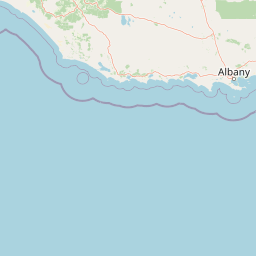
Geography guide, regional context, and park location map for Warren National Park

Warren National Park park geography, regions, and map view in Australia
Understand where Warren National Park sits in Australia through a broader geographic reading of the surrounding landscape, nearby location context, and its mapped position within the national park landscape.

How Warren National Park fits into Australia

Australia is a constitutional monarchy and federal parliamentary democracy comprising six states and ten territories. With a population of nearly 28 million, it is one of the world's most urbanised countries, with most people concentrated on the eastern seaboard. The country has a high Human Development Index and is known for its cultural diversity, ancient Aboriginal heritage, and unique wildlife.

Wider geography shaping Warren National Park in Australia

Australia occupies the entire Australian continent, the island of Tasmania, and numerous smaller islands. It is the world's flattest and driest inhabited continent, featuring vast deserts in the interior (the Outback), tropical rainforests along the eastern coast, and a coastline bordering the Indian and Pacific Oceans.

Map view of Warren National Park

Use this park location map to pinpoint Warren National Park in Australia, understand its exact geographic position, and read its mapped placement within the surrounding landscape more clearly.

Pigeon | © OpenStreetMap contributors

Location context for Warren National Park

Western Australia
Park atlas

Browse the regional spread of protected karri forests and river ecosystems, tracing the geographic context of Western Australia's South West.

Uncover Nearby National Parks and Protected Areas, Expanding Beyond Warren National Park's Karri Forests
Browse additional national parks and protected areas near Warren National Park, revealing more of the unique karri forests and river ecosystems in Western Australia. Compare regional protected landscapes to understand the broader conservation efforts and distinct geographic features found across the South West Australian terrain.
National parkSouth West

Jane National Park: Old-Growth Forest Protected Landscape and Regional Geography

Mapped terrain and ancient ecosystems of Western Australia.

Jane National Park stands as a vital protected area safeguarding some of Western Australia's last remaining old-growth forests. Located in the South West region, this national park preserves centuries-old karri trees and rich forest ecosystems within the Warren bioregion. Its mapped expanse offers insights into the region's natural terrain and the importance of conserving these rare, undisturbed landscapes for future exploration and understanding.

Area
68.63 km²
Established
2004
IUCN
II
National parkWestern Australia

Easter National Park: Protected Jarrah Forest Landscape Atlas

Explore its mapped terrain and regional geography.

Easter National Park serves as a protected national park in Western Australia, preserving crucial jarrah forest ecosystems within the Warren bioregion. As part of the Southwest Australia biodiversity hotspot, it contributes to a contiguous block of protected land safeguarding the region's distinctive woodland and forest communities. Users can explore its mapped boundaries and understand its role within the broader South West Australian geography, offering a detailed look at a representative forest reserve.

Area
29.85 km²
Established
2004
IUCN
II
National parkWestern Australia

Lake Muir National Park: A Ramsar-Listed Wetland National Park in Western Australia

Explore mapped boundaries and the unique paperbark woodland landscapes.

Lake Muir National Park protects a significant portion of the Muir-Byenup System, a Ramsar-designated wetland complex in Western Australia's south-west. This national park serves as a vital habitat for waterbirds and features characteristic paperbark woodlands surrounding the large inland Lake Muir. Understanding its protected area status and mapped geographic features provides crucial insight into the region's ecological importance.

Area
96.36 km²
Established
2004
IUCN
II
National parkSouth West

Wiltshire-Butler National Park: Protected Jarrah Forest Landscape in Western Australia

Mapping the protected area and its regional geographic context.

Wiltshire-Butler National Park is a designated National Park in Western Australia's South West region, established in 2004 to protect significant jarrah forest ecosystems. This Class A reserve offers a clear example of protected landscape conservation, with its mapped boundaries defining a vital area within the Jarrah Forest bioregion. Users exploring this park can understand its role in the regional geography and appreciate the characteristics of its temperate forest terrain, contributing to a broader atlas of natural heritage.

Area
116.45 km²
Established
2004
IUCN
II
Relief
Highland
National parkWestern Australia

Mount Frankland National Park: Explore Western Australia's Old-Growth Forested Landscape

Granite peaks and unique regional geography within a protected wilderness area.

Mount Frankland National Park in Western Australia is a protected area renowned for its exceptional old-growth karri and red tingle forests, some of the world's tallest tree species. The park's landscape is shaped by low granite hills and dramatic peaks, including the 411-meter Mount Frankland, offering expansive views across the wilderness. As a key component of the Walpole Wilderness Area, this national park provides a rich geographical context for understanding conservation and mapped natural landscapes in Southwest Australia.

Area
373.59 km²
Established
1988
IUCN
II
National parkWestern Australia

Wooditjup National Park: Protected Forest Landscape and Regional Geographic Context

Explore mapped boundaries of this Western Australia national park.

Wooditjup National Park stands as a testament to Western Australia's unique forest ecosystems, specifically within the Jarrah Forest bioregion. This protected area offers a distinct natural landscape contrasting with the nearby coastal attractions of Margaret River. Delve into the park's mapped geography, understand its role as a national park, and appreciate its position within the broader South West Australian landscape and its traditional Wardandi Country heritage.

Area
38.92 km²
Established
2004
IUCN
II
National parkSouth West

Yelverton National Park: South West Australia's Biodiversity Conservation Area

Mapped protected lands and regional landscape context.

Yelverton National Park offers a focused look at a protected area in Western Australia's South West, distinguished by its commitment to rare species and varied vegetation. Established from former timber reserve lands, it serves as a crucial habitat refuge. The park's geography exemplifies the ecological richness of the South-West Australian forest region, providing valuable context for understanding protected landscape distribution and conservation efforts within the mapped terrain.

Area
7.29 km²
Established
2004
IUCN
II
National parkWestern Australia

Wellington National Park: Protected Jarrah Forest & Collie River Landscape

Explore the mapped boundaries and regional geography.

Wellington National Park offers a deep dive into Western Australia's protected landscapes, characterized by extensive old-growth jarrah forests and the scenic Collie River valley. This national park provides a vital study of the region's unique geography, mapped terrain, and ecological significance within the Yilgarn craton. Understand the park's protected area identity and its place in the wider natural context of Western Australia through its detailed landscape features.

Area
170 km²
Established
2000
IUCN
II

Common questions about visiting, size, designation, and location context for Warren National Park

Warren National Park FAQs for park facts, access, geography, and protected area context
Find quick answers about Warren National Park, including protected-area facts, park geography, trail and visitor context, and how the park fits into its surrounding country and regional landscape.
MoriAtlas Explorer

Continue Your Protected Areas Search Across the Global Atlas

Deepen your exploration by continuing the structured search for national parks and protected areas worldwide. Utilize the comprehensive filtering capabilities to compare different conservation landscapes and refine your understanding of global park geography. Discover more about the distribution and characteristics of protected natural areas.

Global natural geography