

Mori Atlas logo
National parkWooditjup National Park

Atlas exploration of protected park boundaries and natural terrain in the Jarrah Forest bioregion.

Wooditjup National Park: Western Australia's Protected Forest Landscape and Regional Geography

Wooditjup National Park in Western Australia represents a significant protected forest ecosystem within the Jarrah Forest bioregion. Situated approximately 269 kilometers south of Perth, this National Park offers insights into the distinctive woodland and forest landscapes of southwestern Australia. Discover its mapped park boundaries, understand its place within the regional geography of Western Australia, and explore the unique terrain that defines this important conservation landscape.

National ParkWestern AustraliaJarrah ForestWardandi CountrySouth West AustraliaForest Reserve

Wooditjup National Park

National park

Park overview

Structured park overview, official facts, and landscape profile for Wooditjup National Park

Wooditjup National Park park facts, protected area profile, and essential visitor context
Review the core facts for Wooditjup National Park, including designation, size, terrain, visitor scale, habitats, and operating context in one park-focused overview.

About Wooditjup National Park

Wooditjup National Park is located in the South West land division of Western Australia, positioned immediately adjacent to the township of Margaret River within the Shire of Augusta-Margaret River. The park occupies a land area of 3,892 hectares and is situated within two recognized bioregions: the Jarrah Forest bioregion and the Warren bioregion, both of which characterize the southwestern Australian landscape with their mixed eucalyptus forests, woodland complexes, and diverse understory vegetation. The park's establishment in 2004 as a Class A reserve represented a significant addition to Western Australia's national park network, created through formal parliamentary proclamation. The decision to rename the park from Bramley National Park to Wooditjup in 2018 reflected a broader movement within Australian protected areas to acknowledge and incorporate Aboriginal place names and traditional owner recognition into the national park estate.

Quick facts and research context for Wooditjup National Park

Wooditjup National Park spans 3,892 hectares in the South West of Western Australia, located adjacent to the town of Margaret River in the Shire of Augusta-Margaret River. The park was established in December 2004 through parliamentary proclamation as one of 19 national parks created in Western Australia on that date. It is classified as a Class A reserve (No. 47956) and is administered by the Department of Biodiversity, Conservation and Attractions. The park lies within both the Jarrah Forest and Warren bioregions, representing the southwestern Australian forest and woodland environments.

Park context

Deeper park guide and search-rich context for Wooditjup National Park

Wooditjup National Park history, landscape, wildlife, and travel context
Explore Wooditjup National Park through its history, landscape character, ecosystems, wildlife, conservation priorities, cultural context, and seasonal travel timing in a structured park guide built for atlas discovery and search intent.

Why Wooditjup National Park stands out

Wooditjup National Park is best known for its protected forest landscapes within the Jarrah Forest bioregion, representing a significant example of southwestern Australia's distinctive woodland and forest ecosystems. The park's proximity to Margaret River makes it a notable green space near one of Western Australia's most celebrated regional destinations. Its renaming in 2018 to reflect the Wardandi traditional owners also represents an important recognition of Aboriginal connection to Country within the protected area system.

Wooditjup National Park history and protected-area timeline

Wooditjup National Park was established on December 8, 2004, when the Parliament of Western Australia proclaimed the park as a Class A reserve (Reserve No. 47956) covering 3,892 hectares. This creation formed part of a significant expansion of the state's national park system, with 19 national parks being proclaimed on that same day. The park was originally named Bramley National Park, presumably after a local geographic feature or historical figure. In 2018, the park was formally renamed Wooditjup National Park, with the new name derived from the traditional Wardandi language, honoring the Aboriginal people who have maintained cultural connection to this country for generations. This renaming represented a recognition of the park's traditional owners and an alignment with broader cultural heritage practices in Australian protected area management.

Wooditjup National Park landscape and geographic character

The park is situated within the Jarrah Forest and Warren bioregions of southwestern Australia, characterized by rolling terrain interspersed with lateritic uplands and valley systems. The landscape supports open jarrah-marri woodland as the dominant forest type, with diverse understory vegetation including shrubs, herbs, and grass species typical of the Mediterranean-climate southwest. The terrain provides a mix of gentle slopes and more elevated ridges, with soils derived from laterite and granite parent materials that influence the vegetation patterns across the park. This forest landscape differs markedly from the coastal dunes and beaches that Margaret River is famous for, offering an inland natural environment that forms part of the broader South West landscape mosaic.

Wooditjup National Park ecosystems, habitats, and plant life

Wooditjup National Park protects representative examples of the Jarrah Forest ecosystem, one of the most distinctive vegetation formations in southern Australia. The forest is dominated by jarrah (Eucalyptus marginata) and marri (Corymbia calophylla) trees forming an open woodland to forest structure. The understory contains a diverse array of plant species including various acacias, grevilleas, and numerous endemic shrubs adapted to the nutrient-poor soils of the region. The Warren bioregion component adds further ecological diversity, with its相对湿润的环境 supporting different vegetation associations. The park contributes to the conservation of biodiversity within a region recognized as one of Australia's biodiversity hotspots, protecting habitats for numerous plant and animal species.

Wooditjup National Park wildlife and species highlights

The jarrah forest environment of Wooditjup National Park supports a range of wildlife typical of southwestern Australian forests. Bird species including various honeyeaters, parrots, and cockatoos inhabit the woodland canopies, while reptiles and small mammals occupy the ground layer and hollows within aging trees. The forest structure, with its mix of mature trees providing hollows and fallen timber offering shelter, supports biodiversity within a region noted for its high degree of endemism. While specific species lists would require detailed survey data, the park's protected status ensures the maintenance of ecological processes and habitat for forest-dependent fauna.

Wooditjup National Park conservation status and protection priorities

Wooditjup National Park contributes to the conservation of southwestern Australia's distinctive bioregions, representing protected examples of the jarrah forest and associated woodland ecosystems. As a Class A reserve, the park receives the highest level of formal protection under Western Australian law. The park forms part of a network of protected areas in the South West that collectively protect significant biodiversity within one of Australia's recognized biodiversity hotspots. The 2018 renaming to incorporate the Wardandi traditional owner name also reflects evolving conservation governance approaches that recognize Aboriginal cultural values as integral to protected area management.

Wooditjup National Park cultural meaning and human context

Wooditjup National Park acknowledges the traditional owners, the Wardandi people, whose connection to this landscape predates European settlement by thousands of years. The renaming from Bramley National Park to Wooditjup in 2018 represents an acknowledgment of this ongoing Aboriginal connection to Country. The Wardandi people are the traditional custodians of the Margaret River region and broader South West lands, with cultural associations that include significant sites, resources, and traditional practices tied to the landscape. This recognition aligns with broader trends in Australian national park management toward incorporating Aboriginal cultural heritage and traditional owner engagement.

Top sights and standout views in Wooditjup National Park

The park offers protected forest landscapes within the Jarrah Forest bioregion, providing a contrasting natural environment to the coastal attractions of nearby Margaret River. As a relatively young national park established in 2004, it represents a contemporary addition to Western Australia's conservation estate. The park's 2018 renaming to reflect Wardandi traditional ownership marks an important recognition of Aboriginal cultural heritage. The combination of forest ecosystems, proximity to a major tourist destination, and traditional owner recognition makes this park a distinctive protected area within the South West region.

Best time to visit Wooditjup National Park

Wooditjup National Park can be visited year-round, though the austral spring and autumn seasons (September to November and March to May) typically offer comfortable temperatures for forest exploration. Summer months in the South West can be warm and dry, while winter brings cooler conditions and occasional rainfall that may affect track conditions. The park's forest environment provides different experiences across seasons, with wildflower displays in spring adding color to the understory. Visitors planning trips should check current conditions and any access restrictions with the managing authority.
Park location guide

Geography guide, regional context, and park location map for Wooditjup National Park

Wooditjup National Park park geography, regions, and map view in Australia
Understand where Wooditjup National Park sits in Australia through a broader geographic reading of the surrounding landscape, nearby location context, and its mapped position within the national park landscape.

How Wooditjup National Park fits into Australia

Australia is a constitutional monarchy and federal parliamentary democracy comprising six states and ten territories. With a population of nearly 28 million, it is one of the world's most urbanised countries, with most people concentrated on the eastern seaboard. The country has a high Human Development Index and is known for its cultural diversity, ancient Aboriginal heritage, and unique wildlife.

Wider geography shaping Wooditjup National Park in Australia

Australia occupies the entire Australian continent, the island of Tasmania, and numerous smaller islands. It is the world's flattest and driest inhabited continent, featuring vast deserts in the interior (the Outback), tropical rainforests along the eastern coast, and a coastline bordering the Indian and Pacific Oceans.

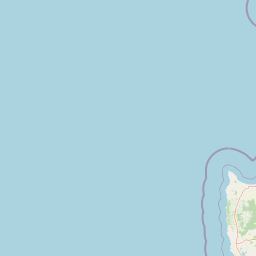
Map view of Wooditjup National Park

Use this park location map to pinpoint Wooditjup National Park in Australia, understand its exact geographic position, and read its mapped placement within the surrounding landscape more clearly.

Pigeon | © OpenStreetMap contributors

Location context for Wooditjup National Park

Western Australia
Park atlas

Discover other national parks and protected forest ecosystems across Western Australia's South West region.

Explore Nearby Protected Areas: Parks and Landscapes Surrounding Wooditjup National Park
Continue your exploration from Wooditjup National Park by browsing other protected areas and national parks within Western Australia's South West region, including diverse forest reserves and coastal conservation zones. Compare the distinct Jarrah Forest ecosystems with adjacent protected landscapes, gaining deeper insight into the regional spread of conservation efforts and natural environments.
National park

Forest Grove National Park: Mapped Boundaries of a Jarrah Forest Protected Landscape

Western Australia's National Park in the Margaret River Region.

Forest Grove National Park represents a vital protected area within Western Australia's Jarrah Forest bioregion, offering a clear look at the characteristic tall open forest and woodland ecosystems of the region. While nearby areas are known for their dramatic coastlines, this national park highlights the inland natural terrain and its unique ecological importance. Its mapped boundaries are integral to understanding the contiguous forest corridors developed to preserve these valuable Southwest Australian habitats.

Area
13.79 km²
Established
2004
Relief
Lowland
Climate
Temperate
National park

Yelverton National Park National Park: Mapped Protected Area & Biodiversity Refuge

Focusing on rare species and diverse vegetation communities.

Yelverton National Park, situated in the South West region of Western Australia, serves as a vital protected area dedicated to preserving ecological significance. Established from former timber reserves, its 729 hectares capture diverse vegetation types crucial for rare and priority species. This park's landscape identity lies in its role as a biodiversity refuge, distinct from nearby tourism hubs, offering a unique insight into conservation-driven land management and the mapped protected geography of the region.

Area
7.29 km²
Established
2004
IUCN
II
Scope
Terrestrial
National parkWestern Australia

Blackwood River National Park: Protected Area in Western Australia's Geography

Explore mapped boundaries and natural terrain.

Blackwood River National Park is a key protected area within the vast geographic expanse of Western Australia. This park's designation as a national park underscores its importance for conservation and landscape preservation. Users can explore its precisely mapped boundaries to understand its footprint and its contribution to the regional natural landscape context, offering a grounded perspective on protected lands within Australia.

Area
204.75 km²
Established
2004
IUCN
II
Relief
Upland
National parkWestern Australia

Leeuwin-Naturaliste National Park: Western Australia's Protected Landscape and Geographic Context

Explore mapped natural terrain and protected boundaries.

Leeuwin-Naturaliste National Park provides a distinct focus for understanding protected lands within Western Australia. This national park offers rich opportunities to examine its mapped boundaries and unique landscape characteristics, contributing valuable context to the regional geography of the state. Discover the natural terrain and protected area status that define this significant location for atlas-based discovery and geographic comprehension.

Area
190.92 km²
Established
1957
IUCN
II
Visitors
2.3M annual
National park

Wiltshire-Butler National Park: Mapped Jarrah Forest Landscape in Western Australia

Explore protected boundaries and regional geographic context

Wiltshire-Butler National Park stands as a protected natural area celebrated for its representation of Western Australia's iconic jarrah forest ecosystems. This National Park, created in 2004, offers rich opportunities for atlas-based discovery, focusing on its distinct landscape character, mapped park boundaries, and its geographical placement within the broader South West region. Understanding its terrain and conservation significance provides valuable insight into the protected lands of the Jarrah Forest bioregion.

Area
116.45 km²
Established
2004
IUCN
II
Relief
Highland
National parkWestern Australia

Scott National Park National Park: Mapped Protected Landscape in Western Australia

Geographic Context and Natural Terrain Discovery

Scott National Park serves as a significant protected area within the diverse geography of Western Australia. This national park provides a focal point for understanding regional landscape patterns and mapped natural features. Explore its role as a protected land, offering insight into the state's broad natural heritage and supporting detailed geographic discovery for atlas enthusiasts.

Area
32.73 km²
Established
1959
IUCN
II
Relief
Lowland
National parkAustralia

Milyeannup National Park: Explore its Protected Landscape and Geographic Atlas Context

Discover the mapped terrain and boundaries of this Australian national park.

Milyeannup National Park offers a unique focus for atlas-based geographic exploration. This entry details the park's identity as a protected area, highlighting its landscape context and mapped geographic features within Australia. Use this resource to understand its role in the national park system and its specific place within the broader landscape.

Area
186.92 km²
Established
2004
Scope
Terrestrial
Forest
Mostly forested
National park

Tuart Forest National Park: Discover Australia's Most Significant Pure Tuart Woodland Landscape

Explore the unique limestone terrain and vast eucalyptus geography.

Tuart Forest National Park in Western Australia is a critical protected area dedicated to preserving the world's largest remaining pure tuart forest. This unique ecosystem, found on coastal limestone soils, features some of the most immense Eucalyptus gomphocephala trees globally. The park's geography is characterized by its undulating limestone terrain, supporting a vital habitat for endangered wildlife like the Western Ringtail Possum, offering unparalleled insight into Australia's rare woodland environments.

Area
20.49 km²
Established
1987
IUCN
II
Relief
Lowland

Common questions about visiting, size, designation, and location context for Wooditjup National Park

Wooditjup National Park FAQs for park facts, access, geography, and protected area context
Find quick answers about Wooditjup National Park, including protected-area facts, park geography, trail and visitor context, and how the park fits into its surrounding country and regional landscape.
MoriAtlas Explorer

Continue Your Protected Areas Search Across the Global Atlas

Deepen your exploration by continuing the structured search for national parks and protected areas worldwide. Utilize the comprehensive filtering capabilities to compare different conservation landscapes and refine your understanding of global park geography. Discover more about the distribution and characteristics of protected natural areas.

Global natural geography