Why Blackwood River National Park stands out
Blackwood River National Park is best known for protecting the middle reach of the Blackwood River, the most significant river system in South West Australia. The park preserves a corridor of riparian and adjacent forest habitats where the river transitions from its plateau source across the landscape before entering the Southern Ocean. It encompasses old-growth forest habitats within two bioregions, representing the convergence of the Southwest Australia woodlands and the jarrah-karri forest and shrublands. The park provides recreational opportunities centered on the river, with campgrounds offering swimming access and canoe or kayak launching facilities.
Blackwood River National Park history and protected-area timeline
Blackwood River National Park was established in 2004 through the Reserves (National Parks, Conservation Parks, and Nature Reserves) Bill 2004, which restructured land tenure across portions of the South West forest region. The creation of this national park was specifically recommended in the Regional Forest Agreement for the South-West Forest Region of Western Australia, published in May 1999, which identified gaps in the existing protected area network for old-growth forest conservation. The land comprising the new national park was previously designated as state forest, with the legislation redesignating lands from four separate state forest areas to create the new protected area. This process aligned with the broader Forest Management Plan 2004-2013, which outlined a strategy for improving conservation outcomes for old-growth forests through national park establishment. The formal designation marked a significant step in balancing forest conservation with other land uses in the South West region of Western Australia.
Blackwood River National Park landscape and geographic character
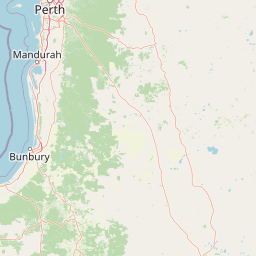
The landscape of Blackwood River National Park is defined by its position along the middle reaches of the Blackwood River as it flows westward across the South West region before turning south toward the Southern Ocean. The terrain through the park consists of valley systems carved by the river, with the surrounding landscape characterized by undulating hills and forested slopes typical of the South West Australian landscape. The park is situated within a matrix of state forest lands, with Blackwood State Forest, South Blackwood State Forest, and Milyeannup State Forest surrounding the protected area on multiple sides. The river itself provides a linear watercourse feature through the park, with riparian corridors of vegetation following its banks. The park sits at the interface between the plateau landscapes where the river originates and the lower-lying coastal plain areas as the river makes its way toward the Southern Ocean.
Blackwood River National Park ecosystems, habitats, and plant life
The ecological character of Blackwood River National Park is defined by its position spanning two significant bioregions of South West Australia. The northern portion of the park falls within the Jarrah Forest bioregion, also known as the Southwest Australia woodlands, characterized by jarrah-dominated open forest and woodland communities adapted to the region's Mediterranean climate. The southern portion of the park lies within the Warren bioregion, also referred to as the jarrah-karri forest and shrublands, where the vegetation includes both jarrah and karri tree species, creating taller and denser forest structures. This bioregional transition creates a diversity of habitat types within the park, from open woodlands on the more elevated terrain to denser forest in the riparian zones and lower-lying areas. The Blackwood River corridor itself provides additional habitat diversity, supporting riparian vegetation communities distinct from the surrounding forest types.
Blackwood River National Park wildlife and species highlights
The wildlife of Blackwood River National Park is supported by the diverse forest and riparian habitats created by the intersection of two bioregions and the Blackwood River corridor. The jarrah and karri forests provide habitat for numerous bird species, mammals, and invertebrates characteristic of South West Australian forests. The river itself supports aquatic fauna adapted to the region's river systems, and the riparian zones provide important habitat for species that depend on the interface between aquatic and terrestrial environments. The old-growth forest elements present within the park, which were a primary motivation for its designation, provide critical habitat for species that require mature forest structures for nesting, foraging, or shelter. The conservation of this corridor through national park protection helps maintain connectivity for wildlife movement through the broader landscape.
Blackwood River National Park conservation status and protection priorities
Blackwood River National Park represents an important addition to Western Australia's conservation estate, specifically established to protect old-growth forest habitats within the South West forest region. The park was created as part of a systematic approach to addressing conservation gaps identified in the Regional Forest Agreement, which recognized that existing protected area coverage was insufficient for maintaining viable populations of old-growth forest dependent species. The transition from state forest to national park status provides these lands with stronger legal protection and management focused on conservation outcomes rather than timber production. The park contributes to the broader regional conservation network, connecting with adjacent protected areas including Wiltshire-Butler National Park and contributing to landscape-scale conservation planning across the South West region. The protection of the Blackwood River corridor also provides aquatic ecosystem benefits, helping preserve water quality and habitat for river-dependent species.
Blackwood River National Park cultural meaning and human context
The Blackwood River has long been significant to the local communities of the South West region of Western Australia, with the river system providing water, food resources, and transportation routes for Indigenous peoples historically. The Augusta-Margaret River and Nannup areas have cultural connections to Noongar people, whose traditional lands encompass the broader South West region. The establishment of Blackwood River National Park as a conservation reserve contributes to ongoing efforts to recognize and protect cultural and natural heritage values across the landscape. The surrounding state forest lands have historically been managed for timber production, and the creation of the national park represents a recognition that some areas hold higher conservation and cultural values than production potential.
Top sights and standout views in Blackwood River National Park
The middle reach of the Blackwood River, the largest river in South West Australia, forms the central feature of this national park, providing a scenic and ecological spine through the protected area. Two campgrounds, Warner Glen and Sues Bridge, provide visitor access to the river for swimming, canoeing, and kayaking activities. The park spans two bioregions, offering a transition from Jarrah Forest woodlands in the north to Warren bioregion jarrah-karri forest in the south. The old-growth forest communities that prompted the park's establishment represent significant conservation values for the South West region. Connection to adjacent protected areas including Wiltshire-Butler National Park creates a larger conservation landscape through this portion of Western Australia.
Best time to visit Blackwood River National Park
The South West region of Western Australia experiences a Mediterranean climate with wet winters and warm, dry summers, which influences the best conditions for visiting Blackwood River National Park. The summer months from December through February typically offer warm conditions suitable for swimming and water-based activities on the river, though visitors should be aware that bushfire risk increases during the hot summer period. Autumn and spring provide mild temperatures and the opportunity to experience the forest during different seasonal conditions. Winter brings rainfall that can affect access and road conditions within the park, though the forest landscapes take on a different character during the wet season. The shoulder seasons of spring and autumn often provide comfortable conditions for bushwalking and exploring the park's natural values.