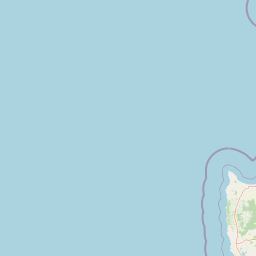
Why Scott National Park stands out
Scott National Park is most notably recognized for its population of honey possums, a small and distinctive marsupial species that inhabits the park's coastal plain environments. The park's location on the Scott Coastal Plain distinguishes it as a representative example of the unique ecosystems found in southwestern Australia. The convergence of the Scott River catchment and the Blackwood River's eastern bank creates a distinctive landscape setting that supports specialized flora and fauna communities characteristic of this biogeographic region.
Scott National Park history and protected-area timeline
Scott National Park was established in 1959, reflecting a period when Western Australia was developing its national park system to protect representative natural areas across the state. The park was created to preserve the natural values of the Scott Coastal Plain and its associated river catchments. Throughout its history, the park has been subject to environmental reviews related to mining exploration activities in the surrounding region, highlighting the ongoing tension between resource development and conservation protection in Western Australia. Management responsibility rests with the Department of Environment and Conservation, which oversees the park's protection and monitoring activities.
Scott National Park landscape and geographic character
The terrain of Scott National Park is defined by its coastal plain setting, characterized by relatively low-lying topography typical of the Scott Coastal Plain in southwestern Australia. The park encompasses portions of the Scott River catchment area, with the river system influencing the landscape's hydrology and vegetation patterns. The eastern bank of the Blackwood River forms part of the park's boundary, adding a significant watercourse to the protected area's landscape character. The coastal plain environment features vegetation communities adapted to the region's climate and soil conditions, creating a landscape that differs from the taller forests found in other parts of the South West region.
Scott National Park ecosystems, habitats, and plant life
The ecological character of Scott National Park reflects the distinctive nature of the Scott Coastal Plain environment. This area supports plant and animal communities adapted to the specific conditions of southwestern Australia's coastal plain ecosystems. The park's protection of the Scott River catchment contributes to maintaining water quality and habitat connectivity within this watershed. The vegetation communities present in the park are representative of the coastal plain's ecological assemblages, providing habitat for species adapted to these conditions.
Scott National Park wildlife and species highlights
The honey possum population represents the most specifically noted wildlife significance of Scott National Park. This small marsupial species is one of Australia's most distinctive mammals, known for its specialized diet and small size. The presence of honey possums within the park indicates that the coastal plain habitat provides suitable conditions for this species, which relies on specific vegetation for food and shelter. The park's protection of riverine and coastal plain environments likely supports additional wildlife species typical of the South West region, though the source material provides limited detailed wildlife records.
Scott National Park conservation status and protection priorities
Scott National Park serves a conservation function by protecting representative examples of the Scott Coastal Plain's natural environment. The park's habitat protection is particularly significant for the honey possum, a species that depends on specific coastal plain ecosystems. Environmental reviews conducted in response to nearby mining exploration activities demonstrate the ongoing conservation challenges facing the area. The park's designation as an IUCN Category II protected area reflects its formal recognition as a national park with primary conservation objectives.
Scott National Park cultural meaning and human context
The source material does not provide substantial information regarding indigenous heritage or cultural history associated with the Scott National Park area. The park's cultural context remains largely undefined in the available information, suggesting this dimension would require additional research beyond the current source material.
Top sights and standout views in Scott National Park
Scott National Park protects a population of honey possums within its coastal plain boundaries, making it significant for the conservation of this distinctive marsupial species. The park's location on the Scott Coastal Plain positions it as a representative protected area for this southwestern Australian landscape type. The combination of Scott River and Blackwood River catchments within the park creates a distinctive hydrological setting. The park's proximity to mining activity has necessitated ongoing environmental review, highlighting its conservation vulnerability.