Why Korung National Park stands out
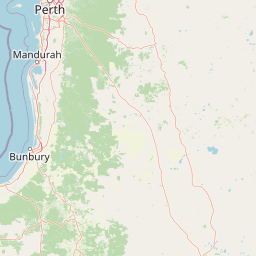
Korung National Park is best known for its position at the intersection of two major southwest Australian bioregions, representing the transition between the Swan Coastal Plain and the jarrah forest. The park provides accessible natural experiences for Perth residents, with walking trails traversing diverse landscapes from woodland areas to forest environments. The presence of the Munda Biddi Trail through the park makes it a notable destination for cycling enthusiasts, while its proximity to the Perth metropolitan area establishes it as an important green space for regional environmental education and nature-based recreation.
Korung National Park history and protected-area timeline
Korung National Park was established in 2004 as Pickering Brook National Park, representing a formalisation of protection for natural areas in the Perth hills region that had previously existed in other designations or lacked formal conservation status. The decision to rename the park to Korung in 2008 marked a significant shift toward incorporating indigenous perspectives into Western Australia's protected area naming conventions. The name Korung reflects an effort to use Noongar language and acknowledge the cultural heritage of the traditional owners of the land. The park's creation and subsequent enhancement responded to growing recognition of the importance of preserving green spaces within and around the Perth metropolitan region, where development pressure continues to transform natural landscapes. The administrative responsibility for the park rests with the Department of Biodiversity, Conservation and Attractions, which manages it as part of the broader network of Western Australian national parks.
Korung National Park landscape and geographic character
The landscape of Korung National Park is defined by its position on the Darling Scarp, a steep geological escarpment that rises sharply from the Swan Coastal Plain. The park spans the transition between these two major landscape units, with western portions occupying the gently undulating terrain of the coastal plain before ascending the steeper slopes of the scarp itself. The eastern areas of the park lie within the dissected plateau that characterises the jarrah forest region, featuring laterite soils and a more subdued relief compared to the dramatic scarps found in other parts of the southwest. Vegetation patterns across the park reflect this topographic variation, with different plant communities occupying the various landscape positions. The park's scenic qualities derive from the views available across the coastal plain toward the Perth skyline, as well as the characteristic woodland and forest environments that dominate the reserve.
Korung National Park ecosystems, habitats, and plant life
The ecological character of Korung National Park reflects its position spanning two major bioregions of southwest Western Australia. The western portions of the park fall within the Swan Coastal Plain bioregion, which supports a range of vegetation types including woodland and heath communities adapted to the sandy soils and Mediterranean climate of the coast. East of the Darling Scarp, the park enters the Jarrah Forest bioregion, characterised by the dominant presence of jarrah (Eucalyptus marginata), a cornerstone species of southwest Australian forests. This bioregion is renowned for its high biodiversity and the distinctive tall woodland and forest ecosystems that develop on the laterite-rich soils of the region. The park's location within these two bioregions means it protects transitional habitat types that may support species characteristic of both the coastal plain and the forest interior, contributing to the ecological diversity of the protected area network in the Perth region.
Korung National Park wildlife and species highlights
The wildlife of Korung National Park reflects the diversity of habitats present within its boundaries, spanning the Swan Coastal Plain and jarrah forest bioregions. The jarrah forest environment supports a range of bird species typical of southwest Australian woodlands, including honeyeaters, cockatoos and parrots that utilise the nectar-rich flowering of native plants throughout the year. Mammals likely present include various marsupial species adapted to forest and woodland habitats, though specific documentation of fauna inventories for the park is limited in available sources. The transitional nature of the landscape, moving from coastal plain to forest, may support ecological diversity as species from both environments utilise the different habitat types present within the reserve.
Korung National Park conservation status and protection priorities
Korung National Park contributes to conservation outcomes in the Perth metropolitan region by protecting representative samples of Swan Coastal Plain and jarrah forest ecosystems within a largely cleared and modified landscape. The park forms part of a network of protected areas that collectively maintain biodiversity in the region surrounding Perth, where urban expansion has dramatically reduced native vegetation coverage. The connectivity provided by the park's proximity to Midgegooroo National Park supports broader landscape-scale conservation objectives, allowing for wildlife movement and ecological processes to continue across a larger contiguous area. The establishment of the reserve in 2004 and its subsequent renaming to incorporate indigenous heritage reflects evolving approaches to conservation management that acknowledge both ecological and cultural values.
Korung National Park cultural meaning and human context
The renaming of Korung National Park from its former designation as Pickering Brook National Park in 2008 reflects growing recognition of indigenous heritage in Western Australia's protected area management. The name Korung derives from Noongar language, representing an effort to acknowledge the traditional owners and their connection to the land. The Darling Scarp region holds cultural significance for Noongar people, who have inhabited southwest Western Australia for many thousands of years. The integration of Noongar language into place naming represents one dimension of broader efforts to incorporate indigenous knowledge and values into contemporary conservation practice.
Top sights and standout views in Korung National Park
Korung National Park offers visitors accessible nature experiences within the Perth metropolitan region, with walking trails providing opportunities to explore the transition between coastal plain and jarrah forest environments. The park's position on the Darling Scarp provides scenic views across the Swan Coastal Plain toward Perth, while the Munda Biddi Trail passing through the reserve connects it to a major long-distance cycling route spanning over 1000 kilometres through southwest Western Australia. The park's dual bioregion character makes it representative of the ecological diversity found in the Perth hills region, while its proximity to Armadale and Kalamunda makes it a convenient destination for day visitors seeking wilderness experiences without travelling far from the city.
Best time to visit Korung National Park
The optimal time to visit Korung National Park coincides with the cooler months of Western Australia's Mediterranean climate, typically from April through October. During this period, mild daytime temperatures make walking and cycling more comfortable, and the winter rainfall season promotes lush vegetation and flowing wildflowers across the park. Spring months, particularly September and October, often bring peak wildflower displays as the jarrah forest and woodland habitats erupt with colour. Summer months from November to March can be hot and dry, with elevated fire risk potentially affecting access and trail conditions. Visitors planning activities should check current conditions and be aware that summer heat may significantly limit comfortable exploration of the park's trails.