Why Bia National Park stands out
Bia National Park is best known for containing some of the tallest trees remaining in all of West Africa, representing a rare intact forest ecosystem in the region. The park is recognized as one of Ghana's last remnants of relatively untouched forest, preserving the full diversity of wildlife that once characterized West African forests. It is designated as an Important Bird Area by BirdLife International due to its significant bird populations, and it provides critical habitat for forest elephants and the endangered bongo antelope. The park is also notable for being the only known home of the newly discovered lizard species Agama africana.
Bia National Park history and protected-area timeline
Bia National Park traces its origins to 1935 when the area was first designated as a protected reserve and named after the Bia River that drains the region. For several decades, the area functioned as a resource reserve under various forms of protection. In 1974, Bia was officially elevated to national park status, granting it the highest level of protection within Ghana's protected area system. Unfortunately, intensive farming activities prior to the park's official designation destroyed much of the original vegetation in certain areas. However, since 1975, all human activities including farming and logging have been prohibited within the park boundaries, allowing the forest to begin a process of natural recovery. A significant milestone in the park's history came in 1985 when it was designated as a biosphere reserve under the UNESCO Man and the Biosphere Programme and recognized as a World Heritage Site, cementing its international importance for conservation.
Bia National Park landscape and geographic character
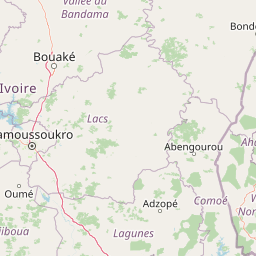
The landscape of Bia National Park is characterized by dense tropical forest that dominates the terrain, with the Bia River and its tributaries carving through the park's interior. The forest landscape features towering trees that rise to impressive heights, some of the tallest in West Africa, creating a multi-layered canopy that defines the visual character of the area. The park sits in a transitional zone between moist-evergreen and moist semi-deciduous forest types, meaning the vegetation includes both evergreen species that retain their leaves year-round and semi-deciduous species that lose their foliage during the dry season. This transitional nature contributes to the biodiversity of the forest. The terrain is typical of the Guinean forest zone of West Africa, with rolling hills and valleys that help channel water through the drainage system. The proximity to the Ivorian border means the park lies within a broader transnational ecological corridor that facilitates the movement of wildlife across national boundaries.
Bia National Park ecosystems, habitats, and plant life
Bia National Park represents a critically important ecological refuge in West Africa, preserving what remains of the region's once-extensive forest cover. The park's location in a transitional zone between moist-evergreen and moist semi-deciduous forest types creates a diverse habitat that supports a wide range of plant and animal species. This forest ecosystem represents one of Ghana's last relatively untouched natural areas, maintaining the full complexity of species interactions and ecological processes that characterized West African forests before widespread deforestation. The Bia River system that flows through the park provides essential aquatic habitat and water resources that support the broader forest ecosystem. As a UNESCO-designated biosphere reserve, the park is recognized internationally as an area of outstanding ecological significance requiring protection for both current and future generations.
Bia National Park wildlife and species highlights
Bia National Park supports an impressive diversity of wildlife, with approximately 62 species of mammals documented within its boundaries. The primate community is particularly notable, with ten species present including black-and-white colobus, olive colobus, red colobus monkeys, and chimpanzees. The park is also home to the forest elephant and the bongo antelope, the latter considered highly threatened and relying on this protected area for its survival. The bird community is exceptionally rich, with over 189 species recorded, including several that are endangered or restricted in range. The white-breasted guinea fowl, black-collared lovebird, Cassin's hawk-eagle, and honeyguide greenbul represent some of the notable bird species found here. The park has been designated an Important Bird Area by BirdLife International due to its significance for bird conservation. Perhaps most remarkably, Bia is the only known home of the newly discovered lizard species Agama africana, highlighting its importance for unexpected discoveries. Ghana's major protected forest antelope communities also inhabit the park.
Bia National Park conservation status and protection priorities
Bia National Park holds exceptional conservation significance as one of Ghana's last remnants of relatively untouched forest in a region that has experienced extensive deforestation. The park's designation as a UNESCO biosphere reserve and World Heritage Site in 1985 reflects its international recognition as an area of outstanding universal value. The protected area preserves critical habitat for threatened species including the forest elephant and bongo antelope, both of which face significant population pressures across their ranges. As an Important Bird Area recognized by BirdLife International, the park plays a vital role in protecting bird species that depend on forest habitats, including several endangered species. The protection of some of West Africa's tallest trees within the park preserves genetic and ecological resources that cannot be found elsewhere in the region. The establishment of the twin conservation area combining Bia National Park with the Bia Resource Reserve creates a larger protected zone that enhances ecological connectivity and supports more effective conservation management.
Bia National Park cultural meaning and human context
Bia National Park contains cultural significance through the presence of a sacred site called Apaso, located within the park near two small pools. This cultural site is claimed to be a sacred place where visitors come to sacrifice and offer gifts to the gods, representing traditional spiritual practices tied to the land. The existence of such a site within the protected area demonstrates the long-standing relationship between local communities and this forest landscape, with the area holding meaning beyond its ecological value. This cultural dimension adds depth to the park's identity and provides insight into how natural and cultural heritage can be intertwined in protected areas.
Top sights and standout views in Bia National Park
Bia National Park preserves some of West Africa's tallest trees within one of Ghana's last remaining untouched forest ecosystems. The park supports remarkable biodiversity including 62 mammal species, over 189 bird species, and the newly discovered lizard Agama africana found nowhere else on Earth. Its designation as a UNESCO biosphere reserve and Important Bird Area underscores its international conservation significance. Visitors can explore walking trails through the forest to observe wildlife and birds, while the sacred Apaso site offers cultural interest. The park provides critical habitat for forest elephants and the endangered bongo antelope, making it essential for large mammal conservation in West Africa.