Why Bui National Park stands out
Bui National Park is best known for its exceptional hippopotamus population, which thrives in the waters of the Black Volta River that bisects the park. The savanna environment supports the endangered ursine colobus, a primate species of significant conservation concern. The park's designation as an Important Bird Area highlights its importance for West African birdlife, with species including violet turacos, red-throated bee-eaters, Senegal parrots, and Heuglin's masked weavers among the notable residents. The dramatic landscape, where the Black Volta cuts through woodland savanna surrounded by mountainous terrain, creates a visually striking protected area that combines riverine, savanna, and forest habitats.
Bui National Park history and protected-area timeline
Bui National Park was established in 1971 as Ghana's commitment to preserving its savanna ecosystems and the unique biodiversity they support. The park's creation reflected growing recognition during the mid-twentieth century of the need to protect West Africa's woodland savanna environments, which face pressures from agricultural expansion and human settlement. Initially spanning the full extent of its current territory, the park's history took a significant turn with the construction of the Bui Dam beginning in 2007. The hydroelectric dam, completed in 2013, created a large reservoir that flooded portions of the park, altering the landscape and creating a substantial artificial lake within the protected area. This development introduced new challenges for park management while also expanding aquatic habitats. The park's designation as an Important Bird Area by BirdLife International represents an important milestone in its conservation recognition, acknowledging the global significance of its bird populations.
Bui National Park landscape and geographic character
The landscape of Bui National Park is defined by the interplay between the Black Volta River and the surrounding woodland savanna terrain. The Black Volta, one of Ghana's major rivers, flows through the heart of the park, creating a riparian corridor that contrasts with the broader savanna environment. Along the riverbanks, denser vegetation zones provide habitat diversity, while the surrounding areas feature the characteristic mix of grasses, shrubs, and scattered trees typical of West African savanna. The park's terrain includes mountainous areas that rise from the savanna floor, with features like Sunshine Mountain offering panoramic views over the protected landscape. The creation of the Bui reservoir added a significant lacustrine element to the park, transforming portions of the floodplain into a vast expanse of open water surrounded by the park's rolling savanna and forested slopes.
Bui National Park ecosystems, habitats, and plant life
Bui National Park protects a representative sample of West African woodland savanna ecosystem, characterized by a mixture of grassland and deciduous woody vegetation adapted to the seasonal climate patterns of the region. The park's location straddles the boundary between Ghana's forest zone and the more open savanna environments to the north, creating ecological diversity within its boundaries. The Black Volta River and its associated wetlands provide riparian and aquatic habitats that contrast with the surrounding terrestrial savanna, supporting different ecological communities. The park's vegetation supports various mammal and bird species adapted to savanna environments, while the river system provides crucial water resources for wildlife throughout the dry season. The combination of terrestrial and aquatic habitats within a relatively intact savanna landscape makes Bui nationally significant for biodiversity conservation.
Bui National Park wildlife and species highlights
Bui National Park is renowned for its substantial hippopotamus population, which represents one of the park's most notable wildlife features. These large mammals congregate in the waters of the Black Volta River and the Bui reservoir, where they can be observed swimming and resting during daytime hours. The endangered ursine colobus represents a primate species of particular conservation significance within the park, inhabiting the more forested areas along the river corridors. The park supports diverse antelope species typical of West African savanna, providing important habitat for these herbivores within the protected landscape. The avian fauna is exceptionally diverse, with the park's Important Bird Area status reflecting the presence of significant populations of species including violet turacos, red-throated bee-eaters, bearded barbets, Senegal parrots, yellow-billed shrikes, Senegal eremomelas, oriole warblers, white-crowned robin-chats, and Heuglin's masked weavers. This rich bird community utilizes the various habitats within the park, from riverine zones to savanna woodlands.
Bui National Park conservation status and protection priorities
Bui National Park holds significance as a protected area preserving Ghana's woodland savanna ecosystems and the biodiversity they support. The park's designation as an Important Bird Area by BirdLife International acknowledges its international importance for bird conservation, particularly for West African species whose populations depend on intact savanna habitats. The presence of the endangered ursine colobus elevates the park's conservation importance, as this primate species faces significant population pressures across its range. The protected area serves as a refuge for wildlife in a region where savanna ecosystems face pressures from agricultural expansion and human development. Management of the park must balance conservation objectives with the reality of the Bui Dam's presence, as the reservoir both created new habitats and altered portions of the original ecosystem.
Bui National Park cultural meaning and human context
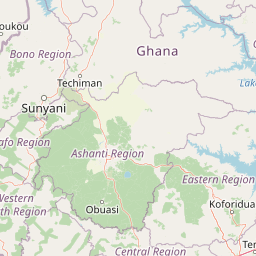
Bui National Park is situated in central Ghana among communities whose traditional livelihoods include agriculture and fishing. The local communities in the surrounding Bono and Savannah Regions maintain connections to the land that now falls within the protected area, though detailed information about specific cultural or historical relationships with the landscape is limited in available sources. The park's proximity to Ivory Coast places it in a border region where cross-border dynamics may influence both human activity and wildlife movement patterns.
Top sights and standout views in Bui National Park
The Black Volta River remains the defining highlight of Bui National Park, providing habitat for the park's celebrated hippopotamus population and creating a scenic waterway that bisects the savanna landscape. The mountainous terrain surrounding the reservoir offers elevated viewpoints such as Sunshine Mountain, from which visitors can appreciate the park's geographic character. The Bui reservoir itself has become a notable feature, allowing boat-based wildlife observation where hippos and waterbirds can be viewed in the lacustrine environment. The park's birdlife, recognized through its Important Bird Area designation, represents a major highlight for ornithologists and nature enthusiasts, with species like the violet turaco adding color to the savanna environment.
Best time to visit Bui National Park
The optimal time to visit Bui National Park falls within the dry season months from November to April, when wildlife tends to concentrate near the river and reservoir as surrounding water sources become scarce. This period offers the best opportunities for hippopotamus observation along the Black Volta, as the animals remain in the permanent water bodies. The dry season also provides more comfortable conditions for park exploration and wildlife viewing. The wet season from May to October transforms the landscape with fresh vegetation but can make some areas less accessible and wildlife more dispersed. Bird observation remains rewarding throughout the year, though the dry season may concentrate bird activity around water sources.