

Mori Atlas logo
National parkDigya National Park

Discover the unique geography and mapped protected boundaries of Ghana's second largest national park.

Digya National Park National Park: Ghana's Oldest Protected Landscape on Lake Volta

Digya National Park stands as a pivotal protected landscape in Ghana, representing the nation's oldest designated conservation area and its second largest national park. Situated within the Bono East Region, its sprawling territory is uniquely defined by a three-sided border with Lake Volta, the world's largest man-made lake, creating a distinctive blend of terrestrial and aquatic habitats. This park serves as a crucial atlas point for understanding Ghana's transitional ecological zones, where savanna and forest ecosystems converge, supporting diverse wildlife and offering a rich geographic context for exploration.

National ParkWildlife ConservationOldest Protected AreaLake VoltaPrimate HabitatElephant Conservation

Digya National Park

National park

Park overview

Structured park overview, official facts, and landscape profile for Digya National Park

Digya National Park park facts, protected area profile, and essential visitor context
Review the core facts for Digya National Park, including designation, size, terrain, visitor scale, habitats, and operating context in one park-focused overview.

About Digya National Park

Digya National Park stands as a cornerstone of Ghana's conservation history, being the nation's first protected area established in 1900 and its oldest national park. The park's establishment predates modern conservation thinking in West Africa and represents an early effort to preserve the region's natural heritage. Spanning 3,743 square kilometers in the Bono East Region, the park occupies a distinctive peninsula location bordered on three sides by the massive waters of Lake Volta, the world's largest artificial reservoir. This geographic isolation has helped preserve the park's ecological integrity while creating a unique environment where terrestrial wildlife coexists with extensive aquatic habitats. The park's location in a transitional zone between forest and savanna ecosystems gives it ecological significance that extends beyond its borders, serving as a corridor for species movement and a buffer against environmental change. The human history of the park is complex, with settlements existing within the protected area when the government acquired the land, leading to ongoing management challenges related to balancing conservation goals with the needs of local communities who historically depended on the land for fishing and agriculture.

Quick facts and research context for Digya National Park

Digya National Park covers 3,743 km² in Ghana's Bono East Region, making it the country's second largest national park. Established as Ghana's first protected area in 1900 and formally designated a national park in 1971, it represents the nation's oldest conservation legacy. The park occupies a peninsula bordered by Lake Volta on three sides and lies in a transitional zone between forest and savanna habitats. The park supports at least six primate species, Ghana's second largest elephant population, manatees, African clawless otters, and 236 bird species. It has been recognized as an Important Bird Area by BirdLife International.

Park context

Deeper park guide and search-rich context for Digya National Park

Digya National Park history, landscape, wildlife, and travel context
Explore Digya National Park through its history, landscape character, ecosystems, wildlife, conservation priorities, cultural context, and seasonal travel timing in a structured park guide built for atlas discovery and search intent.

Why Digya National Park stands out

Digya National Park is best known for its unique position as Ghana's oldest protected area and the only one that borders Lake Volta, the world's largest man-made lake. The park is renowned for its significant elephant populations, representing the second largest herd in Ghana, as well as its remarkable primate diversity with at least six species present. Its designation as an Important Bird Area highlights exceptional avifauna with over 236 species, including populations of global conservation significance. The park's transitional landscape between forest and savanna creates a distinctive ecological character that supports both terrestrial mammals and aquatic species like manatees and otters in the lake's encroaching arms.

Digya National Park history and protected-area timeline

Digya National Park was created in 1900 as Ghana's first protected area, establishing a conservation legacy that spans over a century. The area was formally acquired by the Ghanaian government and gazetted as a national park in 1971, cementing its status as a premier protected area within the country's developing conservation framework. When the government took ownership of the park, several communities resided within its boundaries, with most residents engaged in fishing and farming activities that had sustained them for generations. By 2006, the park contained 49 settlements, prompting the Ghanaian government to begin evicting residents as part of efforts to strengthen conservation and reduce human pressure on the ecosystem. In early 2005, authorities established a patrol-based system within the park specifically designed to combat illegal activities that threatened wildlife and natural resources. These management interventions reflect the ongoing challenge of balancing human settlement history with contemporary conservation priorities in Ghana's oldest protected area.

Digya National Park landscape and geographic character

Digya National Park occupies a lowland peninsula with undulating terrain that rises gently from the surrounding landscape. The park's most distinctive geographic feature is its three-sided border with Lake Volta, the world's largest man-made lake by surface area, creating an extensive shoreline where the reservoir's arms extend into the park itself. This peninsular position provides the park with a unique combination of terrestrial and aquatic environments, as the lake's waters penetrate deep into the protected area, creating a network of channels, inlets, and wetland areas. The park lies in a transitional zone between two major African ecosystems, with forest vegetation giving way to savanna grassland as one moves away from the lake margins. This varied topography supports diverse habitats within a relatively compact area, from forested slopes to open grassland, with the undulating terrain creating varied microclimates and ecological niches.

Digya National Park ecosystems, habitats, and plant life

Digya National Park occupies a critical ecological position in Ghana as a transitional area between forest and savanna biomes. This unique positioning creates a mosaic of habitats that supports remarkable biodiversity across both terrestrial and aquatic environments. The forest patches within the park provide crucial refuge for primate species and other forest-dwelling animals, while the savanna areas support different community compositions adapted to more open conditions. The park's relationship with Lake Volta transforms its ecological character significantly, as the lake's arms that extend into the park create extensive wetland and aquatic habitats that support species dependent on water ecosystems. The designation as an Important Bird Area by BirdLife International reflects the park's significance for avian biodiversity, with over 236 bird species recorded within its boundaries. This bird diversity includes both forest-dependent species and savanna specialists, as well as waterfowl that utilize the lake's extensive wetlands.

Digya National Park wildlife and species highlights

Digya National Park supports remarkable wildlife diversity, with particular significance attached to its primate populations, elephants, and aquatic species. At least six primate species call the park home, representing a significant portion of Ghana's primate diversity. The park's elephant population is particularly notable, representing the second largest herd in Ghana and belonging to some of the less studied elephant populations in Africa. Antelope species are present throughout the park's varied habitats, ranging from forest patches to savanna clearings. The park's unique position bordering Lake Volta provides habitat for aquatic mammals including manatees and African clawless otters, which inhabit the lake's arms that penetrate the protected area. The avian community is exceptionally diverse, with at least 236 bird species documented in the park. This birdlife includes numerous species of conservation concern, contributing to the park's recognition as an Important Bird Area by BirdLife International.

Digya National Park conservation status and protection priorities

Digya National Park holds significant conservation importance within Ghana and the broader West African region as the country's oldest protected area. Its establishment in 1900 set the precedent for conservation in Ghana and established a framework for protecting the nation's natural heritage that continues to evolve today. The park's designation as an Important Bird Area by BirdLife International reflects its global significance for bird conservation, recognizing that it supports significant populations of many bird species. The elephant population, being the second largest in Ghana, represents a conservation priority as these animals face mounting pressures across their range. The park's unique aquatic habitats, where Lake Volta's arms create extensive wetlands, support species of particular concern including manatees and otters that depend on healthy freshwater ecosystems. Management efforts including the establishment of a patrol-based system in 2005 demonstrate ongoing commitment to addressing illegal activities that threaten wildlife populations.

Digya National Park cultural meaning and human context

Digya National Park's history includes a significant human dimension, with communities having lived within the park's boundaries long before its formal establishment as a protected area. When the government acquired the park, settlements existed throughout the area, with residents primarily engaged in fishing and farming activities that reflected the region's agricultural traditions and the proximity to Lake Volta's resources. By 2006, there were 49 settlements recorded within the park, representing communities with deep connections to the land and its resources. The Ghanaian government's subsequent efforts to evict settlement residents reflect the complex challenge of reconciling historical land use patterns with contemporary conservation priorities. This human history adds complexity to the park's identity, representing the intersection between traditional livelihoods and modern environmental protection in Ghana.

Top sights and standout views in Digya National Park

Digya National Park's defining highlights include its status as Ghana's oldest protected area established in 1900 and its unique position as the only Ghanaian park bordering Lake Volta, the world's largest man-made lake. The park's 3,743 km² area makes it Ghana's second largest national park, offering extensive wilderness for wildlife conservation. Its primate diversity with at least six species, combined with the second largest elephant population in Ghana, represents exceptional megafauna significance. The presence of manatees and African clawless otters in the lake's arms that extend into the park creates a rare opportunity to observe aquatic mammals in a protected freshwater environment. The Important Bird Area designation highlights exceptional avifauna with over 236 species, making it a destination of particular interest for birdwatchers.

Best time to visit Digya National Park

Digya National Park can be visited throughout the year, though the dry season typically offers more accessible terrain for wildlife observation as animals congreg around remaining water sources. The transitional ecological zone between forest and savanna means the park's character changes with seasons, with the wet season bringing lush vegetation that can make wildlife viewing more challenging but also offering vibrant landscapes. The park's proximity to Lake Volta means that boat-based wildlife viewing opportunities exist, particularly for observing aquatic species like manatees and otters in the lake's arms. Visitors interested in birdwatching will find the Important Bird Area designation relevant year-round, though migratory bird presence may vary seasonally.

Park location guide

Geography guide, regional context, and park location map for Digya National Park

Digya National Park park geography, regions, and map view in Ghana
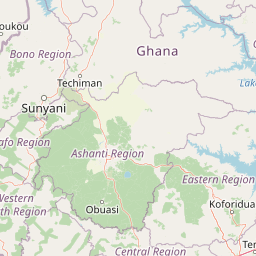
Understand where Digya National Park sits in Ghana through a broader geographic reading of the surrounding landscape, nearby location context, and its mapped position within the national park landscape.

How Digya National Park fits into Ghana

Ghana, officially the Republic of Ghana, is a West African nation spanning approximately 240,000 km² along the Gulf of Guinea. It achieved independence from Britain in 1957, becoming the first Sub-Saharan colony to do so, and transitioned to a republic in 1960. The country has a population of over 35 million, with Accra as its capital and largest city. Ghana features diverse ecosystems from coastal savannas to tropical rainforests and is linguistically and ethnically rich, with English as the official language.

Wider geography shaping Digya National Park in Ghana

Ghana is located in West Africa along the Gulf of Guinea and Atlantic Ocean to its south. It borders Côte d'Ivoire to the west, Burkina Faso to the north, and Togo to the east. The country spans diverse ecologies including coastal savannas and tropical rainforests.

Map view of Digya National Park

Use this park location map to pinpoint Digya National Park in Ghana, understand its exact geographic position, and read its mapped placement within the surrounding landscape more clearly.

Pigeon | © OpenStreetMap contributors

Location context for Digya National Park

Bono East Region
Park atlas

Uncover additional protected areas, regional park geography, and diverse conservation landscapes around Digya National Park.

Explore National Parks, Protected Areas, and Regional Landscapes Near Digya National Park
Explore other national parks and protected areas across Ghana, tracing how protected landscapes are distributed throughout its diverse geographic regions. Comparing these significant conservation areas provides essential geographic context and reveals distinct ecological characteristics beyond the unique transitional zone of Digya National Park.
National parkOti Region

Kyabobo National Park: Ghana's Highland National Park with Mount Dzebobo and Forest-Savanna Transition

Explore mountainous terrain, park boundaries, and regional geography in Oti Region.

Kyabobo National Park is a significant protected landscape in Ghana's Oti Region, celebrated for its mountainous topography and the commanding presence of Mount Dzebobo. This national park, established in 1993, safeguards a critical ecological transition zone featuring diverse habitats from dense forests to open tree savanna. Its unique geography and protected status make it a vital site for understanding regional conservation and atlas-based landscape exploration in West Africa, offering insights into varied terrain and ecosystems.

Area
360 km²
Established
1993
IUCN
II
National parkGhana

Bui National Park: Protected Savanna Landscape and Black Volta River Geography in Ghana

Explore the mapped boundaries and unique ecosystems of this national park.

Bui National Park, a protected national park in Ghana, offers a rich geographic discovery of savanna ecosystems bisected by the Black Volta River. Its vast mapped area provides a unique setting for understanding riparian corridors, woodland savanna, and mountainous terrain. The park is critically important for its significant hippopotamus population and its designation as an Important Bird Area, showcasing its ecological value. Exploration of Bui National Park provides insight into Ghana's protected landscapes and their strategic position within West African geography, serving as a key entity for any natural atlas.

Area
1,820 km²
Established
1971
IUCN
II
National parkSavannah Region

Mole National Park: A Premier Protected Landscape in Ghana's Savannah Region

Explore mapped boundaries and Guinea savannah ecosystems.

Mole National Park represents a significant protected landscape within Ghana's Savannah Region, serving as the country's largest national park and a crucial conservation area for West African wildlife. The park's geography is defined by extensive Guinea savannah, characterized by grasslands with scattered woodlands and a prominent escarpment along its southern edge. Its vast expanse offers a unique opportunity to study mapped park boundaries and understand the ecosystem's role in regional conservation efforts. Discover the unique landscape context and protected area identity of this major West African wildlife refuge.

Area
4,840 km²
Established
1958
IUCN
II
National parkKara Region

Oti-Kéran National Park: Togo's Vast Protected Savanna Ecosystem and Regional Geography

Explore the mapped terrain and protected landscape of this key national park.

Delve into the geography of Oti-Kéran National Park, Togo's largest national park situated in the Kara Region. This protected savanna landscape, recognized as a Ramsar site, offers insights into its unique sudanian zone terrain, important bird habitats, and its function as a wildlife migration corridor. Understanding its mapped boundaries and ecological significance provides a core piece of the West African protected areas atlas.

Area
690 km²
Established
1950
IUCN
II
Relief
Lowland
National parkWestern North Region

Bia National Park: Ghana's Vital Protected Forest Landscape with West Africa's Tallest Trees

Explore the unique mapped geography and biodiversity of this key conservation area.

Bia National Park serves as a crucial protected landscape in Ghana's Western North Region, celebrated for harboring some of West Africa's tallest trees and a rich diversity of wildlife. This detailed entry provides context on its mapped boundaries and ecological significance as one of the last relatively untouched forest remnants in the region. Understand the park's place within Ghana's geography and its value for conservation research, showcasing its unique transitional forest ecosystem and the documented species it protects.

Area
563 km²
Established
1974
IUCN
II
Climate
Tropical
National parkGhana

Nini-Suhien National Park: Ghana's Coastal Forest Protected Landscape and Avian Sanctuary

Explore mapped boundaries of vital tropical forest habitat.

Nini-Suhien National Park in Ghana is recognized for its protected coastal forest, a habitat type critically endangered across West Africa. Established in 1976, this national park spans 160 square kilometers, serving as a key component of the Ankasa Conservation Area and a vital corridor for wildlife. Its designation as an Important Bird Area highlights its global importance for birdlife, offering a unique geographic and ecological study within the nation's atlas of protected lands.

Area
160 km²
Established
1976
IUCN
II
Relief
Lowland
National parkIvory Coast

Comoé National Park: A UNESCO World Heritage Site and Ivory Coast's Largest National Park

Explore its diverse savanna ecosystems and gallery forest geography.

Comoé National Park is a landmark protected area in West Africa, celebrated as the most biodiverse savanna on Earth. Situated across northeastern Ivory Coast, it encompasses a unique geographic gradient from Guinea savanna to Sudanian zones, supporting varied habitats from expansive savannas to dense gallery forests along the Comoé River. Its status as a national park highlights its critical role in wildlife conservation and its significant contribution to the understanding of transitional ecological landscapes.

Area
11,500 km²
Established
1983
IUCN
II
National parkBenin

Pendjari National Park: Exploring Benin's Largest Protected Area and Savanna Landscape

Mapped boundaries and regional geography of a key West African wilderness.

Pendjari National Park is the largest protected area in Benin, safeguarding nearly 2,800 square kilometers of essential West African savanna ecosystem. This national park is a crucial element of the WAP Complex, offering a profound look at one of the region's last viable wilderness expanses. Through its mapped terrain, diverse landscapes from river valleys to mountainous cliffs, and its status as a protected landscape, users gain a deep understanding of its geographic significance and conservation value.

Area
2,755 km²
IUCN
II

Common questions about visiting, size, designation, and location context for Digya National Park

Digya National Park FAQs for park facts, access, geography, and protected area context
Find quick answers about Digya National Park, including protected-area facts, park geography, trail and visitor context, and how the park fits into its surrounding country and regional landscape.
MoriAtlas Explorer

Continue Your Protected Areas Search Across the Global Atlas

Deepen your exploration by continuing the structured search for national parks and protected areas worldwide. Utilize the comprehensive filtering capabilities to compare different conservation landscapes and refine your understanding of global park geography. Discover more about the distribution and characteristics of protected natural areas.

Global natural geography