Mori Atlas logo
National parkOti-Kéran National Park

Explore the mapped boundaries and geographic context of Oti-Kéran National Park in the Kara Region.

Oti-Kéran National Park: Discover Togo's Premier National Park and Protected Savanna Landscape

(Parc National de la Oti-Kéran)

Oti-Kéran National Park represents a vital national park within Togo's Kara Region, serving as a protected savanna ecosystem of approximately 690 square kilometers. This park is a crucial element of the WAP transfrontier conservation landscape, characterized by its wooded savanna plains, riparian corridors, and Ramsar-designated wetland habitats. Understanding Oti-Kéran National Park means engaging with its unique sudanian zone geography and its role as a protected area vital for regional wildlife migration and bird diversity within West Africa's atlas.

National parkSavanna ecosystemRamsar siteImportant Bird AreaWest AfricaTransfrontier conservation

Oti-Kéran National Park

National park

Park overview

Structured park overview, official facts, and landscape profile for Oti-Kéran National Park

Oti-Kéran National Park park facts, protected area profile, and essential visitor context
Review the core facts for Oti-Kéran National Park, including designation, size, terrain, visitor scale, habitats, and operating context in one park-focused overview.

About Oti-Kéran National Park

Oti-Kéran National Park represents Togo's principal protected area in the northern savanna zone, encompassing a landscape of semi-deciduous woodland, wooded savanna, and seasonal floodplains. The park's location in the sudanian biogeographic region places it at a critical juncture between the forest zone to the south and the more arid sahelian zone to the north, supporting a mixture of species from both regions. The Oti River and its tributaries traverse the park, creating riparian corridors and wetland areas that serve as crucial dry-season refuges for wildlife. Following boundary reforms in 1999, the park was reduced from approximately 179,550 hectares to its current 69,000 hectares as peripheral degraded areas were excised for human development. The park remains threatened by ongoing human settlement, agricultural expansion particularly cotton farming, charcoal production, and illegal grazing within its boundaries. Despite these pressures, the protected area retains significant ecological value and serves as a potential wildlife corridor connecting the Togolese protected area network to the broader WAP complex across neighboring countries.

Quick facts and research context for Oti-Kéran National Park

Oti-Kéran National Park covers 690 square kilometers in northern Togo, situated in the Kara Region and Savannes Region near the border with Burkina Faso. The park was established in 1950 and additionally designated as a Ramsar Wetland in 1995. It lies within the sudanian savanna zone of West Africa and forms part of a planned biosphere reserve linked to the broader WAP (W-Arly-Pendjari) transfrontier protected area network spanning Burkina Faso, Benin, and Niger. The park is recognized as an Important Bird Area by BirdLife International, with approximately 214 bird species recorded.

Park context

Deeper park guide and search-rich context for Oti-Kéran National Park

Oti-Kéran National Park history, landscape, wildlife, and travel context
Explore Oti-Kéran National Park through its history, landscape character, ecosystems, wildlife, conservation priorities, cultural context, and seasonal travel timing in a structured park guide built for atlas discovery and search intent.

Why Oti-Kéran National Park stands out

Oti-Kéran National Park is best known as Togo's largest protected savanna area and a key component of the WAP transfrontier conservation landscape. The park is particularly notable for its bird diversity, supporting significant populations of species including the black crowned crane, goliath heron, and pink-backed pelican. Historically, the park was famous for its elephant populations, which were a major ecotourism attraction in the 1980s before near-complete extirpation during the conflicts of the 1990s. The park also contains important wetland habitats recognized under the Ramsar Convention.
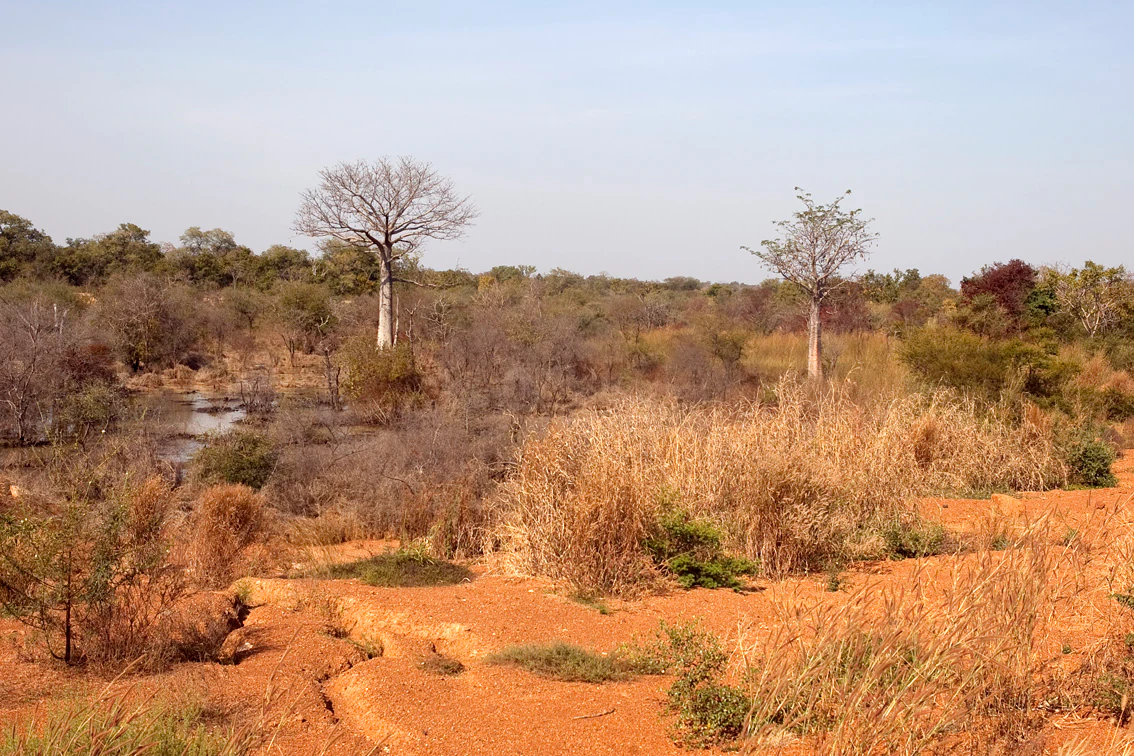
Oti-Kéran National Park - Keran National Park
Oti-Kéran National Park, formerly Keran National Park.

Oti-Kéran National Park history and protected-area timeline

Oti-Kéran National Park was established in 1950 as part of Togo's earliest protected area network. Throughout the 1960s and 1970s, the park and surrounding reserves in northern Togo were significantly expanded, though this expansion occurred without the consent or participation of local communities. Local populations were displaced from their lands and lost access to agricultural areas, resulting in increased poverty and food insecurity in surrounding villages. Additionally, wildlife from the protected but unfenced areas, particularly elephants, caused significant damage to crops and fields, generating resentment among local communities toward both the protected areas and the wildlife they contained. During the political turmoil of 1990, these tensions erupted into widespread violence against protected areas, with mass slaughter of wildlife and destruction of infrastructure. Following this period of upheaval, the Togolese government initiated boundary reforms beginning in 1999, excluding severely degraded peripheral areas from the national park and reclassifying them for human development. This reduced the park's area by more than half. Prior to the 1990s conflicts, the park had developed a well-regarded ecotourism sector with infrastructure including a hotel, roads, and observation platforms, generating significant revenue. Today, this infrastructure lies in ruins and the park's tourism sector has not recovered.

Oti-Kéran National Park landscape and geographic character

The park occupies a landscape of gentle savanna plains with scattered woodland and riparian forests along watercourses. The terrain is largely flat to slightly undulating, typical of the sudanian plateau. The Oti River and its seasonal tributaries create corridors of denser vegetation that stand in contrast to the surrounding savanna, providing important habitat diversity. The park includes seasonal wetlands and floodplain areas that fill during the rainy season and contract dramatically during the dry months, creating a dynamic landscape. The vegetation consists primarily of wooded savanna with species such as shea, baobab, and various acacia species, transitioning to more dense gallery forests along watercourses. The landscape provides open vistas across savanna horizons with scattered tree islands, characteristic of the West African sudanian zone.

Oti-Kéran National Park ecosystems, habitats, and plant life

Oti-Kéran National Park sits within the sudanian biogeographic region, a zone characterized by distinct wet and dry seasons and vegetation adapted to seasonal rainfall patterns. The park's ecosystem includes woodland savanna, riparian forest, and seasonal wetland habitats that together support considerable biodiversity despite historical disturbances. The protected area functions as an important link in the broader WAP transfrontier ecosystem, which represents one of West Africa's most significant remaining contiguous savanna protected landscapes. The Ramsar designation recognizes the importance of the park's wetland habitats for waterbird conservation and broader ecological processes. The riparian corridors along the Oti River and its tributaries are particularly ecologically significant, providing refuge for species during the dry season and serving as wildlife movement corridors.

Oti-Kéran National Park wildlife and species highlights

The park supports diverse wildlife, though populations have been significantly reduced since the 1990s conflicts. Mammal species recorded include olive baboon, tantalus monkey, patas monkey, kob, waterbuck, red-flanked duiker, common duiker, African buffalo, hippopotamus, and warthog. The African elephant, once a common sighting and major tourism attraction, was likely nearly extirpated during the 1990s, though sporadic migrating individuals are occasionally reported and conservation efforts aim to reestablish a small population. West African lions have been reported sporadically but there is no permanent population in Togo. The park is designated as an Important Bird Area by BirdLife International due to its significant bird populations, with approximately 214 species recorded including black crowned crane, goliath heron, grey heron, pink-backed pelican, violet turaco, and numerous weaver bird and finch species. Reptiles include the West African crocodile.

Oti-Kéran National Park conservation status and protection priorities

Oti-Kéran National Park holds significant conservation importance as Togo's largest protected savanna area and a key component of the planned WAP transfrontier biosphere reserve. The Ramsar Wetland designation in 1995 recognizes the international importance of the park's wetland ecosystems. The park is designated as an Important Bird Area, acknowledging its significance for bird conservation. However, the park faces substantial ongoing threats from human encroachment including settlement, cotton agriculture, charcoal production, and illegal grazing. The reduction in park boundaries following 1999 reforms reflects both the extent of historical degradation and the competing pressures for land use. Conservation efforts including a UNDP project aim to reestablish elephant populations and restore habitats, but the park's ecological recovery remains challenging amid persistent human pressures.

Oti-Kéran National Park cultural meaning and human context

The park exists within a landscape historically inhabited by farming communities whose lands were incorporated into the protected area during expansion phases in the 1960s and 1970s. This history of displacement without consent created lasting tensions between conservation objectives and local livelihoods. The local population traditionally practiced agriculture and had close interactions with the landscape, which now falls within protected boundaries. These historical dynamics continue to influence community relationships with the park and present challenges for effective conservation that balances ecological objectives with local community needs.

Top sights and standout views in Oti-Kéran National Park

As Togo's largest northern protected area, Oti-Kéran offers access to sudanian savanna ecosystems with potential for wildlife observation and birdwatching in a relatively undeveloped setting. The park's position within the WAP transfrontier network provides potential for regional conservation联动. The Ramsar-designated wetlands support diverse waterbird populations. The riparian forests along the Oti River provide scenic landscape diversity. The park's history as a former regional ecotourism model, though now in ruins, indicates the landscape's inherent tourism potential. The ongoing conservation efforts to restore elephant populations represent a long-term vision for ecological recovery.

Best time to visit Oti-Kéran National Park

The optimal time to visit Oti-Kéran National Park is during the dry season from November to April, when wildlife concentrates around remaining water sources and visibility is improved in the thinner vegetation. The wet season from May to October brings challenging road conditions and reduced wildlife visibility as animals disperse more widely across the landscape. However, the wet season transforms the landscape with lush vegetation and is particularly rewarding for birdwatching when migratory species are present. The park's infrastructure is limited and access can be difficult year-round, so visitors should plan accordingly and be prepared for basic conditions.
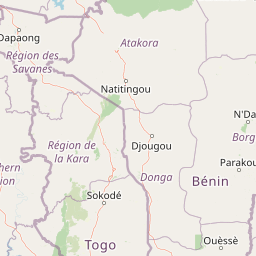
Park location guide

Geography guide, regional context, and park location map for Oti-Kéran National Park

Oti-Kéran National Park park geography, regions, and map view in Togo
Understand where Oti-Kéran National Park sits in Togo through a broader geographic reading of the surrounding landscape, nearby location context, and its mapped position within the national park landscape.

How Oti-Kéran National Park fits into Togo

Togo, officially the Togolese Republic, is a narrow West African nation stretching from the Gulf of Guinea to Burkina Faso. It was colonized by Germany in 1884, transferred to France after World War I, and gained independence in 1960. The country has a population of approximately 9.6 million people across an area of about 56,785 km².

Wider geography shaping Oti-Kéran National Park in Togo

Togo is located in West Africa, extending north from the Gulf of Guinea along a narrow coastal strip. It is bordered by Ghana to the west, Benin to the east, and Burkina Faso to the north. The country has a width of less than 115 km between Ghana and Benin. The terrain rises from a coastal plain to an interior plateau.

Map view of Oti-Kéran National Park

Use this park location map to pinpoint Oti-Kéran National Park in Togo, understand its exact geographic position, and read its mapped placement within the surrounding landscape more clearly.

Pigeon | © OpenStreetMap contributors

Location context for Oti-Kéran National Park

Kara Region

A Visual Atlas of West Africa's Sudanian Zone, Revealing Oti-Kéran's Diverse Woodland Habitats and Riverine Terrain

Oti-Kéran National Park Photography: Explore Togo's Savanna Landscapes and Protected Area Scenery
Browse imagery to understand Oti-Kéran National Park's distinct landscapes, from its expansive savanna plains and scattered woodlands to the vital riparian forests along the Oti River. These visual records provide essential geographic context, detailing the park's dynamic wetland features, sudanian ecosystem, and the protected habitats characterizing this significant West African conservation area.

Oti-Kéran National Park - Keran National Park

Park atlas

Compare protected savanna ecosystems, regional wetlands, and connected transfrontier landscapes in the broader West African sudanian zone.

Explore Nearby National Parks and Protected Areas Around Oti-Kéran National Park
Continue your park atlas discovery from Oti-Kéran National Park by exploring other national parks and protected areas across Togo, tracing connected savanna ecosystems and regional wetland landscapes. This geographic view allows for direct comparison of conservation challenges and natural habitats within the broader West African sudanian zone.
National parkBenin

Pendjari National Park: Exploring Benin's Largest Protected Area and Savanna Landscape

Mapped boundaries and regional geography of a key West African wilderness.

Pendjari National Park is the largest protected area in Benin, safeguarding nearly 2,800 square kilometers of essential West African savanna ecosystem. This national park is a crucial element of the WAP Complex, offering a profound look at one of the region's last viable wilderness expanses. Through its mapped terrain, diverse landscapes from river valleys to mountainous cliffs, and its status as a protected landscape, users gain a deep understanding of its geographic significance and conservation value.

Area
2,755 km²
IUCN
II
National parkOti Region

Kyabobo National Park: Ghana's Highland National Park with Mount Dzebobo and Forest-Savanna Transition

Explore mountainous terrain, park boundaries, and regional geography in Oti Region.

Kyabobo National Park is a significant protected landscape in Ghana's Oti Region, celebrated for its mountainous topography and the commanding presence of Mount Dzebobo. This national park, established in 1993, safeguards a critical ecological transition zone featuring diverse habitats from dense forests to open tree savanna. Its unique geography and protected status make it a vital site for understanding regional conservation and atlas-based landscape exploration in West Africa, offering insights into varied terrain and ecosystems.

Area
360 km²
Established
1993
IUCN
II
National parkBurkina Faso

Kaboré Tambi National Park: Burkina Faso's Largest National Park and Protected Landscape

Explore the mapped savanna and birdwatching geography of this vital West African area.

Kaboré Tambi National Park represents a critical protected area in Burkina Faso, spanning a considerable expanse of Sudan-Guinea savanna. The park's geography is defined by the Nazinon River and a mosaic of woodland and grassland ecosystems, making it a significant site for understanding regional protected lands and landscape ecology. It offers a valuable point of reference for atlas-based exploration of West African natural areas.

Area
1,555 km²
Established
1976
IUCN
II
Relief
Lowland
National parkSavannah Region

Mole National Park: A Premier Protected Landscape in Ghana's Savannah Region

Explore mapped boundaries and Guinea savannah ecosystems.

Mole National Park represents a significant protected landscape within Ghana's Savannah Region, serving as the country's largest national park and a crucial conservation area for West African wildlife. The park's geography is defined by extensive Guinea savannah, characterized by grasslands with scattered woodlands and a prominent escarpment along its southern edge. Its vast expanse offers a unique opportunity to study mapped park boundaries and understand the ecosystem's role in regional conservation efforts. Discover the unique landscape context and protected area identity of this major West African wildlife refuge.

Area
4,840 km²
Established
1958
IUCN
II
National parkBono East Region

Digya National Park: Ghana's Oldest National Park, Bordering Lake Volta

Explore its unique geography and mapped protected boundaries.

Digya National Park is a significant protected area in Ghana, renowned as the nation's oldest, established in 1900 and gazetted as a national park in 1971. Occupying 3,743 square kilometers in the Bono East Region, it is distinctively bordered on three sides by the vast Lake Volta, creating an unparalleled terrestrial-aquatic habitat interface. This national park represents a key point in Ghana's geographic atlas, situated in a transitional zone between forest and savanna ecosystems, and is a vital hub for wildlife conservation and the study of its unique landscape character.

Area
3,743 km²
Established
1971
IUCN
II
National parkNiger

W National Park: Niger National Park, UNESCO World Heritage Site & Ramsar Wetland

Transborder savanna ecosystem and dramatic Niger River landscape.

W National Park in Niger offers a unique atlas view of a vast protected landscape defined by the Niger River's iconic W-shaped bend. As a UNESCO World Heritage Site and Ramsar Wetland, it protects crucial savanna plains, extensive floodplains, and rocky outcrops. This transborder conservation area is a vital habitat for West African wildlife, providing a rich context for geographic discovery and landscape exploration.

Area
10,000 km²
Established
1954
IUCN
II
National parkGhana

Bui National Park: Protected Savanna Landscape and Black Volta River Geography in Ghana

Explore the mapped boundaries and unique ecosystems of this national park.

Bui National Park, a protected national park in Ghana, offers a rich geographic discovery of savanna ecosystems bisected by the Black Volta River. Its vast mapped area provides a unique setting for understanding riparian corridors, woodland savanna, and mountainous terrain. The park is critically important for its significant hippopotamus population and its designation as an Important Bird Area, showcasing its ecological value. Exploration of Bui National Park provides insight into Ghana's protected landscapes and their strategic position within West African geography, serving as a key entity for any natural atlas.

Area
1,820 km²
Established
1971
IUCN
II
National parkOyo State

Old Oyo National Park: Mapped Savanna Terrain and Historical Significance in Nigeria

Explore its geographic setting and protected landscape features.

Old Oyo National Park is a prominent national park situated in Nigeria's Oyo State, covering a substantial area of lowland savanna. The park's terrain features include scattered granite outcrops, ridges, and important archaeological sites, remnants of the ancient Oyo Empire. Its mapped geography reveals a dynamic landscape shaped by river systems and elevated formations, offering a unique blend of natural and cultural heritage for dedicated atlas exploration.

Area
2,512 km²
IUCN
II

Common questions about visiting, size, designation, and location context for Oti-Kéran National Park

Oti-Kéran National Park FAQs for park facts, access, geography, and protected area context
Find quick answers about Oti-Kéran National Park, including protected-area facts, park geography, trail and visitor context, and how the park fits into its surrounding country and regional landscape.
MoriAtlas Explorer

Continue Your Protected Areas Search Across the Global Atlas

Deepen your exploration by continuing the structured search for national parks and protected areas worldwide. Utilize the comprehensive filtering capabilities to compare different conservation landscapes and refine your understanding of global park geography. Discover more about the distribution and characteristics of protected natural areas.

Global natural geography