Why Cape Hillsborough National Park stands out
Cape Hillsborough is best known for its dramatic volcanic peninsula landscape where dense rainforest meets dramatic coastline. The park's most distinctive feature is the combination of its geological origins creating a peninsula with steep coastal edges and sheltered forest interiors. The intertidal zones feature notable sand bubbler crabs that leave characteristic patterns on beach sand during low tide, and the tidal rocky pools harbor diverse marine creatures. The park serves as an important refuge for coastal and forest birdlife in the Central Queensland region.
Cape Hillsborough National Park history and protected-area timeline
Cape Hillsborough National Park was established in 1985 through formal protection measures implemented by the Queensland state government. The park's naming derives from its geographical position at Cape Hillsborough, which was named by Lieutenant James Cook during his first voyage through the Pacific in 1770. Cook named the geographical feature in honor of Wills Hill, Earl of Hillsborough, who served as President of the Board of Trade and Plantations during two periods in the mid-18th century. The park's management falls under the Queensland Parks and Wildlife Service, which oversees conservation and visitor services. A notable expansion occurred in 2010 when 204 hectares were added to the park on National Parks Day, strengthening protection of the peninsula's ecosystems.
Cape Hillsborough National Park landscape and geographic character
The landscape of Cape Hillsborough National Park is defined by its volcanic peninsula formation, which rises to a maximum elevation of 267 meters above sea level. The peninsula's geology creates a distinctive landform where steep coastal slopes meet the sea on multiple sides. The interior of the peninsula is heavily vegetated with rainforest, creating a dense forest canopy that contrasts sharply with the surrounding coastal terrain. The park features beach areas and rocky tidal pools along its coastline, where volcanic rock formations interact with tidal processes. The annual precipitation of 1106 millimeters sustains the rainforest environments that cover the majority of the peninsula's surface.
Cape Hillsborough National Park ecosystems, habitats, and plant life
The natural environment of Cape Hillsborough National Park encompasses a blend of coastal and rainforest ecosystems within the Central Mackay Coast bioregion. The park's rainforest interior represents a significant habitat type along this section of the Queensland coast, supported by the consistent annual rainfall. The vegetation transitions from dense forest on the slopes to coastal strands along the shoreline. The O'Connell River water catchment area influences the park's hydrological character, with freshwater inputs contributing to the ecological diversity. This combination of volcanic soil, consistent moisture, and coastal exposure creates favorable conditions for diverse plant and animal communities.
Cape Hillsborough National Park wildlife and species highlights
Cape Hillsborough National Park supports a notable diversity of wildlife, with approximately 140 bird species recorded within its boundaries. The mammal population includes 22 species, while reptile diversity encompasses 25 species and amphibians account for 8 species. The intertidal zones feature sand bubbler crabs that create distinctive patterns on beach sand during low tide, a characteristic natural phenomenon visible to visitors exploring the shoreline. Rocky tidal pools provide habitat for various marine invertebrates and small creatures that adapt to the twice-daily tidal changes. The forest interior supports arboreal and ground-dwelling species typical of Queensland rainforest environments.
Cape Hillsborough National Park conservation status and protection priorities
The conservation significance of Cape Hillsborough National Park lies in its protection of a volcanic peninsula ecosystem that would otherwise face development pressure along Queensland's central coast. The park preserves both coastal and rainforest habitats within a regional context where such combinations are relatively uncommon. The 2010 expansion by 204 hectares demonstrates active management commitment to strengthening ecological protection. The park's location within a defined bioregion and water catchment area reinforces its role in broader landscape conservation planning. Protection of the peninsula's volcanic formations and associated vegetation communities provides ongoing habitat for the park's documented biodiversity.
Cape Hillsborough National Park cultural meaning and human context
The naming of Cape Hillsborough reflects the park's historical connection to European exploration of the Queensland coast. Lieutenant James Cook named this geographic feature in 1770 during his first voyage through the Pacific, choosing to honor Wills Hill, Earl of Hillsborough, a prominent British government official of the period. This naming represents one of many coastal locations along eastern Australia that carry names from the Cook era, documenting early European engagement with the Queensland landscape. The indigenous cultural context of the area falls within the traditional lands of local Aboriginal peoples, though the source material provides limited detail on this dimension.
Top sights and standout views in Cape Hillsborough National Park
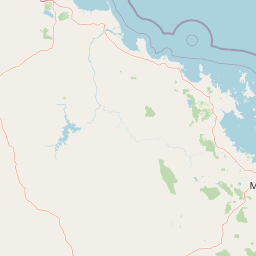
The volcanic peninsula setting creates Cape Hillsborough's primary visual highlight, with rainforest-covered slopes descending to coastal shores. The tidal pools along the coastline provide interactive natural exploration opportunities, while the sand bubbler crab activity during low tide offers a distinctive wildlife observation experience. The park's compact size allows visitors to experience multiple ecosystem types within a single visit, from forest trails to beach walks. The proximity to Mackay makes this an accessible nature destination for those exploring Central Queensland.
Best time to visit Cape Hillsborough National Park
The park can be visited throughout the year given Queensland's generally warm climate, though the summer months from December to February bring higher temperatures and increased rainfall typical of the wet season. The winter months from June to August generally offer more comfortable conditions for bushwalking and extended exploration. The dry season period from April to October typically provides more predictable weather for outdoor activities. Visitors interested in observing marine life in the tidal pools should plan their visit around low tide periods, which vary throughout the lunar cycle.