Why South Cumberland Islands National Park stands out
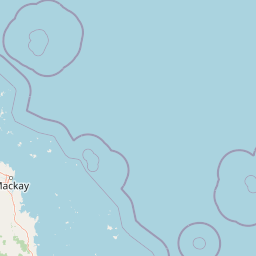
The South Cumberland Islands are best known for their dramatic granite island landscapes, dense tropical rainforests rising steeply from the coast, and coral fringing reef systems surrounding the island shorelines. Scawfell Island stands out as the park's largest and most topographically striking island, featuring a prominent 397-metre peak and a distinctive horseshoe shape defined by granite cliffs. The park also gained recent scientific recognition with the 2023 discovery of the Scawfell Island leaf-tailed gecko, an endemic species previously unknown to science. The marine environment, with its seasonal box jellyfish presence, is another distinctive characteristic that visitors must consider.
South Cumberland Islands National Park history and protected-area timeline
The South Cumberland Islands have a rich maritime history dating back to European exploration of the Queensland coast. Captain James Cook first identified these islands as the Cumberland Isles during his 1770 voyage along the coast, though he did not name the individual islands. Matthew Flinders circumnavigated Australia in 1802 aboard HMS Investigator and named Scawfell Island as "L Island" during his survey. The island was later renamed Scawfell Island in 1879 by Staff Commander E.P. Bedwell of the Royal Navy, who conducted extensive surveys of the Whitsunday islands that year aboard SS Llewellyn. The name derives from Scafell, the second-highest peak in England, located in Cumbria. The islands transitioned to national park status to protect their natural values, with management now overseen by the Queensland Parks and Wildlife Service. In 2023, the park gained scientific prominence with the discovery of the Scawfell Island leaf-tailed gecko by Dr. Conrad Hoskin, adding to the park's conservation significance.
South Cumberland Islands National Park landscape and geographic character
The islands of South Cumberland Islands National Park are defined by their dramatic granite terrain and coastal geomorphology. Scawfell Island, the largest in the group, rises to 397 metres at a peak located southeast of Duddon Point, and features a distinctive horseshoe shape created by its underlying granite structure. Coastal granite cliffs line much of the island's perimeter, contrasting with the tropical rainforest that covers the steep interior mountain slopes. The islands are surrounded by coral fringing reefs that add marine diversity to the landscape. The terrain creates several sheltered anchorages, with Refuge Bay on Scawfell Island being particularly notable for providing safe anchorage and fishing opportunities. St Bees Island, the second-largest at 10.32 square kilometres, shares similar granite character but offers its own distinct topography.
South Cumberland Islands National Park ecosystems, habitats, and plant life
The South Cumberland Islands support distinctive tropical island ecosystems shaped by their granite substrates, steep topography, and coastal marine environments. Tropical rainforest dominates the island interiors, creating dense vegetation cover on the steep mountain slopes that descend to the coastline. This forest type represents a significant habitat within the Whitsunday region, providing shelter for endemic species and contributing to the overall biodiversity of the island group. The surrounding marine environment includes coral fringing reef systems that support fish and invertebrate communities. The recent discovery of the Scawfell Island leaf-tailed gecko in 2023 demonstrates that the park continues to yield new scientific discoveries, with this species growing to approximately 15 centimetres in length and representing endemic island wildlife.
South Cumberland Islands National Park wildlife and species highlights
The South Cumberland Islands are home to endemic wildlife adapted to the island environment. The 2023 discovery of the Scawfell Island leaf-tailed gecko highlights the park's significance for unique island species, with this reptile reaching sizes of around 15 centimetres. The islands support birdlife associated with tropical forest and coastal habitats, while the surrounding waters contain marine species appropriate to coral reef environments. The park's marine environment also includes seasonal box jellyfish, known as marine stingers, which inhabit the waters between October and May. Visitors should exercise appropriate caution during this period when swimming or entering the water.
South Cumberland Islands National Park conservation status and protection priorities
South Cumberland Islands National Park represents an important protected area within the Whitsunday region, preserving both terrestrial island ecosystems and marine environments. The park is classified as IUCN Category II, reflecting its national park status and conservation purpose. Protection of the islands safeguards tropical rainforest habitats, granite cliff ecosystems, coral reef communities, and endemic species such as the recently described Scawfell Island leaf-tailed gecko. The park's remote character and limited infrastructure help maintain its ecological integrity, though the seasonal presence of marine stingers requires visitor awareness and appropriate safety measures.
South Cumberland Islands National Park cultural meaning and human context
The South Cumberland Islands are situated within the traditional Country of Aboriginal peoples, though specific indigenous cultural associations with these particular islands are not extensively documented in the available source material. The islands hold historical significance within Australia's European maritime exploration, being first identified by Captain James Cook in 1770 as part of the Cumberland Isles and later surveyed and renamed by figures such as Matthew Flinders and E.P. Bedwell. The naming of Scawfell Island after the English peak in Cumbria reflects the colonial practice of applying British place names to the Australian landscape.
Top sights and standout views in South Cumberland Islands National Park
The park's highlights include Scawfell Island as its largest and most prominent feature, with its 397-metre peak, granite cliffs, tropical rainforest, and coral fringing reefs. Refuge Bay provides a notable anchorage point with permitted bush camping opportunities for visitors holding permits from Queensland National Parks. The 2023 discovery of the Scawfell Island leaf-tailed gecko adds scientific significance to the park's natural values. The island group's position marking the beginning of the Whitsunday chain connects it to one of Australia's most famous island destinations while maintaining its own distinct protected area identity.
Best time to visit South Cumberland Islands National Park
The South Cumberland Islands can be visited throughout the year, though the presence of marine stingers from October to May requires visitors to exercise caution during those months. The cooler winter months from June through September typically offer more comfortable conditions for outdoor activities and reduce jellyfish risk. Summer months bring warmer temperatures but coincide with the stinger season, making appropriate protective measures necessary for anyone entering the water. The park's island environment means that boat access is required, and visitors should be self-sufficient when camping, as facilities are minimal or nonexistent on the islands themselves.