Why Cape Palmerston National Park stands out
Cape Palmerston is best known for its remarkable coastal diversity, combining pristine beaches, dune systems, and extensive mangrove forests within a relatively compact protected area. The park protects critical habitat for the threatened water mouse (false water rat), one of several rare or threatened species found within its boundaries. The coastline provides excellent conditions for birdwatching, with ospreys and sea eagles commonly spotted hovering over the shore, while white-breasted woodswallows nest in flowering grasstrees throughout the woodland areas. The park's accessibility by four-wheel drive only and its three camping areas make it a destination for those seeking a more remote and less developed coastal wilderness experience in Queensland.
Cape Palmerston National Park history and protected-area timeline
Cape Palmerston National Park was established in 1976 as part of Queensland's expanding network of national parks protecting the state's natural landscapes. The park is named after Cape Palmerston itself, which was named by British explorer Captain James Cook during his 1770 voyage along the Australian coast, honoring Henry Temple, 2nd Viscount Palmerston, who served as a Lord Commissioner of the Admiralty at that time. The naming of the cape reflects the historical pattern of British naval exploration along the Queensland coast, with many geographic features receiving names connected to political and military figures of the era. The subsequent designation of the area as a national park recognized the ecological and scenic values of the coastal landscape, formalizing protection for the diverse habitats found along this section of the Central Queensland coast.
Cape Palmerston National Park landscape and geographic character
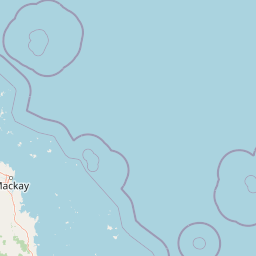
The landscape of Cape Palmerston National Park is defined by its coastal position and the interaction between marine and terrestrial environments. The park features approximately 28 kilometers of coastline along the Coral Sea, with beaches and dune systems forming the interface between land and sea. Behind the coastal fringe, the terrain transitions through woodland and grassy areas before reaching the inland wetland systems. The standout topographic feature is Mount Funnel, a 344-meter peak that rises from the coastal plain, providing elevated views over the surrounding landscape and coastline. The dune systems along the shore are particularly notable, representing dynamic coastal landforms that support specialized plant communities. Mangrove forests dominate the estuarine areas, creating dense vegetation along tidal channels and shoreline zones. The combination of sandy beaches, rolling dunes, woodland-covered slopes, and wetland basins creates a visually varied landscape within a relatively compact area.
Cape Palmerston National Park ecosystems, habitats, and plant life
The nature of Cape Palmerston National Park centers on its diverse coastal ecosystems that support both terrestrial and marine-influenced habitats. The mangrove forests represent one of the park's most ecologically significant features, providing critical habitat for marine and terrestrial species while stabilizing shorelines and filtering water quality. The dune systems support specialized vegetation adapted to sandy, often nutrient-poor conditions, while the woodlands and grasslands inland provide transition habitat connecting the coastal zone to broader forested areas. The wetlands within the park form important ecological nodes, particularly for waterfowl and amphibians during wetter periods. The park lies within the Central Mackay Coast bioregion, which encompasses the coastal landscapes between Mackay and the broader Isaac region, characterized by its mix of tropical and subtropical influences.
Cape Palmerston National Park wildlife and species highlights
Cape Palmerston National Park supports significant wildlife populations, including several species of conservation concern. The park provides critical habitat for the threatened water mouse, also known as the false water rat, a species that depends on wetland and riparian environments. Three other rare or threatened species have been identified within the park's boundaries, highlighting its conservation importance. The coastal environment attracts numerous bird species, making the park particularly popular with birdwatching enthusiasts. Ospreys and sea eagles can be observed hunting along the coastline, their distinctive silhouettes visible as they hover over the water searching for prey. White-breasted woodswallows are commonly seen throughout the park, particularly nesting in flowering grasstrees where they find both food resources and suitable nesting sites. The diverse habitat types from beach to woodland support a range of vertebrate and invertebrate species that benefit from the protected status the park provides.
Cape Palmerston National Park conservation status and protection priorities
Cape Palmerston National Park represents an important conservation asset for Queensland, protecting a coastal landscape that faces ongoing development pressure along much of the state's coastline. The park's mangrove forests, dune systems, and wetlands provide ecosystem services including coastal protection, water filtration, and carbon storage while supporting biodiversity. The presence of the threatened water mouse and several other rare or threatened species demonstrates the park's significance for species conservation, particularly within the Central Mackay Coast bioregion. By maintaining a relatively undeveloped coastal area with restricted vehicle access, the park preserves natural processes and ecological integrity that would be compromised by more intensive use. The protection of the 28-kilometer coastline ensures that coastal habitats remain functional for wildlife and that natural coastal dynamics continue without significant human interference.
Cape Palmerston National Park cultural meaning and human context
Cape Palmerston National Park carries historical significance stemming from its naming by Captain James Cook during his 1770 voyage along the Australian coast. The cape was named after Henry Temple, 2nd Viscount Palmerston, who held the position of Lord Commissioner of the Admiralty at the time of Cook's exploration. This naming reflects the broader pattern of British colonial exploration and naming conventions applied to the Queensland coast, connecting geographic features to political and administrative figures of the era. The park exists within the traditional lands of indigenous peoples whose connections to this coastal landscape extend far longer than the European naming history, though detailed information about specific traditional owners is not provided in available source material.
Top sights and standout views in Cape Palmerston National Park
Cape Palmerston National Park stands out for its exceptional coastal diversity within a protected area, combining beach, dune, mangrove, woodland, and wetland environments across a relatively compact 71.9-square-kilometer area. The 344-meter Mount Funnel provides a scenic hiking destination with panoramic views over the coastline and surrounding landscape. The park's 28 kilometers of relatively undeveloped coastline represent a rare opportunity to experience Queensland's central coast in a more natural state. The birdwatching opportunities, particularly for ospreys, sea eagles, and white-breasted woodswallows, draw visitors interested in observing coastal raptors in their natural habitat. The presence of the threatened water mouse highlights the park's conservation significance beyond its scenic appeal.