Why Homevale National Park stands out
Homevale National Park is best known for two intertwined characteristics: its dramatic sandstone landscape of cliffs, peaks and spires that creates a striking visual presence across the central Queensland plateau, and its significant paleontological finds of Permian-period fossilised sea shells. These fossils, dating from 280 to 225 million years ago, represent some of the oldest tangible evidence of the ancient marine environments that once existed in this region. The combination of the park's rugged topographical features with its scientific fossil heritage makes it distinctive among Queensland's protected areas, offering both landscape appreciation and educational value regarding the region's deep geological history.
Homevale National Park history and protected-area timeline
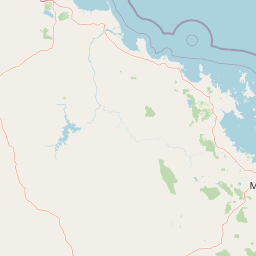
The land now comprising Homevale National Park was historically known as Homevale pastoral station, where cattle grazing operations were conducted across the property. The transition from pastoral use to environmental protection occurred in 1995 when the area was gazetted as a national park under the Nature Conservation Act 1992, specifically through the Nature Conservation (Protected Areas) Amendment (No.5) 1995 regulation. This designation marked the formal recognition of the area's natural and geological values beyond its agricultural utility. The park's boundaries have undergone adjustments several times since establishment, with modifications occurring in 1996, 2009 and most recently in 2024, reflecting ongoing refinement of the protected area boundary. As of 2024, the original homestead complex from the pastoral station era remains standing within the national park boundaries at coordinates 21°26′24″S 148°31′33″E, representing a tangible link to the property's pastoral history. The Queensland Parks and Wildlife Service has indicated that conservation plans are to be developed for the homestead structure, suggesting potential future interpretation of this historical aspect of the park.
Homevale National Park landscape and geographic character
The landscape of Homevale National Park is defined by its elevated terrain averaging 436 metres above sea level and the prominent sandstone formations that create the park's characteristic scenery. The terrain features a series of cliffs, rocky peaks and isolated spires that rise from the surrounding plateau, creating a dramatic skyline visible across the central Queensland region. These formations appear to represent ancient remnant features of geological processes that have shaped the landscape over tens of millions of years. The combination of vertical cliff faces, angular peaks and weathered spires gives the park a rugged and somewhat austere appearance compared to the more heavily vegetated landscapes found in coastal and mountain regions of Queensland. The park's physical character reflects the broader geology of central Queensland, where sandstone and conglomerate formations create distinctive landforms across the inland areas.
Homevale National Park ecosystems, habitats, and plant life
The nature of Homevale National Park centres on its geological heritage rather than extensive biodiversity documentation. The most scientifically significant natural feature of the park is the presence of fossilised sea shells embedded in the terrain, representing marine deposits from the Permian period between 280 and 225 million years ago. These fossils provide evidence that this currently inland area was once covered by shallow seas during the late Paleozoic era, a time when much of what is now central Queensland lay beneath marine waters. The fossil discoveries connect the park to the broader scientific understanding of Queensland's geological history and the ancient environments that existed long before the region's current semi-arid conditions developed. The park's vegetation patterns generally reflect the central Queensland environment, though detailed habitat documentation is limited in available sources.
Homevale National Park conservation status and protection priorities
Homevale National Park serves as a protected area preserving both geological and historical values within Central Queensland. The park's designation as an IUCN Category II national park reflects its status as a protected landscape where natural values are maintained while allowing for appropriate management of the area's heritage features. The preservation of Permian-period fossils within the park boundaries represents a significant conservation priority, as these fossil deposits provide scientific windows into ancient marine environments that no longer exist in the region. The ongoing boundary adjustments to the park, with modifications occurring in 1996, 2009 and 2024, demonstrate active management of the protected area and refinement of conservation boundaries. The presence of the historic homestead within the park boundaries presents a unique conservation consideration, requiring balance between preserving pastoral heritage and maintaining the area's natural values. Conservation planning for the homestead reflects the integrated approach to managing both cultural and natural heritage within the national park framework.
Homevale National Park cultural meaning and human context
Homevale National Park contains elements of Queensland's pastoral heritage that distinguish it from purely natural conservation areas. The Homevale pastoral station operated on this land prior to the area's declaration as a national park in 1995, and the physical remnants of that pastoral era remain visible within the park boundaries today. The homestead complex, still situated at its original location on Homevale Homestead Road, represents the human occupation and agricultural use of this central Queensland landscape across the twentieth century and earlier. This pastoral heritage coexists with the area's geological significance, creating a layered landscape where ancient fossil beds and more recent human history intersect. The decision to retain the homestead within the national park rather than remove all pastoral infrastructure reflects an approach that acknowledges the region's human history as part of its overall character.
Top sights and standout views in Homevale National Park
The highlights of Homevale National Park centre on its dramatic sandstone landscape of cliffs, peaks and spires that dominates the central Queensland plateau, and the scientific importance of Permian-period fossils discovered within the park. The park offers a distinctive visual landscape quite different from typical Queensland national parks, with its vertical cliff faces and weathered rock spires creating memorable geological scenery. The fossilised sea shells from 280 to 225 million years ago provide tangible evidence of ancient marine environments and make the park significant for geological education and interpretation. The preserved homestead from the pastoral station era adds historical dimension to the park experience, representing the more recent human history of the land. The park's location in Central Queensland, approximately 821 kilometres from Brisbane, places it within a region of Australia known for its vast landscapes and mineral resources.
Best time to visit Homevale National Park
Specific seasonal visitation guidance is not detailed in available source material for Homevale National Park. The park's central Queensland location suggests that visitors should consider the region's subtropical to semi-arid climate patterns when planning trips, with attention to summer heat and potential wet-season conditions that may affect access or comfort. The rugged terrain of cliffs, peaks and spires may present different experiences depending on seasonal conditions, though detailed guidance on optimal visitation periods would require additional source material beyond the current Wikipedia entry.